


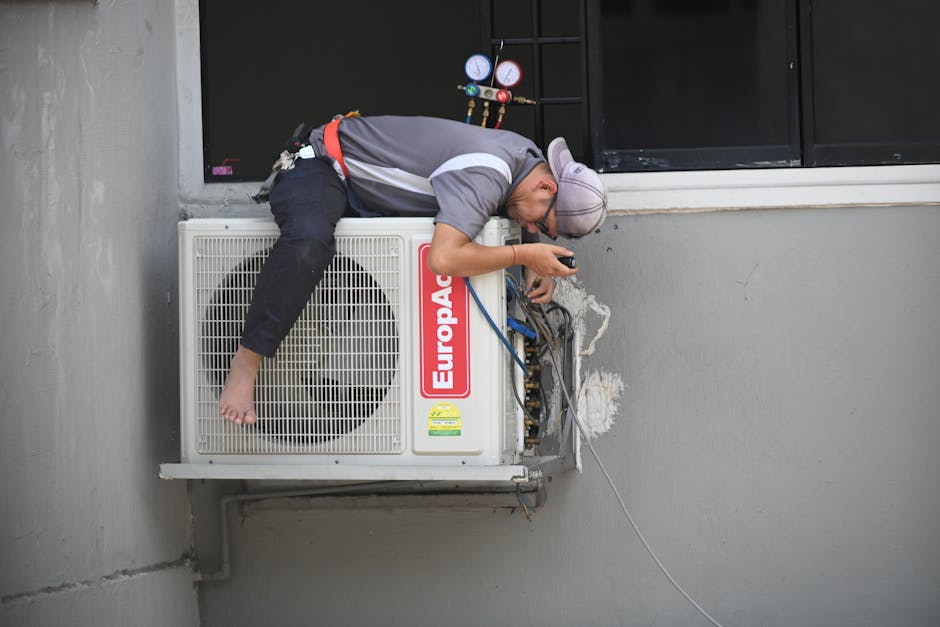
How will Kuwait’s extreme climate and rapid development impact HVAC technician demand by 2026? This specialized workforce projection provides critical insights for employers. Furthermore, understanding these trends ensures competitive advantage in Kuwait’s construction and facilities management sectors. Therefore, strategic workforce planning becomes essential for sustainable operations. This comprehensive guide examines the forecast HVAC technician demand Kuwait landscape for 2026.
Kuwait’s economy continues diversifying beyond hydrocarbons into real estate, tourism, and commercial infrastructure. Consequently, climate control systems represent essential infrastructure across all sectors. Additionally, existing building stock requires continuous maintenance and upgrades. Moreover, technological advancements in energy efficiency drive replacement cycles. These factors collectively create sustained demand for skilled HVAC professionals throughout the Kuwaiti market.
At Allianze HR Consultancy, we’ve successfully placed 10,000+ professionals across UAE, Saudi Arabia, Qatar, and Kuwait. Furthermore, our 5+ years of GCC expertise supports clients from 50+ countries. Moreover, our Ministry of External Affairs (India) RA license ensures compliance. Therefore, contact our recruitment specialists for expert guidance.
Understanding GCC Technical Workforce Requirements
Gulf Cooperation Council labor markets demonstrate unique characteristics. Specifically, extreme climate conditions necessitate specialized technical skills. Additionally, rapid urbanization drives continuous construction activity. Moreover, economic diversification policies create new commercial infrastructure. Consequently, technical workforce planning requires nuanced understanding of regional dynamics.
Kuwait’s particular situation involves several distinctive factors. First, temperature extremes regularly exceed 50°C during summer months. Second, ambitious development projects like Kuwait Vision 2035 prioritize modern infrastructure. Third, existing building stock requires retrofitting for energy efficiency. Furthermore, government regulations increasingly mandate higher efficiency standards. Therefore, HVAC systems become increasingly sophisticated.
Technical recruitment in Kuwait faces specific challenges. Skilled technician availability often lags behind project requirements. Additionally, certification standards vary across source countries. Moreover, cultural and language differences require careful navigation. Consequently, successful workforce deployment demands specialized expertise. Employers must understand these complexities for effective planning.
Forecast HVAC Technician Demand Kuwait Strategic Overview
The forecast HVAC technician demand Kuwait indicates significant growth through 2026. Multiple converging factors drive this projected expansion. First, Kuwait’s construction pipeline includes numerous mega-projects. Second, existing commercial and residential buildings require maintenance. Third, technological advancements create specialized positions. Therefore, comprehensive workforce planning becomes imperative for employers.
Several quantitative indicators support this positive outlook. Construction project values exceed $30 billion across Kuwait. Additionally, facility management companies report 15% annual growth. Moreover, government energy efficiency initiatives drive retrofitting projects. Consequently, the forecast HVAC technician demand Kuwait suggests 20-25% growth by 2026. This represents thousands of new positions annually.
Specialized skill sets will command premium compensation. Specifically, technicians with VRV/VRF system expertise remain in short supply. Additionally, building automation system knowledge proves increasingly valuable. Moreover, refrigerant transition expertise becomes essential due to regulatory changes. Therefore, strategic recruitment should prioritize these specialized competencies.
Legal Framework and Compliance Standards
Kuwaiti labor regulations govern technical workforce deployment. Specifically, Ministry of Social Affairs and Labor directives establish requirements. Additionally, Public Authority for Manpower oversees foreign recruitment. Moreover, technical certification standards continue evolving. Consequently, compliance demands careful attention to regulatory updates.
HVAC technician positions involve specific regulatory considerations. First, refrigerant handling requires Environmental Protection Agency certification equivalency. Second, electrical work mandates additional safety certifications. Third, scaffolding and elevated work necessitate safety training. Furthermore, Kuwaiti labor law establishes clear wage protection systems. Therefore, employers must maintain comprehensive compliance documentation.
International standards increasingly influence Kuwaiti regulations. The International Labour Organization guidelines provide framework for worker protection. Additionally, World Health Organization workplace standards inform indoor air quality requirements. Moreover, U.S. Department of Commerce trade resources highlight export compliance considerations. Consequently, multinational employers should reference these global standards.
Forecast HVAC Technician Demand Kuwait Best Practices
Strategic workforce planning requires systematic approaches. First, conduct comprehensive skills gap analysis for existing teams. Second, develop phased recruitment strategies aligned with project timelines. Third, implement competency-based assessment protocols. Moreover, establish continuous training programs for skill enhancement. Therefore, the forecast HVAC technician demand Kuwait necessitates proactive preparation.
Recruitment sourcing demands diversified channels. Technical institutes in India and Philippines produce qualified graduates. Additionally, experienced technicians often seek opportunities in GCC markets. Moreover, specialized recruitment partners provide access to pre-vetted candidates. Furthermore, digital platforms enable targeted talent acquisition. Consequently, employers should leverage multiple sourcing strategies simultaneously.
Retention strategies prove equally critical. Competitive compensation packages must include housing allowances. Additionally, clear career progression pathways enhance retention. Moreover, professional development opportunities increase engagement. Furthermore, recognition programs boost morale. Therefore, comprehensive talent management ensures workforce stability despite competitive markets.
Documentation and Processing Steps
Kuwaiti employment regulations require specific documentation. First, attested educational certificates validate qualifications. Second, technical training certificates demonstrate specialized skills. Third, previous employment records establish experience levels. Moreover, medical fitness certificates remain mandatory for residency processing. Therefore, comprehensive document preparation prevents processing delays.
Visa and work permit involve multiple stages. Initially, employers obtain quota approval from Public Authority for Manpower. Subsequently, entry visas enable candidate travel to Kuwait. Then, medical testing and biometric registration occur. Furthermore, residency permits and civil ID cards complete the process. Consequently, proper planning ensures smooth transitions.
Compliance verification occurs throughout employment. Ministry of Social Affairs and Labor conducts workplace inspections. Additionally, Kuwait Municipality reviews technical team qualifications during project approvals. Moreover, UAE government employment regulations provide useful comparative benchmarks. Furthermore, World Bank labor market reports inform policy adjustments. Therefore, maintaining updated records proves essential.

Forecast HVAC Technician Demand Kuwait Implementation Timeline
The forecast HVAC technician demand Kuwait requires phased implementation. First, conduct current workforce assessment during initial months. Second, develop recruitment strategy aligned with 2026 projections. Third, initiate sourcing and screening processes systematically. Moreover, account for typical 8-12 week processing timelines. Therefore, early initiation ensures workforce readiness.
Recruitment phases should align with project requirements. Immediately prioritize critical skill gaps affecting current operations. Subsequently, build pipeline for anticipated 2025-2026 project awards. Moreover, develop relationships with technical training institutes for future supply. Furthermore, implement succession planning for leadership positions. Consequently, strategic timing optimizes resource allocation.
Market monitoring enables course correction. Quarterly reviews of recruitment metrics identify emerging trends. Additionally, regulatory change tracking prevents compliance issues. Moreover, competitor analysis informs compensation adjustments. Furthermore, technological advancement monitoring ensures skill relevance. Therefore, adaptive planning responds to evolving market conditions.
Common Challenges and Solutions
Technical recruitment in Kuwait faces several predictable challenges. First, candidate availability fluctuates with global economic conditions. Second, certification verification processes sometimes create delays. Third, cultural adaptation requires careful management. Moreover, retention proves challenging in competitive markets. Therefore, proactive problem-solving minimizes operational disruption.
Effective solutions address these challenges systematically. Diversified sourcing geographies mitigate availability fluctuations. Additionally, pre-arrival document verification accelerates onboarding. Moreover, cross-cultural orientation programs enhance adaptation. Furthermore, competitive benefits packages improve retention. Consequently, strategic approaches transform challenges into opportunities.
Regulatory compliance demands particular attention. Changing labor regulations require continuous monitoring. Additionally, documentation standards evolve periodically. Moreover, inspection protocols vary across governorates. Furthermore, professional recruitment resources provide updated guidance. Therefore, expert partnership ensures ongoing compliance.
Expert Recommendations for Success
Strategic workforce planning begins with comprehensive assessment. First, analyze current team capabilities against projected requirements. Second, identify critical skill gaps requiring immediate attention. Third, develop sourcing strategies targeting specific competencies. Moreover, establish key performance indicators for recruitment effectiveness. Therefore, data-driven approaches yield optimal outcomes.
Partner selection significantly impacts success. Choose recruitment partners with proven Kuwait experience. Additionally, verify technical assessment capabilities. Moreover, evaluate compliance track records. Furthermore, assess cultural alignment with organizational values. Consequently, careful partner selection enhances recruitment quality.
Continuous improvement ensures long-term success. Regularly review recruitment process effectiveness. Additionally, monitor market compensation benchmarks. Moreover, gather candidate feedback for process enhancement. Furthermore, schedule consultation appointment for personalized strategy development. Therefore, iterative refinement maintains competitive advantage.
Frequently Asked Questions About Forecast HVAC Technician Demand Kuwait
What is the timeline for forecast HVAC technician demand Kuwait?
Timeline typically ranges 4-8 weeks depending on country requirements. Furthermore, documentation preparation affects processing speed. Therefore, consult our specialists for accurate estimates.
What documentation is required for technical recruitment process?
Required documents include employment contracts, visa applications, medical certificates, and educational credentials. Additionally, country-specific requirements vary. Moreover, attestation procedures apply.
What are typical costs for HVAC technician recruitment?
Costs vary by position level, country, and volume. Furthermore, visa fees, medical screening, and documentation affect total investment. Therefore, request detailed quotations from recruitment partners.
How does Allianze HR ensure compliance?
We maintain Ministry-approved RA license status. Additionally, our team monitors GCC labor law changes. Moreover, we conduct thorough documentation verification at every stage.
Which GCC countries does Allianze serve?
We provide recruitment services across UAE, Saudi Arabia, Qatar, Kuwait, Bahrain, and Oman. Furthermore, our South Asian talent network spans India, Nepal, Bangladesh, and Pakistan.
What industries does Allianze specialize in?
Our expertise covers construction, hospitality, healthcare, facilities management, manufacturing, and technical services. Additionally, we handle both skilled and semi-skilled recruitment.
Partner with Allianze HR for Workforce Planning Success
The forecast HVAC technician demand Kuwait presents significant opportunities for prepared employers. Strategic workforce planning ensures operational continuity and competitive advantage. Furthermore, comprehensive recruitment approaches address both immediate and projected requirements. Moreover, regulatory compliance safeguards against operational disruptions. Therefore, proactive preparation proves essential for capitalizing on market growth.
Allianze HR Consultancy provides specialized expertise for Kuwait’s technical workforce needs. Our established recruitment pipelines deliver qualified HVAC technicians efficiently. Additionally, our compliance expertise ensures smooth processing. Moreover, our retention strategies enhance workforce stability. Consequently, partnership enables focused business operations while we manage workforce requirements.
The forecast HVAC technician demand Kuwait necessitates immediate action. Early planning positions organizations for 2026 market opportunities. Furthermore, strategic partnerships enhance recruitment effectiveness. Moreover, comprehensive approaches address both quantitative and qualitative requirements. Therefore, contact our HR specialists today to develop your customized workforce strategy.