


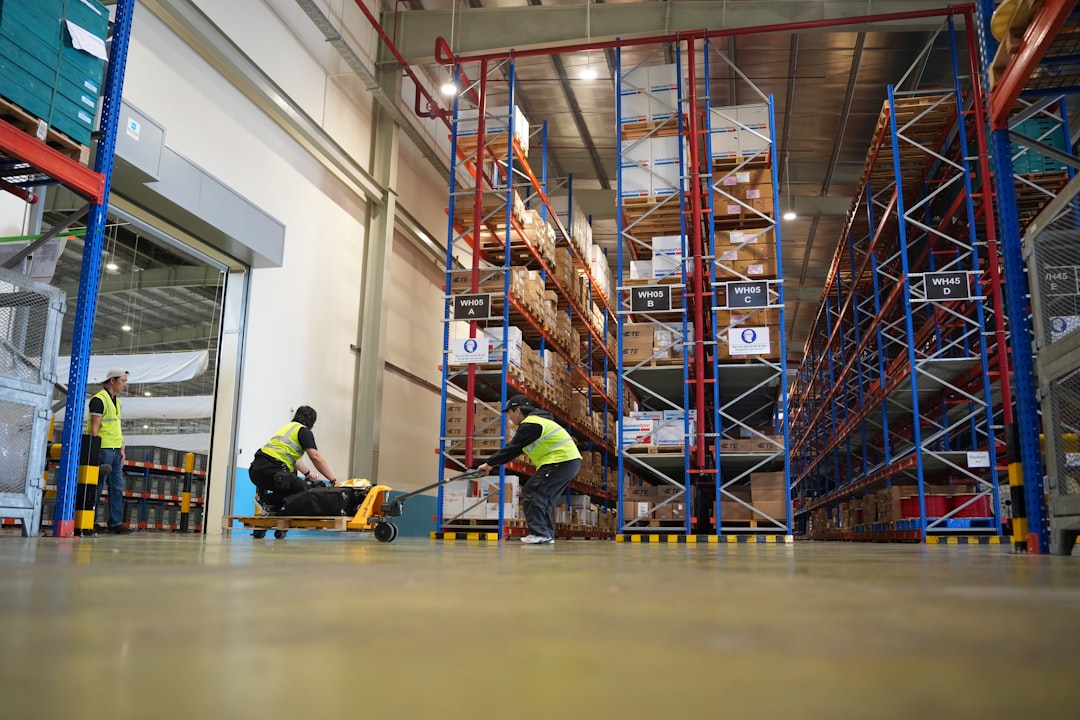
Are you struggling to find certified and reliable forklift operators for your GCC warehouse or logistics operation? Furthermore, the demand for skilled material handling professionals continues to surge across the Gulf’s booming logistics and industrial sectors. Consequently, securing qualified forklift operators warehouse recruitment talent is a critical operational challenge. Moreover, navigating diverse GCC labor laws, certification requirements, and cultural nuances adds significant complexity. Therefore, this comprehensive guide provides actionable strategies for successful talent acquisition and deployment.
The GCC’s strategic position as a global logistics hub drives immense demand for warehouse personnel. Additionally, mega-projects and expanding e-commerce require efficient material handling. Specifically, forklift operators form the backbone of warehouse productivity and safety. However, recruitment involves more than just finding a driver. Employers must verify technical skills, safety certifications, and legal work status. Furthermore, understanding regional variations in licensing and compliance is essential for risk management.
At Allianze HR Consultancy, we’ve successfully placed 10,000+ professionals across UAE, Saudi Arabia, Qatar, and Kuwait. Furthermore, our 5+ years of GCC expertise supports clients from 50+ countries. Moreover, our Ministry of External Affairs (India) RA license ensures compliance. Therefore, contact our recruitment specialists for expert guidance on your material handling staffing needs.
Understanding GCC Warehouse and Logistics Staffing Needs
The Gulf’s economic diversification heavily relies on robust supply chains. Consequently, warehouses and distribution centers require specialized personnel. Specifically, forklift operators are essential for loading, unloading, and moving goods safely. Additionally, different industries need operators familiar with specific equipment, like reach trucks or order pickers.
GCC countries each present unique labor market dynamics. For example, Saudi Arabia’s Vision 2030 fuels massive logistics park development. Meanwhile, the UAE’s ports and free zones are global trade nexuses. Therefore, recruitment strategies must be location-specific. Moreover, cultural and language preferences can vary between Jeddah, Dubai, and Doha.
Key staffing considerations include equipment proficiency, safety record, and physical fitness. Furthermore, employers should assess familiarity with warehouse management systems (WMS). Additionally, understanding pallet racking systems and inventory protocols is crucial. Consequently, a thorough screening process prevents costly accidents and operational delays.
- High demand in logistics parks, ports, and manufacturing plants.
- Requirement for certified operators per OSHA warehousing industry standards.
- Need for both Arabic and English language skills in supervisory roles.
- Specialization in cold storage, hazardous materials, or high-bay warehouses.
Forklift Operators Warehouse Recruitment Strategic Overview
A strategic approach to forklift operators warehouse recruitment ensures quality hires and operational continuity. First, define the specific role requirements clearly. Will the operator handle general cargo or specialized materials? Next, determine the necessary certification level and experience. Subsequently, develop a sourcing plan targeting relevant talent pools.
Effective sourcing utilizes multiple channels. These include specialized job portals, technical training institutes, and industry referrals. Moreover, partnering with a recruitment agency with logistics sector expertise is highly efficient. Such partners pre-vet candidates for certifications and practical skills. Therefore, they significantly reduce time-to-hire and compliance risks.
Furthermore, the interview process must include practical assessments. Simply reviewing a certificate is insufficient. Instead, conduct supervised equipment tests in a controlled environment. Additionally, evaluate the candidate’s understanding of load charts and center-of-gravity principles. Consequently, this hands-on approach verifies true competency and safety awareness.
- Develop detailed job descriptions specifying equipment types (e.g., counterbalance, pallet jack).
- Implement a multi-stage screening process including theory and practical tests.
- Verify certifications through accredited bodies and previous employer checks.
- Plan for ongoing training and license renewal as part of employment.
Legal Framework and Compliance Standards
Compliance is non-negotiable in GCC warehouse recruitment. Each country mandates specific work permits, visas, and occupational health standards. For instance, the UAE requires a valid forklift license issued by an accredited training center. Similarly, Saudi Arabia’s Ministry of Labor regulations enforce strict safety protocols.
Employers must ensure all documentation is properly attested and legalized. This includes the operator’s training certificate, passport, and medical fitness report. Moreover, the employment contract must align with local labor law regarding working hours, overtime, and benefits. Failure to comply can result in heavy fines, operational shutdowns, or deportation of workers.
International standards also provide important guidelines. The International Labour Organization occupational safety standards emphasize proper training and equipment maintenance. Additionally, local civil defense departments often conduct surprise warehouse inspections. Therefore, maintaining impeccable records is essential for business continuity.
- Secure country-specific forklift operator licenses and work permits.
- Ensure employment contracts comply with GCC labor law provisions.
- Maintain records of training, medical tests, and safety briefings.
- Adhere to World Health Organization occupational health guidelines for physical workload.
Forklift Operators Warehouse Recruitment Best Practices
Adopting industry best practices transforms your forklift operators warehouse recruitment from transactional to strategic. First, prioritize safety culture above all else. Seek candidates who demonstrate a proven safety mindset. Furthermore, integrate behavioral interview questions about incident response and hazard identification.
Secondly, offer competitive and transparent compensation packages. The GCC market for skilled operators is competitive. Therefore, packages should include housing allowances, transportation, and health insurance. Additionally, clear career progression paths, such as to shift supervisor or trainer roles, aid retention.
Thirdly, leverage technology in the recruitment process. Use video interviews to assess candidates remotely initially. Moreover, utilize online testing platforms for theory exams on safety regulations. Subsequently, a streamlined onboarding process using digital professional recruitment resources ensures efficiency.
- Implement a standardized scoring rubric for practical skills assessment.
- Build relationships with technical vocational schools for early talent pipelines.
- Conduct thorough background checks focusing on safety violations.
- Promote from within to motivate existing staff and reduce turnover.
Documentation and Processing Steps
Meticulous documentation is the backbone of compliant recruitment. The process begins with collecting the candidate’s original credentials. These include passport copies, passport-sized photographs, and attested educational/training certificates. Next, the employer must apply for quota approval or work permit authorization from the relevant Ministry.
Following approval, the medical fitness test is conducted at government-approved centers. Subsequently, the employment contract is signed in Arabic and English, adhering to local format requirements. Then, the visa stamping process begins, followed by Emirates ID or equivalent biometric registration in other GCC states.
Finally, the operator undergoes a mandatory local safety orientation upon arrival. Furthermore, some Emirates or regions require a final license conversion test. Throughout this chain, using a checklist prevents missed steps. Therefore, partnering with experts who manage this UAE employment regulations process daily is advisable.
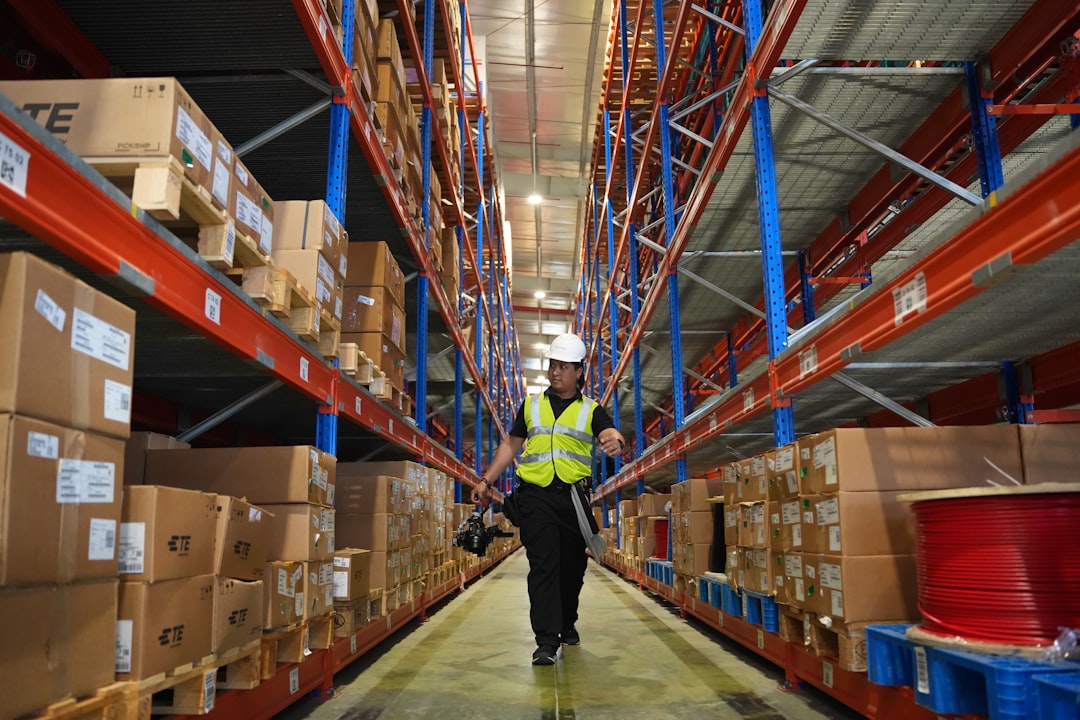
- Collect and attest: Passport, training certificates, experience letters.
- Secure Ministry of Labor work permit approval.
- Complete medical screening for fitness-to-work.
- Process entry visa, labor card, and national ID.
- Execute local employment contract and safety induction.
Forklift Operators Warehouse Recruitment Implementation Timeline
A realistic timeline manages expectations for all stakeholders. Typically, the end-to-end forklift operators warehouse recruitment process takes 6 to 10 weeks. However, this varies by GCC country and candidate nationality. The initial sourcing and screening phase requires 2-3 weeks to identify qualified shortlists.
Documentation preparation and pre-approvals take another 1-2 weeks. Subsequently, visa processing and medical checks require 2-3 weeks, depending on government processing speeds. Finally, travel arrangements and onboarding add a final week. Therefore, planning ahead is crucial for project timelines.
Unexpected delays can occur from document attestation backlogs or medical holds. Moreover, peak seasons like Ramadan or national holidays slow government processing. Consequently, building a 2-week buffer into your project plan is a prudent risk mitigation strategy. Meanwhile, regular communication with candidates maintains engagement.
- Weeks 1-3: Sourcing, screening, and practical assessment of candidates.
- Weeks 4-5: Document collection, attestation, and work permit application.
- Weeks 6-8: Visa processing, medical examination, and flight booking.
- Week 9-10: Arrival, final administrative processing, and site induction.
Common Challenges and Solutions
Recruiters and employers face several persistent challenges. First, counterfeit or expired forklift certifications are a major risk. The solution involves direct verification with issuing authorities and practical testing. Secondly, high turnover in this role disrupts operations. Improving work conditions and clear career paths enhances retention.
Thirdly, language barriers can cause safety communication failures. Implementing visual safety systems and basic language training mitigates this risk. Furthermore, navigating frequent changes in immigration rules is complex. Therefore, subscribing to official updates or working with a partner is essential.
Another challenge is assessing a candidate’s ability to handle specific warehouse layouts or automation. The solution includes situational questions and, if possible, a site-specific trial. Additionally, cost pressures can lead to hiring underqualified candidates. However, this false economy increases accident risks and liability. Investing in quality hiring saves costs long-term.
- Challenge: Fraudulent certificates. Solution: Rigorous verification and hands-on testing.
- Challenge: High attrition. Solution: Competitive packages and recognition programs.
- Challenge: Regulatory changes. Solution: Partner with a compliance-focused agency.
- Challenge: Skill mismatch. Solution: Detailed job specs and equipment-specific assessments.
Expert Recommendations for Success
For sustainable success, integrate recruitment with broader workforce planning. First, forecast your material handling staffing needs aligned with business growth. Next, develop a talent pipeline rather than reacting to vacancies. Furthermore, invest in continuous training for existing operators. This builds loyalty and creates a pool of potential trainers.
Embrace technology for tracking performance and safety metrics. Use telematics on forklifts to monitor operator behavior objectively. Additionally, implement a digital file management system for all compliance documents. This simplifies audits and renewal tracking. Moreover, foster a culture where safety is everyone’s responsibility, not just the operator’s.
Finally, choose your recruitment partner carefully. Select an agency with proven logistics sector experience and a physical presence in your target GCC country. Verify their license and ask for client references. A true partner will understand the intricacies of World Bank trade and logistics sector demands and provide end-to-support.
- Proactively build talent pools through partnerships with training institutes.
- Use technology for skills assessment, compliance tracking, and performance management.
- Promote a strong safety culture with regular training and zero-tolerance for violations.
- Select a recruitment partner with specific GCC warehouse staffing expertise.
Frequently Asked Questions About Forklift Operators Warehouse Recruitment
What is the timeline for forklift operators warehouse recruitment?
The complete process typically takes 6 to 10 weeks. This includes sourcing, screening, documentation, visa processing, and deployment. Furthermore, specific GCC country rules and candidate nationality affect duration. Therefore, consult our specialists for a precise project plan.
What certifications are required for warehouse lift truck operators?
Operators need a valid forklift license from an accredited center. Additionally, country-specific licenses (like UAE’s MHE license) are mandatory. Moreover, certificates in basic firefighting and first aid are often required. Furthermore, experience certificates from previous employers must be attested.
How can I verify the authenticity of a forklift license?
Contact the issuing training center directly for verification. Additionally, require the candidate to demonstrate skills in a practical test. Moreover, check for security features on the certificate. Consequently, these steps minimize the risk of hiring fraudulently certified personnel.
What are the key safety aspects to assess during hiring?
Assess knowledge of load limits, stability principles, and pedestrian safety. Furthermore, evaluate pre-operation inspection routines and hazard identification skills. Additionally, review their incident history. A strong safety mindset is as critical as operational skill for material handling roles.
Does Allianze HR handle bulk recruitment for warehouse teams?
Yes, we specialize in volume hiring for logistics and warehouse operations. Our process includes batch screening, coordinated documentation, and group deployments. Moreover, we ensure each candidate meets the same high standard of certification and skill assessment for consistent quality.
What post-placement support do you provide?
We provide onboarding support, assist with local license conversions, and facilitate probation period reviews. Additionally, we remain a point of contact for both employer and employee to ensure smooth integration. Furthermore, we offer retention strategy consulting to support long-term success.
Partner with Allianze HR for Material Handling Success
Securing skilled, certified, and compliant forklift operators is fundamental to warehouse efficiency and safety. This guide has outlined the strategic, legal, and practical steps for successful forklift operators warehouse recruitment. From understanding GCC-specific requirements to implementing best practices, a meticulous approach is paramount. Moreover, navigating the complex documentation and visa process requires specialized expertise.
Allianze HR Consultancy simplifies this critical hiring challenge. Our dedicated logistics recruitment team understands the nuances of material handling roles across the Gulf. We pre-vet candidates for genuine certifications, practical skills, and safety awareness. Furthermore, we manage the entire compliance pipeline, from document attestation to final onboarding. Therefore, you gain access to qualified talent without administrative burden.
Ready to build a safe and productive warehouse team? Let our expertise guide your staffing strategy. Contact our HR specialists today for a personalized consultation. Alternatively, schedule consultation appointment directly to discuss your specific forklift operator and warehouse staffing needs. Partner with us to drive your logistics operations forward with confidence.