


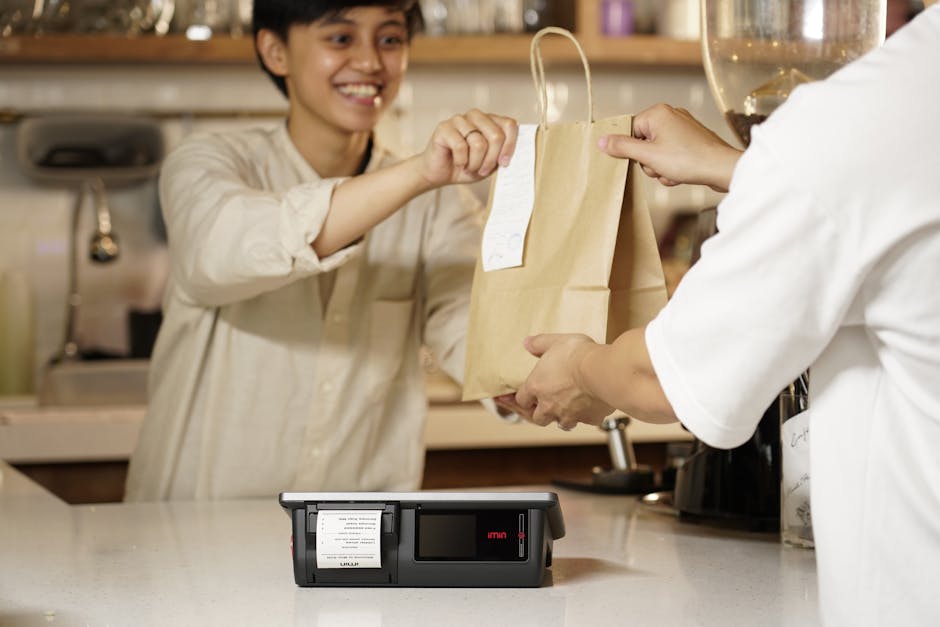
Future of Cashier Recruitment GCC
The Digital Transformation Reshaping GCC Hospitality
Firstly, the GCC hospitality sector is embracing digitalization at an unprecedented pace. Governments are actively promoting smart city initiatives and cashless economies. For example, Saudi Arabia’s Vision 2030 and the UAE’s Smart Dubai strategy prioritize technological adoption. This shift directly impacts point-of-sale (POS) systems and payment processing. Therefore, the role of a cashier is expanding beyond simple transactions. Modern cashiers now interact with complex cloud-based POS software and digital payment gateways. This evolution demands a new approach to cashier recruitment in the hospitality sector.
Saudi Vision 2030 outlines this digital focus.
Automation’s Impact on Cashier Roles and Recruitment
Automation is undoubtedly transforming frontline roles. Self-service kiosks, mobile ordering, and AI-powered checkout systems are becoming commonplace. However, this does not signal the end of human cashiers. Instead, it redefines their value. Recruitment must now target individuals who can manage and troubleshoot technology. Additionally, they must handle exceptions and provide a personalized human touch. The future of GCC hospitality cashier recruitment seeks tech-savvy problem-solvers. These employees enhance rather than are replaced by automation.
Essential Skills for the Modern GCC Hospitality Cashier
The skill set for a cashier has dramatically expanded. Technical proficiency is now as crucial as soft skills.
Key Technical Competencies
- Advanced POS System Operation
- Digital Payment Processing
- Basic Tech Support and Troubleshooting
- Data Security and Compliance Knowledge
Critical Soft Skills
- Enhanced Customer Service and Empathy
- Upselling and Promotion
- Multitasking in a Fast-Paced Environment
- Problem-Solving Under Pressure
This new profile directly influences cashier recruitment strategies in the GCC.
McKinsey & Company analysis supports this skills shift.
Strategic Sourcing for Cashier Talent in the GCC
Finding candidates with this blended skill set requires new methods. Traditional job boards are no longer sufficient. Recruiters must explore digital platforms and social media. They should also partner with hospitality training institutes. These partnerships ensure a pipeline of qualified talent. Moreover, highlighting career growth opportunities is vital. Candidates seek roles with a future. A clear path from cashier to supervisory positions is a powerful attractor. This strategic approach is the future of hospitality recruitment in the GCC.
Our Resources page offers more on strategic sourcing.
Leveraging Technology in the Cashier Hiring Process
Technology is revolutionizing not just the job but also the hiring process. Applicant Tracking Systems (ATS) streamline candidate screening. Video interviewing tools assess communication skills efficiently. Furthermore, AI can help reduce unconscious bias. This creates a more diverse and inclusive workforce. Gamified assessments can also evaluate a candidate’s problem-solving abilities. Adopting these tools is crucial for efficient and effective cashier recruitment in the GCC hospitality sector.
Data-Driven Recruitment for Better Cashier Hiring
Data analytics provides powerful insights for improving hiring outcomes. Metrics like time-to-hire and quality-of-hire are essential. They help refine recruitment strategies and predict success. Additionally, analyzing turnover data can identify issues in the hiring process. For instance, it might reveal a skills gap in new hires. This data-driven approach ensures continuous improvement in GCC cashier recruitment practices.
Harvard Business Review discusses the power of people analytics.
Building a Strong Employer Brand for Cashier Roles
A strong employer brand is a key differentiator in a competitive market. Hospitality businesses must showcase their culture and values. They should highlight training programs and career advancement stories. Positive employee testimonials are incredibly effective. They attract candidates who are a good cultural fit. This reduces turnover and improves retention. Investing in employer branding is essential for attracting top cashier talent.
Contact Us to discuss employer branding strategies.
Conclusion: Embracing the Future of Cashier Recruitment
In conclusion, the future of cashier recruitment in the GCC is dynamic and technology-driven. The role is evolving from transactional to experiential. Success hinges on adapting recruitment strategies to find tech-enabled, customer-centric talent. To summarize, embracing digital tools, data analytics, and a strong employer brand is no longer optional. It is imperative for securing a competitive advantage. Finally, the businesses that innovate their hiring practices will lead the market. Book an Appointment with our experts to future-proof your recruitment strategy today.
Frequently Asked Questions
How is automation changing cashier recruitment in the GCC?
Automation is shifting the focus from manual transaction processing to tech support and customer relationship management. Recruiters now prioritize candidates with digital literacy and problem-solving skills.

What are the most important skills for a cashier in modern GCC hotels?
Beyond numerical skill, proficiency with digital POS systems, understanding digital payments, empathy, and upselling abilities are now critical for success in the role.
Will self-checkout kiosks replace human cashiers in GCC hospitality?
Not entirely. While kiosks handle routine transactions, human cashiers are evolving into hospitality ambassadors who manage technology, handle complex issues, and provide personalized guest experiences.
How can data analytics improve my cashier hiring process?
Analytics can track key metrics like time-to-fill, source quality, and first-year retention rates. This data helps refine job descriptions, identify the best sourcing channels, and predict candidate success.
What is the future of cashier recruitment in the GCC hospitality sector?
The future involves a hybrid approach: using AI for screening, focusing on soft skills and tech aptitude during interviews, and building a strong employer brand to attract talent suited for elevated, tech-augmented roles.