


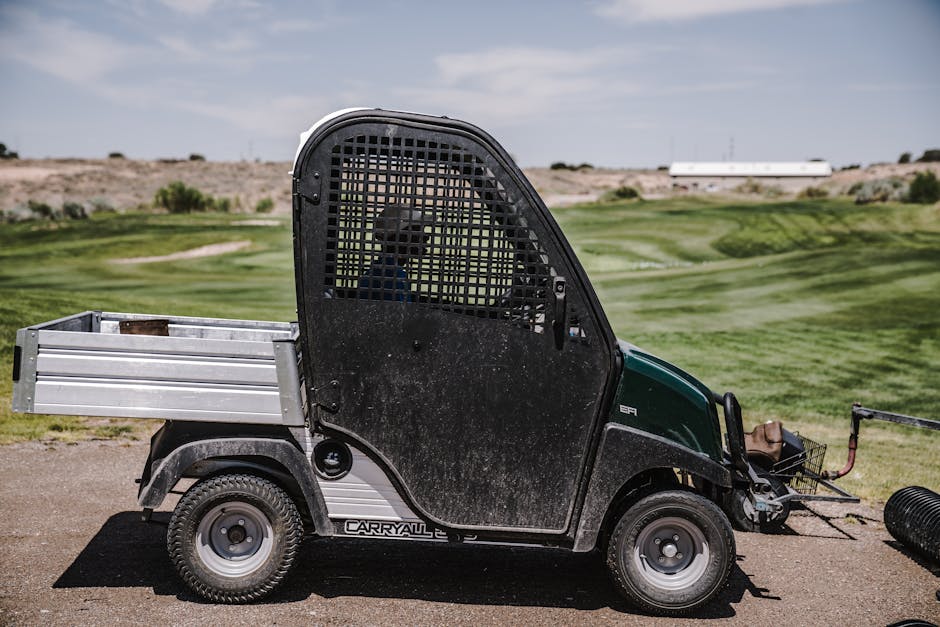
How can GCC employers ensure their premier golf and leisure facilities operate at championship standards year-round? The answer lies in mastering specialized facility management. Golf course FM facility maintenance presents unique challenges in the region’s demanding climate. Furthermore, it requires a blend of agronomic science and hospitality excellence. This guide provides a comprehensive roadmap for success. It covers turf management, clubhouse operations, and strategic staffing solutions for sustainable facility performance.
The GCC’s luxury sports and leisure sector is experiencing significant growth. Consequently, maintaining world-class golf facilities is crucial for tourism and investment appeal. Regional conditions, from intense heat to water conservation mandates, demand specialized approaches. Moreover, integrating sports turf care with five-star guest services creates a complex operational model. Therefore, understanding the full scope of golf course FM is essential for any facility owner or manager in the Gulf.
At Allianze HR Consultancy, we’ve successfully placed 10,000+ professionals across UAE, Saudi Arabia, Qatar, and Kuwait. Furthermore, our 5+ years of GCC expertise supports clients from 50+ countries. Our specialized recruitment division understands the precise skills needed for superior turf management and clubhouse hospitality. Moreover, our Ministry of External Affairs (India) RA license ensures full compliance in all staffing deployments. Therefore, contact our recruitment specialists for expert guidance on building your course maintenance team.
Understanding GCC Sports Facility Management Requirements
Operating a golf facility in the Gulf requires adapting international best practices to local realities. First, the extreme climate imposes severe stress on turfgrass, irrigation systems, and outdoor amenities. Second, water scarcity and conservation regulations dictate agronomic strategies. Third, the expectation for impeccable guest experience in clubhouse facilities remains exceptionally high. Additionally, labor market regulations and sourcing skilled talent present ongoing challenges.
Therefore, a successful facility management plan must be holistic. It integrates environmental stewardship with operational efficiency and financial sustainability. Key focus areas include selecting salt-tolerant grass varieties, implementing smart irrigation technology, and managing high-traffic wear areas. Furthermore, clubhouse operations must seamlessly support both daily play and major tournament events. This requires meticulous planning and a highly trained, multi-disciplinary team.
- Climate-Adaptive Agronomy: Implementing heat and salinity-resistant turf programs.
- Resource Management: Optimizing water usage with advanced sensor-based irrigation.
- Tournament Readiness: Developing protocols for rapid course recovery and presentation.
- Integrated Pest Management: Utilizing eco-friendly controls for disease and pests.
- Guest Flow Optimization: Designing clubhouse staffing for peak and off-peak periods.
- Preventive Maintenance: Scheduling for equipment, irrigation, and building systems.
Partnering with knowledgeable recruitment experts ensures access to this niche talent. For deeper insights, explore our professional recruitment resources.
Golf Course FM Facility Maintenance Strategic Overview
A strategic approach to golf course FM facility maintenance transforms reactive tasks into a value-driven operation. This overview connects daily upkeep with long-term asset preservation and guest satisfaction. Initially, define clear performance benchmarks for playing surfaces, equipment reliability, and service delivery. Subsequently, align staffing models and budgets to meet these standards consistently. Moreover, integrate sustainability goals to meet regional environmental mandates and reduce operational costs.
The strategic plan must address both the “green” and “hard” facilities. On the course, focus shifts seasonally between growth periods and stress recovery. Conversely, clubhouse maintenance follows hospitality industry cycles with high guest turnover. Consequently, staffing strategies must be flexible. They should cover specialized agronomists, irrigation technicians, mechanics, and hospitality personnel. Furthermore, investing in staff training on new technologies yields significant returns in efficiency and quality.
- Asset Lifecycle Planning: Extending the longevity of mowers, irrigation pumps, and HVAC systems.
- Performance Metrics: Tracking green speed, turf density, irrigation uniformity, and guest satisfaction scores.
- Staff Skill Matrix: Identifying and bridging competency gaps in the maintenance team.
- Technology Integration: Adopting GIS mapping for turf health and CMMS for work orders.
- Budget Alignment: Allocating resources proactively for capital projects and seasonal demands.
- Stakeholder Communication: Reporting key metrics to ownership and membership effectively.
Understanding these strategic layers is the first step. For more on industry standards, refer to the International Facility Management Association.
Legal Framework and Compliance Standards
Navigating the GCC’s legal landscape is critical for facility operators. Compliance spans labor law, environmental regulations, and health and safety codes. First, ensure all staffing contracts adhere to local Ministry of Labor requirements. This includes wages, working hours, and accommodation standards. Second, environmental agencies regulate water usage, pesticide application, and waste management on the course. Third, clubhouse facilities must meet stringent health, safety, and food hygiene regulations.
Non-compliance risks severe penalties, operational shutdowns, and reputational damage. Therefore, a proactive compliance program is non-negotiable. It begins with thorough documentation of all procedures and staff certifications. Additionally, regular audits of chemical storage, equipment safety, and worker accommodations are essential. Moreover, staying updated on changing regulations, like the UAE’s green building codes or Saudi Arabia’s Vision 2030 sustainability goals, is crucial. Partnering with a recruitment firm well-versed in these matters simplifies compliance.
- Labor Law Adherence: Proper visa sponsorship, contract attestation, and end-of-service benefits.
- Environmental Permits: Securing approvals for water extraction, chemical use, and land modification.
- Occupational Safety: Implementing protocols for equipment operation, chemical handling, and heat stress.
- Food Safety Compliance: Meeting HAACP standards for clubhouse kitchens and beverage carts.
- Insurance Requirements: Maintaining adequate coverage for property, equipment, and liability.
- Documentation Retention: Keeping records of training, incidents, and maintenance logs as required by law.
For authoritative guidance on workplace standards, consult the International Labour Organization.
Golf Course FM Facility Maintenance Best Practices
Implementing proven best practices elevates the quality and efficiency of golf course FM facility maintenance. These practices are distilled from leading courses worldwide and adapted for GCC conditions. Firstly, adopt a daily course inspection routine. This proactive approach identifies issues like dry spots, pest activity, or irrigation leaks early. Secondly, prioritize soil health as the foundation of turf quality. Regular testing and amendment improve water retention and root growth. Thirdly, standardize maintenance procedures for consistency across all shifts and staff.
In the clubhouse, best practices focus on preventive maintenance and guest-centric service. Schedule regular servicing for kitchen equipment, HVAC systems, and audio-visual technology. Furthermore, implement a digital work order system to track requests and resolutions efficiently. Meanwhile, train hospitality staff to anticipate member needs and handle complaints gracefully. Consequently, this integrated approach ensures both the course and facilities deliver a seamless, premium experience. Adopting these methods requires a committed and skilled team.
- Deep-Tine Aeration: Relieving soil compaction to enhance root depth and water infiltration.
- Moisture Sensor Deployment: Using real-time data to guide irrigation scheduling precisely.
- Equipment Calibration: Ensuring mowers and sprayers are set correctly for optimal results.
- PM Scheduling: Creating and adhering to a computerized maintenance calendar for all assets.
- Energy Audits: Identifying savings in clubhouse lighting, cooling, and water heating.
- Staff Cross-Training: Developing versatile teams capable of supporting multiple facility areas.
For insights into sustainable operations, review UAE green building regulations.
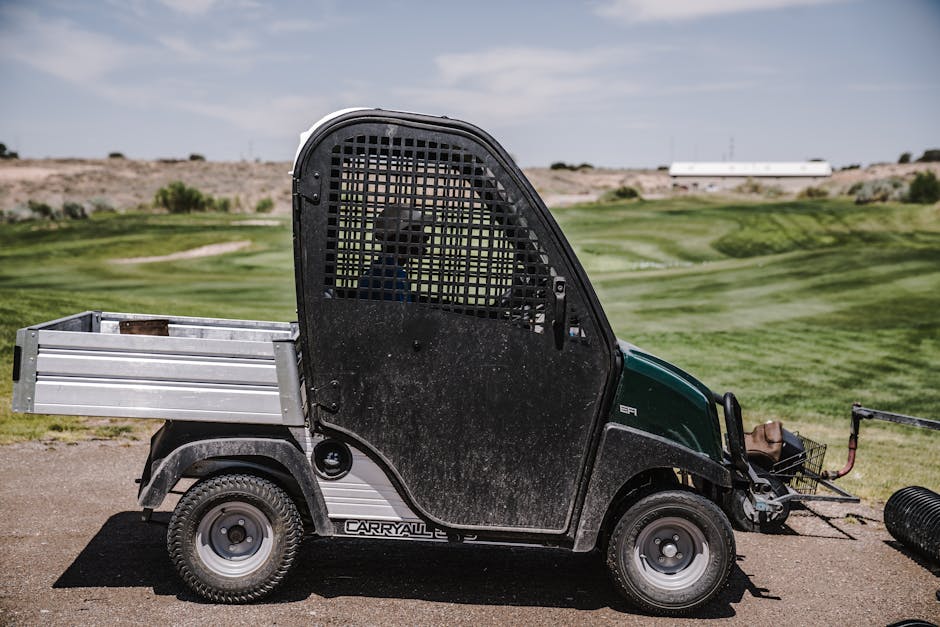
Documentation and Processing Steps for Staffing
Effective staffing for a golf facility hinges on meticulous documentation and process management. The journey begins with a detailed manpower plan. This document outlines required positions, from Head Greenkeeper to Clubhouse Steward, with specific skill sets. Next, initiate the recruitment and selection process, which includes screening, interviewing, and skills assessment. Subsequently, the onboarding phase involves contract issuance, visa processing, medical screening, and attestation. Each step requires accurate paperwork to ensure legal compliance and smooth deployment.
Common documents include attested educational certificates, experience letters, passport copies, and photographs. Additionally, employment contracts must be drafted in accordance with GCC country-specific templates. Moreover, the visa application process involves multiple government portals and potential biometric appointments. Therefore, establishing a clear checklist and timeline prevents delays. Furthermore, maintaining organized digital records for each employee facilitates future renewals or exit procedures. A streamlined process is vital for acquiring top talent in a competitive market.
- Manpower Requisition Form: Specifying job title, qualifications, experience, and expected start date.
- Candidate Evaluation Matrix: Objectively scoring applicants on technical and soft skills.
- Offer Letter & Contract: Detailing salary, benefits, duties, and probationary terms clearly.
- Visa Application Pack: Compiling all forms, photos, and supporting documents as per embassy guidelines.
- Pre-Departure Briefing: Providing new hires with information on accommodation, culture, and policies.
- Onboarding Checklist: Ensuring all steps from airport pickup to safety induction are completed.
To understand regional labor dynamics, see the World Bank urban development reports.
Golf Course FM Facility Maintenance Implementation Timeline
Developing a realistic timeline is crucial for successful golf course FM facility maintenance program rollout. A typical implementation spans several months, from planning to full operational capability. Month one focuses on assessment and planning, including audits and staffing plans. Months two and three involve recruitment, selection, and visa processing for key personnel. Meanwhile, initial preventive maintenance schedules and procurement plans are finalized. Months four and five see the arrival of core staff, intensive onboarding, and the launch of new maintenance protocols.
By month six, the team should be executing daily routines independently. Subsequently, months seven through twelve focus on refinement, data collection, and addressing seasonal challenges. Furthermore, this timeline must account for GCC-specific delays, such as government processing times during holidays. Therefore, building buffer periods into each phase is prudent. Moreover, a phased approach allows for adjustments based on initial results. Consequently, setting clear milestones for each quarter ensures the project stays on track and delivers measurable improvements.
- Weeks 1-4: Facility audit, SOP development, and job description finalization.
- Weeks 5-12: Recruitment campaign, interviews, and offer acceptance for lead roles.
- Weeks 13-18: Visa processing, medical checks, and contract attestation for new hires.
- Weeks 19-22: Staff arrival, orientation, and shadow training with existing teams.
- Weeks 23-26: Full implementation of new maintenance schedules and quality checks.
- Months 7-12: Performance review, protocol adjustment, and advanced team training.
To schedule consultation appointment for timeline planning, contact our team.
Common Challenges and Proactive Solutions
Golf facility managers in the GCC face several predictable challenges. First, sourcing and retaining staff with niche agronomic and hospitality skills is difficult. Second, the high cost and limited availability of quality water resources constrain operations. Third, equipment breakdowns in harsh conditions can disrupt maintenance schedules. Fourth, achieving consistent service quality across diverse team members requires strong leadership. Finally, balancing member expectations with sustainable practices often creates tension.
Proactive solutions mitigate these issues effectively. To address staffing, develop relationships with specialized recruitment agencies and invest in continuous training. For water management, invest in soil moisture sensors and consider using treated effluent where permitted. Regarding equipment, implement a rigorous preventive maintenance program and keep a critical spares inventory. For service consistency, create detailed standard operating procedures and empower supervisors. To manage expectations, communicate sustainability efforts transparently to members. Consequently, anticipating these challenges allows for resilient operations.
- Skill Shortages: Solution: Partner with global agronomy programs and offer competitive upskilling.
- Water Scarcity: Solution: Implement subsurface drip irrigation and drought-tolerant grassing.
- Equipment Downtime: Solution: Use telematics for predictive maintenance and train in-house mechanics.
- Cultural & Language Barriers: Solution: Provide language training and foster inclusive team-building activities.
- Budget Pressures: Solution: Demonstrate ROI of preventive maintenance through extended asset life.
- Pest Resistance: Solution: Rotate chemical families and promote biological control agents.
For health and safety guidance, the World Health Organization provides valuable resources.
Expert Recommendations for Long-Term Success
Sustaining a championship-level facility requires looking beyond daily tasks. Our expert recommendations focus on long-term vision and continuous improvement. First, cultivate a culture of ownership and pride among your staff. Recognize excellence and provide clear career progression paths. Second, embrace data-driven decision-making. Invest in tools to monitor turf health, equipment runtime, and energy consumption. Third, build strong relationships with local authorities, suppliers, and the community. This network provides support during challenges and opportunities for collaboration.
Additionally, commit to ongoing education for your leadership team. Attend regional and international turf and facility management conferences. Furthermore, regularly benchmark your course against regional peers through agronomic visits or third-party audits. Moreover, develop a comprehensive succession plan for key technical and managerial roles. Finally, always align facility operations with the broader business goals of the club or development. Therefore, the facility becomes a strategic asset driving revenue and reputation, not just a cost center.
- Leadership Development: Invest in training for supervisors in communication and people management.
- Technology Roadmap: Plan 3-5 year upgrades for irrigation control, fleet management, and guest apps.
- Sustainability Reporting: Track and report on water, energy, and chemical usage reductions annually.
- Member Engagement: Create transparency through regular course updates and behind-the-scenes tours.
- Partnership Strategy: Forge alliances with turf universities, environmental NGOs, and tourism bodies.
- Risk Management Plan: Prepare detailed responses for scenarios like pest outbreaks or major equipment failure.
Frequently Asked Questions About Golf Course FM Facility Maintenance
What is the typical timeline for golf course FM facility maintenance staffing?
The complete staffing timeline typically ranges from 12 to 20 weeks. This period covers recruitment, visa processing, and onboarding for specialized roles. Furthermore, sourcing niche talent like certified agronomists may extend the search phase. Therefore, consult our specialists early for accurate planning.
What are the key skills needed for turf management in the GCC?
Essential skills include knowledge of warm-season grasses, salinity management, smart irrigation systems, and integrated pest management. Additionally, experience with specific equipment like fairway mowers and aerifiers is crucial. Moreover, adaptability to extreme heat and understanding local water regulations are mandatory.
How can I reduce water consumption on my course sustainably?
Implement soil moisture sensors, convert to low-water-use grass varieties, and optimize irrigation schedules for night-time application. Additionally, consider using treated sewage effluent (TSE) where approved. Furthermore, regular aeration improves water infiltration, reducing runoff and waste significantly.