


Are you confident your facility’s special waste handling meets stringent Gulf Cooperation Council regulations? Furthermore, improper management of hazardous materials poses severe environmental, legal, and financial risks. Consequently, understanding hazardous waste disposal protocols is non-negotiable for operational continuity. This comprehensive guide details essential facility special waste handling and regulatory compliance frameworks.
GCC nations enforce rigorous environmental protection laws. Additionally, industries like construction, manufacturing, healthcare, and oil and gas generate significant hazardous byproducts. Therefore, employers must implement robust waste management systems. Moreover, non-compliance results in substantial fines, operational shutdowns, and reputational damage. Proper protocols safeguard your workforce, community, and business license.
At Allianze HR Consultancy, we’ve successfully placed 10,000+ professionals across UAE, Saudi Arabia, Qatar, and Kuwait. Furthermore, our 5+ years of GCC expertise supports clients from 50+ countries. Moreover, our Ministry of External Affairs (India) RA license ensures compliance. Therefore, contact our recruitment specialists for expert guidance on staffing your environmental health and safety teams.
Understanding GCC Hazardous Waste Regulatory Requirements
GCC countries have developed sophisticated regulatory frameworks for hazardous materials. For example, the UAE’s Federal Law No. 24 of 1999 and Saudi Arabia’s Environmental Law provide foundational rules. Additionally, each Emirate and Kingdom implements specific executive regulations. Consequently, businesses must navigate both federal and local mandates. Moreover, standards often align with international benchmarks from the International Labour Organization.
Hazardous waste classification is the critical first step. Typically, materials are categorized by their inherent dangers. Common classifications include ignitable, corrosive, reactive, and toxic wastes. Furthermore, special waste streams like medical, electronic, or industrial sludge have separate rules. Therefore, accurate identification prevents mis-handling violations. Employers should consult the World Health Organization for health-impact guidance.
- Ignitable Wastes: Flash point below 60°C, including solvents and fuels.
- Corrosive Wastes: pH less than 2 or greater than 12.5, like acids and alkalis.
- Reactive Wastes: Unstable materials prone to explosion or toxic fumes.
- Toxic Wastes: Contain heavy metals, pesticides, or other poisonous substances.
- Special Streams: Medical, radioactive, construction debris, and electronic waste (e-waste).
Documentation and tracking are mandatory across the GCC. Specifically, waste manifests must accompany every shipment from generator to treatment facility. Additionally, annual reports to environmental agencies are required. Moreover, record-keeping periods often extend to five years or more. Consequently, digital tracking systems enhance accuracy and audit readiness.
Hazardous Waste Disposal Protocols Strategic Overview
Implementing effective hazardous waste disposal protocols requires a systematic, strategic approach. First, conduct a comprehensive waste audit across all facility operations. This audit identifies generation points, volumes, and material types. Furthermore, it establishes a baseline for reduction goals. Therefore, strategic planning begins with accurate data collection. Additionally, consider professional recruitment resources to find qualified environmental officers.
A robust protocol integrates the waste management hierarchy. Priority one is waste minimization at the source. Subsequently, explore recycling and treatment options. Finally, ensure safe disposal for non-recoverable residues. Moreover, employee training is a cornerstone of any strategy. Specifically, staff must recognize hazards and follow handling procedures. Consequently, regular drills and certification programs maintain preparedness.
- Waste Audit & Characterization: Map all waste streams and quantify generation rates.
- Source Reduction: Implement process changes to minimize waste creation.
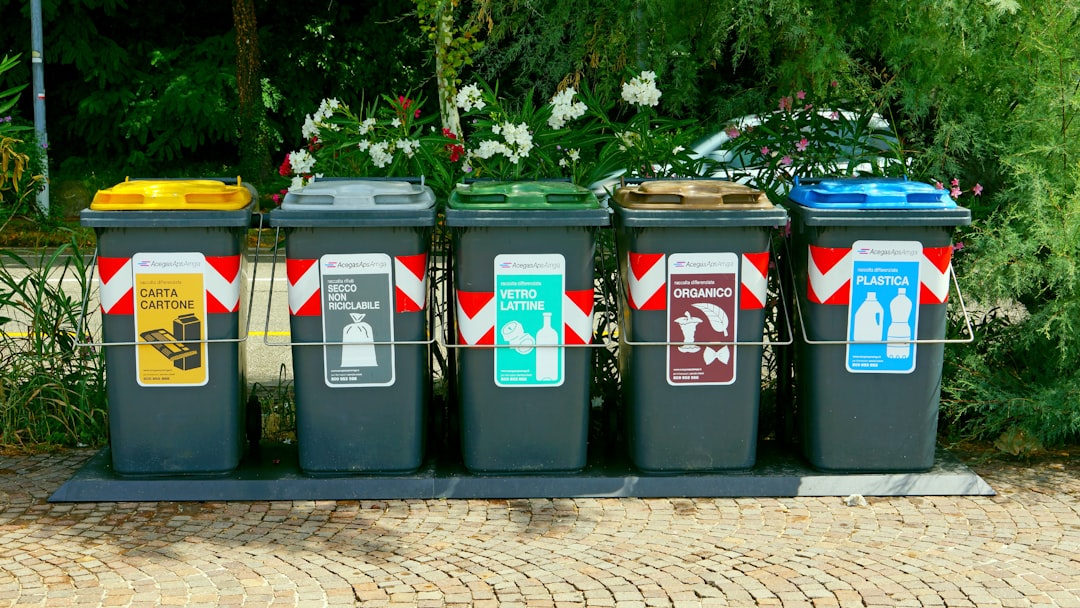
- Segregation & Labeling: Use color-coded, UN-compliant containers at generation points.
- Storage Standards: Designate secure, ventilated, and contained storage areas.
- Transportation Compliance: Use licensed carriers with proper manifests and emergency kits.
- Treatment & Disposal: Select licensed facilities for recycling, incineration, or secure landfill.
Technology plays an increasing role in protocol management. For instance, digital waste tracking software ensures manifest accuracy. Additionally, IoT sensors can monitor storage conditions for leaks or temperature changes. Moreover, geographic information systems (GIS) help plan efficient collection routes. Therefore, investing in smart systems improves compliance and operational efficiency.
Legal Framework and Compliance Standards
Navigating the GCC’s legal landscape demands careful attention. Each country’s environmental agency sets enforceable standards. For example, the UAE has the Environment Agency – Abu Dhabi (EAD) and Dubai Municipality. Similarly, Saudi Arabia’s Presidency of Meteorology and Environment (PME) holds authority. Furthermore, free zones often impose additional requirements. Consequently, legal compliance is multi-layered and dynamic. Refer to the UAE government portal for official updates.
Permitting is a fundamental legal requirement. Facilities generating hazardous waste typically need an operational permit. Additionally, any modification to processes or waste volume requires permit amendment. Moreover, transporting waste requires a separate license for the carrier. Therefore, maintaining valid permits is essential for legal operation. Non-compliance can lead to permit revocation.
Liability extends beyond immediate disposal. Specifically, generator liability often follows the waste “cradle-to-grave.” This means the original waste generator remains responsible even after transfer. Furthermore, improper treatment by a downstream contractor can create liability for the generator. Consequently, due diligence in selecting disposal partners is critical. Auditing contractor licenses and facilities mitigates this risk.
- Generator Registration: Mandatory registration with the national environmental authority.
- Waste Manifest System: Triplicate forms tracking waste from origin to final destination.
- Annual Reporting: Submission of detailed waste generation, handling, and disposal data.
- Emergency Response Plans: Site-specific plans for spills, fires, or exposures, filed with local agencies.
- Financial Assurance: Proof of funds for potential cleanup costs, often via insurance or bonds.
Hazardous Waste Disposal Protocols Best Practices
Adopting industry best practices transforms compliance from an obligation into an advantage. First, establish a clear chain of responsibility within your organization. Appoint a dedicated Environmental Health and Safety (EHS) officer. Furthermore, form a cross-functional waste management committee. Therefore, accountability is distributed and visible. Additionally, integrate waste management goals into corporate sustainability reports.
Training programs must be continuous and competency-based. Initial training should cover hazard identification, proper use of personal protective equipment (PPE), and emergency procedures. Moreover, refresher courses should occur annually or after any incident. Consequently, a well-trained workforce is your first line of defense. The International Labour Organization standards offer excellent training frameworks.
Waste minimization is the most sustainable and cost-effective practice. Implement lean manufacturing principles to reduce raw material use. Furthermore, explore chemical substitution, replacing hazardous materials with safer alternatives. Additionally, invest in on-site treatment technologies like neutralization units. Therefore, you reduce disposal costs and regulatory burden simultaneously.
- Personal Protective Equipment (PPE): Mandate chemical-resistant gloves, goggles, aprons, and respirators as needed.
- Secondary Containment: Use spill pallets and berms around storage areas to contain leaks.
- Clear Signage: Post hazard symbols, handling instructions, and emergency contacts prominently.
- Regular Inspections: Schedule weekly checks of storage containers, labels, and containment systems.
- Vendor Audits: Annually audit disposal contractors for compliance with their permits and your standards.
- Community Engagement: Communicate your safe practices to neighboring businesses and residents.
Documentation and Processing Steps
Meticulous documentation is the backbone of demonstrable compliance. The process begins with waste identification and classification. Create a detailed waste profile sheet for each stream. This sheet lists chemical components, physical properties, and hazard codes. Furthermore, it determines the appropriate disposal pathway. Therefore, accurate profiling prevents costly missteps. Moreover, this document travels with the waste throughout its journey.
The waste manifest is the primary tracking document. It must include generator details, transporter information, and disposal facility data. Additionally, it lists waste codes, quantities, and handling instructions. Consequently, every party in the chain signs and retains a copy. Finally, the disposal facility returns a signed copy to the generator, closing the loop. This “cradle-to-grave” paperwork is essential for audits.
Internal processing steps ensure consistency and safety. First, trained personnel segregate wastes at the point of generation. Next, they place materials in correctly labeled, compatible containers. Subsequently, sealed containers move to the designated secure storage area. Meanwhile, the EHS officer prepares the manifest and schedules pickup with a licensed transporter. Finally, post-disposal, all documents are archived in the compliance file.
- Step 1: Profiling & Classification – Complete waste profile sheet using safety data sheets (SDS).
- Step 2: Segregation & Packaging – Use UN-rated containers; never mix incompatible wastes.
- Step 3: Labeling – Apply labels with waste name, hazard symbols, accumulation start date.
- Step 4: Secure Storage – Store in a locked, inspected area with spill containment.
- Step 5: Manifest Preparation – Complete all sections of the official tracking document.
- Step 6: Licensed Transport – Verify carrier license and provide emergency response info.
- Step 7: Final Disposal – Ensure waste reaches a permitted treatment, storage, and disposal facility (TSDF).
- Step 8: Record Archiving – File returned manifests and certificates of disposal for the mandated period.
Hazardous Waste Disposal Protocols Implementation Timeline
Rolling out new hazardous waste disposal protocols requires careful phased planning. The entire process typically spans three to six months for a mid-sized facility. First, month one focuses on assessment and planning. Conduct the initial waste audit and gap analysis. Furthermore, research local regulatory requirements in detail. Therefore, the foundation is built on accurate information. Additionally, schedule a consultation appointment for staffing support.
Months two and three involve system development and procurement. Draft written procedures and emergency response plans. Moreover, source compliant containers, PPE, and signage. Simultaneously, begin the process of selecting and vetting licensed disposal contractors. Consequently, physical and procedural resources align. Employee training curriculum development should also occur in this phase.
The final phase, months four to six, centers on execution and integration. Roll out training sessions to all relevant staff. Furthermore, implement the new segregation, storage, and documentation systems on a pilot basis. Subsequently, conduct a mock audit to identify remaining gaps. Finally, officially launch the protocol and begin full-scale operation with continuous monitoring for improvement.
- Weeks 1-4 (Assessment): Audit, regulatory review, and committee formation.
- Weeks 5-8 (Planning): Develop procedures, design storage, and create training materials.
- Weeks 9-12 (Procurement): Purchase equipment, finalize contractor agreements.
- Weeks 13-16 (Training): Conduct management and staff training sessions.
- Weeks 17-20 (Pilot): Implement protocol in one department; adjust based on feedback.
- Weeks 21-24 (Launch): Full facility rollout, followed by internal audit and management review.
Common Challenges and Solutions
Facilities across the GCC encounter similar hurdles in special waste management. A frequent challenge is employee turnover and inconsistent training. New hires may lack awareness of established protocols. Furthermore, language barriers can complicate instruction. Therefore, implement multi-lingual visual training aids and standardized onboarding checklists. Moreover, regular “toolbox talks” reinforce key messages. The World Bank’s development insights often highlight workforce training importance.
Regulatory ambiguity presents another significant challenge. Sometimes, regulations are updated or interpreted differently by inspectors. Additionally, coordinating between multiple authorities can be confusing. Consequently, proactive engagement is the best solution. Regularly attend industry seminars hosted by environmental agencies. Furthermore, consider hiring a local compliance consultant for interpretation. Building a positive relationship with regulators also helps.
Cost management is a persistent concern. Licensed disposal services, especially for complex wastes, are expensive. Moreover, investing in on-site treatment technology requires capital. Therefore, a strong business case focusing on waste minimization is crucial. Demonstrate how source reduction lowers long-term disposal costs. Additionally, explore shared-service agreements with neighboring facilities for collective bargaining with disposal contractors.
- Challenge: High disposal costs for specialized waste streams.
- Solution: Aggressive waste minimization and vendor contract renegotiation.
- Challenge: Maintaining accurate, up-to-date documentation.
- Solution: Implement a digital waste management software system.
- Challenge: Emergency preparedness for spills or incidents.
- Solution: Conduct bi-annual full-scale drills with local emergency services.
- Challenge: Ensuring contractor compliance and performance.
- Solution: Include strict performance clauses and audit rights in service contracts.
Expert Recommendations for Success
To achieve excellence in hazardous waste management, go beyond minimum compliance. First, cultivate a strong safety culture where every employee feels responsible. Leadership must visibly champion EHS initiatives. Furthermore, recognize and reward teams for identifying hazards or suggesting improvements. Therefore, safety becomes a shared value, not just a rulebook. This cultural foundation supports all technical protocols.
Leverage technology for accuracy and efficiency. Implement a cloud-based compliance management platform. This platform can track waste inventories, generate manifests, and send permit renewal alerts. Moreover, it creates an auditable digital trail. Consequently, you save administrative time and reduce human error. Additionally, data analytics can reveal trends for continuous improvement in waste reduction.
Build strategic partnerships with your supply chain. Engage your raw material suppliers to reduce packaging waste or take back containers. Furthermore, collaborate with your disposal vendor on waste characterization to find recycling opportunities. Therefore, you create a circular economy approach. This proactive stance enhances sustainability and can generate positive public relations. Consult the International Facility Management Association for industry benchmarks.
Finally, commit to continuous education and improvement. The regulatory and technological landscape evolves constantly. Subscribe to industry publications and GCC environmental agency newsletters. Moreover, send your EHS staff to relevant certification courses annually. Consequently, your facility remains at the forefront of best practices, turning environmental management into a competitive advantage.
Frequently Asked Questions About Hazardous Waste Disposal Protocols
What is the primary goal of hazardous waste disposal protocols?
The primary goal is to protect human health and the environment from dangerous materials. Furthermore, these protocols ensure full regulatory compliance with GCC laws. Additionally, they minimize legal and financial risks for the facility. Therefore, a systematic approach to special waste handling is essential for responsible operations.