


Are your construction sites effectively protecting workers from irreversible hearing damage? Furthermore, the GCC’s booming infrastructure sector exposes thousands to hazardous noise daily. Consequently, implementing robust hearing conservation programs is not just a safety measure but a critical legal and ethical responsibility. This guide details mandatory hearing protection construction noise protocols for regional employers. Moreover, it covers specifications, regulations, and best practices to ensure workforce safety and compliance.
Construction activities generate intense noise from machinery, tools, and processes. Specifically, prolonged exposure above 85 decibels (dB) causes permanent hearing loss. Additionally, GCC nations like UAE, Saudi Arabia, and Qatar enforce strict occupational health standards. Therefore, employers must understand and apply these regulations. Failure to do so results in significant penalties and compromised worker welfare.
At Allianze HR Consultancy, we’ve successfully placed 10,000+ professionals across UAE, Saudi Arabia, Qatar, and Kuwait. Furthermore, our 5+ years of GCC expertise supports clients from 50+ countries. Moreover, our Ministry of External Affairs (India) RA license ensures compliance. Therefore, contact our recruitment specialists for expert guidance on building safer, compliant workforces.
Understanding GCC Occupational Noise Hazards
Construction sites are among the noisiest work environments globally. Common sources include jackhammers, excavators, circular saws, and demolition work. These tools often exceed 100 dB. Subsequently, unprotected exposure for even short periods risks acoustic trauma.
GCC labor laws align with international standards from bodies like the International Labour Organization. Specifically, they mandate employer action when noise reaches 85 dB averaged over 8 hours. Employers must conduct regular risk assessments. Additionally, they must monitor noise levels using certified equipment.
Noise-induced hearing loss is cumulative and irreversible. Early signs include tinnitus (ringing in ears) and difficulty hearing conversations. Unfortunately, many workers dismiss these symptoms. Consequently, proactive protection and education are vital. Employers must prioritize hearing conservation as part of holistic worker welfare.
- Common high-noise tools: Concrete breakers (110-120 dB), angle grinders (95-105 dB), bulldozers (90-100 dB).
- Mandatory action level: 85 dB time-weighted average (TWA) triggers hearing protection requirements.
- Exposure limit: Typically 90 dB TWA as per GCC adoption of international limits.
- Monitoring frequency: Semi-annual assessments in variable environments, quarterly in consistently high-noise sites.
Hearing Protection Construction Noise Strategic Overview
A strategic approach to hearing protection construction noise management involves more than distributing earplugs. First, employers must implement a Hearing Conservation Program (HCP). This program includes noise monitoring, control, protection, training, and health surveillance. Moreover, it requires documented policies and assigned responsibilities.
Engineering and administrative controls are the first line of defense. For example, enclosing noisy machinery or scheduling loud tasks for limited shifts reduces exposure. When controls cannot lower noise sufficiently, personal protective equipment (PPE) becomes mandatory. Therefore, PPE is a critical last layer of protection.
Selecting appropriate protection depends on the Noise Reduction Rating (NRR). This rating indicates the device’s potential to reduce noise exposure in decibels. However, real-world effectiveness is often lower. Consequently, employers must choose devices with adequate NRR for their specific noise environment. Proper fit and consistent use are equally crucial.
- Program pillars: Monitoring, control methods, PPE provision, employee training, audiometric testing.
- Hierarchy of controls: Eliminate source, engineer controls, administrative changes, then PPE.
- NRR selection: Choose devices with an NRR that reduces worker exposure below 85 dB TWA.
- Record keeping: Maintain logs of noise surveys, PPE issuance, training, and hearing tests.
Legal Framework and Compliance Standards
GCC countries enforce occupational safety through ministries of labor and human resources. For instance, UAE’s Ministerial Resolution No. 501/2022 outlines comprehensive workplace risk prevention. Similarly, Saudi Arabia’s Ministry of Labor and Social Development mandates safety standards under the Labor Law. Non-compliance leads to fines, work stoppages, and potential litigation.
International references like OSHA construction industry standards heavily influence local regulations. These standards require feasible engineering controls first. Subsequently, they mandate free provision of suitable hearing protectors. Employers must also ensure workers use them correctly in all designated areas.
Documentation proves compliance during inspections. Required records include noise assessment certificates, PPE procurement invoices, training attendance sheets, and audiometric test results. Furthermore, these documents must be readily available. Regular audits ensure ongoing adherence to evolving standards.
- Key regulation: UAE’s Occupational Safety and Health System (OSHAD-SF), Qatar’s Workers’ Welfare Standards.
- Employer duties: Provide free PPE, enforce its use, offer training, conduct health surveillance.
- Worker rights: Right to a safe workplace, training in understandable language, and access to medical records.
- Penalties: Fines scaling with violation severity and number of workers affected; possible project suspension.
Hearing Protection Construction Noise Best Practices
Implementing hearing protection construction noise best practices maximizes effectiveness. First, conduct a site-specific noise survey to map hazard zones. Clearly mark these “Hearing Protection Required” areas with signage. Additionally, provide a variety of protector types to accommodate worker comfort and preference, boosting compliance.
Training is non-negotiable. Workers must understand the risks of noise exposure. They also need practical training on inserting earplugs correctly or fitting earmuffs. Furthermore, supervisors require training to enforce usage consistently. Training should be repeated annually and for all new hires.
Audiometric testing establishes a baseline hearing level for each worker. Subsequently, annual tests monitor for any threshold shifts indicating hearing loss. This medical surveillance, guided by World Health Organization workplace standards, enables early intervention. Moreover, it validates the effectiveness of your conservation program.
- Zone marking: Use universal pictogram signs at all entries to high-noise areas.
- Fit testing: Conduct individual fit checks for earplugs to ensure proper sealing.
- Training topics: Noise hazards, PPE selection, proper use, care, maintenance, and hearing test purposes.
- Health surveillance: Baseline audiogram within 30 days of hire, followed by annual tests.
Earplug and Earmuff Specifications and Selection
Choosing between earplugs and earmuffs depends on the environment, worker comfort, and required protection. Disposable foam earplugs offer high NRR (often 30+) and are cost-effective for large crews. Reusable pre-molded earplugs are suitable for less dirty environments. Alternatively, earmuffs are easier to fit correctly and convenient for intermittent noise exposure.
Key specifications include the NRR, material, and hygiene considerations. For hot GCC climates, earmuffs with moisture-wicking cushions improve comfort. Similarly, banded earplugs are useful for workers moving in and out of noise zones. Always select products meeting relevant standards like ANSI S3.19 or CE EN 352.
Employers should offer choices. Some workers find earplugs uncomfortable. Others may need compatibility with other PPE like hard hats or safety glasses. Therefore, procuring a range of options from reliable suppliers is a best practice. Consult our professional recruitment resources for vetted safety equipment partners.
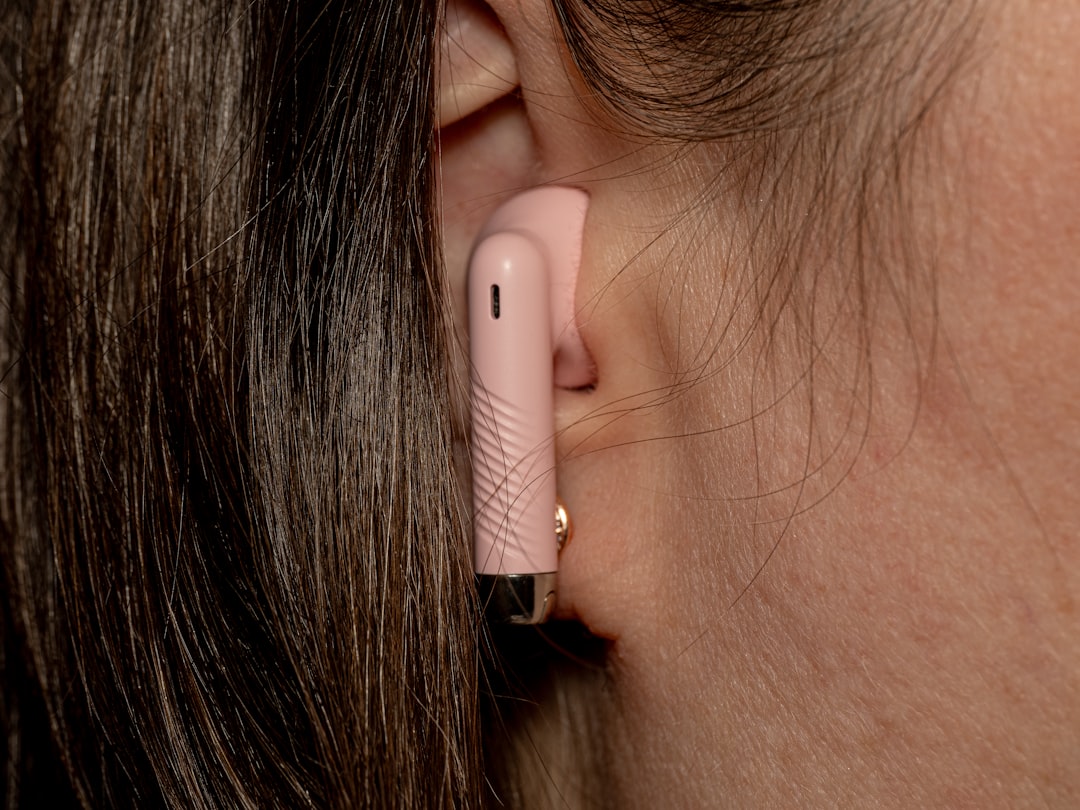
- Earplug types: Disposable foam, reusable silicone, pre-molded, custom-molded.
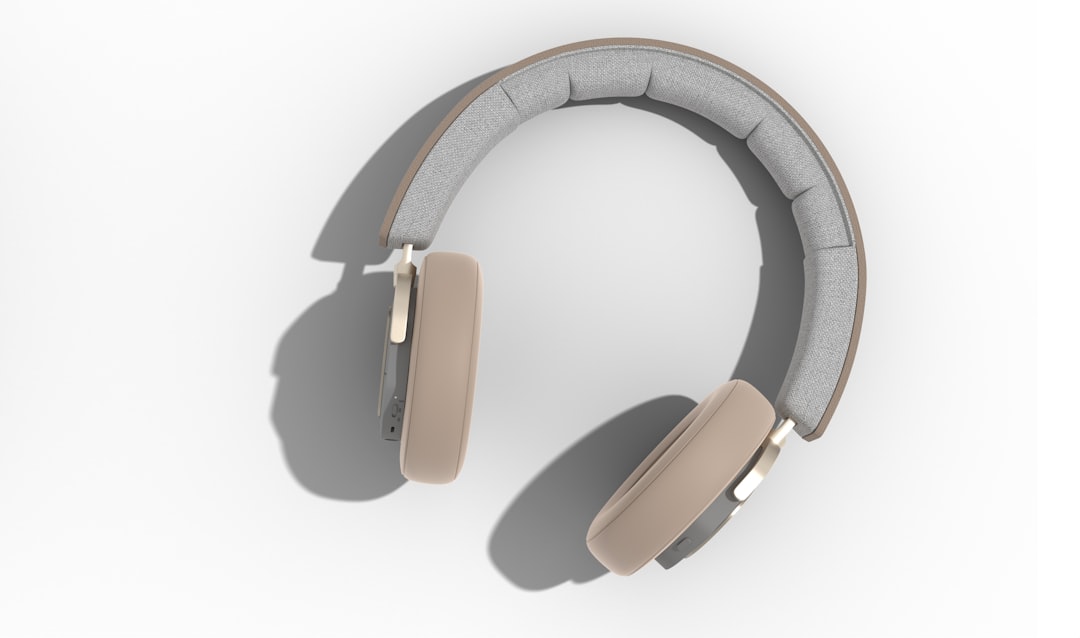
- Earmuff features: Padded cups, adjustable headbands, compatibility with other PPE.
- NRR range: Foam plugs (NRR 30-33), earmuffs (NRR 20-31).
- Specialized options: Electronic muffs for communication, level-dependent muffs for intermittent noise.
Hearing Protection Construction Noise Implementation Timeline
Rolling out a comprehensive hearing protection construction noise program requires phased execution. Month one involves policy development and initial noise monitoring. Subsequently, months two and three focus on procuring PPE and designing training materials. Finally, months four and five see full deployment, training, and baseline audiometric testing.
Immediate actions include identifying high-risk teams and providing temporary protection. Meanwhile, long-term strategies involve investing in quieter equipment and engineering controls. Regular program reviews every six months are essential. These reviews assess incident reports, compliance audits, and hearing test results.
Integration with other safety systems is crucial. For example, link hearing protection protocols with permit-to-work systems for high-noise tasks. Moreover, include noise safety in daily toolbox talks. This continuous reinforcement embeds a culture of hearing conservation on site.
- Phase 1 (Weeks 1-4): Risk assessment, policy drafting, and initial worker communication.
- Phase 2 (Months 2-3): PPE procurement, trainer identification, and detailed planning.
- Phase 3 (Months 4-5): Full training rollout, PPE distribution, and baseline hearing tests.
- Ongoing: Annual refresher training, quarterly supervisor audits, and biannual noise re-assessment.
Common Challenges and Practical Solutions
Worker non-compliance is a primary challenge. Many find protectors uncomfortable or believe they hinder communication. Solution: Involve workers in selection trials. Furthermore, provide clear training on long-term risks. Supervisors must lead by example, consistently wearing protection themselves.
Another issue is maintaining hygiene for reusable devices. Provide cleaning stations and individual storage. Additionally, supply sufficient disposable plugs to prevent sharing. In extreme heat, comfort decreases. Therefore, offer frequent breaks in quiet areas and consider cooling bands for earmuff users.
Ensuring protection for multi-lingual workforces is also critical. Use visual training aids and pictograms. Moreover, employ bilingual safety officers. Partnering with a recruitment firm like Allianze ensures workers arrive with foundational safety awareness. World Bank infrastructure development reports emphasize the link between skilled, safe labor and project success.
- Challenge: Discomfort in heat. Solution: Provide sweatbands, rotate earmuff use with plugs, increase break frequency.
- Challenge: Communication difficulty. Solution: Use electronic hearing protectors with microphones for critical tasks.
- Challenge: Lost or damaged PPE. Solution: Establish easy-access replenishment stations on site.
- Challenge: Diverse workforce. Solution: Multi-language training materials and hands-on demonstration sessions.
Expert Recommendations for Program Success
Leadership commitment is the most critical success factor. Management must allocate budget for quality PPE, training, and health surveillance. Additionally, they must visibly champion the program. Integrate hearing conservation metrics into managerial performance reviews.
Leverage technology for efficiency. Use noise monitoring apps for preliminary screenings. Furthermore, digital platforms can manage training records and audiogram data. This simplifies compliance reporting during audits. Regularly benchmark your program against UAE construction sector employment best practices.
Finally, view hearing conservation as an investment, not a cost. Reduced absenteeism, lower insurance premiums, and higher productivity result from a healthier workforce. Moreover, it enhances your reputation as a responsible employer, aiding in talent attraction and retention in a competitive market.
- Recommendation 1: Appoint a dedicated Hearing Conservation Program Administrator.
- Recommendation 2: Implement a “buddy system” for new workers to reinforce proper PPE use.
- Recommendation 3: Recognize and reward teams/departments with excellent compliance records.
- Recommendation 4: Partner with occupational health clinics for efficient, reliable audiometric testing.
Frequently Asked Questions About Hearing Protection Construction Noise
What are the legal requirements for hearing protection construction noise?
GCC regulations mandate protection when noise exceeds 85 dB averaged over 8 hours. Employers must provide free, suitable protectors, enforce their use, and conduct training and annual hearing tests. Furthermore, compliance with local ministerial decrees is mandatory.
How do I choose between earplugs and earmuffs for my site?
Consider noise level, worker comfort, and job tasks. Earmuffs are easier to fit and remove frequently. Conversely, earplugs offer higher protection in extreme noise and are better under hard hats. Moreover, offering a choice often improves compliance rates significantly.
How often should hearing protection equipment be replaced?
Disposable foam earplugs should be discarded after each use. Reusable plugs require replacement when dirty, stiff, or damaged. Similarly, earmuff cushions need replacement every 6-12 months with regular use. Always follow the manufacturer’s guidelines for specific product lifespan.
Can workers with beards wear earmuffs effectively?
Facial hair can break the seal of earmuff cushions, reducing their Noise Reduction Rating. In such cases, properly fitted high-NRR earplugs are a more reliable option. Alternatively, some manufacturers offer earmuffs designed for better sealing over beards.
What is included in a Hearing Conservation Program (HCP)?
A complete HCP includes noise exposure monitoring, engineering/administrative controls, provision of hearing protectors, employee training, audiometric testing, recordkeeping, and program evaluation. Additionally, it requires clear assignment of responsibilities and management leadership.
How can Allianze HR assist with safety compliance for recruited workers?
We source candidates with verified safety training backgrounds. Furthermore, we can facilitate pre-deployment orientation that includes awareness of GCC-specific safety protocols like hearing protection construction noise standards. Schedule a consultation appointment to integrate safety into your recruitment strategy.
Partner with Allianze HR for Hearing Conservation Success
Protecting your construction workforce from noise-induced hearing loss is a multifaceted responsibility. It demands strategic planning, consistent execution, and cultural commitment. From understanding precise decibel levels to selecting the correct earplug NRR, every detail matters. Moreover, navigating the GCC’s regulatory landscape requires localized expertise.
Implementing an effective hearing protection construction noise program safeguards your most valuable asset: your people. Consequently, it minimizes legal risk, reduces compensation claims, and fosters a responsible corporate image. Ultimately, a safe workplace is a productive and sustainable one.