


Are you navigating the complex landscape of pre-employment medical checks for the Gulf region? Furthermore, hepatitis screening pre-employment health protocols are a critical, non-negotiable component. Consequently, understanding these requirements protects your organization and ensures workforce wellbeing. Moreover, this guide provides a strategic framework for compliance and safety.
GCC nations enforce stringent health screening mandates for incoming expatriate workers. Additionally, liver disease testing forms a cornerstone of these medical examinations. Therefore, employers must implement robust procedures. This protects public health and maintains operational continuity. Ultimately, proper screening prevents costly legal and medical complications.
At Allianze HR Consultancy, we’ve successfully placed 10,000+ professionals across UAE, Saudi Arabia, Qatar, and Kuwait. Furthermore, our 5+ years of GCC expertise supports clients from 50+ countries. Moreover, our Ministry of External Affairs (India) RA license ensures compliance. Therefore, contact our recruitment specialists for expert guidance on medical screening and workforce deployment.
Understanding GCC Medical Examination Protocols
Pre-employment medical tests are mandatory across all Gulf Cooperation Council countries. Specifically, these examinations assess fitness for work and screen for communicable diseases. Additionally, the process involves authorized government medical centers. Consequently, employers cannot bypass these official channels.
Common tests include chest X-rays for tuberculosis and blood tests. Furthermore, liver function tests specifically target hepatitis B and C. Therefore, a clear understanding of the World Health Organization workplace standards is essential. This ensures your procedures meet international benchmarks.
- Mandatory testing at government-approved health centers.
- Focus on infectious diseases like hepatitis and tuberculosis.
- Issuance of a medical fitness certificate upon clearance.
- Potential visa denial for candidates with certain health conditions.
- Variations in specific tests between UAE, Saudi Arabia, Qatar, and Kuwait.
- Regular updates to medical screening panels by GCC health ministries.
Employers must budget for these medical examination costs. Moreover, planning for potential candidate rejection is crucial. Subsequently, having backup candidates streamlines recruitment. Finally, partnering with experts minimizes disruption.
Hepatitis Screening Pre-Employment Health Strategic Overview
A strategic approach to hepatitis screening pre-employment health is vital for GCC employers. First, it fulfills legal obligations under local labor and health laws. Second, it safeguards your existing workforce from potential transmission. Third, it demonstrates corporate responsibility and duty of care.
Furthermore, hepatitis B and C are blood-borne and sexually transmitted viruses. They can cause chronic liver disease, including cirrhosis and cancer. Therefore, screening identifies infected individuals before they enter the workforce. This allows for appropriate medical management or, in some cases, visa denial as per regulations.
- Aligns with International Labour Organization standards on worker health.
- Reduces long-term healthcare liabilities for the company.
- Prevents work absenteeism due to advanced liver disease complications.
- Ensures compliance with GCC public health directives.
- Protects company reputation by demonstrating ethical hiring practices.
- Integrates with broader occupational health and safety management systems.
Consequently, viewing this screening as a strategic investment is key. Moreover, it is not merely a bureaucratic hurdle. Instead, it is a core component of sustainable workforce management in the region.
Legal Framework and Compliance Standards
The legal basis for medical testing is robust across the GCC. Each country’s Ministry of Health and Prevention sets the guidelines. Additionally, labor ministries enforce compliance as part of the visa issuance process. Therefore, non-compliance results in visa rejection and potential fines.
For instance, UAE requires screening for hepatitis B and C, HIV, and tuberculosis. Similarly, Saudi Arabia’s Ministry of Labor regulations mandate comprehensive tests. Moreover, Qatar and Kuwait have specific authorized clinics for this purpose. Consequently, employers must use these designated facilities.
- UAE: Testing at government-approved health centers (e.g., DHA, HAAD, MOH).
- Saudi Arabia: Medical exams at accredited centers for Qiwa and visa processing.
- Qatar: Mandatory testing at the Medical Commission for visa issuance.
- Kuwait: Requirements enforced by the Ministry of Health and Public Authority of Manpower.
- Bahrain & Oman: Similar protocols through their respective health ministries.
- Uniform testing for food handlers, healthcare workers, and domestic staff.
Therefore, staying updated on regulatory changes is critical. Furthermore, legal standards evolve with public health priorities. Subsequently, regular consultation with professional recruitment resources ensures ongoing compliance.
Hepatitis Screening Pre-Employment Health Best Practices
Implementing hepatitis screening pre-employment health best practices ensures efficiency and compliance. First, communicate requirements transparently to candidates during the offer stage. This manages expectations and prevents last-minute surprises. Moreover, provide clear instructions on the medical examination process.
Second, work with reliable partners who understand clinic locations and procedures. Additionally, ensure candidates complete tests at the correct, authorized facility. Otherwise, results will be invalid for visa processing. Consequently, this causes significant delays.
- Pre-screen candidates with basic health questionnaires during initial recruitment.
- Guide candidates to authorized medical centers to avoid fraudulent reports.
- Budget for medical test fees, which vary by country and center.
- Establish a clear protocol for handling positive test results confidentially.
- Train HR staff on the ethical and legal aspects of medical information handling.
- Integrate medical clearance tracking into your overall onboarding workflow.
Furthermore, adopt a compassionate yet firm approach. Specifically, some candidates may test positive unknowingly. Therefore, provide information on next steps while adhering to GCC laws. Finally, these practices streamline your hiring pipeline significantly.
Documentation and Processing Steps
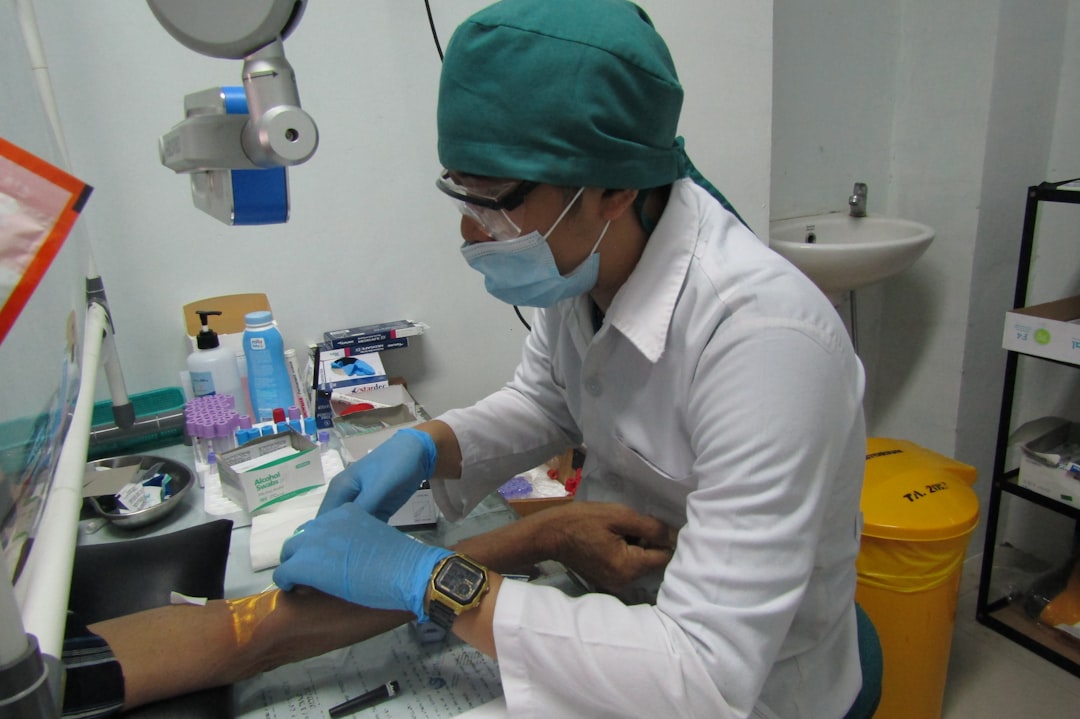
The documentation flow for medical clearance is systematic. Initially, the candidate receives a medical referral form from the employer or typing center. Next, they visit the authorized government medical facility. Subsequently, they undergo blood draw, chest X-ray, and sometimes a physical exam.
Then, the clinic processes the samples. Results are typically available within a few days. Furthermore, a “fit for work” certificate is issued for clear cases. Conversely, positive cases may require further evaluation or lead to visa denial. Therefore, understanding this sequence prevents logistical errors.
- Step 1: Obtain medical referral/application form from visa processing agency.
- Step 2: Candidate visits clinic with passport, photos, and fee.
- Step 3: Undergo blood test (for hepatitis B surface antigen, hepatitis C antibody).
- Step 4: Clinic submits results electronically to immigration authorities.
- Step 5: Employer or agency receives notification of medical fitness status.
- Step 6: Proceed with visa stamping or address positive results as per law.
Moreover, proper document handling is crucial. Specifically, all health data is confidential. Additionally, ensure secure transmission of any medical reports. Consequently, this protects candidate privacy and your company’s legal standing. For support, consider to schedule consultation appointment with our team.
Hepatitis Screening Pre-Employment Health Implementation Timeline
Planning the timeline for hepatitis screening pre-employment health is essential for project staffing. First, factor in the candidate’s location and appointment availability. Typically, the medical exam itself takes only a few hours. However, result processing adds several business days.
Furthermore, the overall timeline from job offer to visa issuance spans weeks. Specifically, medical screening is one link in this chain. Therefore, delays here cascade through the entire deployment process. Consequently, accurate scheduling prevents project startup delays.
- Day 1-3: Schedule medical appointment after offer acceptance.
- Day 4: Candidate undergoes medical examination at authorized center.
- Day 5-7: Await laboratory processing and official results.
- Day 8: Receive medical fitness certificate (if clear).
- Day 9+: Integrate certificate into visa application with immigration.
- Buffer Time: Always add 3-5 days buffer for unexpected delays or retests.
Moreover, country-specific variations exist. For example, Saudi Arabia’s process may differ from the UAE visa and immigration services protocol. Therefore, localized knowledge is indispensable. Ultimately, realistic timelines ensure successful workforce mobilization.
Common Challenges and Proactive Solutions
Employers frequently encounter hurdles during the medical screening phase. A common challenge is a candidate testing positive for hepatitis B or C. This creates an ethical and logistical dilemma. Moreover, GCC regulations often prohibit work visas for such cases in many job categories.
Another challenge involves fraudulent medical certificates. Some candidates may attempt to submit fake clearances. Therefore, verification through official channels is non-negotiable. Additionally, long wait times for appointments at busy clinics can delay deployment.
- Challenge: Positive test result. Solution: Have a transparent policy, offer counseling referrals, and maintain a pipeline of alternative candidates.
- Challenge: Document fraud. Solution: Use only authorized clinics and verify certificates directly with health authorities when possible.
- Challenge: Processing delays. Solution: Schedule appointments early in the day and week, and use agencies with clinic partnerships.
- Challenge: High costs. Solution: Budget accurately and explore bundled service packages from recruitment partners.
- Challenge: Changing regulations. Solution: Subscribe to updates from official sources like the World Health Organization and local ministries.
- Challenge: Candidate anxiety. Solution: Provide clear, reassuring communication about the standard nature of the tests.
Consequently, anticipating these issues allows for preemptive action. Moreover, a structured approach minimizes operational risk. Finally, expert partners provide invaluable support in navigating these complexities.
Expert Recommendations for Employer Success
To excel in managing pre-employment health checks, adopt a proactive stance. First, integrate medical screening into your overall recruitment policy document. This ensures consistency and fairness. Moreover, it sets clear expectations for all hiring managers and candidates.
Second, invest in training for your HR team on GCC health regulations. Specifically, they should understand the science behind hepatitis screening. Additionally, they must know the legal implications of test results. Therefore, informed staff make better decisions.
- Recommendation 1: Partner with a reputable GCC-focused recruitment agency like Allianze HR for end-to-end management.
- Recommendation 2: Conduct pre-deployment orientation that includes information on the medical testing process.
- Recommendation 3: Stay informed on World Bank labor market trends affecting health policies.
- Recommendation 4: Implement a secure digital system to track medical status and certificate expiry dates.
- Recommendation 5: Build relationships with authorized medical centers for priority scheduling when needed.
- Recommendation 6: Review and update your health screening protocol annually to align with new regulations.
Furthermore, prioritize duty of care alongside compliance. Specifically, treat candidates with respect throughout the process. Ultimately, a respectful, efficient screening process enhances your employer brand in competitive GCC markets.
Frequently Asked Questions About Hepatitis Screening Pre-Employment Health
What is the timeline for hepatitis screening pre-employment health?
The medical exam takes a few hours, but full processing takes 5-8 business days. Furthermore, scheduling appointments adds time. Therefore, integrate a 7-10 day window into your onboarding plan. Consequently, consult our specialists for country-specific timelines.
Which hepatitis types are tested in GCC pre-employment checks?
GCC medical panels universally test for Hepatitis B and Hepatitis C. Specifically, they screen for Hepatitis B surface antigen (HBsAg) and Hepatitis C antibodies. Additionally, liver function tests may indicate general liver health. Moreover, these are mandated for public health protection.
Can a candidate work in the GCC if they test positive?
Regulations are strict. Often, a positive result leads to visa denial, especially for roles in food handling, healthcare, or domestic work. However, some technical roles may have different considerations. Therefore, always check current country-specific laws with immigration authorities.
How does Allianze HR handle medical screening logistics?
We manage the entire process for our clients. Furthermore, we guide candidates to correct clinics and track results. Moreover, we advise on positive cases per local laws. Additionally, our expertise ensures compliance and efficiency at every stage of the health check process.
Are medical test results confidential?
Yes, medical confidentiality is paramount. Specifically, results are shared directly with immigration authorities. Moreover, employers typically only receive a “fit” or “unfit” notification. Consequently, detailed diagnoses are protected health information under ethical and legal guidelines.
What happens if a medical certificate expires?
Medical fitness certificates have validity periods (often 3 months). Subsequently, if a visa is not issued within this time, re-testing is required. Therefore, coordinating visa stamping promptly after medical clearance is crucial to avoid extra cost and delay.
Partner with Allianze HR for Medical Screening Success
Implementing robust hepatitis screening pre-employment health protocols is a strategic imperative. Furthermore, it ensures legal compliance, protects public health, and safeguards your operations. Moreover, navigating GCC medical regulations requires localized, up-to-date expertise. Therefore, a structured approach is non-negotiable for success.
Allianze HR Consultancy provides end-to-end support for your workforce deployment. Specifically, we manage the entire medical screening and visa processing journey. Additionally, our deep regional knowledge prevents costly errors and delays. Consequently, you can focus on your core business objectives with confidence.
Let us streamline your recruitment and compliance processes. Furthermore, access our network of authorized medical centers and immigration experts. Moreover, ensure your hiring practices meet the highest standards of worker welfare and regulatory adherence. Therefore, contact our HR specialists today for a consultation. Ultimately, build a healthy, compliant, and productive workforce in the GCC with a