


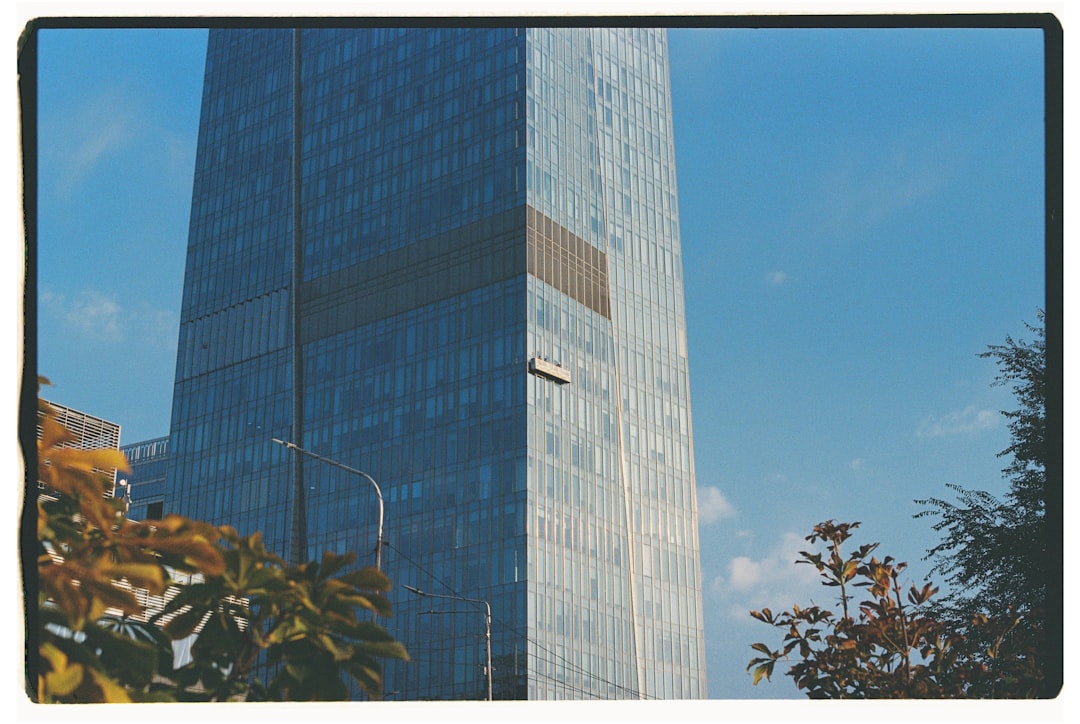
How do you maintain pristine, safe, and compliant glass facades on your multi-story buildings in the demanding GCC climate? Furthermore, establishing effective high-rise window washing schedules is a critical facility management challenge. Consequently, this guide provides a strategic framework for property owners and managers. Moreover, we will explore optimal cleaning frequency, safety protocols, and regional compliance standards. Therefore, understanding high-rise window washing schedules ensures operational excellence and asset preservation.
The GCC’s rapid urban development features iconic skylines dominated by glass towers. Specifically, the harsh desert environment with sand, dust, and high temperatures accelerates facade soiling. Additionally, maintaining clean windows impacts building aesthetics, tenant satisfaction, and even energy efficiency. Notably, a systematic approach to facility glass cleaning frequency is not merely cosmetic. It is a vital component of long-term property maintenance and value retention.
At Allianze HR Consultancy, we’ve successfully placed 10,000+ professionals across UAE, Saudi Arabia, Qatar, and Kuwait. Furthermore, our 5+ years of GCC expertise supports clients from 50+ countries in sourcing skilled facility management teams. Moreover, our Ministry of External Affairs (India) RA license ensures compliance in recruitment for specialized trades. Therefore, contact our recruitment specialists for expert guidance on staffing your maintenance operations.
Understanding GCC Facade Maintenance Requirements
GCC cities present unique challenges for building exterior upkeep. The region experiences frequent sandstorms, known as shamals, which deposit abrasive particles on glass. Furthermore, high humidity in coastal areas like Dubai and Doha can lead to salt crystallization. This combination demands more frequent and specialized cleaning interventions. Consequently, a one-size-fits-all schedule fails in this diverse environment.
Building usage also dictates cleaning needs. For example, luxury hotels and corporate headquarters require impeccable presentation daily. Conversely, residential towers may follow a different maintenance rhythm. Additionally, local municipal regulations often mandate minimum cleanliness standards for commercial properties. Therefore, facility managers must balance environmental factors, building function, and legal obligations.
Key considerations include:
- Environmental Exposure: Proximity to desert, coast, or construction sites.
- Building Height and Design: Complex geometries increase cleaning difficulty.
- Tenant Expectations: Premium spaces demand higher frequency service.
- Seasonal Variations: Sandstorm seasons versus calmer periods.
- Water Restrictions: Sustainable water use policies in GCC nations.
Partnering with knowledgeable service providers is essential. Moreover, accessing professional recruitment resources helps secure qualified teams familiar with these regional specifics.
High-Rise Window Washing Schedules Strategic Overview
Developing effective high-rise window washing schedules requires a strategic, risk-based approach. First, conduct a comprehensive facade condition and risk assessment. This analysis determines the baseline cleaning frequency. Furthermore, it identifies high-soiling areas like lower floors or windward sides. Consequently, you can allocate resources efficiently rather than adopting a uniform cycle.
A quarterly schedule is often the operational standard for many commercial high-rises. This frequency balances cost, appearance, and practical logistics. However, strategic planning involves more than setting calendar reminders. It integrates cleaning with other maintenance activities, like HVAC checks or facade inspections. Additionally, it plans for seasonal intensity, increasing frequency during spring sandstorm months.
Critical strategic elements include:
- Risk Assessment: Evaluating soiling rates and public safety implications.
- Resource Planning: Aligning manpower, equipment, and budget cycles.
- Technology Integration: Using water-fed poles, rope access, or suspended platforms.
- Stakeholder Communication: Informing tenants of schedules and temporary disruptions.
- Performance Metrics: Tracking cleanliness scores and incident rates.
Therefore, a strategic schedule is a dynamic operational blueprint. It adapts to changing conditions while ensuring consistent service delivery and compliance.
Legal Framework and Compliance Standards
Compliance forms the non-negotiable foundation of any maintenance program. In the GCC, multiple regulatory layers govern high-rise window cleaning. Firstly, national labor laws, such as UAE’s Ministerial Resolution No. 38 of 2023, mandate worker safety. These regulations cover fall protection, equipment certification, and training requirements. Secondly, municipal codes often dictate urban aesthetics and public safety standards.
International standards provide essential guidance. The International Labour Organization workplace safety protocols are widely referenced. Additionally, the International Facility Management Association offers best practice frameworks for building operations. Furthermore, local green building codes like Estidama in Abu Dhabi or GSAS in Qatar influence cleaning methods. They often promote water-efficient and chemical-minimizing techniques.
Key compliance areas include:
- Worker Safety: Adherence to fall arrest system (FAS) and personal protective equipment (PPE) mandates.
- Public Protection: Implementing sidewalk canopies, signage, and traffic control during operations.
- Environmental Regulations: Managing runoff water and using approved, eco-friendly cleaning agents.
- Equipment Certification: Ensuring cradles, ropes, and platforms undergo regular third-party inspection.
- Insurance and Liability: Maintaining adequate coverage for workers and third-party property damage.
Non-compliance risks severe penalties, operational shutdowns, and reputational damage. Hence, legal adherence must be embedded in the schedule’s core.
High-Rise Window Washing Schedules Best Practices
Implementing industry best practices transforms a basic schedule into a model of efficiency. First, adopt a phased cleaning approach for mega-towers. This method cleans different building sections sequentially. Consequently, it minimizes equipment movement and maximizes crew productivity. Moreover, it reduces visual disruption, as the entire facade is never scaffolded at once.
Secondly, integrate technology for monitoring and execution. Drones can perform pre-cleaning inspections to identify heavily soiled zones. Additionally, building management software (BMS) can track schedule adherence and quality outcomes. Furthermore, training is paramount. Teams must be proficient in both technique and emergency response. Regular drills ensure preparedness for any incident.
Essential best practices include:
- Phased Execution: Segmenting the building into logical zones for systematic cleaning.
- Pre-Cleaning Inspection: Using tools to assess soiling levels and plan the day’s work.
- Quality Control Checklists: Verifying streak-free results and proper rinsing.
- Weather Contingency Planning: Having clear protocols for high winds or extreme heat.
- Tenant Feedback Loops: Collecting and acting on input from building occupants.
Adhering to these practices ensures your high-rise window washing schedules deliver consistent, high-quality, and safe outcomes. For tailored implementation support, consider to schedule consultation appointment with our experts.
Documentation and Processing Steps
Robust documentation underpins a successful and auditable cleaning program. Firstly, maintain a master schedule document accessible to all stakeholders. This document should outline the annual plan, including quarterly cycles and spot-cleaning protocols. Secondly, develop detailed method statements for each cleaning task. These statements describe the exact procedures, equipment, and safety measures for every scenario.
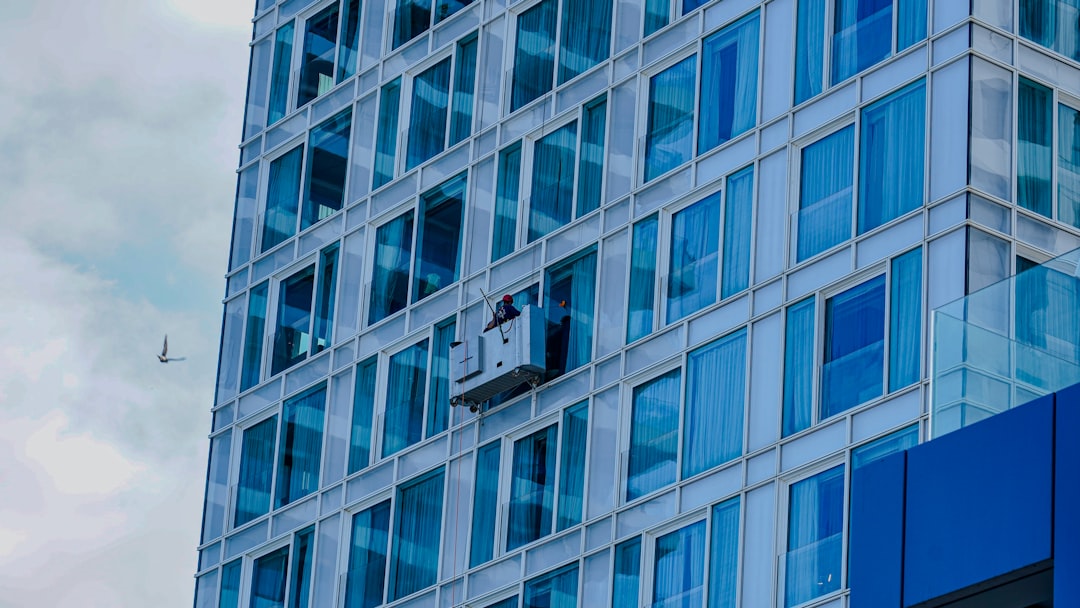
Thirdly, implement a permit-to-work system for high-risk activities. This system requires formal authorization before any rope or cradle work begins. Additionally, it ensures all safety checks are completed. Furthermore, maintain comprehensive training records for all personnel. Certifications for rope access, equipment operation, and first aid must be current and verified.
Critical documentation includes:
- Master Maintenance Schedule: The annual calendar of all cleaning activities.
- Risk Assessment and Method Statements (RAMS): Job-specific safety and procedure guides.
- Equipment Logs: Inspection, maintenance, and certification records for all gear.
- Incident Reports: Forms for documenting any near-misses or accidents.
- Quality Audit Reports: Post-cleaning inspections and tenant satisfaction surveys.
Proper documentation not only ensures compliance but also provides data for continuous program improvement. It turns reactive maintenance into a proactive, managed system.
High-Rise Window Washing Schedules Implementation Timeline
Executing a new or revised schedule follows a structured timeline. Month one involves assessment and planning. Conduct a facade survey and review existing contracts. Furthermore, consult with World Health Organization indoor air quality insights if indoor environment is a concern. Subsequently, draft the proposed quarterly schedule and associated budgets.
Months two and three focus on team assembly and procurement. This phase includes recruiting or training certified abseilers and technicians. Moreover, it involves procuring or servicing equipment like cradles and water purification systems. Additionally, finalize all method statements and obtain necessary internal approvals. Meanwhile, begin stakeholder communication to prepare tenants for the new routine.
A typical implementation timeline:
- Weeks 1-4: Facility audit, risk assessment, and baseline schedule development.
- Weeks 5-8: Vendor selection, contract finalization, and equipment readiness checks.
- Weeks 9-10: Crew mobilization, site-specific safety training, and permit acquisition.
- Week 11: Pilot cleaning of one zone to test procedures and logistics.
- Week 12+: Full-scale schedule rollout, followed by monthly review meetings.
Therefore, a realistic implementation spans a full quarter. This allows for thorough preparation, ensuring the schedule launches smoothly and sustainably.
Common Challenges and Solutions
Facility managers face several persistent challenges in maintaining high-rise window washing schedules. A primary issue is securing a skilled, reliable workforce with the necessary certifications. The specialized nature of rope access and suspended platform work creates a talent shortage. Furthermore, extreme summer heat in the GCC forces schedule adjustments. Work may need to start at dawn or be temporarily suspended during peak afternoon temperatures.
Another common challenge is tenant coordination and access. Gaining entry to occupied apartments or offices for interior cleaning can be difficult. Moreover, budgeting for unexpected events, like sudden sandstorms requiring emergency cleaning, is complex. Additionally, navigating the evolving UAE green building regulations adds a layer of compliance complexity.
Effective solutions include:
- Workforce Development: Partnering with recruiters like Allianze HR to source pre-vetted, certified technicians.
- Flexible Scheduling: Building weather contingencies and night-shift options into the annual plan.
- Tenant Portal: Using digital platforms to schedule interior access and send automated notifications.
- Contingency Budget: Allocating 10-15% of the annual budget for unplanned cleaning events.
- Technology Adoption: Investing in water-recycling systems and efficient equipment to meet sustainability goals.
Proactively addressing these challenges prevents schedule disruptions and maintains service quality year-round.
Expert Recommendations for Success
To achieve long-term success, go beyond basic schedule adherence. First, foster a true safety culture where every team member feels empowered to stop unsafe work. This requires ongoing training and leadership commitment. Secondly, benchmark your program against regional best practices. Resources from the World Bank urban development reports can provide context on infrastructure management trends.
Thirdly, view facade cleaning as part of a holistic building envelope management strategy. Integrate it with sealant inspections, gasket replacements, and structural surveys. Furthermore, leverage data analytics. Track metrics like cost per square meter, water usage per clean, and tenant complaint rates. Consequently, you can make data-driven decisions to optimize the schedule and budget annually.
Final expert recommendations:
- Invest in Training: Continuous upskilling is the best investment for safety and quality.
- Build Strategic Partnerships: Work with a few trusted vendors rather than constantly tendering.
- Embrace Innovation: Pilot new technologies like robotic cleaners or nano-coatings that reduce cleaning frequency.
- Communicate Proactively: Transparent communication with building owners and tenants builds trust and cooperation.
- Conduct Annual Reviews: Thoroughly debrief the past year’s schedule to identify improvements for the next cycle.
Ultimately, excellence in facade maintenance enhances property value, tenant retention, and corporate reputation in the competitive GCC real estate market.
Frequently Asked Questions About High-Rise Window Washing Schedules
What is the optimal frequency for high-rise window washing schedules?
Quarterly cleaning is standard for most GCC commercial high-rises. However, optimal frequency depends on location, environment, and building use. Furthermore, a facade assessment determines the exact cycle. Therefore, a professional audit is recommended to establish a baseline schedule.
What safety standards apply to facade maintenance in the UAE?
UAE follows strict standards including the International Labour Organization guidelines and local civil defense regulations. These mandate certified equipment, trained personnel, and comprehensive fall protection plans. Moreover, regular equipment inspection by authorized bodies is compulsory.
How does weather impact cleaning plans for multi-story buildings?
Wind is the primary safety concern, halting all rope and platform work. Additionally, extreme heat requires adjusted work hours and hydration protocols. Furthermore, sandstorms necessitate immediate cessation and post-storm cleaning. Consequently, schedules must include significant weather contingency days.
Can building automation reduce manual cleaning frequency?
Yes, certain technologies can help. Installing permanent water-fed pole systems or applying hydrophobic nano-coatings to glass reduces soiling adherence. Moreover, these solutions can extend intervals between major manual cleans. However, they require upfront investment and periodic reapplication.
What are the key components of a cleaning method statement?
A method statement must detail the scope of work, identified hazards, control measures, sequence of operations, and emergency procedures. Additionally, it lists required equipment, PPE, and competent personnel. Furthermore, it includes site plans and rescue plans. This document is mandatory for permit approval.