


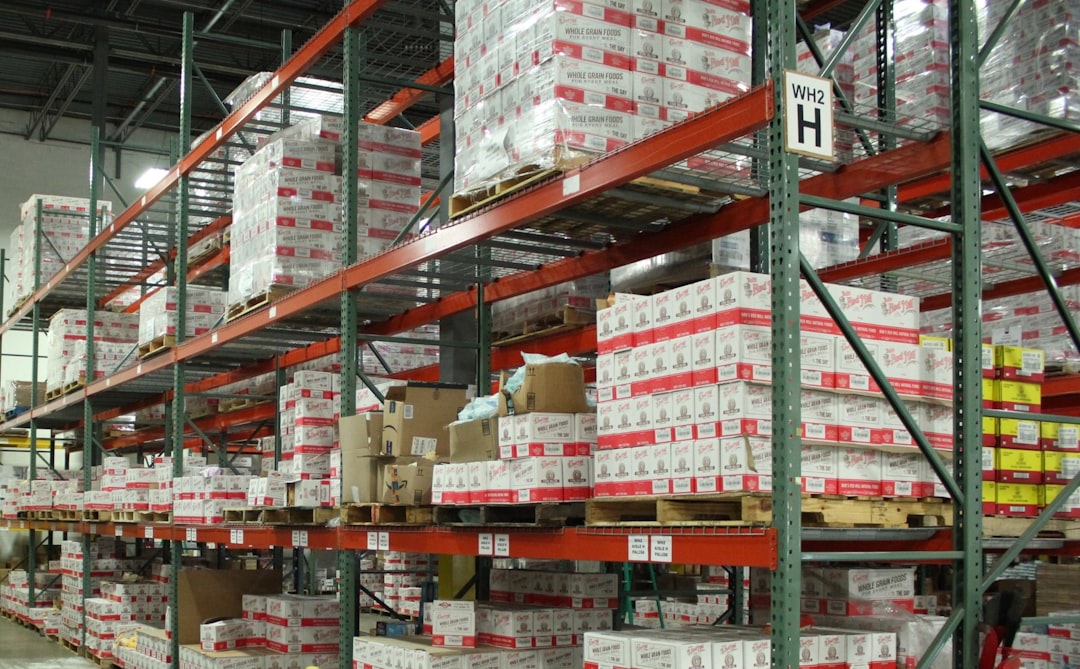
Are you preparing for your annual retail inventory count with a 100-worker team? Furthermore, coordinating a large-scale physical stocktake presents significant logistical challenges. Consequently, GCC retailers face immense pressure to ensure accuracy and compliance. Therefore, this guide provides a strategic framework for successful inventory audits 100-worker stocktake operations. Moreover, we detail best practices for temporary recruitment and flawless execution.
Annual stocktaking is a critical financial and operational event. Additionally, the GCC retail sector demands precision and speed. Regional markets feature complex supply chains and high-value merchandise. Hence, a meticulous audit process protects assets and ensures reporting integrity. Ultimately, effective planning transforms this mandatory task into a strategic advantage.
At Allianze HR Consultancy, we’ve successfully placed 10,000+ professionals across UAE, Saudi Arabia, Qatar, and Kuwait. Furthermore, our 5+ years of GCC expertise supports clients from 50+ countries. Moreover, our Ministry of External Affairs (India) RA license ensures compliance. Therefore, contact our recruitment specialists for expert guidance on assembling your temporary audit teams. We specialize in rapid, reliable manpower solutions for peak operational demands.
Understanding GCC Retail Inventory Management
Retail inventory management in the Gulf requires specialized approaches. First, high seasonality creates fluctuating stock levels. Second, diverse product categories from luxury to FMCG need different handling. Third, regional compliance standards dictate specific documentation procedures. Consequently, your annual stocktake must address these unique factors.
Furthermore, GCC labor regulations impact temporary workforce deployment. For example, visa sponsorship rules for short-term workers vary by emirate and kingdom. Additionally, wage protection systems and working hour limits apply. Therefore, understanding these frameworks prevents legal complications. Partnering with a knowledgeable recruiter ensures full adherence.
- Analyze seasonal sales data to predict inventory peaks.
- Categorize stock by value, fragility, and turnover rate.
- Map your retail floor and warehouse layout for efficient counting zones.
- Review previous audit discrepancies to identify problem areas.
- Establish clear communication protocols in multilingual environments.
- Integrate technology like RFID scanners for accuracy.
Proper planning reduces operational disruption significantly. Moreover, a well-structured audit provides actionable business intelligence. Subsequently, you can optimize stock levels and improve cash flow. Ultimately, this process supports sustainable growth in competitive GCC markets.
Inventory Audits 100-Worker Stocktake Strategic Overview
Executing inventory audits 100-worker stocktake requires military-like precision. First, define the audit’s primary objectives and success metrics. Second, assemble a cross-functional leadership team from operations, finance, and HR. Third, develop a detailed project plan with assigned responsibilities. This strategic foundation ensures all teams work toward common goals.
Furthermore, technology integration is no longer optional. Modern stocktake software coordinates large teams effectively. For instance, mobile barcode scanners sync data in real-time to central dashboards. Consequently, managers can monitor progress and address bottlenecks instantly. This technological edge is crucial for audits spanning multiple locations.
Additionally, consider the human element of managing 100 temporary workers. Clear training, fair compensation, and respectful treatment boost productivity. Moreover, providing proper amenities demonstrates corporate responsibility. These factors directly impact count accuracy and team morale. Therefore, strategic planning encompasses both systems and people.
- Conduct a pre-audit simulation with a small pilot team.
- Implement a tiered supervision structure (team leads, zone managers).
- Secure all necessary equipment weeks in advance (scanners, tally sheets, PPE).
- Schedule counts during low-traffic periods, often overnight or on closure days.
- Establish a central command center for real-time issue resolution.
- Plan for data validation and reconciliation immediately post-count.
Legal Framework and Compliance Standards
GCC labor laws strictly govern temporary employment for physical inventory counts. Specifically, short-term contracts must outline duration, wages, and working conditions. Additionally, the International Labour Organization standards influence regional worker protection policies. Therefore, compliance is non-negotiable for reputable retailers.
Moreover, local ministries enforce specific regulations. For example, the Saudi Ministry of Labor regulations mandate timely wage payment. Similarly, UAE authorities require proper accommodation for temporary staff. Consequently, understanding these rules prevents fines and operational delays. Expert guidance is invaluable for navigating this complex landscape.
Documentation is another critical compliance area. Temporary workers need legally valid contracts, even for brief engagements. Furthermore, insurance coverage must be confirmed for workplace accidents. These steps mitigate employer liability significantly. Therefore, a meticulous approach to paperwork is essential.
- Verify the legal status for hiring non-resident temporary counters.
- Ensure all employment contracts are ministry-approved templates.
- Obtain necessary work permits or temporary activity visas.
- Provide mandatory safety induction training, documented with sign-offs.
- Adhere to maximum working hours and mandatory break periods.
- Process all wages through official channels like WPS in UAE.
Finally, data protection regulations apply to inventory information. Employee and stock data must be handled confidentially. Subsequently, establish clear protocols for data access and storage. This comprehensive compliance approach safeguards your business.
Inventory Audits 100-Worker Stocktake Best Practices
Adopting proven best practices transforms your inventory audits 100-worker stocktake from chaotic to controlled. First, implement a “clean floor” policy before counting begins. This means ensuring all stock is shelved, labeled, and accessible. Consequently, counters work efficiently without searching for items. Moreover, it drastically reduces double-counting or missed items.
Second, utilize a zone-based counting methodology. Divide your retail space into manageable, clearly marked sections. Assign dedicated teams to each zone with a team leader. Furthermore, use sequential zone counting to maintain control. This systematic approach ensures complete coverage without overlap.
Third, invest in pre-audit training for all temporary staff. Conduct hands-on sessions with the actual equipment and sample items. Additionally, provide multilingual instructions if needed. This preparation minimizes errors and builds counter confidence. Therefore, training is a critical success factor, not an optional cost.
- Perform cycle counts regularly to minimize annual count discrepancies.
- Use dual-counting for high-value items (two independent counters).
- Implement a clear tag or sticker system to mark counted items.
- Establish a robust variance investigation procedure for mismatches.
- Conduct spot-checks and random recounts for quality assurance.
- Debrief immediately after the audit to capture lessons learned.
Additionally, leverage insights from the World Bank trade and logistics reports on inventory optimization. Finally, document every process step for continuous improvement. These best practices ensure your large-scale stocktake is accurate, efficient, and repeatable.
Documentation and Processing Steps
Flawless documentation underpins a successful physical inventory count. Begin with a master audit plan document. This plan outlines scope, timeline, team structure, and contingency measures. Subsequently, distribute it to all stakeholders for alignment. Clear documentation prevents misunderstandings during high-pressure execution.

Next, prepare all counting materials. This includes pre-printed tally sheets, barcode lists, and mapping diagrams. Furthermore, digital systems require configured devices and validated software. Test all technology thoroughly before the audit day. Consequently, you avoid catastrophic technical failures during the count.
For temporary worker management, maintain meticulous personnel records. These records include signed contracts, training certificates, and attendance logs. Moreover, keep accurate records of wage payments and hours worked. This diligence is crucial for compliance audits by ministries. Therefore, treat temporary staff documentation with the same rigor as permanent employee files.
- Create a count kit for each team (instructions, sheets, pens, tags).
- Maintain a master log of all issued and returned counting equipment.
- Document every variance from the expected stock quantity.
- Secure signed handover sheets between shift changes.
- Archive all raw count data for the mandated financial period.
- Produce a final audit report with executive summary and action items.
Finally, process reconciliation data promptly. Compare physical counts against system records. Investigate significant discrepancies immediately while details are fresh. This systematic documentation and processing approach validates your financial statements. It also provides a roadmap for improving future inventory audits.
Inventory Audits 100-Worker Stocktake Implementation Timeline
A detailed timeline is vital for managing inventory audits 100-worker stocktake projects. Start planning at least 90 days in advance. The first month should focus on strategy, budgeting, and selecting an HR partner like Allianze. Furthermore, this phase includes securing internal approvals and defining technology needs. Early planning prevents last-minute crises.
During the 60-30 day window, finalize operational plans. Specifically, recruit and secure your temporary workforce. Additionally, order all equipment and finalize zone maps. Meanwhile, conduct manager training and run system tests. This period is for concrete preparation, not decision-making.
The final 30 days are execution-focused. First, conduct mandatory safety and process training for all counters. Second, execute the “clean floor” initiative store-wide. Third, hold a full leadership briefing to confirm roles. Consequently, your team enters audit day with clarity and confidence. A phased timeline ensures no critical step is overlooked.
- Day 90-60: Strategic planning, budget approval, recruiter engagement.
- Day 60-45: Technology setup, material procurement, zone design.
- Day 45-30: Temporary worker recruitment, contract signing, visa processing.
- Day 30-15: Manager training, pre-audit cycle counts, process refinement.
- Day 15-7: Counter training, equipment distribution, communications test.
- Day 7-0: Final preparations, “clean floor” execution, briefing.
- Audit Day: Phased counting, real-time validation, leadership oversight.
- Post-Audit: Data reconciliation, reporting, payment processing, debrief.
Adhering to this structured timeline reduces stress and improves outcomes. Moreover, it allows for contingency time to address unforeseen issues. Therefore, treat your annual stocktake as a major project with strict phase gates. This discipline is the hallmark of a professional retail operation.
Common Challenges and Solutions
Large-scale inventory counts inevitably encounter challenges. First, last-minute worker no-shows can cripple your plan. The solution is to recruit a buffer pool of 10-15% extra staff. Furthermore, partner with a reliable agency that guarantees candidate availability. This proactive measure ensures you have enough counters despite attrition.
Second, technology failure during the count is a major risk. Mitigate this by having backup devices and manual tally sheets ready. Additionally, conduct full system load testing before the audit. Consequently, you maintain operational continuity if primary systems fail. Preparation is the best defense against technical issues.
Third, communication breakdowns in a large, temporary team are common. Implement a simple, redundant communication system. Use group messaging apps and traditional two-way radios. Moreover, appoint clear interpreters for multilingual teams. These steps ensure instructions are understood and followed accurately.
- Challenge: Inaccurate counts due to poor training. Solution: Mandatory hands-on certification for all counters.
- Challenge: Theft or security concerns. Solution: Controlled access, supervised counts, and secure item handling.
- Challenge: Data reconciliation delays. Solution: Dedicated reconciliation team working parallel to counting.
- Challenge: Worker fatigue affecting accuracy. Solution: Structured breaks, shift rotations, and ergonomic considerations.
- Challenge: Compliance violations. Solution: Continuous supervision by HR compliance officers on-site.
Understanding these common pitfalls allows for preemptive action. Additionally, consult OSHA warehousing industry standards for safety guidance. Finally, maintain a flexible mindset to solve unexpected problems. Effective challenge management separates successful audits from failed ones.
Expert Recommendations for Success
For guaranteed success, integrate these expert recommendations into your plan. First, treat temporary counters as valuable team members, not disposable labor. Invest in their brief onboarding and treat them respectfully. Consequently, they become engaged partners in achieving accuracy. This cultural approach yields a tangible return in data quality.
Second, leverage data analytics beyond the simple count. Use audit data to analyze shrinkage patterns, seasonal trends, and warehouse efficiency. Furthermore, benchmark your results against World Bank sector reports. Therefore, the stocktake becomes a strategic business intelligence tool.
Third, build a continuous improvement loop. Document every process, challenge, and solution in a “stocktake playbook.” Subsequently, review this playbook during planning for the next cycle. This institutionalizes knowledge and prevents repeating mistakes. Moreover, it streamlines planning for future large-scale inventory audits.
- Appoint a single, empowered Audit Director with full decision-making authority.
- Integrate your stocktake software with enterprise ERP systems for live data flow.
- Conduct post-audit recognition for both permanent staff and temporary teams.
- Schedule a formal review meeting with finance, operations, and HR leaders.
- Explore automated solutions like drones or RFID for future counts.
- Foster partnerships with specialized recruiters for reliable temporary staffing.
Finally, prioritize compliance and worker welfare as core values. Adhere to World Health Organization occupational health guidelines. Additionally, ensure all practices meet UAE employment regulations. These expert recommendations create a robust, sustainable framework for annual stocktakes.
Frequently Asked Questions About Inventory Audits 100-Worker Stocktake
What is the timeline for inventory audits 100-worker stocktake planning?
Full planning requires 90 days minimum. Furthermore, the first 30 days focus on strategy and partner selection. Subsequently, recruitment occurs 45-30 days prior. Therefore, consult our specialists early for accurate scheduling and resource securing.
What are the key costs for a large-scale physical inventory count?
Major costs include temporary labor wages, recruitment fees, technology rental, overtime for permanent staff, and audit materials. Additionally, factor in compliance costs like permits and insurance. Therefore, a detailed budget is essential for financial control.
How do you ensure accuracy with a temporary counting team?
Accuracy stems from rigorous training, clear zone methodology, and dual-counting for high-value items. Moreover, implementing a robust supervision structure with team leads is critical. Consequently, consistent processes and checks minimize human error significantly.
Can we use our existing staff instead of temporary workers?