


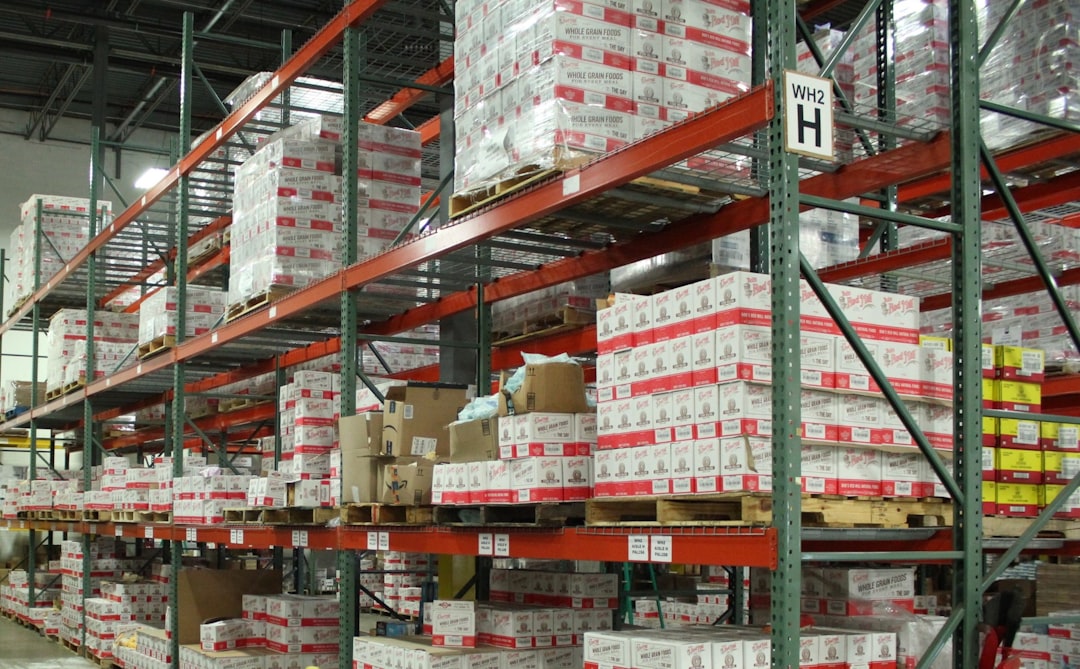
Are you struggling with stockouts or excess inventory in your GCC facility? Manual stock tracking often leads to costly inefficiencies. Consequently, modern businesses require smarter solutions. Inventory management automated reordering systems provide the answer. These systems transform facility materials management with stock level alerts. Therefore, operational continuity and cost control improve dramatically.
Across the Gulf region, industries face unique supply chain challenges. For example, construction projects demand timely material delivery. Similarly, hospitality venues must manage perishable goods. Moreover, manufacturing plants rely on consistent component supply. Automated stock control addresses these universal needs. Furthermore, it ensures compliance with lean operational standards. Ultimately, it drives profitability and customer satisfaction.
At Allianze HR Consultancy, we understand that efficient operations require the right systems and people. Furthermore, our 5+ years of GCC expertise supports clients from 50+ countries. We’ve successfully placed 10,000+ professionals across UAE, Saudi Arabia, Qatar, and Kuwait. Moreover, our Ministry of External Affairs (India) RA license ensures compliance in all recruitment support. Therefore, contact our recruitment specialists for expert guidance on staffing your logistics and supply chain teams.
Understanding Modern Inventory Control Challenges
Traditional inventory methods create significant business risks. Manual counts are time-consuming and error-prone. Additionally, human forecasting often misses demand patterns. Stockouts halt production and damage customer trust. Conversely, overstocking ties up capital unnecessarily. Furthermore, expired goods represent pure financial loss.
GCC markets intensify these challenges. Regional supply chains can experience delays. Moreover, seasonal demand fluctuations are common. For instance, construction peaks before major events. Similarly, hospitality needs surge during tourist seasons. Therefore, reactive ordering fails consistently. Proactive, data-driven systems become essential.
Key pain points include:
- Inconsistent stock level visibility across multiple warehouses.
- High labor costs associated with manual counting and ordering.
- Difficulty managing supplier lead times and minimum order quantities.
- Lack of integration between procurement, finance, and operations teams.
- Inability to analyze consumption trends for better forecasting.
Addressing these issues requires a technological shift. Specifically, automation provides the necessary precision and speed.
Inventory Management Automated Reordering Strategic Overview
Inventory management automated reordering is a systematic approach. It uses technology to maintain optimal stock levels. The system triggers purchase orders automatically. This happens when inventory reaches a predefined threshold. Therefore, it eliminates guesswork and manual intervention. Furthermore, it integrates seamlessly with existing enterprise software.
The core components are sophisticated yet user-friendly. First, real-time tracking monitors stock movements. Second, algorithms calculate reorder points based on historical data. Third, the system generates and sends purchase orders. Finally, it updates all relevant records automatically. This creates a closed-loop, efficient process.
Implementing such a system delivers multiple benefits:
- Elimination of Stockouts: Continuous replenishment prevents production stoppages.
- Reduced Carrying Costs: Optimal stock levels free up warehouse space and capital.
- Improved Supplier Relationships: Consistent, timely orders build reliability.
- Enhanced Data Accuracy: Automated tracking removes human counting errors.
- Scalable Operations: Systems grow effortlessly with your business.
Consequently, businesses achieve a significant competitive advantage. They operate more reliably and profitably.
Legal Framework and Operational Compliance Standards
Operating in the GCC requires adherence to specific regulations. Inventory management intersects with several compliance areas. For example, certain industries have safety stock mandates. Additionally, customs and import regulations affect lead times. Moreover, financial auditing standards require accurate inventory reporting.
Authorities like the International Labour Organization set broad workplace standards. Furthermore, local ministries govern commercial storage and logistics. Automated systems help maintain compliance effortlessly. They provide auditable trails for every transaction. Therefore, during inspections, documentation is readily available.
Key compliance considerations include:
- Accurate record-keeping for tax and auditing purposes, as per UAE commercial laws.
- Storage conditions for regulated items (e.g., food, chemicals, pharmaceuticals).
- Supplier verification and due diligence requirements.
- Waste management and disposal reporting for obsolete stock.
- Data privacy regulations governing inventory information.
Automated systems configure rules to meet these standards. Thus, they reduce legal and financial risk substantially.
Inventory Management Automated Reordering Best Practices
Successful implementation follows proven best practices. First, conduct a thorough current-state analysis. Identify all stock-keeping units (SKUs) and their patterns. Next, categorize inventory using ABC analysis. Class A items are high-value with low frequency. Conversely, Class C items are low-value but high-volume. This classification informs reorder parameters.
Second, integrate the system with other business platforms. Enterprise Resource Planning (ERP) software is crucial. Additionally, accounting and supplier portals should connect. This creates a single source of truth. Moreover, it streamlines the entire procure-to-pay cycle. Data flows seamlessly without manual re-entry.
Essential best practices include:
- Set dynamic reorder points based on lead time and demand variability.
- Establish clear approval workflows for generated purchase orders.
- Regularly review and adjust system parameters as business evolves.
- Train staff on system use and exception management procedures.
- Implement robust cybersecurity measures to protect sensitive data.
Furthermore, leverage insights from the World Bank trade and logistics reports. These resources inform strategic inventory positioning. Consequently, your operations align with global efficiency benchmarks.
Documentation and System Implementation Steps
A structured rollout ensures project success. Begin with a cross-functional project team. Include representatives from procurement, operations, IT, and finance. Next, define clear project scope, goals, and success metrics. Subsequently, select a technology partner with GCC experience. Evaluate their platform’s compatibility with your infrastructure.
The implementation phase involves several key steps. Data migration is critical. Cleanse and format existing inventory data for import. Then, configure the system according to your defined rules. After that, conduct comprehensive testing with a pilot product group. Finally, train all end-users thoroughly before go-live.
Critical documentation includes:

- System configuration manual with all business rules defined.
- User acceptance testing (UAT) scripts and sign-off forms.
- Detailed training materials and standard operating procedures (SOPs).
- Supplier onboarding documentation and communication templates.
- Disaster recovery and business continuity plans for the system.
Proper documentation, as emphasized by OSHA warehousing standards, supports safety and compliance. Moreover, it ensures smooth knowledge transfer for future staff.
Inventory Management Automated Reordering Implementation Timeline
A realistic timeline manages expectations effectively. Typically, a full implementation takes 8 to 16 weeks. However, complexity and scale affect duration. The first phase involves planning and vendor selection. This requires 2-3 weeks. Subsequently, the design and configuration phase spans 3-4 weeks.
The testing and training phase is crucial. Allocate 2-3 weeks for rigorous testing. Meanwhile, develop training programs for different user groups. Finally, the go-live and support phase begins. Start with a soft launch for a limited product range. Then, expand to full scale over 1-2 weeks.
Sample timeline milestones:
- Weeks 1-3: Project kick-off, requirements gathering, and vendor selection.
- Weeks 4-7: System configuration, data migration, and integration setup.
- Weeks 8-9: User acceptance testing (UAT) and resolution of issues.
- Weeks 10-11: End-user training and preparation of support resources.
- Week 12+: Phased go-live, monitoring, and optimization.
Therefore, careful planning prevents disruption. Moreover, it maximizes return on investment from day one.
Common Challenges and Proactive Solutions
Despite clear benefits, implementations face hurdles. Resistance to change is a common human factor. Staff may distrust automated decisions. Therefore, involve them early in the design process. Demonstrate how the system reduces their mundane tasks. Consequently, they become advocates rather than obstacles.
Data quality presents another significant challenge. Legacy systems often contain inaccurate records. Firstly, conduct a full physical inventory audit. Secondly, clean the data before migration. Thirdly, establish ongoing data governance rules. This ensures long-term system accuracy and reliability.
Additional challenges and solutions:
- Supplier Readiness: Some vendors may not support electronic data interchange (EDI). Solution: Provide simple web portal access or email-based order systems.
- System Integration Complexity: Connecting with old ERP systems can be difficult. Solution: Use middleware or APIs, and consider phased integration.
- Unforeseen Demand Spikes: Algorithms may not predict sudden surges. Solution: Build manual override functions and maintain management by exception principles.
- High Initial Cost: Software licensing and implementation require investment. Solution: Build a clear ROI model focusing on reduced stockouts and labor savings.
Consulting World Health Organization occupational health guidelines can also inform safe warehouse workflows. This integrates worker wellbeing into the new system design.
Expert Recommendations for Long-Term Success
Sustaining success requires ongoing attention. First, appoint a system champion or administrator. This person manages configurations and user support. Second, schedule quarterly business reviews. Analyze system performance against key metrics. Furthermore, adjust reorder points based on changing supplier performance or demand.
Third, foster a culture of continuous improvement. Encourage staff to suggest system enhancements. Additionally, stay informed on technological advancements. For example, explore Internet of Things (IoT) sensors for real-time tracking. Moreover, consider artificial intelligence for predictive analytics.
Strategic recommendations include:
- Leverage the system’s reporting to negotiate better terms with suppliers.
- Use data to rationalize your product catalog and eliminate slow-moving items.
- Benchmark your inventory turnover ratios against UAE industry standards.
- Invest in cybersecurity training to protect your supply chain data.
- Plan for regular software updates and vendor support renewals.
Ultimately, view your automated system as a strategic asset. It provides data-driven insights for broader business decisions.
Frequently Asked Questions About Inventory Management Automated Reordering
What is the timeline for inventory management automated reordering implementation?
Implementation typically takes 8 to 16 weeks. Furthermore, the timeline depends on data complexity and integration needs. Therefore, consult our specialists for a tailored project plan.
What are the main benefits of automated stock control systems?
Key benefits include eliminating stockouts, reducing carrying costs, improving order accuracy, and freeing staff for higher-value tasks. Moreover, they provide superior data for strategic planning.
How do automated systems handle supplier reliability issues?
Advanced systems factor in supplier performance metrics. They can adjust lead times dynamically or suggest alternative suppliers. Additionally, they generate alerts for delayed shipments automatically.
Can these systems integrate with existing GCC compliance requirements?
Yes. Configurable rules can enforce safety stock mandates and generate audit-ready reports. Furthermore, integration with local customs portals can streamline import documentation, aligning with regional regulations.
What is the typical ROI for an automated inventory system?
ROI often materializes within 12-18 months. Savings come from reduced excess inventory, lower labor costs, fewer stockouts, and improved cash flow. Additionally, better data leads to smarter purchasing decisions.
How does Allianze HR support operational efficiency projects?
We recruit the skilled supply chain, logistics, and inventory analysts needed to run these systems. Our expertise ensures you have the right team to implement technology and drive process improvement, maximizing your investment.
Partner with Allianze HR for Supply Chain Success
Implementing inventory management automated reordering transforms your operations. It ensures optimal stock levels through intelligent automation. Furthermore, it provides unparalleled visibility into your supply chain. Consequently, you reduce costs, prevent disruptions, and enhance compliance. The journey from manual processes to automated excellence is strategic.
Success hinges on both technology and talent. While systems handle the data, skilled professionals manage the strategy. You need analysts, procurement specialists, and warehouse managers. These roles ensure your automated systems deliver maximum value. Therefore, building a capable team is equally important as selecting the right software.
Allianze HR Consultancy is your partner in this transformation. We provide the recruitment expertise to staff your logistics and supply chain departments. Our deep GCC market knowledge connects you with qualified professionals. Moreover, our compliance-first approach guarantees smooth onboarding. Explore our professional recruitment resources for further insights. Ready to build a future-proof operation? Schedule a consultation appointment with our experts today. Let us help you integrate the best people with the best systems for unparalleled efficiency.