


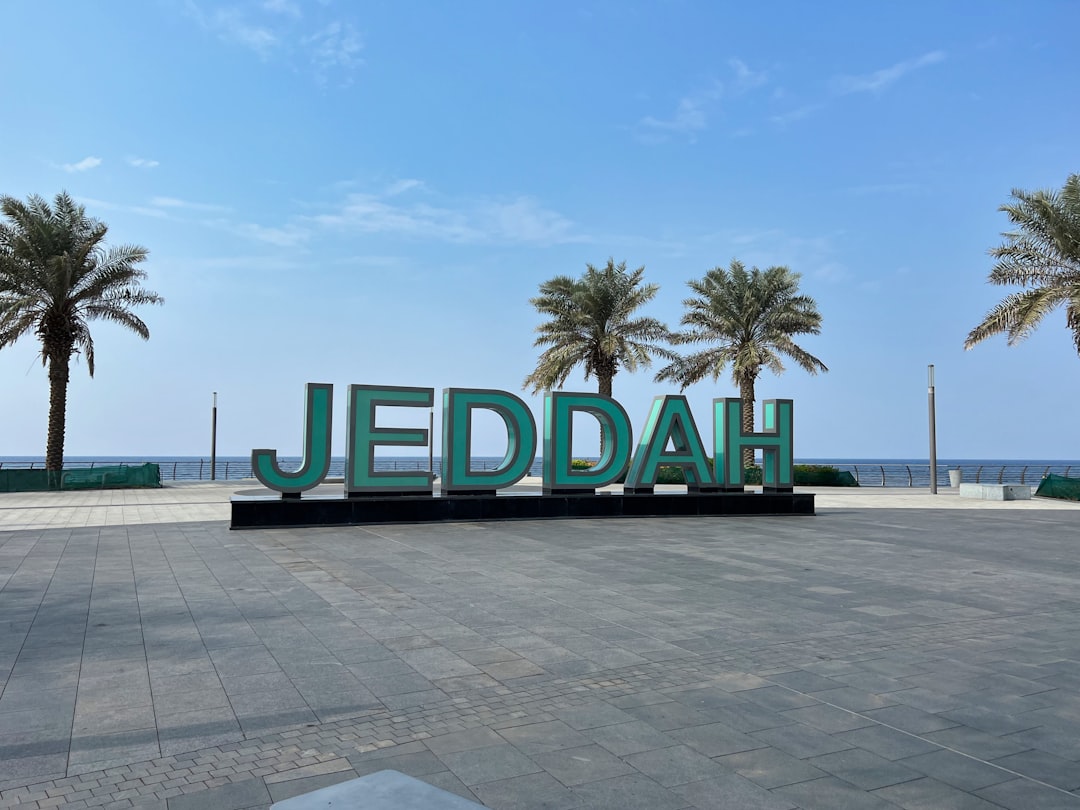
Are you planning a major workforce deployment for Jeddah Economic City? Furthermore, mobilizing over 1,000 construction professionals requires meticulous strategy. Moreover, Saudi Arabia’s Vision 2030 projects demand rapid, compliant scaling. Therefore, understanding the intricacies of mass hiring logistics, accommodation, and Saudi labor law is paramount for success. This comprehensive guide details the essential steps for deploying Jeddah Economic City workers efficiently and legally.
The GCC construction sector is experiencing unprecedented growth. Specifically, mega-projects like Jeddah Economic City drive massive demand for skilled and semi-skilled labor. Consequently, employers face complex challenges in talent acquisition and workforce management. Additionally, Saudi Arabia’s evolving regulatory landscape adds layers of compliance. Hence, a structured approach to bulk recruitment and deployment becomes a critical competitive advantage.
At Allianze HR Consultancy, we’ve successfully placed 10,000+ professionals across UAE, Saudi Arabia, Qatar, and Kuwait. Furthermore, our 5+ years of GCC expertise supports clients from 50+ countries. Moreover, our Ministry of External Affairs (India) RA license ensures compliance. Therefore, contact our recruitment specialists for expert guidance on your large-scale deployment needs. Our team specializes in the end-to-end logistics of mobilizing Jeddah Economic City workers.
Understanding GCC Mega-Project Workforce Requirements
Gulf Cooperation Council mega-projects have unique staffing demands. First, they require a diverse mix of skilled, semi-skilled, and unskilled labor. Second, project timelines are aggressive, necessitating rapid mobilization. Third, worker welfare standards are strictly enforced by regional authorities. Consequently, planning must be thorough from the outset.
Specifically, Jeddah Economic City represents a pinnacle of Saudi development ambition. Therefore, workforce planning must align with its scale and prestige. Additionally, roles range from civil engineers and architects to masons, electricians, and general helpers. Moreover, each category has distinct recruitment, visa, and certification pathways. Understanding these nuances prevents costly delays.
International standards heavily influence regional practices. For instance, the International Labour Organization construction safety guidelines inform local regulations. Similarly, OSHA construction industry standards provide a framework for workplace safety protocols. Aligning your deployment with these benchmarks ensures global best practices.
Key considerations include project duration, phased staffing needs, and seasonal variations. Furthermore, understanding the local supply chain for materials and equipment is crucial. This knowledge impacts the type and timing of manpower required. Therefore, detailed project analysis forms the foundation of any successful mass hiring strategy.
Jeddah Economic City Workers Strategic Overview
A strategic overview for deploying Jeddah Economic City workers begins with scope definition. First, conduct a detailed skills audit against project blueprints. Second, identify the optimal sourcing countries based on skill availability and cost. Third, establish clear communication channels between your site management and recruitment team. This alignment is critical for seamless operations.
Furthermore, logistics planning must run parallel to recruitment. This includes calculating accommodation capacity, transportation networks, and catering facilities. Additionally, medical support and recreational facilities must be planned per Saudi Ministry of Labor regulations. Neglecting these aspects can lead to severe compliance penalties and worker dissatisfaction.
Moreover, a phased deployment approach often proves most effective. For example, mobilize supervisory and skilled technical staff in the first wave. Subsequently, bring in bulk semi-skilled teams as infrastructure becomes ready. This staggered method optimizes camp utilization and onboarding efficiency. It also allows for quality checks on initial batches.
Finally, integrate technology for workforce management. Digital onboarding platforms, biometric attendance systems, and mobile communication apps enhance control. Consequently, these tools provide real-time visibility into manpower deployment and productivity. They are indispensable for managing a workforce of 1,000+ spread across a vast construction site.
Legal Framework and Saudi Compliance Standards
Saudi Arabia’s legal framework for expatriate workers is comprehensive and strictly enforced. The core system is the Nitaqat or Saudization program, which mandates private sector employment quotas for Saudi nationals. Therefore, your company’s classification (Premium, Green, Yellow, Red) directly impacts your ability to obtain visas for Jeddah Economic City workers. Remaining in the Premium or Green tier is essential.
Key governing bodies include the Ministry of Human Resources and Social Development (MHRSD) and the Ministry of Interior. Furthermore, the International Labour Organization standards often underpin local labor law principles. Compliance involves multiple steps: obtaining block visa approvals, signing unified employment contracts, and registering workers with the General Organization for Social Insurance (GOSI).
Additionally, the Wage Protection System (WPS) is mandatory. This electronic bank transfer system ensures timely and transparent salary payments. Moreover, specific regulations govern working hours, overtime, and end-of-service benefits. Non-compliance can result in heavy fines, visa blockages, and even project suspension. Hence, legal due diligence cannot be an afterthought.
Documentation is another critical pillar. All educational and professional certificates require attestation from the Saudi Embassy in the country of origin. Furthermore, medical examinations for infectious diseases are mandatory prior to visa issuance. Partnering with a knowledgeable recruiter who manages this documentation trail is invaluable. It mitigates risk and accelerates processing.
Jeddah Economic City Workers Best Practices
Adopting best practices for mobilizing Jeddah Economic City workers ensures operational excellence and compliance. First, implement a rigorous pre-screening and skills verification process. This includes technical assessments, reference checks, and cultural orientation sessions. Consequently, you secure a qualified and adaptable workforce from day one.
Second, prioritize transparent communication. Clearly explain contract terms, working conditions, salary breakdowns, and grievance procedures during recruitment. This reduces misunderstandings and promotes trust. Moreover, providing pre-departure briefings about Saudi culture and laws prepares workers for a smooth transition.
Third, establish a robust on-ground support system. This includes dedicated HR personnel at the site, multilingual coordinators, and a 24/7 helpline. Additionally, regular welfare checks and open-door policies help identify and resolve issues proactively. These measures directly impact productivity and retention rates on long-term projects.
Finally, invest in continuous training. Site-specific safety inductions, skill upgrade programs, and compliance refreshers are essential. Furthermore, aligning your training with World Health Organization workplace standards for health and World Bank infrastructure development best practices adds significant value. A skilled, safe, and informed workforce is your greatest asset.
Documentation and Visa Processing Steps
The documentation process for 1,000+ workers is a monumental task that requires systematic management. Initially, you must secure block visa authorization from the MHRSD. This requires submitting the project contract, company commercial registration, and Saudization compliance certificate. Subsequently, each worker’s individual visa application demands a precise set of documents.
Mandatory documents include a passport valid for over 18 months, attested educational/professional certificates, a medical fitness certificate, and a signed employment contract. Furthermore, police clearance certificates from the country of origin are increasingly required. Each document must follow a chain of attestation: from a notary public to the Ministry of Foreign Affairs in the home country, and finally the Saudi Embassy.
Once documents are ready, the visa application is filed electronically. After approval, workers undergo a mandatory medical screening in Saudi Arabia. Following this, residency permits (Iqamas) are processed. Moreover, each worker must be registered with GOSI for social insurance benefits. This entire cycle, from document collection to Iqama issuance, typically takes 8-12 weeks per batch.

Therefore, starting the process well ahead of the project start date is crucial. Additionally, using a digital document management system prevents loss and delays. Expert partners streamline this complex workflow. They ensure accuracy and adherence to the latest regulatory updates from the U.S. Department of Commerce labor standards and Saudi authorities.
Jeddah Economic City Workers Implementation Timeline
Creating a realistic implementation timeline for Jeddah Economic City workers is vital for project planning. The entire process, from initial planning to full deployment, can span 4-6 months for a cohort of 1,000. This timeline is divided into distinct, overlapping phases to ensure efficiency.
Phase 1 (Weeks 1-4): Planning and Mobilization. This involves finalizing manpower plans, securing block visas, and selecting recruitment partners. Furthermore, accommodation and logistics contracts are finalized during this period. Meanwhile, sourcing and initial candidate screening begins.
Phase 2 (Weeks 5-12): Recruitment and Documentation. Bulk interviews, skills testing, and selection occur. Simultaneously, the arduous document collection and attestation process runs in parallel. Moreover, pre-departure orientations are conducted. This is the most resource-intensive phase, requiring meticulous coordination.
Phase 3 (Weeks 13-20): Visa Processing and Deployment. Approved workers undergo medical tests and receive visas. Subsequently, travel is coordinated in managed batches. Upon arrival, they complete Saudi medical screening, receive Iqamas, and undergo site induction. Consequently, a steady flow of manpower reaches the project site, aligning with construction milestones.
Buffer time must be included for unforeseen delays. These can include changes in visa policies, attestation backlogs, or flight availability issues. Regular timeline reviews with your recruitment partner are essential. They allow for dynamic adjustments to keep the deployment on track for Jeddah Economic City’s demanding schedule.
Common Challenges and Proactive Solutions
Mass hiring for Saudi projects presents several predictable challenges. First, visa quota fluctuations based on Nitaqat compliance can disrupt plans. Solution: Maintain Premium/Green status through proactive Saudization hiring. Additionally, apply for visas in multiple, smaller batches to manage quota limitations effectively.
Second, accommodation shortages in booming economic cities can occur. Solution: Secure long-term leases for labor camps early in the project lifecycle. Furthermore, consider modular camp solutions that can be scaled up quickly. Ensuring camps meet the stringent standards of the Saudi authorities prevents shutdowns.
Third, high attrition rates in the initial months plague many projects. Solution: Implement a strong onboarding and integration program. Assign mentors, recognize good performance, and ensure timely wage payments. Moreover, fostering a respectful and safe work environment is paramount. This directly improves retention.
Fourth, navigating bureaucratic procedures can be daunting for international firms. Solution: Partner with a local expert like Allianze HR. Our on-ground presence and established relationships with PROs and ministries streamline processes. We turn bureaucratic hurdles into managed, predictable steps. Access our professional recruitment resources for deeper insights.
Expert Recommendations for Deployment Success
For guaranteed success in deploying a mega-workforce, follow these expert recommendations. First, conduct thorough due diligence on all partners. This includes recruitment agencies, camp operators, and logistics providers. Check their licenses, track records, and client testimonials. Consequently, you build a reliable supply chain for your human capital needs.
Second, invest in a dedicated project management office (PMO) for manpower deployment. This team should oversee planning, logistics, compliance, and stakeholder communication. Moreover, they should use key performance indicators (KPIs) to track progress. Metrics like time-to-hire, cost-per-hire, and attrition rate provide valuable insights.
Third, embrace technology and data analytics. Use applicant tracking systems to manage candidate pipelines. Implement workforce management software for attendance and productivity analysis. Furthermore, data can predict turnover risks and help you intervene early. Technology transforms mass hiring from an administrative burden into a strategic function.
Finally, prioritize ethical recruitment and worker welfare. This is not just a compliance issue but a business imperative. Ensure zero recruitment fees are charged to workers. Provide clean, safe accommodation and accessible healthcare. These practices enhance your employer brand. They also ensure alignment with global ESG (Environmental, Social, and Governance) standards, attracting better talent and investor confidence.
Frequently Asked Questions About Jeddah Economic City Workers
What is the timeline for deploying Jeddah Economic City workers?
The timeline typically spans 4-6 months for 1,000 workers. Furthermore, it involves planning, recruitment, documentation, and phased deployment stages. Therefore, consult our specialists for a customized project plan based on your specific start date and requirements.
What are the key Saudi compliance requirements for labor camps?
Saudi regulations mandate specific space per worker, hygiene standards, kitchen facilities, and recreational areas. Additionally, camps must have valid municipal licenses and pass regular inspections. Moreover, compliance with safety and health standards is strictly enforced by the Ministry of Human Resources.
How does the Wage Protection System (WPS) work in Saudi Arabia?
The WPS requires employers to pay salaries electronically through approved Saudi banks. Furthermore, the system is monitored by the MHRSD to ensure timely payment. Consequently, it is a mandatory compliance step for all companies hiring expatriate workers in the Kingdom.
Can we recruit workers from multiple countries for the same project?
Yes, multi-country recruitment is common. However, it increases complexity due to varying document attestation processes and travel logistics. Therefore, a recruitment partner with global sourcing networks and processing expertise is highly recommended to manage this efficiently.
What is the role of a recruitment agency in mass hiring?
A specialized agency manages end-to-end processes: sourcing, screening, documentation, visa processing, travel, and onboarding. Moreover, they ensure compliance, solve logistical challenges, and often provide initial accommodation. This allows your core team to focus on project execution.
What are the cost components for deploying 1000+ workers?
Major costs include recruitment fees, visa/government charges, airfare, accommodation setup and rental, insurance, transportation, and catering. Additionally, budget for uniforms, safety equipment, and welfare activities. A detailed financial model is essential before project commencement.
Partner with Allianze HR for Workforce Deployment Success
Deploying over 1,000 Jeddah Economic City workers is a complex, high-stakes undertaking. This guide has outlined the critical path from strategic planning and Saudi compliance to logistics and best practices. Furthermore, success hinges on meticulous attention to legal details, worker welfare, and timeline management. Therefore, attempting this without expert support carries significant financial and reputational risk.
Allianze HR Consultancy offers the end-to-end solution you need. We combine deep GCC recruitment expertise with on-ground Saudi operational knowledge. Our services encompass everything from block visa processing and ethical sourcing to camp management liaison and compliance auditing. Consequently, we transform your manpower plan into an operational, productive, and compliant workforce.
We invite you to leverage our proven framework for mega-project staffing. Let us handle the complexities while you focus on delivering the iconic Jeddah Economic City. Schedule a consultation appointment with our Saudi