


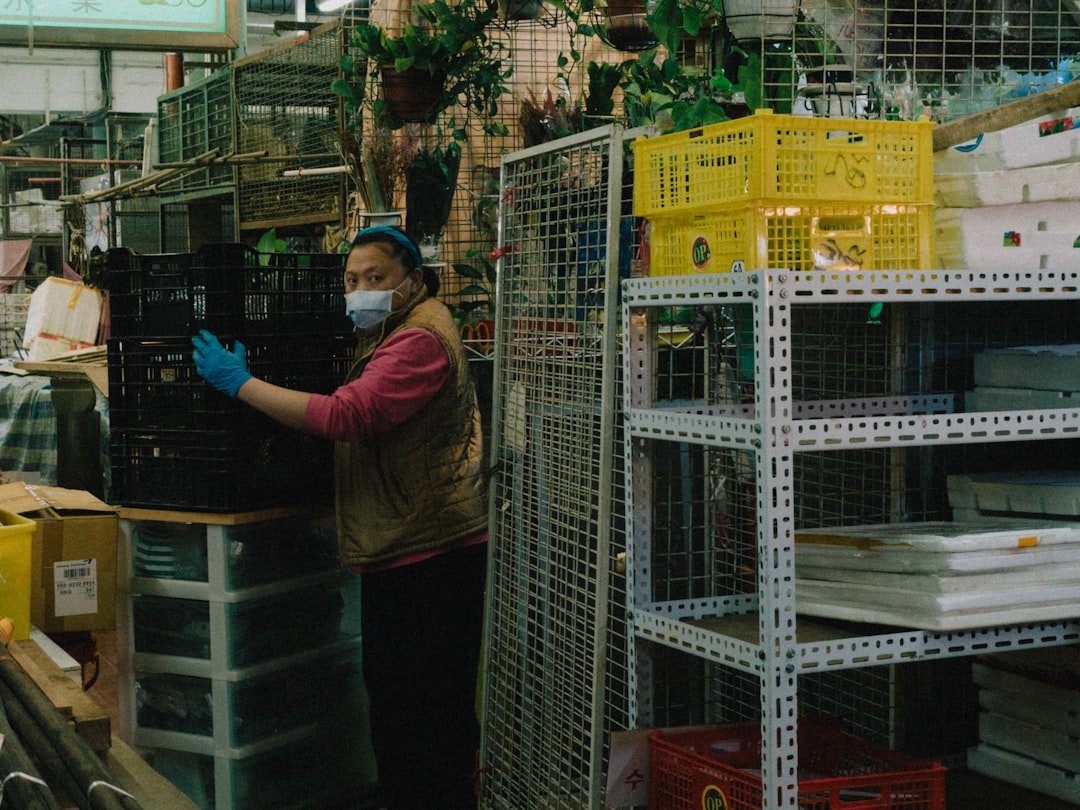
Are you struggling to build a productive kitting and light assembly team for your GCC warehouse? Efficient kitting operations assembly line warehouse staffing is a critical component for modern logistics and manufacturing success across the Gulf. Furthermore, the demand for precision and speed in e-commerce and production has intensified. Therefore, securing a skilled light assembly team is no longer optional. It is a strategic necessity for maintaining competitive advantage in fast-paced regional markets.
Kitting and light assembly processes involve preparing component kits for production or shipment. This specialized warehouse function requires a unique blend of dexterity, attention to detail, and process adherence. Moreover, GCC markets present specific challenges. These include fluctuating demand, diverse workforce nationalities, and stringent labor regulations. Consequently, a strategic approach to talent acquisition and team management is essential for operational excellence and compliance.
At Allianze HR Consultancy, we’ve successfully placed 10,000+ professionals across UAE, Saudi Arabia, Qatar, and Kuwait. Furthermore, our 5+ years of GCC expertise supports clients from 50+ countries. Moreover, our Ministry of External Affairs (India) RA license ensures compliance. Therefore, contact our recruitment specialists for expert guidance on building your ideal kitting and assembly workforce.
Understanding GCC Warehouse and Assembly Labor Dynamics
The GCC logistics and light manufacturing sector is experiencing unprecedented growth. Consequently, the need for efficient kitting and assembly personnel has surged. Regional free zones and mega-projects drive demand for precise, high-volume component preparation. Additionally, the rise of omnichannel retail requires flexible and accurate order fulfillment teams.
Key workforce considerations include cultural diversity, language skills, and technical aptitude. For instance, kitting roles often require following detailed work instructions in English or Arabic. Moreover, ergonomic practices and safety awareness are paramount. These factors prevent injuries in repetitive task environments. Therefore, understanding these dynamics is the first step toward effective recruitment.
- High demand in e-commerce fulfillment and automotive sectors.
- Need for bilingual instructions (English/Arabic) for clarity.
- Importance of ergonomic training to reduce turnover.
- Seasonal volume fluctuations requiring flexible staffing.
- Integration of technology like barcode scanners and pick-to-light systems.
Employers must navigate these nuances. A thorough grasp of local labor trends ensures a sustainable talent pipeline. Subsequently, this knowledge informs every stage of the hiring process.
Kitting Assembly Line Staffing Strategic Overview
A successful kitting assembly line staffing strategy balances immediate productivity with long-term team development. First, define the specific tasks within your operation. These may include parts picking, component assembly, quality checking, and packaging. Next, create clear role profiles for each function. This clarity attracts suitable candidates from the outset.
Furthermore, consider the layout of your assembly line or warehouse kitting station. The physical workflow directly impacts staffing needs and individual efficiency. For example, a U-shaped cell might require multi-skilled operators. Conversely, a straight-line setup may favor specialized roles. Therefore, your staffing model must align with your operational design.
- Develop multi-skilled roles to enhance flexibility and cover breaks.
- Implement a tiered structure (Team Lead, Operator, Trainee) for career progression.
- Align shift patterns with order volumes and downstream production schedules.
- Integrate quality control checkpoints staffed by experienced personnel.
- Plan for scalability to manage peak seasons and contract wins.
Strategic planning prevents understaffing and costly errors. Moreover, it creates a positive work environment that reduces attrition. Ultimately, a well-structured team is the backbone of efficient kitting operations.
Legal Framework and Compliance Standards
Compliance is non-negotiable in GCC labor markets. Every aspect of kitting assembly line warehouse staffing must adhere to local regulations. These laws govern working hours, overtime, safety standards, and employment contracts. For instance, the UAE’s employment regulations and Saudi Arabia’s Ministry of Labor regulations set clear mandates.
Additionally, international standards provide best practice frameworks. The International Labour Organization occupational safety guidelines are crucial. They address ergonomics and injury prevention in manual handling roles. Similarly, OSHA warehousing industry standards offer valuable safety protocols.
- Secure proper work visas and labor cards for all employees.
- Provide legally mandated health insurance coverage.
- Ensure employment contracts clearly define duties, hours, and compensation.
- Adhere to maximum working hours and overtime premium rules.
- Maintain rigorous standards for workplace safety and equipment use.
Non-compliance risks fines, operational shutdowns, and reputational damage. Therefore, partnering with a knowledgeable HR consultancy mitigates these risks. Expert partners ensure every hire meets all legal requirements seamlessly.
Kitting Assembly Line Staffing Best Practices
Implementing industry best practices transforms your kitting assembly line staffing from adequate to exceptional. First, develop a competency-based interview process. This approach assesses candidates on specific skills like manual dexterity, reading comprehension, and attention to detail. Moreover, incorporate practical tests. For example, a timed component sorting or small assembly task reveals true capability.
Furthermore, invest in structured onboarding and continuous training. A clear onboarding program accelerates productivity and reinforces quality standards. Additionally, cross-training team members on multiple stations boosts flexibility. Consequently, this reduces bottlenecks and maintains throughput during absences.
- Use behavioral interview questions to gauge reliability and process adherence.
- Implement shadowing periods with experienced team members.
- Establish clear Key Performance Indicators (KPIs) like kits per hour and error rate.
- Create a culture of continuous improvement with regular team feedback.
- Recognize and reward accuracy and efficiency to motivate staff.
These practices build a resilient, high-performing team. They also significantly enhance employee retention. Ultimately, a focus on best practices delivers a direct return on your staffing investment.
Documentation and Processing Steps
Efficient recruitment hinges on meticulous documentation. The process begins with obtaining and attesting to educational and experience certificates. This step is vital for visa processing across all GCC nations. Next, prepare the employment offer and contract. These documents must detail all terms in accordance with local law.
Subsequently, the medical fitness test and biometric processing follow. Each country has specific approved health centers and procedures. Meanwhile, apply for the employee’s labor card/residency permit and insurance. Finally, coordinate the mobilization and airport pickup. Each step requires precision to avoid delays.
- Collect and attest passport, photos, and professional certificates.
- Draft and sign the dual-language employment contract.
- Submit visa application through the relevant government portal (e.g., UAE’s ICP).
- Schedule and complete the medical examination at approved facilities.
- Arrange flight tickets, airport pickup, and initial accommodation.
Managing this process internally diverts resources from core operations. Therefore, many employers benefit from outsourcing. Specialized recruiters handle the entire documentation chain efficiently.
Kitting Assembly Line Staffing Implementation Timeline
A realistic timeline is crucial for planning your kitting operations assembly line warehouse staffing project. Typically, the end-to-end process requires 6 to 10 weeks. However, this varies by GCC country and candidate nationality. The initial candidate sourcing and screening phase may take 2-3 weeks. This ensures a quality shortlist for your review.
Following offer acceptance, documentation preparation and visa processing begin. This phase usually requires 3-4 weeks. Subsequently, medical checks and final travel arrangements add another 1-2 weeks. Therefore, proactive planning is essential to meet your operational start date.
- Weeks 1-2: Job profiling, market sourcing, and initial screenings.
- Weeks 3-4: Interviews, selection, and offer issuance.
- Weeks 5-7: Document attestation, visa application, and approval.
- Weeks 8-9: Medical screening and flight booking.
- Week 10: Employee arrival, final onboarding, and line integration.
Understanding this timeline prevents operational gaps. Moreover, it allows for seamless integration of new hires into your existing teams. Planning ahead is the key to a smooth staffing implementation.
Common Challenges and Solutions
Employers often face specific challenges in kitting and light assembly recruitment. High turnover is a frequent issue, often caused by repetitive tasks or inadequate training. The solution involves job rotation, ergonomic workspaces, and clear career paths. Additionally, maintaining consistent quality across shifts can be difficult. Implementing standardized work instructions and regular audits addresses this.
Another common challenge is sourcing candidates with the right blend of speed and accuracy. Broader labor pools may prioritize one over the other. The solution is a targeted recruitment campaign that highlights the technical nature of the role. Furthermore, using specialized agencies with pre-vetted talent pools saves significant time.
- Challenge: High error rates in kit preparation. Solution: Introduce visual aids and mistake-proofing (poka-yoke) techniques.
- Challenge: Communication barriers in multicultural teams. Solution: Provide basic language training and use pictogram-based instructions.
- Challenge: Scaling the team up or down quickly. Solution: Develop a pool of pre-screened temporary or contract workers.
- Challenge: Ensuring compliance with evolving safety laws. Solution: Partner with HR experts who monitor regulatory changes.
Anticipating these challenges allows for proactive strategy development. Consequently, your operations remain agile and compliant despite market fluctuations.
Expert Recommendations for Success
To build a world-class kitting and assembly team, go beyond basic hiring. First, foster a culture of ownership and quality. Empower team members to stop the line if they detect an error. This mentality reduces waste and builds pride in work. Moreover, leverage data analytics. Track performance metrics to identify training needs and process improvements.
Furthermore, consider the total employee experience. Comfortable, well-lit workspaces and regular breaks improve focus and morale. Additionally, provide access to professional recruitment resources for ongoing management development. Finally, build a strategic partnership with your recruitment provider. A partner who understands your operational goals becomes an extension of your HR team.
- Invest in ergonomic tools and adjustable workstations to reduce fatigue.
- Implement a continuous feedback loop between floor staff and supervisors.
- Benchmark your staffing ratios and productivity against regional industry standards.
- Plan succession for team lead roles to ensure uninterrupted leadership.
- Regularly review compensation packages to remain competitive in the local market.
These expert recommendations create a sustainable competitive advantage. They transform your warehouse from a cost center into a value-driving asset. Ultimately, strategic human capital management is the differentiator.
Frequently Asked Questions About Kitting Assembly Line Staffing
What is the timeline for kitting assembly line staffing?
The complete recruitment and deployment timeline typically ranges from 6 to 10 weeks. This includes sourcing, interviews, visa processing, and mobilization. Furthermore, specific GCC country regulations affect the duration. Therefore, consult our specialists for a precise project plan.
What skills are most critical for light assembly team recruitment?
Manual dexterity, attention to detail, and the ability to follow standardized work instructions are paramount. Additionally, basic numeracy and literacy are essential. Moreover, reliability and a strong work ethic are critical soft skills for high-volume environments.
How can we reduce turnover in our kitting operations?
Implement job rotation, clear career progression paths, and ergonomic improvements. Furthermore, recognize good performance publicly and ensure competitive compensation. Additionally, fostering a respectful and engaging team culture significantly improves retention rates.
Does Allianze HR assist with post-placement training?
Yes, we provide guidance on structured onboarding and training frameworks. We can connect you with resources for standard operating procedure development and quality control training. Our support ensures your new team members become productive quickly.
What are the key compliance risks in warehouse staffing?
Major risks include improper work visas, non-compliant contracts, and violations of working hour laws. Additionally, failing to meet occupational health and safety standards poses significant legal and financial risks. Our compliance experts mitigate these issues.
Can you help staff an entire new kitting facility?
Absolutely. We specialize in volume hiring and project mobilization. We manage the complete process from defining organizational structure to sourcing team leads and operators. Furthermore, we coordinate staggered arrivals to align with your operational ramp-up schedule.
Partner with Allianze HR for Warehouse Staffing Success
Building an efficient kitting and light assembly team is a complex, multi-faceted endeavor. It requires deep knowledge of local labor markets, compliance landscapes, and operational best practices. From strategic planning to final deployment, each step impacts your warehouse’s productivity and profitability. Therefore, a methodical approach to kitting assembly line staffing is your foundation for success.
Allianze HR Consultancy simplifies this critical process. Our expertise in GCC recruitment ensures you secure talented, reliable personnel who fit your operational culture. Moreover, our end-to-end management of documentation and compliance protects your business from risk. We transform your staffing challenge into a strategic advantage.
Ready to optimize your kitting operations assembly line warehouse staffing? Let us help you build a team that drives accuracy, efficiency, and growth. Explore our professional recruitment resources for more insights. Then, take the next step. Schedule a consultation appointment with our specialists today. Together, we will design a staffing solution that powers your operational excellence across the GCC.