


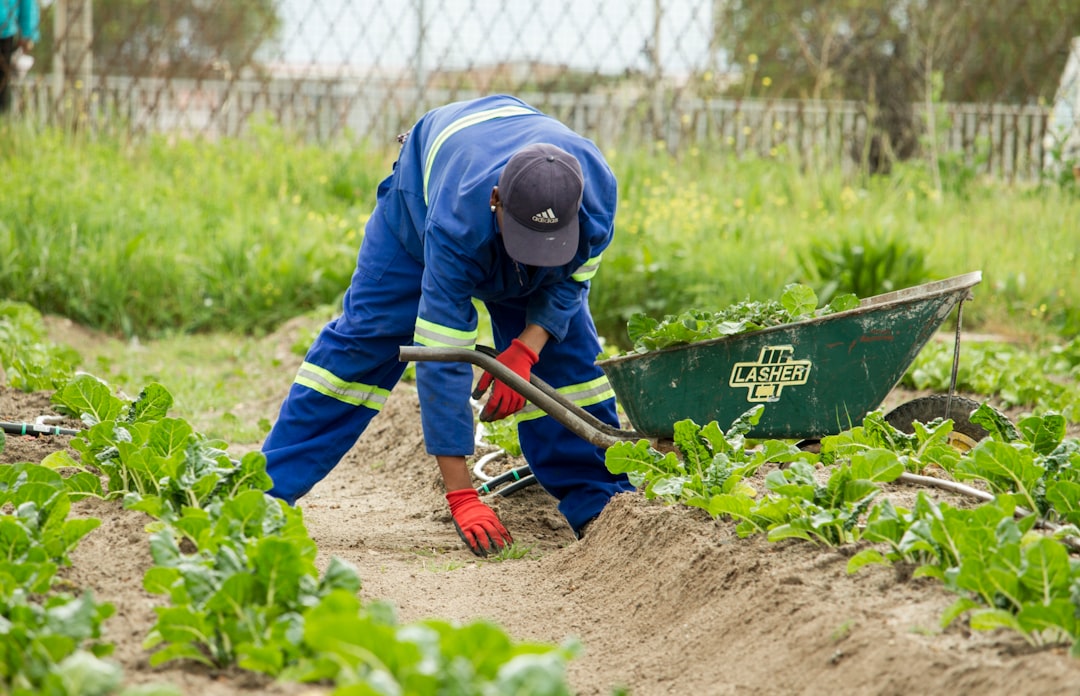
How can GCC employers ensure their landscaping and green space projects meet the highest standards for worker welfare? Furthermore, the region’s ambitious urban development and sustainability goals demand extensive green infrastructure. Consequently, the workforce maintaining these spaces requires specific welfare provisions. Understanding landscaping worker welfare standards is essential for legal compliance and operational excellence. Moreover, it directly impacts productivity, retention, and corporate reputation.
GCC nations are investing heavily in parks, urban forests, and beautification projects. Therefore, the demand for skilled landscaping labor continues to grow. Additionally, labor laws increasingly emphasize dignified living conditions and recreational access. Specifically, regulations now address planted area specifications and outdoor space quality. These standards ensure worker wellbeing aligns with the very green spaces they cultivate.
At Allianze HR Consultancy, we’ve successfully placed 10,000+ professionals across UAE, Saudi Arabia, Qatar, and Kuwait. Furthermore, our 5+ years of GCC expertise supports clients from 50+ countries. Moreover, our Ministry of External Affairs (India) RA license ensures compliance. Therefore, contact our recruitment specialists for expert guidance on deploying a welfare-compliant landscaping workforce.
Understanding GCC Green Space Labor Requirements
GCC labor regulations extend beyond basic accommodation. Specifically, they address the unique environment of landscape maintenance teams. These workers often operate in remote or challenging outdoor locations. Consequently, their welfare needs differ from indoor or factory-based staff. Employers must consider proximity to worksites, climate challenges, and recreational needs.
Furthermore, the International Labour Organization emphasizes safe and healthy working environments for all. This includes outdoor workers exposed to sun, heat, and chemicals. Additionally, regional initiatives like the UAE’s Green Agenda 2035 influence labor standards. Therefore, integrating welfare with sustainability goals becomes a strategic advantage.
Key considerations for employers include:
- Climate-appropriate housing with reliable cooling systems.
- Access to potable water and shaded rest areas on-site.
- Provisions for protective equipment against sun and pesticides.
- Transportation standards for crew movement between sites.
- Medical facilities equipped for heat stress and injury treatment.
Moreover, compliance is not uniform across the Gulf. For example, Saudi Arabia’s Vision 2030 and Qatar’s Supreme Committee standards have specific nuances. Therefore, a localized understanding is critical. Partnering with experts ensures your welfare plans meet all jurisdictional mandates.
Landscaping Worker Welfare Standards Strategic Overview
A strategic approach to landscaping worker welfare standards transforms compliance into value. Firstly, it reduces absenteeism and turnover in a specialized field. Secondly, it enhances project quality through a healthier, more motivated workforce. Thirdly, it mitigates legal and reputational risks associated with substandard labor camps.
Furthermore, a comprehensive strategy addresses three core areas: accommodation, worksite conditions, and recreation. Each area requires detailed planning and investment. For instance, accommodation must be within reasonable distance of project sites. Long commutes in extreme heat add unnecessary risk and fatigue. Additionally, worksites need mandated rest shelters and hydration stations.
The World Health Organization highlights the importance of mental wellbeing. Access to green and recreational spaces for workers themselves is crucial. Therefore, welfare strategy must include planned outdoor areas within living compounds. This creates a holistic environment that respects the worker’s profession and humanity.
Implementing this strategy involves:
- Conducting a needs assessment for specific projects and teams.
- Budgeting for welfare infrastructure as a core project cost.
- Developing clear policies and training for site supervisors.
- Establishing monitoring and feedback mechanisms with workers.
- Integrating welfare KPIs into project management dashboards.
Ultimately, strategic welfare planning is a competitive differentiator. It attracts higher-quality talent and fosters long-term loyalty. Moreover, it demonstrates corporate social responsibility to clients and regulators.
Legal Framework and Compliance Standards
Navigating the GCC’s legal landscape for labor welfare is complex. Each country has evolving regulations enforced by ministries of labor and human resources. For example, the UAE’s Ministerial Resolution No. 44 of 2022 outlines strict accommodation standards. Similarly, Saudi Arabia’s Ministry of Labor issues detailed guidelines for housing and facilities.
Moreover, these laws increasingly specify green space requirements within labor accommodations. They are not merely aesthetic. Specifically, planted areas contribute to mental wellbeing, air quality, and community feeling. Consequently, compliance requires understanding both quantitative and qualitative specifications. This includes minimum square meters of green space per worker and tree planting standards.
Key legal pillars include:
- Accommodation Laws: Covering space per person, sanitation, kitchens, and utilities.
- Occupational Health & Safety (OHS): Mandating worksite protections for outdoor roles.
- Recreation Directives: Requiring sports and leisure facilities in large camps.
- Environmental Codes: Often linking project sustainability to worker living conditions.
Furthermore, non-compliance carries severe penalties. These range from hefty fines and project stoppages to blacklisting and deportation of managers. Therefore, proactive legal adherence is the only sustainable path. Regular audits and staying updated on regulatory changes are essential practices. Accessing professional recruitment resources helps maintain this vigilance.
Landscaping Worker Welfare Standards Best Practices
Adopting best practices elevates your approach beyond basic legal landscaping worker welfare standards. Firstly, engage workers in the design of their recreational spaces. Their input ensures facilities are actually used and valued. Secondly, integrate welfare facilities with the landscape projects themselves. For instance, use nursery areas for training and allow workers to cultivate personal garden plots.
Furthermore, leverage technology for welfare management. Use apps for reporting maintenance issues in accommodations. Additionally, implement environmental sensors to monitor heat stress risks on sites. Moreover, provide climate-appropriate uniforms with moisture-wicking fabrics and UV protection. These practical steps demonstrate genuine care and improve daily working conditions.
Best practices for planted and recreational areas include:
- Selecting low-water, shade-providing native plant species for camp landscaping.
- Creating dedicated multi-use sports fields and walking tracks.
- Installing robust, shaded seating and social gathering areas.
- Ensuring all green spaces are fully irrigated and maintained.
- Providing equipment for sports and group activities.
Additionally, consider cultural and dietary needs in welfare planning. Provide prayer spaces and cater to diverse culinary preferences. These considerations foster an inclusive community. Consequently, they reduce social friction and build team cohesion. The World Bank notes that such holistic approaches are key to sustainable urban development, including its workforce.
Documentation and Processing Steps
Robust documentation is the backbone of proving welfare compliance. Firstly, maintain detailed records of accommodation certificates and inspection reports. Secondly, document all training provided on heat stress, equipment use, and pesticide handling. Thirdly, keep inventories of welfare assets, from recreation equipment to first-aid kits.

Furthermore, the worker onboarding process must include welfare orientation. New hires should receive handbooks outlining their rights and available facilities. Additionally, clear procedures for raising welfare concerns must be established and communicated. This documentation trail is crucial during government audits or incident investigations.
Essential documentation includes:
- Approved accommodation blueprints and municipal permits.
- Monthly maintenance and cleaning logs for all facilities.
- Records of recreational equipment provision and green space maintenance.
- Signed acknowledgments from workers receiving welfare briefings.
- Photographic evidence of compliant living and recreational areas.
Moreover, processing welfare-related requests efficiently is vital. This includes systems for repairing facilities or addressing overcrowding. Delays can quickly escalate into grievances. Therefore, establish a dedicated channel, possibly through HR or camp management. Streamlining this process shows respect for worker wellbeing and prevents small issues from becoming major problems.
Landscaping Worker Welfare Standards Implementation Timeline
Implementing comprehensive landscaping worker welfare standards requires phased planning. A typical timeline spans 8-12 weeks for new projects. The first phase involves assessment and design. This includes site selection for accommodations and planning green spaces. Furthermore, it requires budgeting and vendor selection for construction and landscaping.
The second phase focuses on construction and setup. This must align with the main project’s mobilization schedule. Meanwhile, develop policies and training materials for managers. The final phase is activation and monitoring. This involves moving workers in, conducting orientations, and establishing feedback loops.
A sample 10-week timeline:
- Weeks 1-2: Needs assessment, regulatory review, and preliminary design.
- Weeks 3-5: Finalize blueprints, obtain permits, and procure contractors.
- Weeks 6-8: Construct facilities, install utilities, and landscape green areas.
- Week 9: Final inspections, snagging, and preparation for occupancy.
- Week 10: Worker move-in, orientation, and launch of monitoring systems.
Furthermore, for existing operations, implementation may involve retrofitting. This timeline can be more complex due to ongoing occupancy. Therefore, a staggered approach is often necessary. Regardless of the scenario, clear project management is critical. Schedule a consultation appointment to develop a realistic, compliant timeline for your specific context.
Common Challenges and Solutions
Employers frequently encounter challenges when elevating welfare standards. A primary issue is cost perception. However, the return on investment through reduced turnover and higher productivity is significant. Secondly, remote project locations can limit access to materials and utilities. Planning for off-grid solutions, like solar power and water recycling, is key.
Another common challenge is maintaining green spaces in arid climates. This requires expert knowledge in xeriscaping and efficient irrigation. Partnering with a local horticultural firm can provide this expertise. Furthermore, ensuring worker engagement with provided facilities can be difficult. Solutions include forming recreation committees and organizing regular group activities.
Additional challenges and solutions:
- Challenge: High summer temperatures limiting outdoor recreation.
Solution: Build shaded, fan-cooled communal areas and schedule activities for cooler evenings.
- Challenge: Varying interpretations of regulations by inspectors.
Solution: Engage with authorities during the design phase for pre-approval.
- Challenge: Cultural diversity leading to different recreational preferences.
Solution: Offer a variety of activity options, from cricket pitches to volleyball courts.
Moreover, continuous improvement is vital. Regularly survey worker satisfaction with welfare facilities. Subsequently, use this feedback to make incremental upgrades. This proactive approach prevents discontent and demonstrates ongoing commitment. Resources from the UAE’s green building regulations can also inform sustainable welfare design.
Expert Recommendations for Success
To ensure long-term success, integrate welfare standards into your corporate culture. Leadership must champion these initiatives visibly. Furthermore, appoint dedicated welfare officers for large camps or projects. These individuals act as advocates and problem-solvers for the workforce.
Additionally, benchmark your standards against industry leaders, not just legal minimums. Many progressive contractors in the GCC now treat welfare as a key bid differentiator. Moreover, pursue third-party certifications for your labor accommodations. These provide independent validation and enhance your reputation with clients and investors.
Final expert recommendations include:
- Invest in training for camp managers on interpersonal skills and conflict resolution.
- Develop partnerships with medical providers for regular on-site health check-ups.
- Use welfare excellence as a marketing tool in project proposals and tenders.
- Implement digital tools for transparent grievance reporting and resolution tracking.
- Celebrate and recognize teams that maintain excellent welfare standards.
Remember, welfare is an ongoing commitment, not a one-time setup. Budget for recurring maintenance, upgrades, and program development. Consequently, your workforce will feel valued and secure. This environment fosters the dedication needed to create and maintain the beautiful green spaces defining the modern GCC. Standards from OSHA and other bodies provide a strong foundation for these continuous efforts.
Frequently Asked Questions About Landscaping Worker Welfare Standards
What are the minimum green space requirements per worker in GCC camps?
Requirements vary by emirate and kingdom. Generally, guidelines suggest a minimum of 2-3 square meters of planted or recreational area per occupant. Furthermore, these areas must be functional, maintained, and accessible. Therefore, consulting local municipality guidelines is essential for precise compliance.
How do outdoor recreation standards differ for landscaping crews?
Given their physically demanding outdoor work, recreation focuses on relaxation and community. Standards emphasize shaded social areas, sports facilities for different games, and accessible green spaces. Moreover, providing facilities distinct from their worksite environment is crucial for mental respite.
What are the penalties for non-compliance with welfare standards?
Penalties can be severe, including substantial fines (often per worker), project work stoppages, visa processing bans, and company blacklisting. Additionally, repeated violations may lead to criminal charges against responsible managers. Consequently, proactive compliance is far more cost-effective.
Can existing labor camps be upgraded to meet new planted area specifications?
Yes, retrofitting is common. It often involves reconfiguring parking or unused areas into green spaces. Using vertical gardens, potted trees, and hardy ground cover can maximize limited space. However, a professional assessment is recommended to plan feasible, compliant upgrades.
How does Allianze HR support clients with welfare compliance?
We guide clients on welfare requirements during workforce planning and deployment. Furthermore, we connect employers with vetted partners for accommodation design and management. Moreover, our compliance team ensures recruitment contracts and policies align with the latest GCC labor welfare laws.
Are welfare standards different for temporary vs. permanent project sites?
The core welfare principles remain the same. However, implementation may differ. Temporary sites might use modular,