


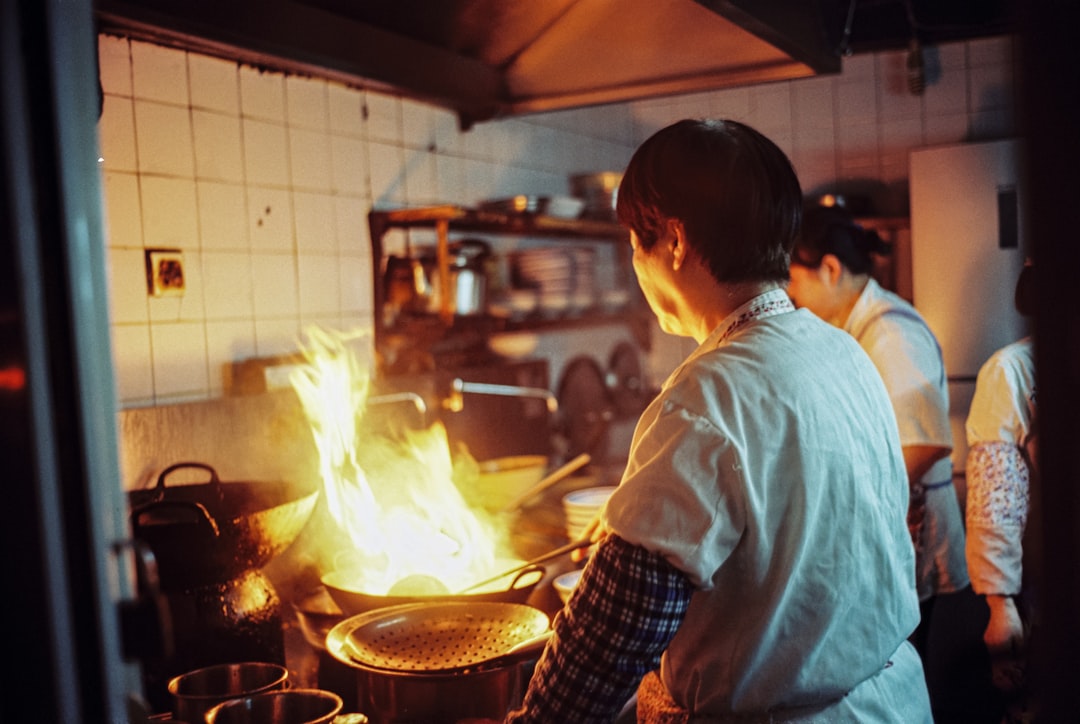
How can restaurants in the GCC’s booming hospitality sector secure reliable, skilled line cooks at scale? The demand for hot food production talent is surging. Consequently, mass staffing for kitchen stations presents a critical operational challenge. This guide provides a strategic framework for line cooks hot food production bulk recruitment. Furthermore, it addresses the unique complexities of the Gulf’s competitive labor market.
The GCC’s hospitality industry is experiencing unprecedented growth. Major events and tourism expansions drive this trend. Therefore, consistent kitchen output is paramount for success. Station cook recruitment directly impacts service quality and profitability. Moreover, understanding regional visa norms and cultural expectations is essential. Employers must navigate these waters carefully.
At Allianze HR Consultancy, we’ve successfully placed 10,000+ professionals across UAE, Saudi Arabia, Qatar, and Kuwait. Furthermore, our 5+ years of GCC expertise supports clients from 50+ countries. Moreover, our Ministry of External Affairs (India) RA license ensures compliance. Therefore, contact our recruitment specialists for expert guidance on your bulk kitchen staffing needs.
Understanding GCC Kitchen Staffing Requirements
GCC restaurants require specific culinary skill sets. Hot food production roles demand precision and speed. Different stations need specialized knowledge. For example, grill, sauté, and fry cooks each have unique duties. Additionally, local food safety standards are exceptionally high. Therefore, recruitment must prioritize both skill and compliance awareness.
Cultural adaptation is another key factor. Kitchen teams in the Gulf are often multicultural. Consequently, effective communication and teamwork are vital. Employers should seek candidates with international experience. Moreover, understanding halal food preparation protocols is non-negotiable. This ensures all kitchen operations meet regional religious and legal standards.
Typical requirements for line cooks include:
- Proven experience in high-volume à la carte or buffet service.
- Certification in food safety (e.g., HACCP, ServSafe).
- Ability to work in high-temperature, fast-paced environments.
- Knowledge of international and local cuisine standards.
- Flexibility to work long shifts, including weekends and holidays.
Furthermore, the International Labour Organization hospitality standards provide a global benchmark. Aligning recruitment with these principles promotes fair labor practices. This enhances employer reputation and staff retention significantly.
Line Cooks Hot Food Production Strategic Overview
A strategic approach to line cooks hot food production mass staffing is essential. First, define the exact scope of your recruitment drive. Calculate the number of cooks needed per station and shift. Next, identify the specific technical skills required. This clarity streamlines the entire candidate sourcing and screening process.
Developing a compelling employer value proposition is crucial. The GCC market is highly competitive for culinary talent. Therefore, offer packages that include suitable accommodation, transportation, and career growth. Additionally, highlight training opportunities and workplace safety standards. This makes your vacancies more attractive to top candidates.
Partnering with a specialized agency like Allianze HR offers distinct advantages. We maintain extensive networks in key sourcing countries. Moreover, our pre-screening includes practical skill assessments. Consequently, you receive candidates who are both qualified and deployment-ready. This reduces time-to-hire and prevents costly mis-hires.
Key strategic steps include:
- Conducting a detailed manpower gap analysis for all kitchen stations.
- Creating standardized job descriptions and skill matrices.
- Designing a streamlined, high-volume interview and assessment workflow.
- Planning for batch onboarding and group visa processing.
- Implementing a robust orientation program for cultural and procedural integration.
Legal Framework and Compliance Standards
GCC labor laws govern all foreign worker recruitment. Each country has specific regulations for the hospitality sector. For instance, Saudi Arabia’s Ministry of Labor regulations set wage and contract standards. Similarly, UAE mandates strict visa and immigration procedures. Non-compliance results in severe penalties.
Employment contracts must be transparent and attested. They should clearly state job title, salary, working hours, and benefits. Furthermore, they must comply with the International Labour Organization standards on fair terms. This protects both employer and employee. Additionally, it ensures smooth government processing.
Health and safety compliance is paramount. Kitchens are high-risk environments. Therefore, employers must adhere to local occupational safety laws. This includes providing proper uniforms, equipment, and training. Moreover, regular inspections by municipalities are common. Proactive compliance avoids operational disruptions.
Essential compliance documents include:
- Ministry-approved labor contract in Arabic and English.
- Valid trade license and establishment card copies.
- Educational and experience certificate attestation from relevant authorities.
- Medical fitness certificates from approved centers.
- Proof of adequate worker accommodation meeting local standards.
Line Cooks Hot Food Production Best Practices
Implementing best practices ensures your line cooks hot food production recruitment is efficient and effective. First, utilize skill-based assessments during screening. Practical cooking tests reveal true capability better than resumes. Additionally, conduct behavioral interviews to gauge stress management and teamwork. This combination identifies candidates who will thrive in a busy GCC kitchen.
Standardizing the onboarding process is critical for mass hires. Develop a comprehensive welcome program. It should cover company culture, kitchen protocols, and local laws. Furthermore, assign mentors from your existing senior kitchen staff. This accelerates integration and boosts early productivity. Consequently, the entire team becomes operational faster.
Invest in continuous training and certification. The culinary field evolves constantly. Therefore, offer regular upskilling in new techniques and cuisines. Partner with institutions for food safety recertification. This commitment to development reduces turnover. Moreover, it aligns with World Health Organization food safety guidelines for ongoing education.
Recommended best practices include:
- Using video interviews to pre-screen international candidates efficiently.
- Creating a “bench” or talent pool for future staffing needs.
- Implementing a fair and transparent performance appraisal system.
- Ensuring clear communication channels between management and kitchen staff.
- Regularly reviewing compensation packages to remain market-competitive.
Documentation and Processing Steps
Accurate documentation is the backbone of bulk recruitment. The process begins with obtaining quota approvals from the relevant Ministry. Next, draft and attest the employment contracts. This step requires precision to avoid rejection. Subsequently, apply for entry permits or work visas for selected candidates.
Candidate-side documentation is equally important. They must provide attested educational and experience certificates. Additionally, they need a valid passport and personal documents. Furthermore, police clearance certificates are often mandatory. Our team at Allianze HR manages this entire verification chain. We ensure every document meets embassy and ministry requirements.
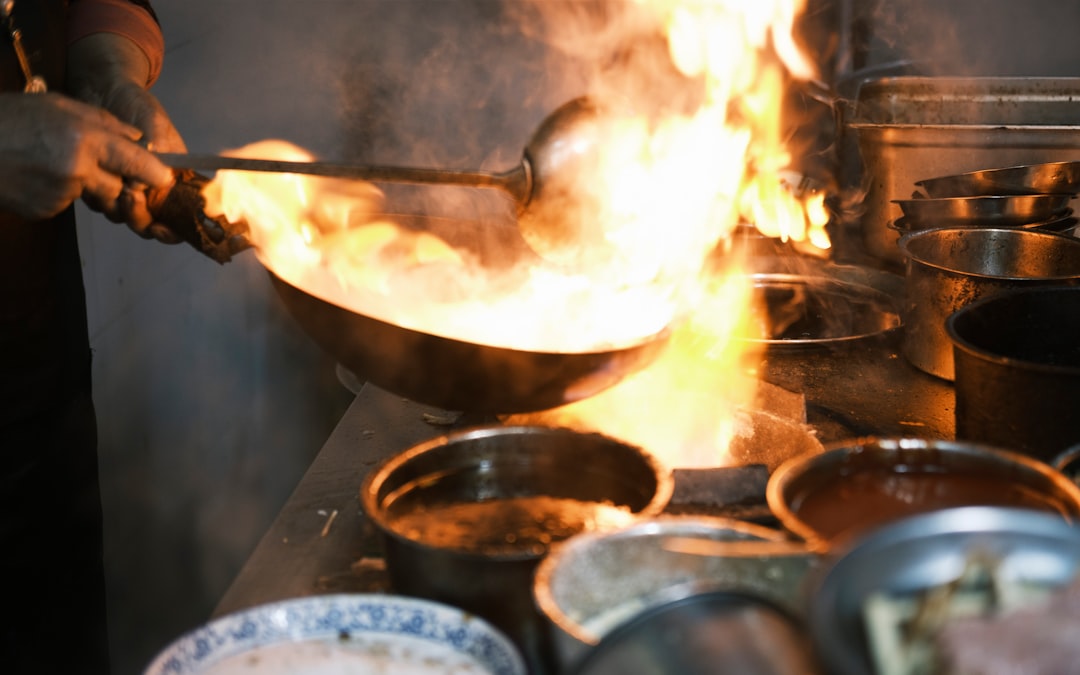
Medical screening is a mandatory step upon arrival. GCC countries require tests for infectious diseases. Approved government health centers conduct these exams. Moreover, biometric registration and Emirates ID/QID processing follow. Finally, the labor contract is stamped, and the worker is ready to start. Each step must follow the official sequence.
Key processing stages are:
- Step 1: Quota approval and job offer issuance.
- Step 2: Contract attestation at the origin country embassy and GCC embassy.
- Step 3: Entry permit/E-visa issuance and travel coordination.
- Step 4: Medical examination and biometric registration in the host country.
- Step 5: Labor card/Residency permit issuance and onboarding commencement.
Line Cooks Hot Food Production Implementation Timeline
A realistic timeline is vital for planning your kitchen’s expansion. The entire cycle for line cooks hot food production mass staffing typically spans 6 to 10 weeks. However, this depends on the destination country and candidate origin. Proactive planning with a recruitment partner can optimize this schedule significantly.
The initial phase involves sourcing and selection. This can take 2-3 weeks. It includes advertising, screening, and conducting interviews. Subsequently, the documentation and visa process begins. This phase is the most variable. It can take 3-5 weeks depending on government processing speeds. Therefore, building buffer time into your project plan is wise.
Finally, the deployment and onboarding phase takes 1-2 weeks. This includes travel, medicals, and final government formalities. Effective coordination ensures new hires start together as a team. This minimizes disruption to your kitchen’s operations. Moreover, it allows for group training, which is more efficient.
A sample timeline breakdown:
- Weeks 1-2: Manpower planning, JD finalization, and agency briefing.
- Weeks 3-4: Active candidate sourcing, screening, and final selection.
- Weeks 5-7: Document collection, attestation, and visa application processing.
- Weeks 8-9: Travel arrangements, medical screening, and biometrics.
- Week 10: Labor card issuance, facility orientation, and deployment to stations.
Common Challenges and Solutions
Mass recruitment of kitchen staff presents several common hurdles. High attrition rates in the hospitality sector are a primary concern. Candidates may accept offers but not arrive. To counter this, maintain clear communication and provide pre-departure support. Additionally, work with reputable partners who have strong candidate relationships.
Skill verification from distant locations is another challenge. Paper credentials can be misleading. The solution is implementing rigorous practical assessments via video or at local assessment centers. Furthermore, checking references with previous employers in the GCC is invaluable. This provides insights into past performance and adaptability.
Navigating frequent changes in immigration policy is difficult. GCC labor laws can evolve quickly. Therefore, partnering with a consultancy that has dedicated compliance teams is essential. They monitor World Bank tourism sector reports and local gazettes. This ensures your recruitment strategy remains lawful and current.
Additional challenges and solutions:
- Challenge: Cultural and language barriers in the kitchen.
Solution: Hire for diversity and provide basic language training.
- Challenge: Long processing times causing candidate drop-off.
Solution: Set clear expectations and provide regular status updates.
- Challenge: Ensuring provided accommodation meets promised standards.
Solution: Conduct pre-arrival inspections and partner with verified housing providers.
Expert Recommendations for Success
For sustainable success, integrate recruitment with retention strategy. Hiring at scale is only the first step. Therefore, focus on creating a positive, professional kitchen culture. Recognize good performance and provide clear career pathways. This transforms a high-turnover role into a stable career destination for cooks.
Leverage technology throughout the recruitment lifecycle. Use Applicant Tracking Systems (ATS) to manage high-volume applications. Additionally, utilize digital platforms for contract signing and document submission. This reduces administrative burden and errors. Moreover, it provides a transparent experience for candidates.
Build long-term partnerships with recruitment agencies. Do not treat them as transactional vendors. A partner like Allianze HR becomes an extension of your HR team. We provide market intelligence and proactive talent pipelining. Consequently, you gain a strategic advantage in the competitive talent market. Explore our professional recruitment resources for deeper insights.
Final expert recommendations:
- Audit your kitchen staffing needs quarterly, not just when a crisis hits.
- Develop a strong employer brand specifically for culinary professionals.
- Ensure your health and safety protocols exceed local minimum standards.
- Foster a culture of continuous learning and culinary innovation.
- Schedule consultation appointment with specialists to review your staffing plan annually.
Frequently Asked Questions About Line Cooks Hot Food Production
What is the timeline for line cooks hot food production mass staffing?
The complete timeline typically ranges from 6 to 10 weeks. This includes sourcing, documentation, visa processing, and deployment. Furthermore, factors like country of origin and destination affect duration. Therefore, consult our specialists for a precise project plan.
What documentation is required for bulk kitchen recruitment?
Key documents include attested educational certificates, experience letters, passport copies, and medical reports. Additionally, employers must provide a valid trade license and quota approval. Moreover, employment contracts require dual-language attestation from relevant authorities.
How can we verify the practical skills of overseas line cook candidates?
We recommend structured video skill assessments. Candidates can demonstrate knife skills or prepare a specific dish on camera. Additionally, practical tests at our regional assessment centers provide hands-on verification. Furthermore, detailed reference checks with previous GCC employers are crucial.
What are the key compliance risks in mass hiring for restaurants?
Major risks include improper contract attestation, invalid visa status, and non-compliance with local wage protection systems. Additionally, providing substandard accommodation violates labor laws. Partnering with a licensed agency mitigates these risks through expert guidance and verification.
How does Allianze HR ensure food safety standards are met?
We pre-screen for valid food handler certificates (HACCP, ServSafe). Moreover, our interviews include questions on critical safety protocols. We also advise clients on integrating WHO food safety principles into their onboarding, ensuring all recruits understand local standards.
Can you help with staffing for specific cuisine types or restaurant concepts?
Absolutely. Our sourcing is tailored to your concept—whether fine dining, fast-casual, or ethnic cuisine. We target candidates with relevant portfolio experience. Furthermore, we understand the specific skill sets needed for different hot food production stations within your unique kitchen layout.
Partner with Allianze HR for Kitchen Staffing Success
Securing a reliable team for line cooks hot food production is a complex, high-stakes endeavor. This guide has outlined the strategic, legal, and practical steps for success. From understanding GCC-specific requirements to executing a flawless mass onboarding, each phase demands expertise. Moreover, the competitive landscape requires a partner who can deliver quality at scale.