


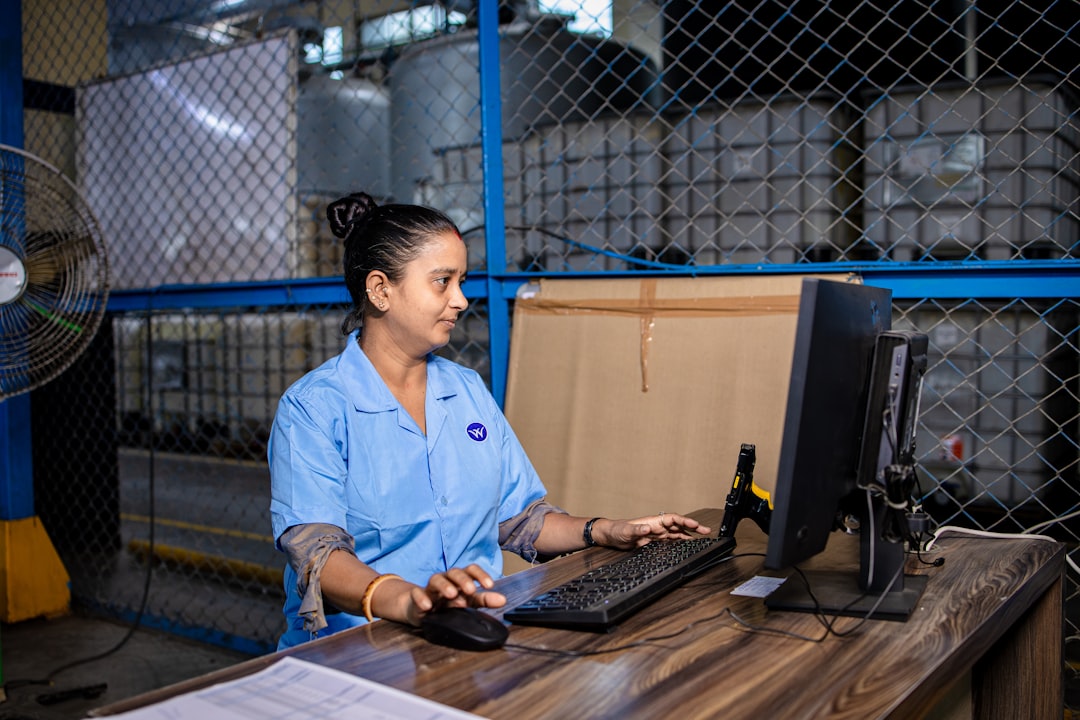
Are you struggling to find the right talent to manage the complex flow of materials in your GCC factory? The efficiency of your entire manufacturing operation hinges on skilled logistics coordinators. Consequently, securing these specialists is a critical strategic priority. This guide provides a comprehensive roadmap for successful logistics coordinators manufacturing supply chain recruitment in the competitive Gulf market.
Manufacturing in the GCC is rapidly evolving with ambitious diversification plans. Therefore, the demand for supply chain and logistics expertise has surged. Moreover, regional logistics hubs in the UAE, Saudi Arabia, and Qatar require professionals who understand both global standards and local nuances. Specifically, a factory logistics specialist ensures raw materials arrive on time and finished goods reach customers efficiently.
At Allianze HR Consultancy, we’ve successfully placed 10,000+ professionals across UAE, Saudi Arabia, Qatar, and Kuwait. Furthermore, our 5+ years of GCC expertise supports clients from 50+ countries. Moreover, our Ministry of External Affairs (India) RA license ensures compliance. Therefore, contact our recruitment specialists for expert guidance on your talent acquisition needs.
Understanding GCC Manufacturing Logistics Roles
The manufacturing landscape across the Gulf requires distinct logistical expertise. First, coordinators must manage intricate import/export procedures through regional ports like Jebel Ali or King Abdullah Port. Second, they navigate free zone regulations and customs clearance specific to each GCC state. Additionally, they coordinate with diverse transportation networks across desert and urban environments.
Furthermore, the role extends beyond simple coordination. A proficient specialist optimizes warehouse space, manages inventory turnover, and implements lean principles. They also ensure compliance with local safety standards for material handling. Moreover, they act as a critical link between production planners, procurement teams, and distribution channels.
- Material Requirements Planning (MRP) system proficiency.
- Cross-docking and just-in-time (JIT) delivery coordination.
- Supplier relationship management within GCC economic zones.
- Real-time shipment tracking and exception management.
- Cost analysis for freight, warehousing, and duty charges.
Therefore, identifying candidates with this multifaceted skill set is essential. For more insights, explore our professional recruitment resources.
Logistics Coordinators Manufacturing Supply Chain Strategic Overview
A strategic approach to hiring logistics coordinators manufacturing supply chain professionals delivers significant competitive advantage. First, define whether you need a coordinator for inbound, outbound, or end-to-end supply chain management. Next, assess the specific manufacturing sector, whether it’s automotive, pharmaceuticals, FMCG, or industrial goods. Each sector has unique regulatory and operational demands.
Furthermore, consider the technological landscape of your operation. Modern manufacturing relies on Warehouse Management Systems (WMS), Enterprise Resource Planning (ERP), and IoT tracking. Consequently, candidates must demonstrate digital fluency alongside traditional logistical knowledge. Moreover, sustainability initiatives are gaining prominence in GCC manufacturing, requiring awareness of green logistics practices.
- Strategic alignment of logistics talent with business growth plans.
- Assessment of technical skills in specific logistics software platforms.
- Evaluation of problem-solving abilities for supply chain disruption.
- Importance of cultural fit within the GCC work environment.
- Planning for succession and career progression pathways.
Hence, a targeted recruitment strategy is not just about filling a vacancy. It is about building a resilient and efficient manufacturing backbone. The International Labour Organization occupational safety standards also influence modern logistics roles.
Legal Framework and Compliance Standards
Compliance is non-negotiable when recruiting for manufacturing logistics roles in the GCC. Firstly, employers must adhere to nationalization policies like Saudi Arabia’s Nitaqat or the UAE’s Emiratisation. These policies mandate specific quotas for hiring local citizens. Secondly, work visa and labor card processes for expatriate coordinators require meticulous documentation.
Additionally, sector-specific regulations apply. For example, logistics personnel handling food, pharmaceuticals, or hazardous materials need special certifications. Furthermore, contractual terms, working hours, and overtime compensation must align with the GCC state’s labor law. Moreover, understanding the OSHA warehousing industry standards is crucial for workplace safety compliance.
- Valid employment visa and residency permit (Iqama/GCC equivalent).
- Educational certificate attestation from home and host countries.
- Medical fitness certificates from approved health centers.
- Compliance with local customs and trade regulations.
- Adherence to UAE employment regulations or equivalent.
Therefore, partnering with a knowledgeable recruiter mitigates legal risks. They ensure every step from offer letter to onboarding follows statutory requirements.
Logistics Coordinators Manufacturing Supply Chain Best Practices
Implementing best practices in your logistics coordinators manufacturing supply chain recruitment process ensures quality hires. Begin with a competency-based job description that details technical and soft skills. Specifically, highlight needs like inventory accuracy, carrier negotiation, and ERP use. Next, utilize structured interviews with scenario-based questions about common supply chain challenges.
Moreover, incorporate practical assessments. For instance, ask candidates to analyze a sample shipment data set or plan a route optimization. Furthermore, conduct thorough reference checks focusing on previous achievements in reducing costs or improving delivery times. Additionally, consider the candidate’s adaptability to the GCC’s multicultural work environment and business etiquette.
- Develop a standardized scoring matrix for candidate evaluation.
- Include team members from production and procurement in interviews.
- Verify hands-on experience with relevant WMS/ERP software.
- Assess knowledge of Incoterms and international trade documentation.
- Check for continuous professional development in supply chain trends.
Consequently, a rigorous selection process identifies professionals who can drive tangible operational improvements. Resources from the World Health Organization occupational health can inform workplace wellness aspects of the role.
Documentation and Processing Steps
The documentation phase is critical for a smooth hiring journey. Initially, the signed employment contract must specify all terms, including role, salary, benefits, and probation period. Subsequently, the employer initiates the visa application process with the relevant Ministry of Human Resources. This step requires submitting the contract along with company commercial documents.
Meanwhile, the candidate begins attestation of educational and professional certificates. This often involves verification from home country authorities and the GCC embassy. Following this, the candidate undergoes a mandatory medical examination at an approved facility. Finally, upon visa approval, the candidate receives an entry permit to travel to the GCC country for Emirates ID/biometric processing.
- Employment contract aligned with GCC labor law templates.
- Passport copies with minimum validity of two years.
- Attested degree/diploma certificates and previous experience letters.
- Medical fitness certificate for communicable diseases.
- Company’s trade license and chamber of commerce certificate copies.
Thus, meticulous attention to each document prevents delays. For personalized support, schedule consultation appointment with our team.
Logistics Coordinators Manufacturing Supply Chain Implementation Timeline
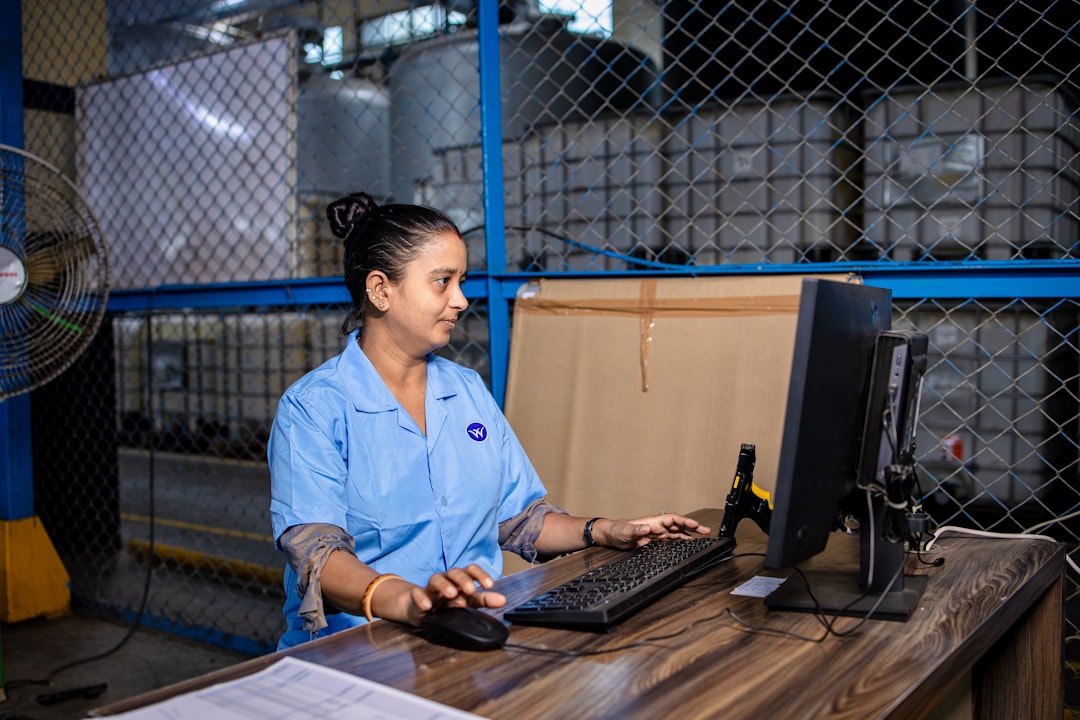
Understanding the realistic timeline for deploying logistics coordinators manufacturing supply chain talent is vital for planning. Typically, the end-to-end process takes 6 to 10 weeks. The first phase, candidate sourcing and selection, can require 2-4 weeks depending on the role’s seniority and specificity. Subsequently, offer acceptance and initial documentation collection take about 1 week.
Next, the government processing phase for visa and work permits generally spans 3-5 weeks. This duration fluctuates based on the GCC country, current ministry workloads, and document accuracy. Furthermore, the candidate’s notice period with their current employer must be factored in. Finally, onboarding and integration into your manufacturing team require another 1-2 weeks for full productivity.
- Weeks 1-4: Sourcing, screening, interviewing, and selection.
- Week 5: Offer finalization and initial document gathering.
- Weeks 6-10: Visa processing, medicals, and travel arrangements.
- Week 11: Arrival, biometrics, and company orientation.
- Week 12+: Role-specific training and performance ramp-up.
Therefore, proactive timeline management ensures your production line suffers no disruption from talent gaps. Global insights from the World Bank trade and logistics reports underscore the economic importance of efficient timelines.
Common Challenges and Solutions
Employers frequently encounter specific hurdles in logistics recruitment. A primary challenge is the scarcity of candidates with both GCC experience and modern technical skills. The solution involves tapping into broader international talent pools while offering upskilling programs. Another common issue is visa rejection due to documentation errors or quota limits.
Moreover, cultural mismatches can lead to early attrition. Therefore, incorporating cultural awareness assessments during interviews is beneficial. Additionally, salary expectations may exceed local benchmarks for highly specialized coordinators. Consequently, structuring competitive, transparent compensation packages with clear KPIs is essential. Furthermore, retaining talent requires clear career paths and recognition within the manufacturing hierarchy.
- Challenge: High demand for bilingual (Arabic/English) coordinators. Solution: Prioritize language skills early in sourcing.
- Challenge: Long notice periods delaying start dates. Solution: Negotiate early release or consider contract buy-outs.
- Challenge: Verification of overseas experience authenticity. Solution: Use professional background check services.
- Challenge: Adapting to rapid tech changes in logistics. Solution: Hire for learning agility and provide ongoing training.
Hence, anticipating these challenges allows for the development of effective mitigation strategies from the outset.
Expert Recommendations for Success
To secure top-tier manufacturing logistics talent, adopt a proactive and partnership-based approach. First, build a continuous talent pipeline rather than recruiting reactively. Engage with technical institutes and supply chain professional bodies. Second, invest in your employer brand within the manufacturing and logistics community. Showcase your company’s operational excellence and employee development programs.
Third, leverage data analytics in your recruitment process. Track metrics like time-to-fill, source quality, and first-year retention rates. Fourth, ensure hiring managers are trained in unbiased interviewing techniques. Finally, view your logistics coordinators as strategic partners. Involve them in process improvement initiatives and technology selection committees from the beginning.
- Partner with a specialized GCC recruitment firm for market intelligence.
- Offer competitive relocation and family support packages.
- Create a structured onboarding program integrating with production teams.
- Establish clear performance metrics linked to supply chain KPIs.
- Foster a culture of continuous improvement and professional certification support.
Ultimately, these investments yield a more resilient, efficient, and innovative manufacturing supply chain.
Frequently Asked Questions About Logistics Coordinators Manufacturing Supply Chain
What is the timeline for logistics coordinators manufacturing supply chain recruitment?
The complete process typically takes 6 to 10 weeks. This includes sourcing, interviews, visa processing, and onboarding. Furthermore, specific GCC country regulations affect the duration. Therefore, consult our specialists for a precise project plan.
What documentation is required for a factory logistics specialist?
Essential documents include an attested degree, experience certificates, passport copies, and a medical fitness report. Additionally, the company must provide its commercial license and a Ministry-approved employment contract. Moreover, role-specific certifications may be required.
What are the key skills for a logistics coordinator in GCC manufacturing?
Critical skills include proficiency in WMS/ERP software, knowledge of GCC customs procedures, inventory management, and carrier negotiation. Furthermore, problem-solving, communication, and adaptability to a multicultural environment are vital soft skills.
How does Allianze HR ensure candidate quality for technical roles?
We employ a multi-stage vetting process including technical assessments, scenario-based interviews, and thorough reference checks. Moreover, our industry-specific recruiters evaluate both hard skills and cultural fit for the GCC manufacturing sector.
What are the cost components for recruiting this specialist?
Costs include recruitment fees, visa/government processing charges, medical test fees, and airfare. Additionally, potential costs involve certificate attestation and a relocation allowance. A detailed quotation breaks down all expected expenses.
Can Allianze assist with bulk hiring for new factory setups?
Absolutely. We specialize in volume recruitment for manufacturing plant launches. Our structured process manages simultaneous hiring for multiple logistics coordinators manufacturing supply chain and other roles, ensuring coordinated onboarding and deployment.
Partner with Allianze HR for Supply Chain Success
Recruiting the right logistics coordinators manufacturing supply chain talent is a strategic investment in your operational backbone. This guide has outlined the critical steps from understanding the role’s complexity to navigating GCC compliance. Furthermore, we’ve highlighted best practices for selection and timeline management. Therefore, a systematic approach is essential for securing professionals who can optimize costs, ensure timely deliveries, and enhance your manufacturing competitiveness.
Allianze HR Consultancy brings proven expertise in connecting GCC manufacturers with top-tier logistics and supply chain talent. Our deep regional knowledge, rigorous vetting methodology, and end-to-end support streamline your recruitment journey. Moreover, we ensure full compliance with all local labor regulations, providing you with peace of mind.
Ready to strengthen your manufacturing logistics team? Let’s discuss your specific requirements and develop a tailored talent acquisition strategy. Contact our HR specialists today for a confidential consultation and take the first step toward building a more efficient and resilient supply chain.