


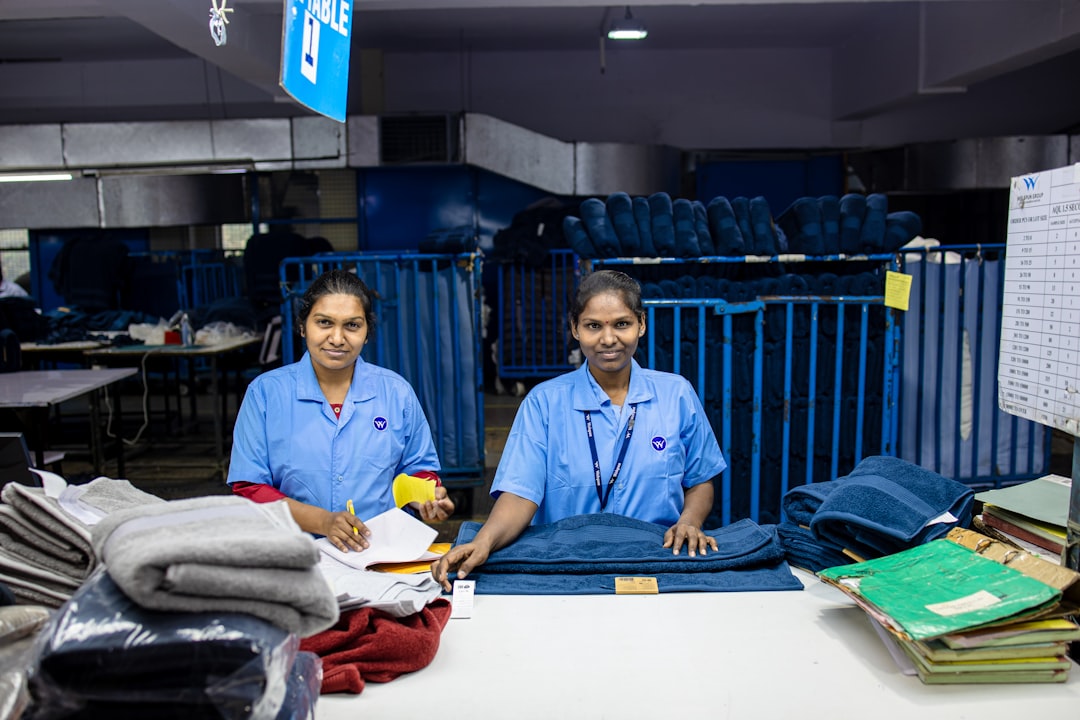
Are you struggling to build a reliable and skilled machine operators equipment operating team for your GCC manufacturing plant? Furthermore, the region’s booming industrial sector creates intense competition for qualified talent. Consequently, strategic recruitment and precise compliance are no longer optional. Therefore, this guide provides a comprehensive roadmap for successful manufacturing machine tender recruitment. Specifically, we address the unique challenges of hiring a proficient machine operators equipment operating team in the Gulf’s dynamic markets.
The manufacturing landscape across the UAE, Saudi Arabia, and Qatar demands specialized operational crews. Moreover, these professionals are the backbone of production efficiency and quality control. Additionally, regional initiatives like Saudi Vision 2030 and UAE Operation 300bn accelerate industrial growth. Hence, securing a competent equipment operating team directly impacts your bottom line and project timelines. Understanding the nuances of this hiring process is crucial for sustainable operations.
At Allianze HR Consultancy, we’ve successfully placed 10,000+ professionals across UAE, Saudi Arabia, Qatar, and Kuwait. Furthermore, our 5+ years of GCC expertise supports clients from 50+ countries. Moreover, our Ministry of External Affairs (India) RA license ensures compliance. Therefore, contact our recruitment specialists for expert guidance on assembling your ideal production workforce.
Understanding GCC Manufacturing Workforce Requirements
GCC manufacturing sectors require a specific blend of technical skill and cultural adaptability. First, operators must understand sophisticated CNC, assembly line, and processing machinery. Second, adherence to strict international safety protocols is non-negotiable. Additionally, the region’s diverse workforce necessitates strong communication and teamwork abilities.
Furthermore, employers must consider varying certification standards across different Gulf states. For example, some Emirates mandate specific vocational training attestations. Meanwhile, Saudi Arabia’s Ministry of Labor regulations emphasize Saudization quotas for technical roles. Consequently, a one-size-fits-all recruitment approach fails. Therefore, tailored strategies for each country ensure compliance and performance.
Key technical competencies for machine tenders include:
- Preventive maintenance and basic troubleshooting skills.
- Reading and interpreting technical drawings and control panels.
- Quality assurance and precision measurement knowledge.
- Experience with industry-specific software and automated systems.
- Understanding of OSHA warehousing industry standards and similar safety frameworks.
Machine Operators Equipment Team Strategic Overview
Building a successful machine operators equipment team requires a strategic, phased approach. Initially, define the exact scope of operations and machinery involved. Subsequently, create detailed job descriptions that balance technical requirements with soft skills. Moreover, a strategic overview aligns recruitment with long-term production goals and expansion plans.
Furthermore, consider the team structure holistically. For instance, a balanced equipment operating team includes lead operators, general machine tenders, and maintenance helpers. Additionally, planning for succession and skill development prevents operational bottlenecks. Therefore, your recruitment strategy must source candidates at multiple experience levels. This ensures team resilience and knowledge transfer.
A strategic recruitment plan should include:
- Market salary benchmarking for target GCC countries.
- Clear career progression paths to attract ambitious candidates.
- Partnerships with technical institutes in key sourcing countries.
- Utilization of professional recruitment resources for market intelligence.
- Contingency planning for rapid scaling or specialized project needs.
Legal Framework and Compliance Standards
Navigating the GCC’s legal landscape is critical for hiring machine operators. First, employment contracts must comply with local labor laws, which govern working hours, overtime, and termination. Second, visa sponsorship and quota systems vary significantly between free zones and mainland entities. Moreover, non-compliance risks severe penalties, including fines and operational suspension.
Additionally, worker welfare standards are strictly enforced. These encompass safe accommodation, timely wage payments, and comprehensive health insurance. Specifically, adherence to International Labour Organization occupational safety principles is expected. Consequently, employers must integrate these standards into their HR policies from day one.
Essential compliance documents include:
- Ministry of Labor-approved employment contracts in Arabic and English.
- Educational and vocational certificate attestation from relevant authorities.
- Valid medical fitness certificates from approved centers.
- Proof of World Health Organization occupational health and safety training.
- Company’s commercial license and establishment card copies.
Machine Operators Equipment Team Best Practices
Implementing best practices transforms your machine operators equipment team from adequate to exceptional. Firstly, conduct rigorous, hands-on skill assessments during recruitment. Simulate real production scenarios to evaluate problem-solving under pressure. Secondly, prioritize candidates with formal apprenticeships or certified training programs. These individuals often possess stronger foundational knowledge.
Furthermore, structured onboarding is a critical best practice. Specifically, integrate safety inductions, equipment-specific training, and company culture orientation. Moreover, assign mentors from your existing experienced staff to accelerate integration. Consequently, this reduces errors and improves team cohesion from the start. Additionally, continuous training on new technologies keeps skills relevant.
Proven best practices for team management include:
- Implementing clear Key Performance Indicators (KPIs) for output and quality.
- Establishing a transparent communication channel for safety concerns.
- Regularly reviewing and optimizing shift patterns for fatigue management.
- Leveraging UAE employment regulations and similar guides for policy development.
- Conducting quarterly performance reviews with skill gap analysis.
Documentation and Processing Steps
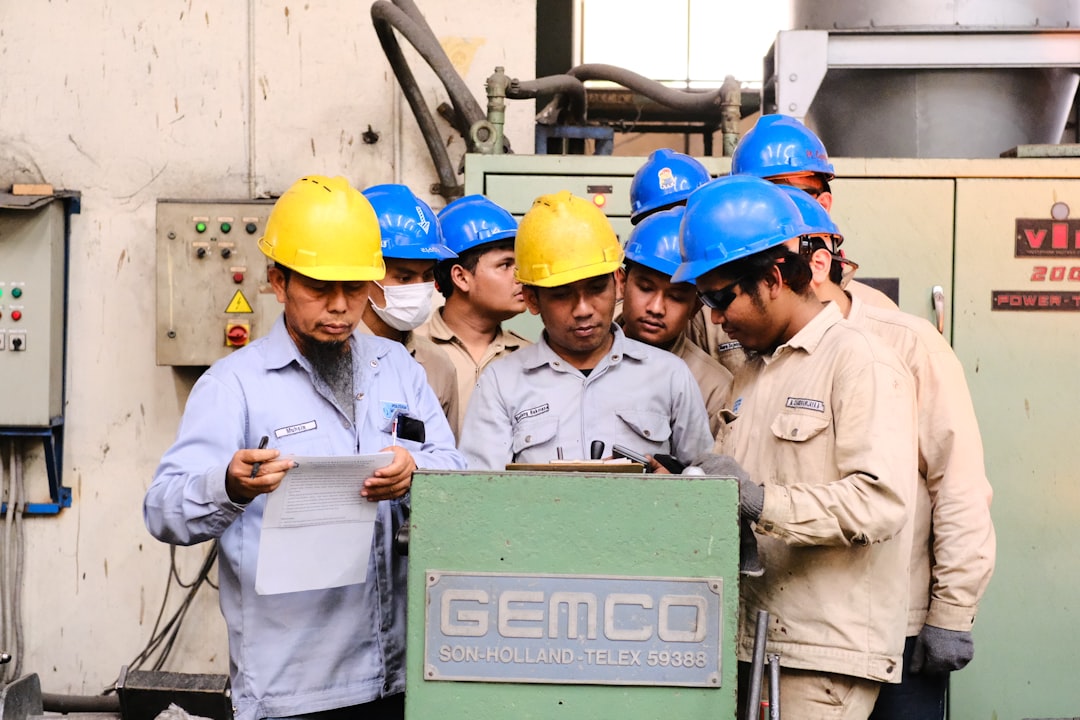
The documentation phase for manufacturing machine tender recruitment is meticulous. Initially, collect and verify all candidate credentials, including passports, experience letters, and training certificates. Subsequently, begin the attestation process through home country authorities and UAE embassies. This step often causes delays if not managed proactively.
Next, submit the pre-approved documents to the relevant GCC Ministry of Labor or equivalent. Then, apply for entry permits and visa stamps. Meanwhile, coordinate medical examinations and biometric data collection as required. Moreover, ensure employment contracts clearly state all terms, aligning with International Labour Organization standards. Finally, arrange flight tickets and airport pickup for a smooth arrival.
Critical processing steps in sequence:
- Credential verification and gap analysis.
- Labor contract creation and pre-approval submission.
- Visa application and entry permit issuance.
- Medical fitness test and insurance policy activation.
- Final visa stamping, flight booking, and orientation scheduling.
Machine Operators Equipment Team Implementation Timeline
A realistic timeline for deploying a machine operators equipment team is 6 to 10 weeks. The first two weeks focus on candidate sourcing, screening, and initial interviews. Following this, the offer and acceptance stage takes approximately one week. Subsequently, the documentation and attestation process requires 2-3 weeks, depending on the country of origin.
Furthermore, government processing for labor and visa approvals typically takes another 2-3 weeks. Meanwhile, travel arrangements and pre-departure briefings occur concurrently. Therefore, planning for a 2-month lead time is prudent for most GCC destinations. However, complexities like specialized skill verification or peak seasonal delays can extend this. Consequently, early initiation of the schedule consultation appointment with experts is advisable.
Sample timeline breakdown:
- Weeks 1-2: Market sourcing, screening, and technical assessments.
- Week 3: Final interviews, job offer, and contract signing.
- Weeks 4-6: Document attestation and government pre-approvals.
- Weeks 7-8: Visa processing, medicals, and travel logistics.
- Week 9: Arrival, final onboarding, and deployment to the production floor.
Common Challenges and Solutions
Employers frequently face skill verification challenges when recruiting machine operators. Many candidates possess experience but lack standardized certifications. The solution involves implementing practical, on-site or video-recorded skill tests. Additionally, partnering with recruitment firms that have technical assessment capabilities ensures quality.
Another common issue is high attrition rates due to cultural adjustment or better offers. To counter this, develop a strong retention strategy focusing on career development, fair treatment, and timely promotion. Moreover, ensuring compliance with all World Bank trade and logistics sector welfare standards improves employee satisfaction. Furthermore, clear grievance redressal mechanisms build trust and loyalty within the equipment operating team.
Effective solutions for typical hurdles:
- Skill Gap: Partner with vocational training centers for pre-deployment upskilling programs.
- Visa Delays: Maintain a pipeline of pre-screened candidates to account for processing time.
- Communication Barriers: Provide basic language training in English/Arabic and use visual work instructions.
- Safety Incidents: Enforce mandatory safety drills and continuous training aligned with global best practices.
- Team Conflict: Establish clear reporting lines and conduct regular team-building activities.
Expert Recommendations for Success
For long-term success, integrate your equipment operating team into the company’s continuous improvement culture. Encourage operators to suggest efficiency enhancements or safety improvements. Furthermore, recognize and reward such contributions publicly. This fosters ownership and significantly boosts productivity and morale.
Additionally, invest in technology that aids your team. For example, implementing digital maintenance logs or performance dashboards provides clear data. Moreover, this data helps in objective performance reviews and proactive equipment management. Therefore, view your operators as skilled technicians, not just laborers. Consequently, this perspective shift attracts higher-caliber candidates and reduces turnover.
Final expert recommendations:
- Develop a multi-skilling program to create flexibility within the team.
- Regularly benchmark your compensation packages against the regional market.
- Foster relationships with UAE visa and immigration services and similar bodies for smoother processing.
- Conduct exit interviews to understand attrition reasons and improve processes.
- Build a talent pipeline for critical roles to ensure business continuity.
Frequently Asked Questions About Machine Operators Equipment Team
What is the timeline for machine operators equipment team hiring?
Timeline typically ranges 6-10 weeks depending on country requirements. Furthermore, documentation preparation affects processing speed. Therefore, consult our specialists for accurate estimates based on your specific locations and candidate profiles.
What documentation is required for manufacturing machine tender recruitment?
Required documents include attested educational/vocational certificates, previous experience letters, passport copies, and medical reports. Additionally, company documents like the trade license are necessary for visa processing. Moreover, employment contracts must be in the local official language.
How can I verify the technical skills of overseas candidates?
Practical skill verification is essential. Solutions include structured video demonstrations, proctored online tests, and partnering with recruitment agencies that conduct in-person technical assessments in source countries. Furthermore, checking references from previous employers in similar industries is crucial.
What are the key compliance risks in GCC manufacturing recruitment?
Major risks include incorrect visa categorization, non-payment of overtime, inadequate accommodation, and lack of proper safety training. Additionally, failing to meet localization quotas (like Saudization) can result in penalties. Therefore, continuous monitoring of labor law updates is mandatory.
Which industries require machine operators equipment teams most?
High-demand sectors include metal fabrication, plastics manufacturing, food and beverage processing, pharmaceuticals, packaging, automotive components, and building materials. Moreover, large-scale logistics and warehousing operations also require skilled equipment operators for material handling machinery.
How does Allianze HR ensure quality in technical recruitment?
We employ a multi-stage vetting process combining technical interviews, practical assessments, and background verification. Furthermore, our industry-specific recruiters understand machinery and production processes. Moreover, we guarantee replacements during the probation period for assured quality and fit.
Partner with Allianze HR for Manufacturing Recruitment Success
Building a high-performing machine operators equipment team is a complex but achievable strategic goal. Throughout this guide, we’ve outlined the critical steps from strategic planning and legal compliance to best practices and timeline management. Furthermore, the success of your manufacturing operations hinges on the skill and reliability of your equipment operating team. Therefore, a meticulous, well-informed approach to recruitment is your strongest investment.
Partnering with an experienced GCC recruitment firm transforms this challenge into a competitive advantage. Specifically, Allianze HR Consultancy provides end-to-end support, from sourcing and vetting to compliance and deployment. Moreover, our deep regional expertise and vast talent network streamline the entire process. Consequently, you gain access to pre-vetted, skilled operators ready to contribute to your production goals from day one.
Do not let recruitment complexities slow your industrial growth. Take the first step toward assembling your ideal production workforce today. Contact our HR specialists for a detailed consultation on your machine operators equipment team needs. Let us help you build the operational backbone that drives your manufacturing success in the GCC.