


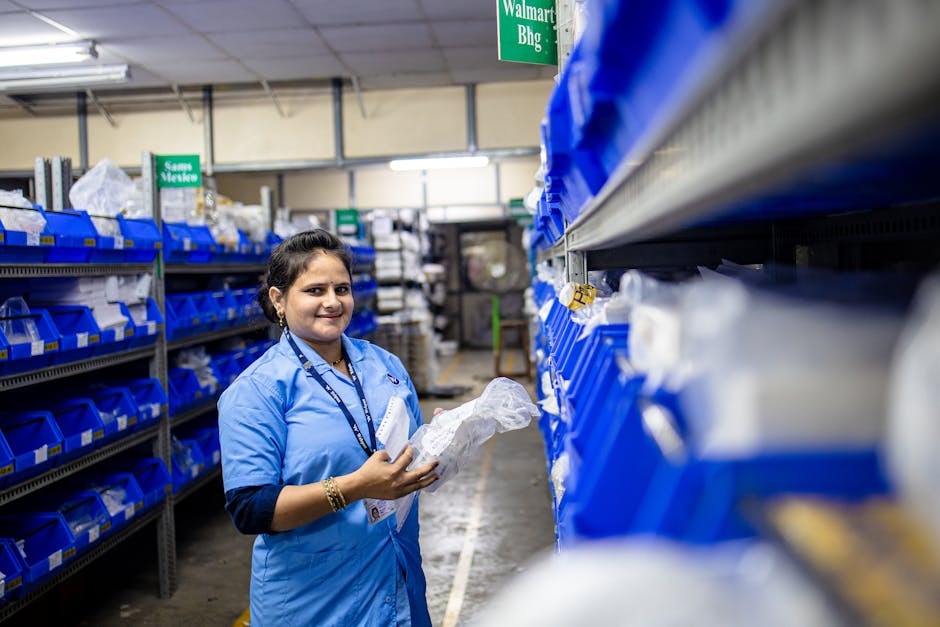
How can modern organizations in the GCC handle the relentless surge in mail and parcels efficiently? Furthermore, the rise of e-commerce and hybrid work models has transformed mailroom operations. Consequently, facility managers face unprecedented logistical challenges. Therefore, mastering mailroom package management is no longer optional. It is a critical component of operational excellence, security, and employee satisfaction across the Gulf region.
Effective mail handling impacts everything from supply chain continuity to data security. Additionally, GCC facilities often process international shipments with complex customs documentation. Moreover, regional regulations demand specific handling procedures for sensitive materials. Thus, a strategic approach to parcel sorting and distribution becomes vital. It ensures compliance, reduces loss, and enhances workplace productivity.
At Allianze HR Consultancy, we’ve successfully placed 10,000+ professionals across UAE, Saudi Arabia, Qatar, and Kuwait. Furthermore, our 5+ years of GCC expertise supports clients from 50+ countries. Moreover, our Ministry of External Affairs (India) RA license ensures compliance. Therefore, contact our recruitment specialists for expert guidance on staffing your critical operations teams, including skilled mailroom personnel.
Understanding Modern Facility Mail Operations
Contemporary mailrooms are dynamic logistics hubs. They handle diverse items from legal documents to bulk supplies. First, digital tracking systems have replaced manual logbooks. Second, automated sorting technology accelerates processing times. Third, security protocols protect against theft and loss. Additionally, the International Facility Management Association provides frameworks for operational standards.
GCC-specific factors add complexity. For example, multilingual addressing is common in cosmopolitan centers like Dubai and Doha. Furthermore, extreme summer heat can damage sensitive parcels. Moreover, religious and national holidays affect delivery schedules. Consequently, operational plans must accommodate these regional nuances. A robust system prevents bottlenecks and ensures smooth internal distribution.
Key components of a modern mail center include:
- Designated receiving and sorting zones with clear workflow paths.
- Digital mail management software for tracking and notifications.
- Secure storage solutions for high-value or confidential items.
- Ergonomic workstations to prevent staff injury and boost efficiency.
- Clear protocols for handling suspicious packages or hazardous materials.
Implementing these elements requires skilled personnel. Therefore, hiring trained staff is as crucial as investing in technology. A well-structured operation directly supports core business functions.
Mailroom Package Management Strategic Overview
A strategic mailroom package management plan aligns with organizational goals. First, it defines clear service level agreements for delivery times. Second, it integrates with other departments like IT and security. Third, it establishes key performance indicators for measurement. Furthermore, scalability ensures the system adapts to seasonal peaks or company growth.
Technology plays a pivotal role. For instance, barcode scanning instantly logs incoming items. Subsequently, automated notification systems alert recipients via email or SMS. Moreover, cloud-based platforms provide real-time analytics on volume and trends. These tools, as highlighted in World Bank trade and logistics reports, enhance supply chain visibility.
Strategic planning also involves risk mitigation. Specifically, contingency plans must address system failures or sudden volume spikes. Additionally, regular audits ensure compliance with data protection laws. A proactive strategy transforms the mailroom from a cost center into a value-adding asset. It improves overall organizational agility and responsiveness.
Legal Framework and Compliance Standards
Mailroom operations are governed by a web of regulations. In the GCC, these include data privacy laws, customs regulations, and labor standards. First, personal data on parcels must be handled per local privacy statutes. Second, international shipments require strict adherence to customs declarations. Third, workplace safety standards, guided by the International Labour Organization, protect staff from injury.
Country-specific mandates vary significantly. For example, UAE’s green building regulations may influence waste management from packaging. Meanwhile, Saudi Arabia’s Vision 2030 emphasizes digital transformation in logistics. Consequently, compliance is not static. It requires continuous monitoring of legal updates and policy changes.
Essential compliance checkpoints include:
- Proper licensing for handling certain restricted goods.
- Secure disposal of confidential documents per shredding policies.
- Accurate record-keeping for audit trails and liability protection.
- Adherence to indoor air quality standards when managing dust or particulates.
- Compliance with labor laws regarding working hours and ergonomics for staff.
Non-compliance risks fines, operational delays, and reputational damage. Therefore, integrating legal review into procedure development is essential.
Mailroom Package Management Best Practices
Implementing proven best practices ensures efficient and secure mailroom package management. First, standardize all receiving procedures with detailed checklists. This minimizes human error. Second, implement a “one-touch” policy where items are scanned immediately upon arrival. Consequently, tracking begins at the point of entry. Third, utilize zone-based sorting to streamline distribution within large facilities.
Technology integration is a cornerstone best practice. For instance, mobile delivery carts equipped with tablets allow for real-time updates. Additionally, integrating mail software with enterprise directory systems auto-populates recipient data. Moreover, these systems generate valuable reports. They help managers optimize staffing levels and forecast budgetary needs.
Security best practices are non-negotiable. Specifically, all personnel should undergo background checks. Furthermore, surveillance should cover all sorting and storage areas. Also, clear protocols for identifying and isolating suspicious packages are mandatory. Regular training, using resources from OSHA warehousing standards, keeps staff prepared. These measures protect both assets and people.
Documentation and Processing Steps
Meticulous documentation underpins successful mailroom operations. The process begins with a digital manifest for each delivery batch. Next, each item receives a unique tracking identifier upon scanning. Subsequently, the system updates the item’s status at each handling stage. This creates a complete chain of custody. Furthermore, digital records are superior to paper logs for searchability and space.
Processing steps must be clearly sequenced. First, the receiving team verifies shipment counts against manifests. Second, they inspect parcels for visible damage. Third, they apply barcodes and log items into the management software. Next, sorting occurs based on destination zones, department codes, or priority levels. Finally, distribution teams deliver items using optimized routes.
Critical documents to maintain include:

- Signed proof-of-delivery records for accountable items.
- Customs forms and invoices for international shipments.
- Incident reports for any damaged, lost, or misrouted items.
- Equipment maintenance logs for automated sorting machines.
- Training records for all mailroom staff on current procedures.
Proper documentation facilitates accountability and continuous improvement. It also provides essential data for performance reviews and audits.
Mailroom Package Management Implementation Timeline
Rolling out a new mailroom package management system requires careful phasing. A typical implementation spans 8 to 12 weeks. First, the assessment and planning phase takes 2-3 weeks. This involves auditing current workflows and defining requirements. Second, the technology selection and procurement phase requires 2 weeks. Subsequently, the installation and configuration of hardware and software takes 3-4 weeks.
The final phases focus on people and process. Specifically, staff training and procedure development occur over 2 weeks. Moreover, a pilot program with a single department runs for 1-2 weeks to identify issues. Finally, full-scale deployment across the facility is executed. Throughout this timeline, change management communication is vital. It ensures user buy-in and smooth adoption.
Key milestones in the timeline are:
- Week 1-2: Stakeholder interviews and current state analysis.
- Week 3-4: Vendor selection and solution design approval.
- Week 5-8: System installation, database setup, and integration testing.
- Week 9-10: Comprehensive training sessions and procedure finalization.
- Week 11-12: Pilot launch, feedback collection, and full go-live.
Adhering to a structured timeline manages expectations and resources effectively. It also allows for adjustments based on early feedback.
Common Challenges and Solutions
Mailrooms face several predictable challenges. First, peak volume surges during holidays or sales seasons can overwhelm capacity. The solution is flexible staffing models and temporary sorting stations. Second, high staff turnover disrupts procedural consistency. Consequently, investing in thorough training and clear professional recruitment resources for reliable hires is key.
Technology failures present another major challenge. For example, network outages can cripple digital tracking systems. Therefore, maintaining redundant offline logging procedures is essential. Additionally, managing oversized or unusually shaped parcels can disrupt automated systems. The solution is a dedicated manual handling process for non-standard items.
Security threats, including theft or tampering, require vigilant countermeasures. Regular audits of access logs and package trails deter internal issues. Furthermore, collaboration with building security teams, informed by occupational health and safety principles, strengthens overall protocols. Proactively addressing these common issues maintains operational integrity and service quality.
Expert Recommendations for Success
To build a future-proof mail operation, follow these expert recommendations. First, prioritize user experience for both staff and recipients. Simple notification and pickup processes enhance satisfaction. Second, embrace data analytics. Regularly review reports on delivery times, error rates, and volume trends. This data-driven approach identifies improvement opportunities.
Third, foster cross-departmental collaboration. The mailroom should regularly communicate with procurement, IT, and departmental administrators. This alignment ensures the system evolves with organizational needs. Moreover, invest in continuous training. As technologies and regulations change, staff skills must keep pace. Accessing schedule consultation appointment with HR experts can help plan this development.
Finally, plan for sustainability. Implement recycling programs for packaging materials. Also, optimize delivery routes to reduce carbon footprint. Considering insights from urban development reports on smart logistics can inform these green initiatives. A strategic, people-centric, and adaptable approach guarantees long-term success and value.
Frequently Asked Questions About Mailroom Package Management
What is the timeline for mailroom package management system implementation?
A full implementation typically takes 8-12 weeks. This includes planning, technology setup, staff training, and pilot testing. Furthermore, complex facilities may require additional time. Therefore, consult our specialists for a customized project plan.
What technology is essential for efficient parcel sorting?
Core technologies include digital tracking software, barcode scanners, automated notification systems, and secure storage management. Additionally, integration with building access systems enhances security and delivery accuracy.
How can we reduce losses and misdeliveries in the mailroom?
Implement a strict “scan-at-every-step” protocol. Furthermore, use clear labeling and zone-based sorting. Moreover, regular inventory audits and staff accountability measures significantly reduce errors and losses.
What are the key compliance issues for GCC mailrooms?
Key issues include data privacy for recipient information, customs compliance for international goods, workplace safety standards, and proper disposal of confidential materials. Country-specific labor laws also apply to mailroom staff.
Can Allianze HR assist in recruiting skilled mailroom personnel?
Absolutely. We specialize in recruiting for facilities management roles across the GCC. Our process ensures candidates have the technical skills and procedural understanding required for modern mailroom package management operations.
How do we measure the performance of our mailroom operations?
Track KPIs like average processing time per item, misdelivery rate, recipient satisfaction scores, and cost per parcel. Additionally, monitor system uptime and staff productivity metrics for a complete performance picture.
Partner with Allianze HR for Operational Success
Optimizing your mailroom package management is a strategic investment. It enhances security, efficiency, and overall workplace satisfaction. Furthermore, in the fast-paced GCC business environment, a reliable internal logistics system provides a competitive edge. This guide has outlined the critical components from strategic planning to compliance and technology.
The human element remains paramount. Success depends on skilled, trained, and reliable personnel executing these complex procedures. Therefore, partnering with an expert recruitment firm is crucial. At Allianze HR Consultancy, we connect you with pre-vetted talent experienced in modern facility operations. Our deep understanding of GCC labor markets ensures compliant and effective staffing solutions.
Transform your mailroom from a simple sorting area into a strategic asset. Let us help you build a team that implements and maintains these best practices. Contact our HR specialists today to discuss your staffing needs. Together, we can design and staff an operation that meets the highest standards of efficiency and reliability.