


Are your facility’s maintenance workshops and equipment repair operations fully optimized for safety and efficiency? In the demanding GCC industrial landscape, a well-specified maintenance workshop is not a luxury but a critical operational necessity. Proper tool storage and a dedicated small equipment repair area directly impact workforce productivity, safety compliance, and asset longevity. This guide provides a comprehensive framework for establishing and managing effective maintenance workshops equipment repair facilities that meet regional standards.
Across construction, manufacturing, and facilities management sectors, the backbone of operational continuity lies in effective equipment maintenance. Consequently, employers must prioritize creating environments where technicians can perform repairs safely and efficiently. Moreover, GCC-specific regulations and the region’s harsh environmental conditions add unique layers to workshop design and management requirements. Therefore, understanding these specifications is essential for any business relying on machinery and tools.
At Allianze HR Consultancy, we’ve successfully placed 10,000+ professionals across UAE, Saudi Arabia, Qatar, and Kuwait. Furthermore, our 5+ years of GCC expertise supports clients from 50+ countries in building competent technical teams. Moreover, our Ministry of External Affairs (India) RA license ensures all recruitment, including for skilled maintenance roles, meets compliance standards. Therefore, contact our recruitment specialists for expert guidance on staffing your optimized workshop.
Understanding GCC Technical Facility Requirements
Establishing a maintenance workshop in the Gulf region requires careful consideration of local conditions. First, extreme heat and dust necessitate superior ventilation and climate control systems. Second, local labor laws and safety codes mandate specific workspace dimensions and safety equipment. Additionally, cultural norms regarding workspace segregation and facilities must be observed.
Workshops must comply with national standards from bodies like the UAE’s Ministry of Human Resources and Emiratisation or Saudi Arabia’s Saudi Ministry of Labor. Furthermore, integrating international best practices from organizations like the International Labour Organization enhances safety protocols. Consequently, a hybrid approach combining local and global standards yields the best results.
Key spatial considerations include:
- Adequate floor space for equipment movement and safe work zones.
- Clear height allowances for overhead crane systems or vehicle access.
- Dedicated zones for welding, painting, and hazardous material handling.
- Separate, secure areas for high-value tool and parts storage.
- Properly located emergency exits, eyewash stations, and fire suppression equipment.
Finally, utility planning is critical. Workshops require robust electrical supply, compressed air lines, proper lighting, and efficient drainage. Moreover, planning for future expansion from the outset prevents costly retrofits later.
Maintenance Workshops Equipment Repair Strategic Overview
A strategic approach to maintenance workshops equipment repair begins with defining its core mission. Is it for preventive maintenance, major overhauls, or quick in-field tool fixes? Subsequently, this mission dictates the layout, tooling, and staffing. Furthermore, integrating the workshop into your broader asset management and reliability strategy maximizes return on investment.
The strategic value of a well-run workshop extends beyond cost savings. Specifically, it reduces equipment downtime, extends machinery life, and improves job site safety. Moreover, it serves as a training ground for upskilling technicians, fostering a culture of continuous improvement. Therefore, viewing it as a strategic asset rather than a cost center is crucial.
Essential strategic components include:
- Clear workflow design from intake to diagnosis, repair, testing, and return.
- Inventory management systems for tools, spare parts, and consumables.
- Performance metrics tracking mean time to repair and workshop utilization.
- Integration with procurement for just-in-time parts ordering.
- A documented safety and quality assurance program for all repair work.
Additionally, consider technology integration. Diagnostic software, tool tracking systems, and digital work orders streamline operations. Partnering with a specialist like Allianze ensures you recruit technicians skilled in these modern systems.
Legal Framework and Compliance Standards
Navigating the legal landscape for technical workshops in the GCC is paramount. First, facility registration and licensing with relevant municipal and economic authorities are mandatory. Second, adherence to occupational health and safety (OHS) codes is non-negotiable and subject to inspection. These codes often reference or align with global standards from OSHA or similar bodies.
Environmental regulations are particularly stringent. Proper handling and disposal of used oils, solvents, batteries, and other hazardous waste is critical. Furthermore, noise control and air emissions from grinding or painting operations may require permits. Non-compliance can result in heavy fines, operational shutdowns, or legal liability.
Key compliance documents and protocols include:
- Valid trade license specifying workshop activities.
- Risk assessments and method statements for all high-risk tasks.
- Records of safety training and personal protective equipment (PPE) issuance.
- Equipment calibration certificates and maintenance logs.
- Emergency response plans and drill records.
Moreover, worker welfare regulations mandate adequate facilities. Therefore, workshops must include clean rest areas, prayer rooms, and sanitation facilities. Consulting professional recruitment resources helps ensure your staffing practices also meet all labor compliance standards.
Maintenance Workshops Equipment Repair Best Practices
Implementing best practices transforms a basic workshop into a center of excellence for maintenance workshops equipment repair. First, adopt the 5S methodology (Sort, Set in order, Shine, Standardize, Sustain) for organization. This system drastically reduces time wasted searching for tools and improves safety. Furthermore, a clean, organized workshop reflects professional standards and boosts technician morale.
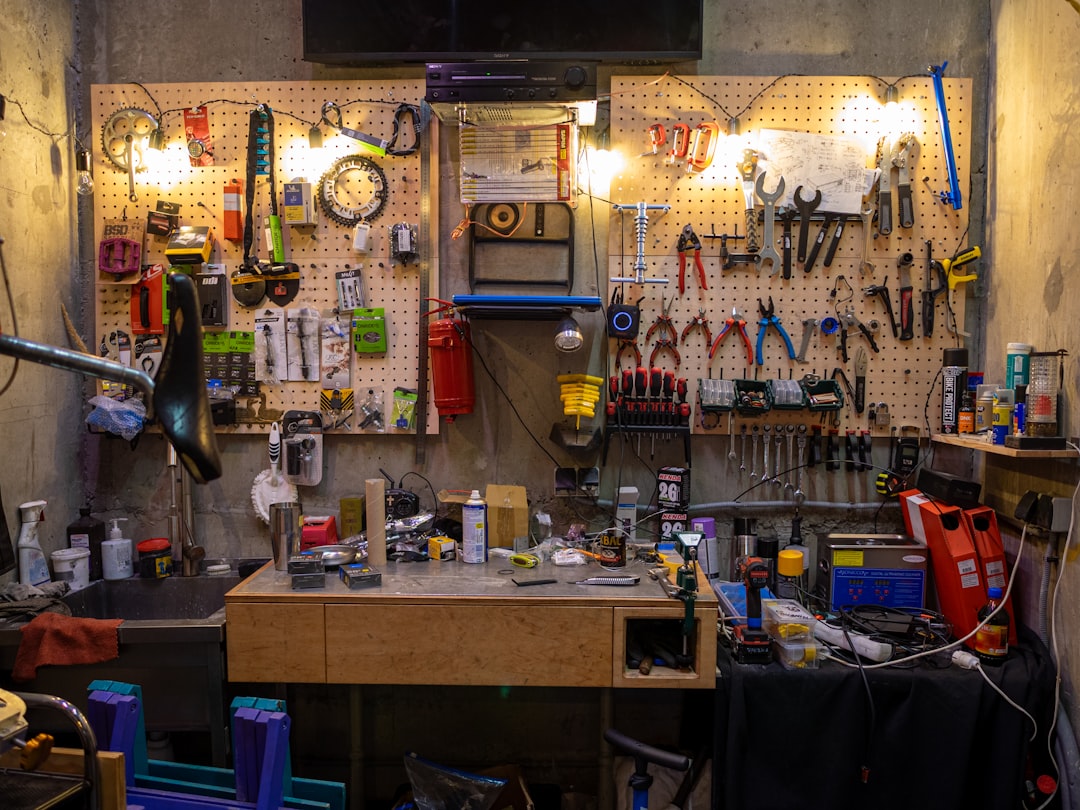
Second, implement a robust tool control system. Shadow boards, foam cutouts, and tool cribs with check-out procedures prevent loss. Additionally, regular tool calibration ensures repair accuracy and quality. For specialized equipment, consider World Health Organization guidelines on equipment safety where applicable.
Critical best practices for operational efficiency:
- Color-coding floors to designate work zones, walkways, and storage areas.
- Using mobile workbenches and service carts for flexibility.
- Establishing a dedicated “clean area” for precision assembly or electrical work.
- Implementing a formal “pre-start” safety check for all power tools and machinery.
- Creating visual management boards displaying work schedules, safety stats, and KPIs.
Finally, foster a culture of continuous feedback. Technicians using the space daily often provide the best ideas for improvement. Regularly reviewing processes against benchmarks from the International Facility Management Association ensures ongoing optimization.
Documentation and Processing Steps
Effective workshop management relies on systematic documentation. First, every piece of equipment entering the workshop needs a detailed job card. This card should capture fault description, technician assignment, parts used, labor time, and final testing results. Consequently, this creates an invaluable history for each asset, aiding future diagnostics.
Second, inventory management requires meticulous records. A digital system tracking part numbers, quantities, reorder levels, and supplier details prevents stockouts. Moreover, it controls costs by identifying fast-moving items and obsolete stock. This aligns with efficient supply chain principles highlighted in World Bank analyses on trade logistics.
Essential documentation protocols include:
- Standard Operating Procedures (SOPs) for all common repair tasks.
- Safety Data Sheets (SDS) readily accessible for all chemicals used.
- Training records for equipment-specific and safety training.
- Preventive maintenance schedules and completion certificates.
- Warranty claim forms and correspondence with equipment vendors.
Additionally, a formal tool sign-out log tracks accountability. Meanwhile, a non-conformance report system logs any repair failures or quality issues for root cause analysis. This closed-loop documentation process is key to achieving ISO or other quality standards.
Maintenance Workshops Equipment Repair Implementation Timeline
Executing a new maintenance workshops equipment repair facility requires phased planning. Typically, the end-to-end process spans 12 to 26 weeks. The timeline varies based on workshop size, construction complexity, and equipment lead times. Therefore, detailed project management is essential from conception to operational handover.
The initial phase (Weeks 1-4) involves needs assessment, conceptual design, and budgeting. Subsequently, Weeks 5-10 focus on detailed design, permit applications, and contractor selection. Furthermore, equipment and tool procurement should begin in parallel to align with construction completion. Delays often occur in utility connections and regulatory approvals, so building buffer time is wise.
A sample implementation timeline:
- Phase 1 (Planning): Requirements gathering, layout finalization, budget approval (4-6 weeks).
- Phase 2 (Design & Permits): Detailed engineering, tender process, securing municipal permits (6-8 weeks).
- Phase 3 (Build-Out): Civil works, electrical/mechanical installation, finishing (8-12 weeks).
- Phase 4 (Fit-Out & Commissioning): Equipment installation, safety system testing, staff training (4-6 weeks).
Concurrently, the recruitment and training of workshop supervisors and technicians must proceed. Partnering with Allianze HR early ensures your team is ready for day one. Schedule a consultation appointment to align your staffing timeline with your facility rollout.
Common Challenges and Solutions
Workshop managers in the GCC frequently encounter specific operational hurdles. First, the harsh climate accelerates tool corrosion and degrades electronic diagnostics equipment. Solution: invest in climate-controlled storage and specify equipment with high IP ratings for dust and moisture resistance. Second, high staff turnover can disrupt continuity. Solution: implement detailed SOPs and cross-training to reduce dependency on single individuals.
Another common challenge is space constraints, especially in urban facilities. Solution: utilize vertical storage with heavy-duty shelving and mezzanines. Additionally, prioritize mobile and multi-function equipment. Furthermore, managing spare parts for diverse, aging equipment fleets is difficult. Solution: implement a criticality analysis to stock essential parts and establish reliable local supplier relationships for others.
Additional challenges and mitigations:
- Challenge: Ensuring consistent work quality across shifts.
Solution: Use checklists, photo documentation of repair stages, and peer review. - Challenge: Controlling consumable costs (e.g., welding gas, grinding discs).
Solution: Install usage monitoring and set per-job allowances. - Challenge: Integrating with UAE green building or sustainability mandates.
Solution: Install LED lighting, solar ventilation, and oil-water separators in drainage. - Challenge: Keeping up with evolving technology in tools and diagnostics.
Solution: Allocate an annual training and capital equipment budget.
Expert Recommendations for Success
To ensure your workshop becomes a strategic asset, follow these expert recommendations. First, involve your lead technicians in the design phase. Their practical insights on workflow and tool placement are invaluable. Second, never compromise on floor quality. Invest in industrial-grade, chemical-resistant, and non-slip epoxy flooring. It enhances safety and durability, reducing long-term maintenance costs.
Third, prioritize lighting. High-quality, shadow-free LED lighting over all workbenches and inspection areas reduces eye strain and improves work quality. Fourth, establish strong vendor partnerships. Reliable suppliers for tools, parts, and calibration services are as crucial as skilled staff. Furthermore, consider joining industry networks to share best practices.
Final strategic recommendations:
- Develop a multi-skilling program for technicians to increase workshop flexibility.
- Implement a digital maintenance management system (CMMS) from the start for data-driven decisions.
- Conduct regular “kaizen” or continuous improvement workshops with the team.
- Benchmark your workshop’s performance against industry standards or similar facilities.
- Plan for periodic workshop audits by external safety and efficiency experts.
Ultimately, your workshop’s success hinges on both its physical design and the competence of its team. Investing in both areas yields superior operational reliability and safety.
Frequently Asked Questions About Maintenance Workshops Equipment Repair
What is the timeline for maintenance workshops equipment repair setup?
A complete setup typically requires 12 to 26 weeks. This includes planning, design, permitting, construction, and commissioning phases. Furthermore, equipment lead times and permit approvals significantly influence the duration. Therefore, detailed project management is essential.
What are key specifications for a small equipment repair area?
Key specs include a minimum of 20-30 sqm of clear space, 220V/380V power outlets, compressed air points, task lighting, and anti-static flooring. Additionally, include a sturdy workbench with a vise, tool shadow board, and dedicated storage for small parts and consumables.
How can I optimize tool storage for efficiency?
Implement the 5S system. Use shadow boards, labeled bins, and color-coded locations. Furthermore, invest in lockable tool cribs for high-value items and establish a formal check-out system. Mobile tool carts for common task sets also improve efficiency.
What safety standards are mandatory in GCC workshops?
Compliance with national OHS codes is mandatory. This includes proper machine guarding, PPE availability, hazardous area classification, fire suppression, and emergency signage. Standards often align with OSHA guidelines and ILO conventions.
How does Allianze HR support workshop staffing?
We recruit qualified maintenance technicians, supervisors, and workshop managers with verified skills. Moreover, we ensure all placements comply with GCC labor laws and possess the necessary safety certifications. Our network spans technical talent across South Asia and the Middle East.
What is the most common mistake in workshop design?
Underestimating space and utility requirements is the most common error. Failing to plan for equipment movement, future expansion, or adequate electrical/air supply leads to operational bottlenecks. Always design with a 20-30% growth buffer.