


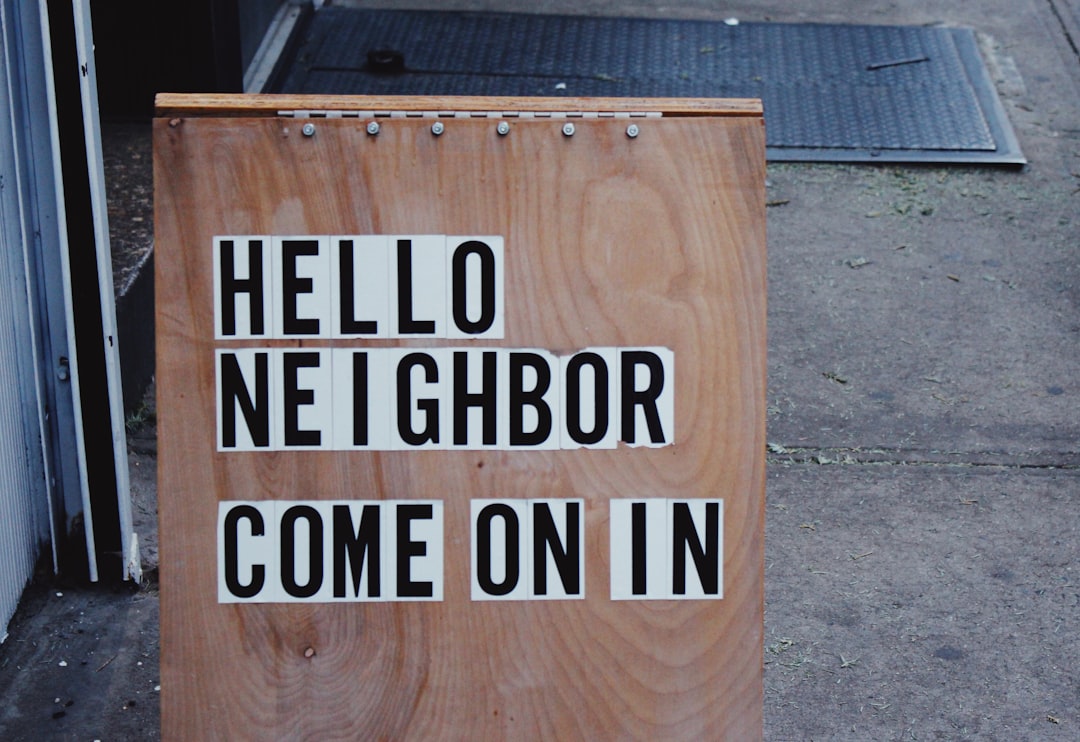
How can businesses in the GCC proactively manage community relations and transform neighbor complaints into opportunities for positive engagement? In the dynamic urban landscapes of the UAE, Saudi Arabia, Qatar, and Kuwait, construction and commercial operations frequently intersect with residential communities. Consequently, effective managing neighbor complaints community relations is not just a courtesy. It is a critical business function that protects reputation, ensures operational continuity, and fosters social license to operate. This guide provides a strategic framework for GCC employers.
Community relations present unique challenges in the Gulf region. Rapid development, diverse expatriate populations, and high-density living amplify potential friction points. Furthermore, local cultural expectations around noise, privacy, and respect require nuanced understanding. Therefore, a structured approach to stakeholder management is essential. It prevents costly disputes and project delays.
At Allianze HR Consultancy, we’ve successfully placed 10,000+ professionals across UAE, Saudi Arabia, Qatar, and Kuwait. Furthermore, our 5+ years of GCC expertise supports clients from 50+ countries in building not just workforces, but community goodwill. Moreover, our Ministry of External Affairs (India) RA license ensures all our practices meet the highest compliance standards. Therefore, contact our recruitment specialists for expert guidance on staffing your community relations teams.
Understanding GCC Community Engagement Fundamentals
Successful community relations begin with cultural intelligence. In GCC nations, relationships and personal respect often precede formal procedures. Therefore, employers must prioritize direct, respectful communication. Additionally, understanding local governance structures is crucial. Municipal authorities and community councils often mediate disputes.
Key regional considerations include prayer times, national holidays, and environmental sensitivities. For example, construction noise during Friday prayers is highly disruptive. Similarly, dust and water management are common complaint sources. Proactive measures demonstrate cultural awareness. They build immediate trust with neighboring residents.
Furthermore, legal frameworks across the Gulf emphasize neighbor rights. The UAE green building regulations and similar codes include nuisance clauses. Therefore, compliance is both a legal and social obligation. A dedicated community liaison officer is a strategic investment. This role bridges operational needs with community expectations effectively.
- Respect local customs and religious practices in all operations.
- Establish a designated community liaison point of contact.
- Map all adjacent residential and commercial stakeholders early.
- Understand municipal bylaws regarding noise, hours, and emissions.
- Incorporate community impact assessments into project planning.
Managing Neighbor Complaints Community Strategic Overview
A strategic framework for managing neighbor complaints community relations turns reactive firefighting into proactive partnership. First, develop a formal Community Relations Policy. This document should outline your company’s commitment and procedures. Consequently, it provides clear guidance for your team. Moreover, it signals seriousness to external stakeholders.
Second, implement a structured communication protocol. This includes regular community updates before disruptive activities begin. For instance, notify residents of planned pile-driving or heavy truck movements. Additionally, provide multiple accessible channels for concerns. These can include a dedicated phone line, email, and community meetings. Transparency prevents misinformation and builds credibility.
Third, integrate grievance tracking into your management systems. Log all complaints, responses, and resolutions systematically. This data identifies recurring issues. Therefore, it enables root-cause analysis and continuous improvement. Furthermore, it provides evidence of your responsive approach if authorities intervene. Strategic management protects both community harmony and project timelines.
- Draft and publicly share a Community Relations Policy.
- Schedule pre-emptive communication for known disruptive work.
- Utilize multiple, culturally appropriate feedback channels.
- Maintain a digital log for all complaints and actions taken.
- Report community sentiment trends to senior management monthly.
Legal Framework and GCC Compliance Standards
Navigating the legal landscape is fundamental. GCC countries have robust regulations protecting community welfare. For example, UAE Federal Law No. 24 of 1999 protects against environmental damage and nuisance. Similarly, Saudi Arabia’s Ministry of Labor regulations and municipal codes enforce worksite conduct. Non-compliance can result in fines, work stoppages, or license revocation.
International standards also provide guidance. The International Labour Organization emphasizes safe and healthy work environments, which extends to community impact. Additionally, World Health Organization guidelines on noise and air quality inform local ordinances. Aligning with these standards demonstrates global best practice.
Therefore, employers must conduct regular compliance audits. Verify that site operations adhere to local decibel limits, working hours, and waste disposal rules. Furthermore, secure all necessary permits for activities affecting public spaces. Proactive legal compliance is the strongest defense against formal complaints. It also builds a reputation as a responsible corporate citizen.
- Consult with local legal counsel on municipal nuisance laws.
- Secure and display all required environmental and operational permits.
- Conduct weekly audits of noise, dust, and traffic management.
- Train site managers on specific GCC country legal liabilities.
- Establish a rapid response protocol for official notices from authorities.
Managing Neighbor Complaints Community Best Practices
Implementing proven best practices transforms community relations from a cost center to a value driver. The cornerstone of effective managing neighbor complaints community efforts is proactive engagement. Begin by introducing your project to neighbors before work starts. Host a small open house or distribute informational flyers. This establishes a positive first contact.
Second, ensure all complaints receive an immediate acknowledgment. Even if a full resolution takes time, prompt recognition defuses frustration. A simple call or message stating, “We have received your concern and are looking into it,” is powerful. Subsequently, provide realistic timelines for investigation and follow-up. Consistent communication is more important than an instant fix.
Third, empower frontline staff with decision-making authority. Security guards or site foremen should be trained to log complaints and offer immediate goodwill gestures if appropriate. For example, they could arrange for temporary parking relief or provide water during a service disruption. These small actions demonstrate empathy. They often prevent minor issues from escalating into formal grievances.
- Host pre-construction community meetings to set expectations.
- Acknowledge all complaints within 24 hours, without exception.
- Authorize site staff to make small goodwill gestures immediately.
- Document and celebrate successful resolution stories internally.
- Use feedback to refine operational plans and mitigate future issues.
Documentation and Grievance Resolution Processes
A formalized grievance resolution process ensures consistency and fairness. First, establish a clear intake procedure. Use a standardized form to capture the complainant’s details, nature of issue, date, and time. This creates an official record. Furthermore, it helps in pattern analysis. Digital tools or simple spreadsheets can effectively manage this log.
Next, implement a tiered response system. Level 1 issues, like a one-time parking inconvenience, can be resolved by onsite staff. Level 2 issues, such as persistent noise, require supervisor investigation. Level 3 issues, involving legal or regulatory breaches, must escalate to senior management and legal counsel. This structured approach allocates resources efficiently.

Finally, close the loop with formal resolution communication. Once an issue is resolved, inform the complainant in writing. Detail the steps taken to address their concern. Additionally, invite them to confirm the resolution is satisfactory. This formal closure demonstrates professionalism. It also turns a critic into a potential advocate for your project. Explore our professional recruitment resources for templates.
- Implement a digital grievance logging system with unique case IDs.
- Define clear escalation paths based on issue severity and impact.
- Assign ownership for each complaint to a specific team member.
- Conduct weekly review meetings on open grievance cases.
- Issue formal resolution letters to complainants for significant issues.
Managing Neighbor Complaints Community Implementation Timeline
A phased timeline ensures systematic rollout of your managing neighbor complaints community program. Phase 1 (Pre-Project) occurs 2-3 months before activity begins. During this phase, develop your policy, appoint a liaison officer, and conduct stakeholder mapping. Additionally, initiate introductory communications with the community. This foundation is critical for long-term success.
Phase 2 (Project Mobilization) covers the first month of on-site work. Launch your formal complaint channels and conduct team training. Furthermore, hold your first community update meeting. Monitor feedback closely to catch early issues. This proactive period sets the operational tone. It demonstrates your commitment to being a good neighbor from day one.
Phase 3 (Ongoing Operations) spans the project lifecycle. Here, consistently execute your communication and resolution processes. Regularly analyze complaint data to identify trends. Subsequently, adapt operations to mitigate recurring problems. Finally, Phase 4 (Project Close-Out) involves a final community survey and thank-you communication. This leaves a lasting positive impression.
- Months 1-2: Policy development, team appointment, and stakeholder mapping.
- Month 3: Launch communication channels and pre-activity engagement.
- Ongoing: Daily logging, weekly reviews, and monthly community updates.
- Project End: Conduct satisfaction survey and disseminate project completion notice.
Common Challenges and Proactive Solutions
GCC employers face predictable challenges in community relations. Noise from construction, especially during early mornings or evenings, is the top complaint. The solution involves strict adherence to municipal quiet hours. Additionally, use acoustic barriers and schedule the loudest work during pre-approved, communicated windows. Transparency about the schedule reduces surprise.
Dust and debris management is another frequent issue. Implement comprehensive dust suppression systems like water sprayers and site enclosures. Moreover, schedule regular street cleaning to prevent accumulation. Traffic congestion and parking disputes are also common. Develop a Traffic Management Plan in consultation with local authorities. Subsequently, share this plan with residents and provide contact details for the traffic coordinator.
Cultural misunderstandings can escalate simple issues. Ensure your community liaison and site managers receive cultural sensitivity training. They should understand norms around privacy, interaction between genders, and religious observance. This knowledge prevents unintentional offense. Furthermore, employing staff who speak the local language or the predominant language of the community bridges communication gaps effectively.
- Challenge: Noise Pollution. Solution: Enforce quiet hours, use barriers, communicate schedules.
- Challenge: Dust and Dirt. Solution: Deploy suppression tech, enforce cleaning protocols.
- Challenge: Traffic Disruption. Solution: Create and share a formal Traffic Management Plan.
- Challenge: Cultural Friction. Solution: Mandate cultural training for all frontline staff.
Expert Recommendations for Long-Term Success
For sustained success, integrate community relations into your core business strategy. First, view community feedback as free consulting. Residents often identify operational inefficiencies you have overlooked. Therefore, systematically review complaints for process improvement opportunities. This mindset turns a defensive function into a strategic advantage.
Second, invest in relationship-building beyond problem-solving. Sponsor small community events or participate in local initiatives. This builds social capital. Consequently, when an unavoidable problem occurs, you have a reservoir of goodwill. The community is more likely to be patient and cooperative.
Finally, partner with experts who understand the regional landscape. A recruitment partner like Allianze HR can help you hire the right community relations professionals. These specialists possess local knowledge and language skills. They navigate complex social dynamics with ease. Schedule a consultation appointment to build a team that protects your reputation and fosters community partnership. The World Bank emphasizes the economic value of social cohesion in urban development, making this a wise investment.
- Treat community feedback as valuable business intelligence for improvement.
- Allocate a budget for proactive community engagement and small sponsorships.
- Hire dedicated community relations staff with local experience and language skills.
- Include community satisfaction metrics in project manager performance reviews.
- Foster long-term relationships that extend beyond the life of a single project.
Frequently Asked Questions About Managing Neighbor Complaints Community
What is the first step in managing neighbor complaints community relations?
The first step is proactive stakeholder mapping and communication. Before any work begins, identify adjacent residents and businesses. Then, introduce your project and open formal dialogue channels. This establishes trust and sets a cooperative tone from the outset.
How should we handle a repeated complaint about noise?
For repeated noise complaints, verify compliance with local ordinances first. Then, meet personally with the complainant to understand specific concerns. Subsequently, review and adjust work schedules or methods. Finally, implement additional mitigation like sound barriers and provide a timeline for the solution.
What are key elements of a GCC community grievance policy?
A robust policy includes a statement of commitment, defined roles, multiple complaint channels, a documented resolution process, escalation procedures, and a commitment to timely communication. It must also reference compliance with local laws and cultural respect.
Why is cultural sensitivity training important for site staff?
Cultural sensitivity prevents misunderstandings that can escalate complaints. Staff must understand local customs, prayer times, and communication styles. This knowledge ensures interactions are respectful. Consequently, it minimizes friction and demonstrates your company’s commitment to being a good neighbor.
How can we measure the success of our community relations program?
Measure success through key metrics: reduction in complaint volume, faster resolution times, positive feedback received, absence of legal actions, and results from periodic community satisfaction surveys. Tracking these indicators shows program effectiveness and ROI.
Can Allianze HR assist in recruiting community relations staff?
Absolutely. We specialize in recruiting professionals with local GCC experience, language skills, and expertise in stakeholder management. Our network ensures you find candidates who can navigate complex community dynamics and protect your corporate reputation effectively.
Partner with Allianze HR for Community Relations Success
Effective managing neighbor complaints community relations is a strategic imperative in the GCC. It safeguards your operational licenses, enhances your brand reputation, and contributes to social harmony. By implementing a structured framework of proactive communication, formal grievance resolution, and cultural intelligence, businesses can transform potential conflicts into collaborative partnerships. The investment in robust community relations yields significant returns in risk mitigation and project success.
Navigating the nuances of GCC communities requires localized expertise. Allianze HR Consultancy provides more than recruitment; we offer strategic partnership in building your external relations capacity. Our deep understanding of regional labor markets and compliance landscapes ensures you hire professionals who excel in community