



Are you planning a manufacturing third shift expansion to achieve 24-hour production? Furthermore, scaling operations to include a 150-worker night team presents unique challenges. Consequently, GCC manufacturers face complex recruitment and compliance hurdles. Therefore, this guide provides a strategic roadmap for successful implementation. Specifically, we focus on the critical manufacturing third shift expansion process for optimal results.
Moreover, the Gulf manufacturing sector is experiencing rapid growth. Additionally, global supply chain demands push facilities toward continuous operations. Meanwhile, regional labor laws require careful navigation. Hence, strategic workforce planning becomes essential for competitive advantage. Finally, understanding local regulations ensures sustainable and compliant expansion.
At Allianze HR Consultancy, we’ve successfully placed 10,000+ professionals across UAE, Saudi Arabia, Qatar, and Kuwait. Furthermore, our 5+ years of GCC expertise supports clients from 50+ countries. Moreover, our Ministry of External Affairs (India) RA license ensures compliance. Therefore, contact our recruitment specialists for expert guidance on your shift expansion project. We provide end-to-end support for large-scale manpower mobilization.
Understanding GCC 24-Hour Production Requirements
Transitioning to round-the-clock manufacturing requires thorough preparation. First, assess your current operational capacity and infrastructure. Second, evaluate power, maintenance, and supervisory needs for night operations. Additionally, GCC countries have specific regulations for night shift work. For instance, some Emirates require special permits for 24-hour industrial activity.
Furthermore, worker welfare standards are paramount. The International Labour Organization emphasizes safe night work practices. Consequently, employers must implement enhanced safety protocols. Moreover, facilities must meet strict OSHA warehousing industry standards for lighting and emergency procedures. Therefore, a detailed audit is the essential first step.
- Conduct facility readiness assessment for night operations.
- Review local municipality permits for 24-hour manufacturing.
- Plan for increased security, utilities, and management oversight.
- Analyze workflow to ensure seamless shift handovers.
- Budget for shift differential pay and additional benefits.
Manufacturing Third Shift Expansion Strategic Overview
A successful manufacturing third shift expansion hinges on strategic workforce planning. First, define the precise roles needed within the 150-worker team. Typically, this includes machine operators, quality inspectors, technicians, and supervisors. Additionally, consider the skill mix required for autonomous night operations. Moreover, sourcing this volume of qualified talent demands a proven recruitment pipeline.
Furthermore, integration with existing day shifts is critical. Therefore, develop standardized operating procedures for all shifts. Meanwhile, communication protocols must bridge shift changes effectively. Consequently, training programs ensure consistency in quality and output. For comprehensive insights, explore our professional recruitment resources. These materials support large-scale staffing initiatives across the Gulf.
- Define job profiles for 150 positions across various skill levels.
- Establish a recruitment timeline aligned with production goals.
- Develop a training curriculum for night-specific procedures.
- Create a shift overlap structure for knowledge transfer.
- Implement performance metrics for the new shift team.
Legal Framework and Compliance Standards
Navigating GCC labor law is crucial for night shift operations. Specifically, regulations govern working hours, rest periods, and overtime compensation. For example, the UAE employment regulations have clear stipulations for shift work. Similarly, Saudi Arabia’s Ministry of Labor regulations outline night worker rights. Therefore, legal compliance prevents costly penalties and operational disruptions.
Moreover, worker health is a major concern. The World Health Organization occupational health guidelines address circadian rhythm disruption. Consequently, employers must provide appropriate medical screenings. Additionally, offering suitable accommodation and transportation is often mandatory. Hence, a thorough understanding of these obligations is non-negotiable for sustainable expansion.
- Secure necessary government approvals for night shift work permits.
- Draft employment contracts specifying shift terms and premiums.
- Arrange mandatory medical check-ups for night shift candidates.
- Plan compliant transportation and housing solutions.
- Establish a system for monitoring and reporting work hours.
Manufacturing Third Shift Expansion Best Practices
Implementing proven best practices ensures your manufacturing third shift expansion delivers value. First, prioritize candidate suitability for night work during recruitment. Psychological and physical assessments can identify suitable candidates. Additionally, structured onboarding acclimatizes new hires to night routines. Moreover, fostering team cohesion from the start boosts morale and productivity.
Furthermore, leadership selection is critical. Night shift supervisors require exceptional problem-solving and communication skills. Therefore, invest in specialized leadership training for night managers. Meanwhile, technology can enhance oversight and safety. For instance, digital checklists and real-time reporting systems maintain standards. Consequently, these practices build a resilient and efficient third shift operation.
- Incorporate night work aptitude tests into the screening process.
- Develop a phased onboarding program over the first two weeks.
- Appoint experienced shift leads with authority and support.
- Utilize digital tools for production tracking and safety checks.
- Schedule regular cross-shift meetings for continuous improvement.
Documentation and Processing Steps
Efficient documentation processing accelerates your team deployment. The process begins with offer letters and employment contracts. These documents must clearly state shift patterns, wages, and benefits. Next, visa application and medical fitness procedures commence. Additionally, educational and professional certificates require attestation as per GCC norms.
Moreover, coordination with multiple government entities is necessary. Therefore, having a dedicated processing team prevents bottlenecks. Furthermore, maintaining organized records for 150 employees is essential. Consequently, leveraging a recruitment partner’s established systems saves significant time. To start your project, schedule consultation appointment with our processing experts.
- Prepare and authenticate individual employment contracts.
- Submit batch visa applications through approved channels.
- Coordinate medical examinations at approved health centers.
- Manage the attestation of credentials from home countries.
- Organize arrival logistics, including airport pickup and orientation.
Manufacturing Third Shift Expansion Implementation Timeline
A realistic timeline is the backbone of any manufacturing third shift expansion. Typically, the end-to-end process spans 8 to 12 weeks. The first phase involves planning and government approvals, taking 2-3 weeks. Subsequently, the recruitment and selection phase for 150 workers requires 3-4 weeks. Meanwhile, documentation and visa processing run parallel, adding 4-5 weeks.
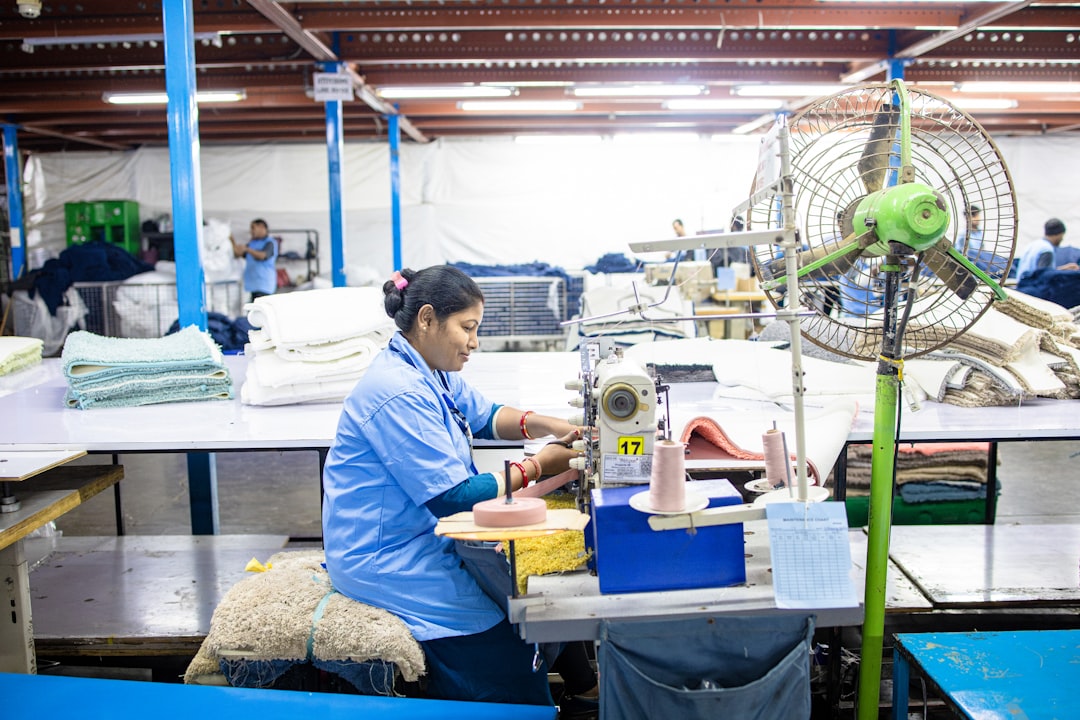
Furthermore, the final deployment and onboarding phase takes 1-2 weeks. Therefore, advance planning is crucial to meet production deadlines. Additionally, factors like source country regulations can affect timing. Hence, working with a partner familiar with World Bank trade and logistics corridors ensures efficiency. Ultimately, a phased approach mitigates risk and ensures quality.
- Weeks 1-3: Strategic planning, budgeting, and permit acquisition.
- Weeks 4-7: Active recruitment, screening, and candidate selection.
- Weeks 5-9: Parallel documentation, visa processing, and medical checks.
- Weeks 10-11: Travel arrangements and pre-departure briefings.
- Weeks 11-12: Arrival, facility orientation, and phased productivity ramp-up.
Common Challenges and Solutions
Expanding to a 24-hour model presents predictable challenges. First, attracting qualified talent for night shifts can be difficult. The solution involves offering competitive shift premiums and clear career paths. Second, maintaining productivity and quality parity across all shifts is tough. Therefore, implementing standardized processes and robust quality audits is key.
Furthermore, higher attrition rates sometimes affect night shifts. Consequently, focusing on worker wellbeing and engagement reduces turnover. Additionally, communication gaps between shift teams can cause errors. Hence, digital handover tools and overlapping shift periods improve information flow. Finally, managing increased operational costs requires careful financial planning from the outset.
- Challenge: Night shift talent shortage. Solution: Targeted recruitment campaigns and attractive incentives.
- Challenge: Inconsistent output quality. Solution: Cross-shift calibration and unified SOPs.
- Challenge: Employee isolation and morale. Solution: Regular team-building and accessible support.
- Challenge: Communication breakdowns. Solution: Technology platforms for shift logs and updates.
- Challenge: Budget overruns. Solution: Detailed cost forecasting and phased investment.
Expert Recommendations for Success
For a seamless transition to 24-hour manufacturing, follow expert advice. First, treat the third shift as a dedicated business unit, not an extension. Empower its leadership with appropriate resources and authority. Second, invest in superior lighting, climate control, and break facilities. These investments directly impact safety, alertness, and productivity.
Moreover, establish a continuous feedback loop with the new team. Regularly review challenges and adapt processes accordingly. Additionally, consider a phased ramp-up to full capacity. Starting with a smaller pilot team allows for process refinement. Finally, partner with an HR consultancy that understands the intricacies of GCC manufacturing expansion. Their expertise mitigates risk and accelerates time-to-productivity.
- Grant autonomy and budget control to night shift management.
- Invest in infrastructure that supports alertness and safety.
- Create formal channels for shift-specific feedback and suggestions.
- Begin with a pilot group of 50 workers to test systems.
- Choose a recruitment partner with proven manufacturing sector experience.
Frequently Asked Questions About Manufacturing Third Shift Expansion
What is the timeline for manufacturing third shift expansion?
Timeline typically ranges 8-12 weeks for a 150-worker team. Furthermore, planning and permits take 2-3 weeks. Additionally, recruitment and visa processing require 6-8 weeks. Therefore, consult our specialists for a customized project plan.
What are the key compliance areas for night shift work?
Key areas include working hour limits, overtime pay, health assessments, and rest periods. Moreover, specific permits for 24-hour operation are often required. Additionally, transportation and housing standards must be met.
How do you ensure quality consistency across all shifts?
Implement identical training, standardized work instructions, and digital quality tracking systems. Furthermore, regular cross-shift meetings align teams. Moreover, quality audits should be conducted randomly on all shifts.
What typical premiums are offered for third shift work?
Shift differentials in the GCC typically range from 15% to 30% of base salary. Furthermore, additional allowances for transportation and meals are common. Ultimately, competitive packages are essential to attract reliable talent.
Can existing day staff be moved to the new night shift?
Voluntary transfers are possible with proper incentives. However, a full manufacturing third shift expansion usually requires external hiring. This approach avoids disrupting established day teams and brings in fresh talent.
How does Allianze HR manage bulk recruitment for 150 workers?
We utilize our extensive database and network for high-volume sourcing. Furthermore, we conduct structured screening and assessments in batches. Moreover, our dedicated processing team handles all documentation and logistics efficiently.
Partner with Allianze HR for Shift Expansion Success
Executing a successful manufacturing third shift expansion demands specialized expertise. This guide has outlined the strategic, legal, and operational pillars of the process. From workforce planning to compliance and deployment, each step is interconnected. Moreover, the GCC’s dynamic manufacturing landscape offers tremendous growth potential for those who scale effectively.
Therefore, partnering with an experienced recruitment firm transforms this complex project into a streamlined success. Allianze HR provides end-to-end support for your 150-worker team deployment. We ensure compliance, quality, and timeliness at every stage. Consequently, you can focus on core production goals while we manage the talent pipeline. Ready to launch your 24-hour manufacturing operation? Contact our HR specialists today for a detailed consultation and project proposal.