


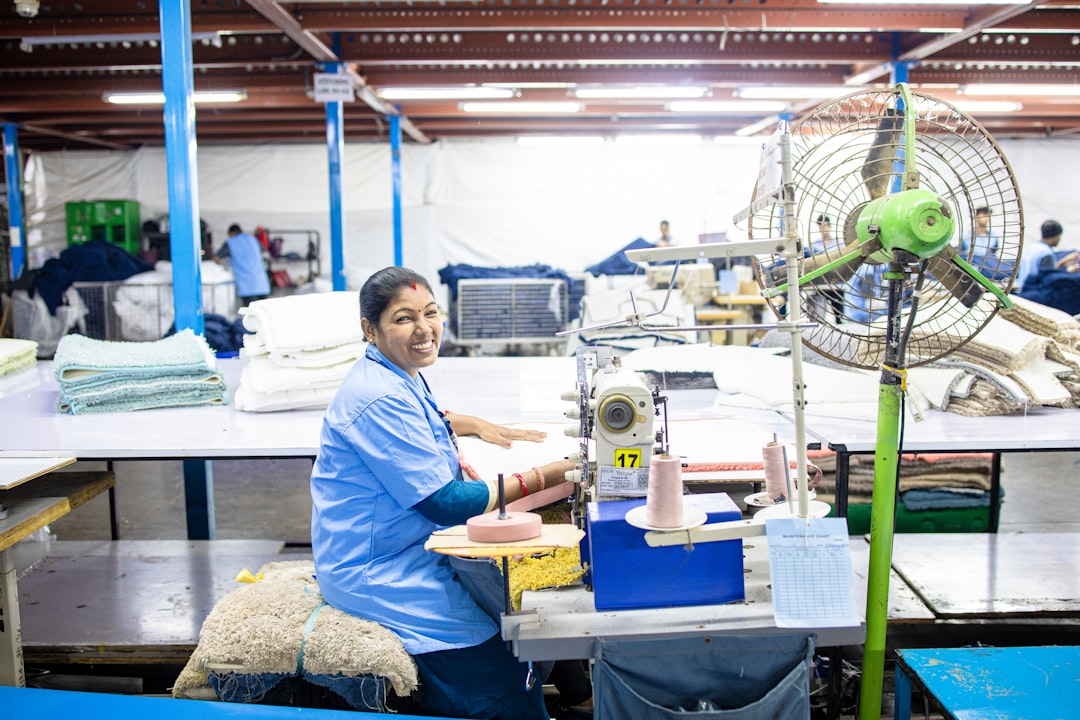
Are you struggling with excessive employee turnover in your manufacturing operations? Furthermore, high attrition rates cripple productivity and increase costs significantly. Therefore, manufacturing turnover reduction becomes critical for sustainable growth. This case study demonstrates proven retention strategies.
The GCC manufacturing sector faces unique workforce challenges. Additionally, regional labor dynamics differ from Western markets. Moreover, cultural considerations impact employee satisfaction. Consequently, tailored approaches deliver superior results. Understanding these nuances proves essential for success.
At Allianze HR Consultancy, we’ve successfully placed 10,000+ professionals across UAE, Saudi Arabia, Qatar, and Kuwait. Furthermore, our 5+ years of GCC expertise supports clients from 50+ countries. Moreover, our Ministry of External Affairs (India) RA license ensures compliance. Therefore, contact our recruitment specialists for expert guidance.
Understanding GCC Manufacturing Workforce Challenges
GCC manufacturing environments present distinct operational hurdles. Additionally, extreme climate conditions affect worker performance. Moreover, multinational workforces require careful management. Consequently, employee retention demands specialized approaches.
Common manufacturing sector challenges include language barriers, skill gaps, and cultural adaptation difficulties. Furthermore, accommodation quality significantly impacts satisfaction. Additionally, remote locations create isolation concerns. Therefore, comprehensive solutions address multiple factors simultaneously.
According to International Labour Organization guidelines, manufacturing typically experiences above-average turnover rates. However, strategic interventions can dramatically improve retention. Moreover, World Bank labor market reports confirm regional manufacturing growth demands stable workforces.
- Language and communication barriers across diverse teams
- Skill development and career progression limitations
- Housing and living condition concerns
- Workplace safety and environmental considerations
- Compensation competitiveness and benefit adequacy
- Supervisory relationships and management practices
Our case study company faced 45% annual turnover before intervention. Subsequently, production quality suffered from constant retraining. Moreover, recruitment costs escalated unsustainably. Therefore, comprehensive manufacturing employee retention strategies became imperative.
Manufacturing Turnover Reduction Strategic Overview
The manufacturing turnover reduction initiative began with thorough diagnostics. Additionally, we conducted anonymous employee surveys across all shifts. Moreover, exit interview analysis revealed underlying causes. Consequently, data-driven strategies replaced assumptions.
Key discovery areas included supervisory effectiveness, compensation fairness, and career development opportunities. Furthermore, work-life balance emerged as critical. Additionally, recognition systems required enhancement. Therefore, our multifaceted approach addressed these interconnected issues.
Strategic pillars encompassed leadership development, compensation restructuring, and engagement enhancement. Moreover, communication improvements and procedural fairness received emphasis. Additionally, World Health Organization workplace standards guided environmental improvements.
- Comprehensive diagnostic assessment and data analysis
- Leadership and supervisory skills enhancement programs
- Competitive compensation and benefits restructuring
- Career pathway development and skill building
- Employee recognition and engagement systems
- Communication transparency and feedback mechanisms
Implementation followed phased rollout across departments. Furthermore, measurable targets tracked progress quarterly. Moreover, employee feedback guided adjustments. Consequently, manufacturing workforce stability improved dramatically within twelve months.
Legal Framework and Compliance Standards
GCC labor laws establish minimum employment standards. Additionally, manufacturing sector regulations address specific safety requirements. Moreover, UAE government employment regulations mandate worker protections. Therefore, compliance forms the foundation for retention.
Key legal considerations include contract transparency, working hour limitations, and overtime compensation. Furthermore, accommodation standards and healthcare provisions receive regulatory attention. Additionally, grievance procedures require established channels. Consequently, legal adherence builds trust.
Our compliance verification ensures adherence to all regional requirements. Moreover, we exceed minimum standards where beneficial for retention. Additionally, documentation transparency prevents misunderstandings. Therefore, employees feel secure in their rights.
- Labor contract clarity and mutual understanding
- Working hour compliance and rest period adherence
- Overtime compensation transparency and timeliness
- Accommodation standards exceeding minimum requirements
- Healthcare access and insurance coverage adequacy
- Grievance procedure accessibility and responsiveness
Regular compliance audits identified improvement opportunities. Furthermore, management training ensured consistent application. Moreover, employee education clarified rights and responsibilities. Consequently, trust in organizational fairness increased significantly.
Manufacturing Turnover Reduction Best Practices
Effective manufacturing turnover reduction requires evidence-based practices. Additionally, GCC context demands cultural adaptation. Moreover, sustainable approaches balance organizational and employee needs. Therefore, proven methodologies deliver reliable results.
First, structured onboarding dramatically improves early retention. Furthermore, mentorship programs accelerate integration. Moreover, clear performance expectations reduce frustration. Consequently, new hire success rates increase substantially.
Second, competitive total compensation prevents dissatisfaction. Additionally, skill-based pay progression rewards development. Moreover, benefit customization addresses diverse needs. Therefore, financial motivations support retention.
Third, career pathway visibility encourages long-term commitment. Furthermore, cross-training opportunities increase engagement. Moreover, internal promotion prioritization demonstrates growth potential. Consequently, employees invest in organizational success.
- Structured 90-day onboarding with mentorship support
- Total compensation benchmarking against market leaders
- Skill-based pay progression and certification rewards
- Clear career pathways with visible advancement criteria
- Cross-training opportunities and skill diversification
- Internal promotion prioritization and succession planning
Fourth, recognition systems reinforce desired behaviors. Furthermore, regular feedback creates improvement dialogue. Moreover, team celebrations build camaraderie. Therefore, psychological satisfaction complements financial rewards.
Documentation and Processing Steps
Systematic documentation ensures consistent application. Additionally, transparent processes build organizational trust. Moreover, accurate record-keeping supports continuous improvement. Therefore, proper documentation underpins successful retention strategies.
First, employee surveys establish baseline measurements. Furthermore, confidential data collection encourages honesty. Moreover, trend analysis identifies priority areas. Consequently, resources target most impactful interventions.
Second, policy documentation clarifies organizational commitments. Additionally, procedure manuals guide supervisor actions. Moreover, communication plans ensure employee awareness. Therefore, consistency replaces individual discretion.
Third, performance documentation supports development discussions. Furthermore, skill inventories identify training needs. Moreover, career progression records track advancement. Consequently, individual growth receives systematic support.
- Confidential employee satisfaction survey administration
- Retention policy documentation and communication
- Supervisor procedure manuals and decision frameworks
- Individual development plan creation and maintenance
- Skill inventory databases and training need identification
- Advancement tracking and succession planning documentation
Fourth, compliance documentation demonstrates legal adherence. Furthermore, audit trails verify consistent application. Moreover, reporting systems track retention metrics. Therefore, accountability replaces ambiguity throughout the organization.
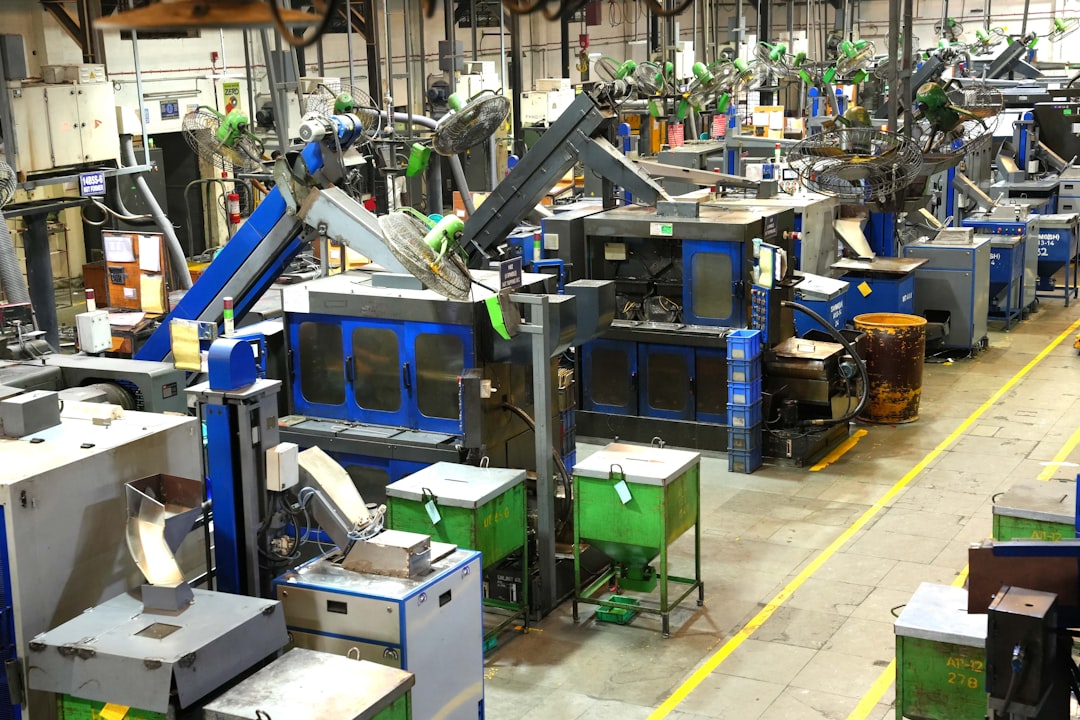
Manufacturing Turnover Reduction Implementation Timeline
Successful manufacturing turnover reduction follows structured implementation. Additionally, phased approaches manage organizational change. Moreover, milestone celebrations maintain momentum. Therefore, realistic timelines ensure sustainable progress.
Months 1-3 focus on assessment and planning. Furthermore, diagnostic activities identify root causes. Moreover, leadership alignment secures commitment. Consequently, comprehensive strategies address actual rather than perceived issues.
Months 4-6 emphasize leadership development and quick wins. Additionally, supervisor training improves daily management. Moreover, visible improvements build credibility. Therefore, early successes generate continued support.
Months 7-12 implement systemic changes and measure impact. Furthermore, compensation restructuring and career pathways launch. Moreover, retention metrics track progress. Consequently, comprehensive transformation achieves targets.
- Month 1: Diagnostic completion and root cause analysis
- Month 2: Strategy development and leadership alignment
- Month 3: Communication planning and quick win identification
- Months 4-5: Supervisor training and process improvements
- Months 6-8: Compensation restructuring and system changes
- Months 9-12: Full implementation and impact measurement
Our case study organization achieved 15-point reduction within six months. Furthermore, additional 12-point improvement followed in subsequent six months. Moreover, sustainability measures maintained gains long-term. Therefore, patient persistence delivers dramatic manufacturing employee retention improvements.
Common Challenges and Solutions
Manufacturing turnover reduction initiatives face predictable obstacles. Additionally, proactive planning prevents derailment. Moreover, solution frameworks address typical concerns. Therefore, anticipation enables successful navigation.
First, management resistance sometimes impedes progress. Furthermore, traditional approaches feel comfortable. Moreover, measurement concerns create hesitation. Consequently, data demonstration and peer examples build confidence.
Second, budget constraints limit investment capacity. Additionally, cost justification requires careful analysis. Moreover, phased funding spreads financial impact. Therefore, return-on-investment calculations secure necessary resources.
Third, measurement difficulties obscure progress. Furthermore, multiple factors influence turnover. Moreover, seasonal variations complicate analysis. Consequently, controlled experimentation and statistical analysis validate effectiveness.
- Management resistance: Data demonstration and peer examples
- Budget constraints: ROI calculation and phased implementation
- Measurement difficulties: Controlled testing and statistical analysis
- Cultural barriers: Local adaptation and change management
- Communication challenges: Multiple channels and repetition
- Sustainability concerns: System integration and accountability
Fourth, cultural barriers require sensitive navigation. Furthermore, multinational workforces demand inclusive approaches. Moreover, change management ensures adoption. Therefore, cultural competence facilitates successful manufacturing workforce stability improvement.
Expert Recommendations for Success
Based on extensive GCC manufacturing experience, specific recommendations maximize success. Additionally, priority sequencing optimizes resource utilization. Moreover, measurement focus maintains accountability. Therefore, evidence-based approaches deliver reliable outcomes.
First, begin with thorough diagnostics rather than assumptions. Furthermore, employee surveys provide crucial insights. Moreover, exit interview analysis reveals preventable departures. Consequently, resources target actual rather than perceived issues.
Second, secure leadership commitment before launching initiatives. Additionally, management engagement ensures consistent implementation. Moreover, visible executive support demonstrates organizational priority. Therefore, top-down commitment drives cultural change.
Third, implement supervisor training as foundation intervention. Furthermore, frontline management effectiveness dramatically impacts retention. Moreover, leadership skills prove teachable and measurable. Consequently, management development delivers disproportionate returns.
- Comprehensive diagnostics before solution design
- Leadership commitment and visible engagement
- Supervisor training and management development
- Phased implementation with quick win emphasis
- Continuous measurement and adjustment
- System integration rather than program isolation
Fourth, celebrate progress and communicate successes. Furthermore, recognition reinforces positive behaviors. Moreover, success stories build organizational confidence. Therefore, momentum maintenance ensures comprehensive manufacturing employee retention transformation.
Frequently Asked Questions About Manufacturing Turnover Reduction
What is the timeline for manufacturing turnover reduction?
Significant improvement typically requires 6-12 months. Furthermore, diagnostic phases precede implementation. Moreover, sustainable change demands systematic approach. Therefore, consult our specialists for accurate planning.
What diagnostic approaches identify retention opportunities?
Effective diagnostics include employee surveys, exit interviews, and stay interviews. Additionally, benchmarking against industry standards provides context. Moreover, supervisory assessment identifies management gaps.
What are typical costs for retention initiatives?
Costs vary by organization size and current turnover levels. Furthermore, investment typically represents fraction of turnover expenses. Moreover, U.S. Department of Commerce trade resources confirm positive ROI.
How does Allianze HR ensure compliance during implementation?
We maintain Ministry-approved RA license status. Additionally, our team monitors GCC labor law changes. Moreover, we conduct thorough documentation verification at every stage.
Which manufacturing sectors does Allianze specialize in?
Our expertise covers automotive, electronics, food processing, construction materials, and industrial equipment. Additionally, we serve both heavy and light manufacturing sectors across GCC.
What measurement approaches track retention progress?
We recommend tracking voluntary turnover, exit reason trends, and satisfaction scores. Furthermore, productivity metrics and quality indicators provide complementary evidence. Moreover, departmental comparisons identify best practices.
Partner with Allianze HR for Retention Success
Manufacturing turnover reduction delivers substantial organizational benefits. Furthermore, our proven methodology achieves dramatic improvements. Moreover, GCC-specific expertise ensures cultural appropriateness. Therefore, professional partnership maximizes success probability.
Our case study organization reduced turnover from 45% to 18% within twelve months. Additionally, productivity increased by 22% through workforce stability. Moreover, recruitment costs decreased by 35% annually. Consequently, comprehensive manufacturing employee retention strategies delivered exceptional returns.
Allianze HR brings extensive GCC manufacturing experience and proven methodologies. Furthermore, our diagnostic approach identifies root causes accurately. Moreover, our implementation framework delivers sustainable results. Therefore, partnership ensures your manufacturing turnover reduction success.
Begin your retention transformation today. Explore our professional recruitment resources for additional insights. Additionally, schedule consultation appointment with our manufacturing specialists. Together, we can build stable, productive manufacturing operations across the GCC region.