


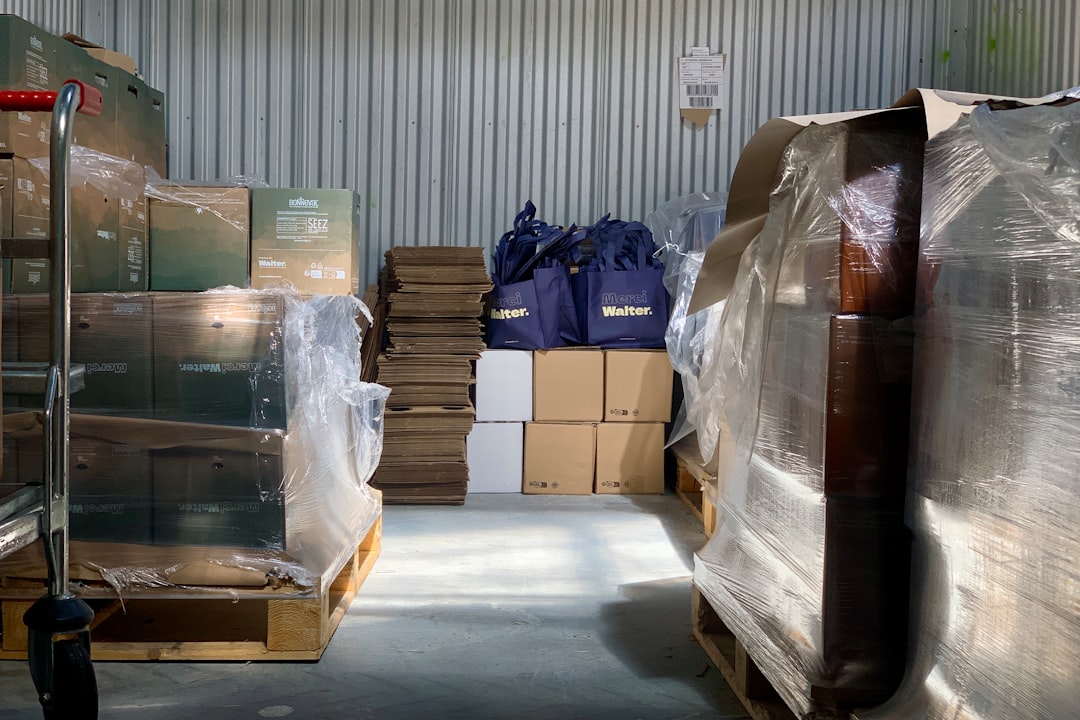
How can construction managers in the Gulf execute large-scale projects without crippling storage costs or work stoppages? Material procurement just-in-time represents the definitive solution for modern mega-projects. This approach synchronizes supply chains with precise construction schedules. Consequently, it eliminates massive on-site stockpiles and associated waste. For a 500-worker project, mastering this methodology is not just beneficial—it is essential for profitability and timely completion.
The GCC construction landscape features rapid timelines and premium-priced urban land. Traditional bulk purchasing creates logistical nightmares. Furthermore, it ties up capital and increases theft or damage risks. Conversely, a lean procurement strategy aligns delivery with immediate consumption. This synchronization is critical across the UAE, Saudi Arabia, Qatar, and Kuwait. Therefore, understanding regional supply dynamics becomes a key competitive advantage.
At Allianze HR Consultancy, we’ve successfully placed 10,000+ professionals across UAE, Saudi Arabia, Qatar, and Kuwait. Furthermore, our 5+ years of GCC expertise supports clients from 50+ countries. Moreover, our Ministry of External Affairs (India) RA license ensures compliance. Therefore, contact our recruitment specialists for expert guidance on staffing your logistics and site management teams.
Understanding GCC Construction Logistics Challenges
Gulf construction projects face unique logistical hurdles. Urban sites often have severely limited storage space. Additionally, extreme summer heat can degrade certain materials. Port congestion and customs clearance can also delay traditional shipments.
Furthermore, labor-intensive projects with 500 workers consume materials rapidly. A single day’s delay in delivery can idle hundreds of skilled workers. This idleness translates directly into massive financial losses. Therefore, supply chain reliability is paramount.
Regional considerations add another layer of complexity. For instance, local supplier networks vary in maturity between Emirates and Kingdoms. Moreover, UAE construction sector employment regulations influence work hours and delivery windows. Understanding these nuances is the first step toward optimization.
- Limited urban plot sizes restrict traditional storage.
- Harsh climate conditions risk material spoilage.
- Variable regional supplier reliability and capacity.
- Strict customs and importation procedures for materials.
- High cost of capital tied up in inventory.
Consequently, a proactive logistics strategy is non-negotiable. It must account for all these regional variables. This foundation enables the successful implementation of just-in-time systems.
Material Procurement Just-in-Time Strategic Overview
Material procurement just-in-time is a holistic operational philosophy. It moves beyond simple scheduling. This strategy requires deep integration between project management, suppliers, and site foremen. The goal is to receive goods precisely when needed for installation.
For a 500-worker project, this means orchestrating hundreds of deliveries weekly. Each delivery must match the upcoming work package. Furthermore, this approach minimizes on-site handling and double-handling. It also drastically reduces required laydown areas.
Implementing this system demands excellent communication. Site managers must provide accurate short-term schedules. Meanwhile, procurement teams must vet and manage reliable suppliers. Additionally, real-time tracking technology becomes indispensable. This coordination turns the construction site into a streamlined assembly line.
- Aligns material delivery with detailed short-interval schedules.
- Transforms the site from a storage yard to an installation point.
- Requires robust supplier partnerships and performance agreements.
- Leverages digital tools for real-time inventory and order tracking.
- Reduces capital lock-in and improves project cash flow.
Therefore, a successful strategy hinges on precision planning and partnership. This overview sets the stage for the detailed practices that follow.
Legal Framework and Compliance Standards
Procurement operates within a strict GCC legal environment. Compliance governs everything from import duties to worker safety. Firstly, material standards often require GCC or local Emirates-specific certifications. These ensure quality and safety for all construction outputs.
Secondly, transportation and delivery are heavily regulated. For example, truck sizes, delivery times, and road permits vary by municipality. Navigating these rules prevents costly fines and delays. Moreover, International Labour Organization construction safety standards influence material handling protocols on site.
Contractual compliance is equally critical. Purchase orders and supply agreements must be watertight. They should specify delivery windows, penalties for delays, and quality checks. Furthermore, they must align with the main construction contract’s force majeure clauses. This legal diligence protects the project from supplier failure.
- Adherence to local material standards (e.g., ESMA in UAE, SASO in KSA).
- Compliance with municipal delivery and traffic regulations.
- Contractual clauses for JIT delivery performance and liabilities.
- Alignment with OSHA construction industry standards for safe material handling.
- Proper customs documentation and duty payments for imported items.
Consequently, legal expertise must be part of the procurement team. This ensures smooth operations and mitigates regulatory risk throughout the project lifecycle.
Material Procurement Just-in-Time Best Practices
Executing material procurement just-in-time effectively requires disciplined best practices. First, develop a highly detailed micro-schedule. This schedule should break down work into daily or even shift-based tasks. It becomes the heartbeat for all material orders.
Second, establish consolidated supplier partnerships. Work with fewer, more reliable vendors. Additionally, implement vendor-managed inventory (VMI) agreements where possible. Under VMI, the supplier monitors site stock and initiates replenishment.
Third, utilize technology for visibility. Cloud-based procurement platforms allow real-time tracking. Site supervisors can update consumption rates instantly. Meanwhile, procurement managers can monitor supplier performance metrics. This transparency is vital for a 500-worker operation.
- Create rolling 2-3 week look-ahead schedules for precision ordering.
- Implement Vendor-Managed Inventory (VMI) for high-consumption items.
- Use barcode/RFID scanning for real-time material receipt and issuance.
- Conduct regular supplier performance reviews and collaborative planning sessions.
- Maintain a small buffer stock of critical, long-lead items only.
Moreover, integrate these practices with your workforce planning. The synergy between labor deployment and material arrival is where true efficiency is born. For further insights, explore our professional recruitment resources on staffing your planning teams.
Documentation and Processing Steps
Flawless documentation is the backbone of JIT systems. The process begins with the material take-off (MTO). This detailed list originates from approved shop drawings. Subsequently, the procurement team issues requests for quotation (RFQs) to pre-qualified suppliers.
After selecting a vendor, the purchase order (PO) is critical. It must specify the exact delivery window, not just a date. Furthermore, it should include point-of-contact details and on-site unloading instructions. This precision prevents gate congestion.
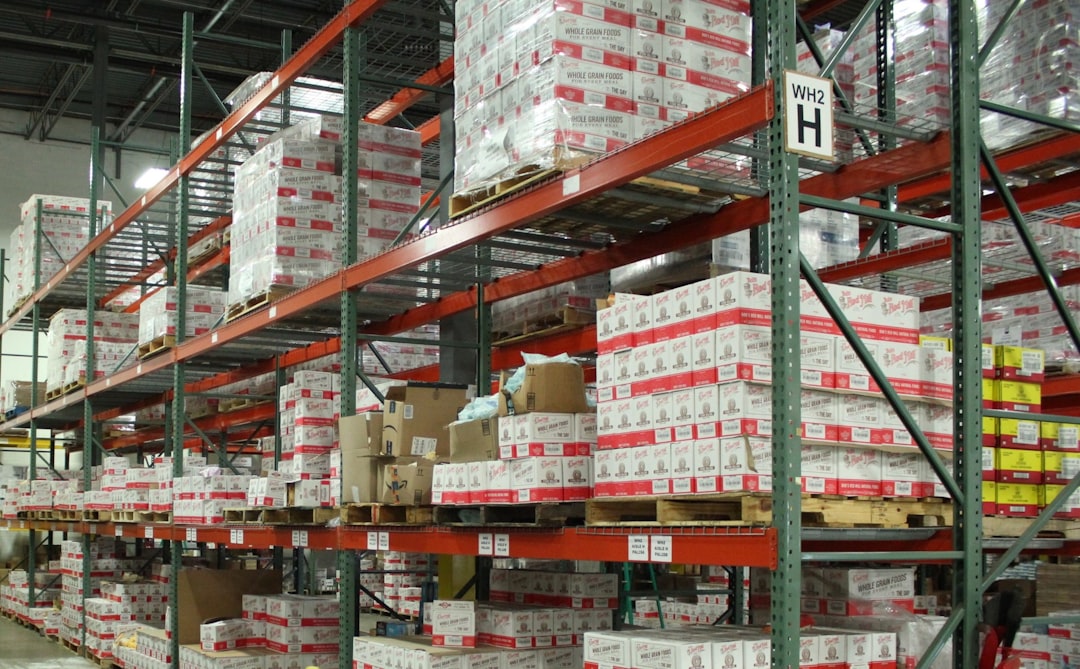
Upon delivery, the goods receipt note (GRN) process is vital. Supervisors must verify quantity and quality immediately. Moreover, they should report any discrepancies in real-time. This allows for instant corrective action with the supplier. Consequently, the work schedule remains protected.
- Material Take-Off (MTO) from latest engineering drawings.
- Purchase Orders with precise delivery time windows (e.g., 9:00-11:00 AM).
- Advanced Shipping Notifications (ASN) from suppliers 24 hours prior.
- Digital Goods Receipt Notes (GRN) with photo evidence of condition.
- Automated three-way matching (PO, GRN, Invoice) for payment.
Therefore, standardizing these documents and steps is essential. It creates a predictable, auditable workflow that can scale across a large project.
Material Procurement Just-in-Time Implementation Timeline
Implementing a robust material procurement just-in-time system requires phased execution. The pre-construction phase is for foundation building. This involves selecting JIT-compatible suppliers and establishing digital tools. Typically, this takes 4-6 weeks before ground-breaking.
The mobilization phase overlaps with early site work. Here, you conduct trial runs with non-critical material packages. Furthermore, you train site staff on new procedures and technology. This phase ensures the system is tested before full-scale work begins.
Finally, the execution phase runs for the project’s duration. Continuous monitoring and weekly adjustment meetings are mandatory. This agile approach allows the system to adapt to schedule changes or unforeseen issues. Moreover, it aligns with broader World Bank infrastructure development principles of efficiency.
- Weeks 1-6: Supplier qualification, contract negotiation, and system setup.
- Weeks 7-10: Pilot testing with initial work packages and team training.
- Ongoing Execution: Daily schedule coordination, delivery tracking, and KPI review.
- Monthly: Strategic review with suppliers for continuous improvement.
- Project Close: System audit and lessons-learned documentation for future projects.
Hence, a structured timeline transforms JIT from a concept into a reliable, operational reality. It manages risk through gradual scaling and constant feedback.
Common Challenges and Solutions
Even well-planned JIT systems encounter challenges. Supplier reliability is the most frequent issue. A single late delivery can cascade through the schedule. The solution is dual-sourcing for critical items and holding strategic partners accountable with performance-based contracts.
Another challenge is inaccurate schedule forecasting. If the site team falls behind, materials arrive with nowhere to go. Conversely, accelerating work can cause material shortages. The solution is robust short-interval scheduling and daily huddles between planning and field teams.
Communication breakdowns between procurement and site management are also common. Therefore, implementing a centralized communication platform is crucial. This platform should provide shared visibility into schedules, orders, and delivery statuses for all stakeholders.
- Challenge: Unreliable supplier performance. Solution: Implement key performance indicators (KPIs) with financial penalties/incentives.
- Challenge: Schedule volatility. Solution: Maintain a flexible “buffer” supplier for quick-turnaround items.
- Challenge: Poor site storage discipline. Solution: Designate and enforce organized, just-in-time offloading zones.
- Challenge: Customs clearance delays. Solution: Hire a dedicated customs clearance agent for imported materials.
- Challenge: Technology adoption resistance. Solution: Provide hands-on training and demonstrate time-saving benefits to crews.
Proactively identifying these potential pitfalls allows for the development of mitigation strategies. This preparedness ensures system resilience.
Expert Recommendations for Success
To excel in material procurement just-in-time, start with your team. Hire or train a dedicated logistics coordinator. This role focuses solely on the supply chain interface. Furthermore, empower this person with authority to make quick decisions with suppliers.
Invest in integrated project management software. Choose platforms that link scheduling modules with procurement modules. This creates a single source of truth. Moreover, it enables automated alerts when schedule changes impact material orders.
Build relationships, not just transactions. Treat key suppliers as extension of your project team. Include them in planning meetings. Additionally, recognize their good performance. This partnership approach fosters greater reliability and problem-solving collaboration.
- Appoint a senior-level JIT Logistics Manager with cross-functional authority.
- Utilize IoT sensors for high-value materials to track location and condition.
- Align JIT strategy with World Health Organization workplace standards for safe material handling.
- Conduct quarterly joint workshops with top suppliers to improve processes.
- Benchmark your inventory turnover ratios against regional World Bank trade and logistics standards.
Finally, view JIT as a continuous improvement journey. Regularly collect data on lead times, waste, and costs. Then, analyze this data to refine your model for the next project phase or future project.
Frequently Asked Questions About Material Procurement Just-in-Time
What is the primary benefit of material procurement just-in-time for large projects?
The primary benefit is significant cost reduction from eliminated storage and minimized waste. Furthermore, it enhances cash flow by deferring material payments. Consequently, it creates a leaner, more responsive, and financially efficient project site.
How do you manage risk of work stoppages if a delivery is late?
Risk is managed through dual-sourcing critical items and maintaining a small safety stock for very long-lead materials. Additionally, robust supplier contracts with clear penalties for delays provide financial recourse and incentivize reliability.
What technology is essential for JIT procurement success?
Essential technology includes cloud-based project management software with integrated procurement modules, real-time GPS tracking for shipments, and mobile apps for instant GRN processing. Moreover, data analytics tools help predict demand patterns.
Is JIT procurement suitable for all construction materials?
No, it is best for high-turnover, predictable items like formwork, rebar, and standard MEP components. Conversely, unique custom items or those with very long international lead times may require traditional procurement with buffer stock.
How does Allianze HR support projects implementing JIT systems?
We recruit the specialized talent needed to run these systems, such as Logistics Managers, Planning Engineers, and Storekeepers. Furthermore, our understanding of GCC market dynamics helps us find professionals experienced in regional supply chain challenges.
Can JIT be applied in remote GCC project locations?
Yes, but it requires even more meticulous planning. Solutions include establishing local consolidation centers, using reliable transport partners, and potentially increasing safety stock levels for certain items to account for greater variability.
Partner with Allianze HR for Procurement Success
Mastering material procurement just-in-time transforms project execution. It turns logistical challenges into a streamlined competitive advantage. This guide has outlined the strategic, operational, and compliance pillars of a successful system. For a 500-worker project, the efficiency gains directly impact the bottom line and client satisfaction.
The human element is the most critical component. You need a team that understands lean principles and GCC dynamics. Therefore, securing the right talent for logistics, planning, and site management is paramount. This