


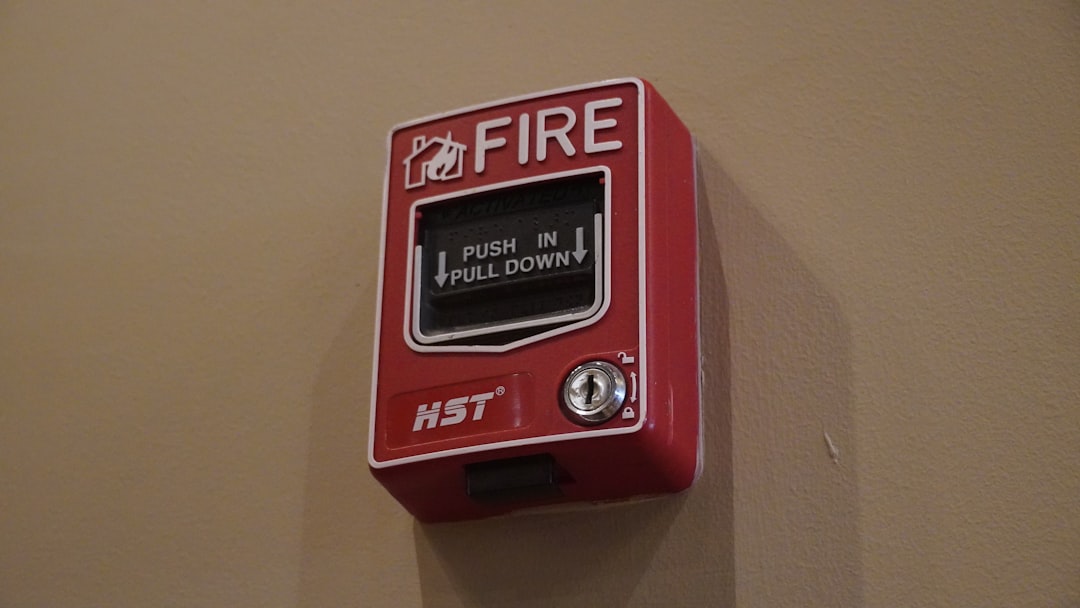
Are your facility’s life safety systems truly reliable when an emergency strikes? In the dynamic commercial and industrial landscapes of the GCC, maintaining operational fire alarm systems is not just a best practice—it’s a critical legal and moral obligation. Monthly fire alarm testing provides the essential verification needed to ensure continuous protection for assets and personnel. This systematic approach to fire system verification safeguards against catastrophic failure and ensures compliance with stringent regional codes. Consequently, neglecting this routine can lead to severe penalties and, more importantly, unacceptable risk.
Facilities across the UAE, Saudi Arabia, Qatar, and Kuwait operate under rigorous fire safety regulations. These standards mandate regular inspection and testing of all fire detection components. Moreover, the region’s unique environmental conditions, from coastal humidity to desert dust, can accelerate system degradation. Therefore, a proactive monthly check is indispensable. This process involves verifying control panel functions, testing initiating devices like smoke detectors, and ensuring notification appliances operate correctly. Ultimately, this diligence protects your business continuity and demonstrates a commitment to workplace safety.
At Allianze HR Consultancy, we understand that a safe facility requires skilled, compliant personnel to manage these critical systems. Furthermore, our 5+ years of GCC expertise supports clients from 50+ countries in sourcing qualified facilities management professionals. Moreover, our Ministry of External Affairs (India) RA license ensures all recruitment adheres to the highest compliance standards. Therefore, contact our recruitment specialists for expert guidance in building a team that prioritizes safety and operational excellence.
Understanding GCC Fire Safety Compliance Requirements
GCC nations enforce some of the world’s most comprehensive fire safety codes. These regulations stem from national civil defense authorities and municipal bodies. For instance, the UAE follows the UAE Fire and Life Safety Code of Practice. Similarly, Saudi Arabia implements the Saudi Building Code (SBC). These codes explicitly require periodic testing and maintenance of fire alarm systems. Non-compliance results in hefty fines, operational shutdowns, or imprisonment.
Furthermore, insurance providers often mandate proof of regular system testing. This proof is necessary for maintaining coverage validity. Additionally, building owners and facility managers bear direct legal responsibility. Consequently, establishing a documented monthly testing protocol is non-negotiable. This protocol must align with both local authority requirements and international standards like NFPA 72. Regular verification ensures your facility meets all statutory obligations.
- Adherence to UAE Civil Defense, Saudi Civil Defense, and QCDD standards.
- Mandatory documentation and logbook maintenance for audits.
- Requirements for certified and competent personnel to conduct tests.
- Integration with other life safety systems like sprinklers and smoke control.
- Specific protocols for high-risk occupancies like hotels, hospitals, and malls.
Therefore, a deep understanding of these regional mandates forms the foundation of any effective fire safety program. Partnering with knowledgeable professionals ensures your procedures remain current.
Monthly Fire Alarm Testing Strategic Overview
A strategic monthly fire alarm testing program moves beyond simple checkbox compliance. It is a proactive risk management tool. This systematic verification process confirms that every system component functions as designed. The core objective is to identify and rectify minor issues before they escalate into major failures. For example, a drifting smoke detector sensor can be recalibrated monthly, preventing a nuisance alarm or a failure to alarm during a real event.
Moreover, a well-planned schedule ensures comprehensive coverage without disrupting daily operations. Tests should rotate through different zones or floors each month. This approach allows for thorough annual coverage of all devices. Additionally, the process validates the entire signal path, from initiation to notification. Consequently, you gain confidence in the system’s reliability. This confidence is crucial for facility managers and safety officers across the GCC.
- Develop a rotating schedule to test all system zones annually.
- Assign clear roles and responsibilities for testing personnel.
- Integrate testing with other preventive maintenance workflows.
- Use testing data to track system performance and degradation trends.
- Ensure strategic alignment with business continuity and emergency plans.
Ultimately, this overview transforms a regulatory chore into a value-adding safety assurance activity. It provides documented evidence of due diligence.
Legal Framework and Compliance Standards
The legal landscape for fire alarm testing in the GCC is multifaceted. It incorporates national laws, municipal codes, and international standards. Key authorities include UAE Civil Defense, Saudi Civil Defense, Qatar Civil Defense, and Kuwait Fire Service Directorate. These bodies conduct unannounced inspections and require submission of maintenance certificates. Furthermore, tenancy laws and facility management contracts often embed specific fire safety obligations.
Additionally, international benchmarks provide best-practice guidance. The International Labour Organization (ILO) sets fundamental principles for workplace safety. Similarly, NFPA 72 (National Fire Alarm and Signaling Code) details technical testing frequencies and methods. Moreover, local codes frequently reference or adopt these international standards. Therefore, compliance requires navigating this layered framework.
Ignorance of the law is not a defensible position. Penalties for non-compliance are severe. They can include daily fines until rectification, revocation of occupancy permits, or criminal liability for negligence. Hence, a robust understanding of the applicable Saudi Ministry of Labor regulations and similar GCC bodies is essential. Proactive engagement with authorities during system modifications is also recommended.
- Regularly review updates from GCC civil defense portals and publications.
- Maintain relationships with certified fire safety consultants and auditors.
- Ensure all service providers hold valid authorities’ approval licenses.
- Understand the specific requirements for your building’s occupancy classification.
- Keep detailed records for a minimum period as defined by law (often 3-5 years).
Monthly Fire Alarm Testing Best Practices
Implementing monthly fire alarm testing best practices ensures efficacy and reliability. First, always notify building occupants and local authorities before testing to prevent unnecessary emergency response. Next, follow a written procedure derived from manufacturer manuals and NFPA 72. This procedure should include functional tests of manual pull stations, smoke detectors, heat detectors, and duct detectors. Moreover, test a different sample of devices each month to achieve full annual coverage.
Furthermore, sensitivity testing for smoke detectors is a critical best practice. Dust and dirt can affect optical chambers, leading to inadequate sensitivity. While full sensitivity testing might be annual, visual inspection and functional testing are monthly imperatives. Additionally, verify control panel functions, including power supply, batteries, and communication signals to monitoring stations. Consequently, this comprehensive approach identifies both obvious and latent faults.
Documentation is equally crucial. Log every test, including device location, date, tester name, results, and any corrective actions taken. This log serves as legal evidence of compliance. Utilize digital facilities management systems for tracking and reminders. For expert insights on maintaining high standards, explore our professional recruitment resources for facilities teams.
- Conduct tests during low-occupancy periods to minimize disruption.
- Use manufacturer-approved test equipment and methods.
- Verify audibility and visibility of alarms and strobes throughout protected areas.
- Test auxiliary functions like elevator recall and door release.
- Immediately address any faults and retest until the system is fully operational.
Documentation and Processing Steps
Meticulous documentation is the cornerstone of a defensible fire alarm testing program. The process begins with a current system inventory and floor plans. Next, create a standardized test form for monthly use. This form should capture all required data points for regulatory audits. Furthermore, record the condition of batteries, wiring, and device enclosures during each inspection. Any deficiency must be logged on a corrective action report with clear timelines for resolution.
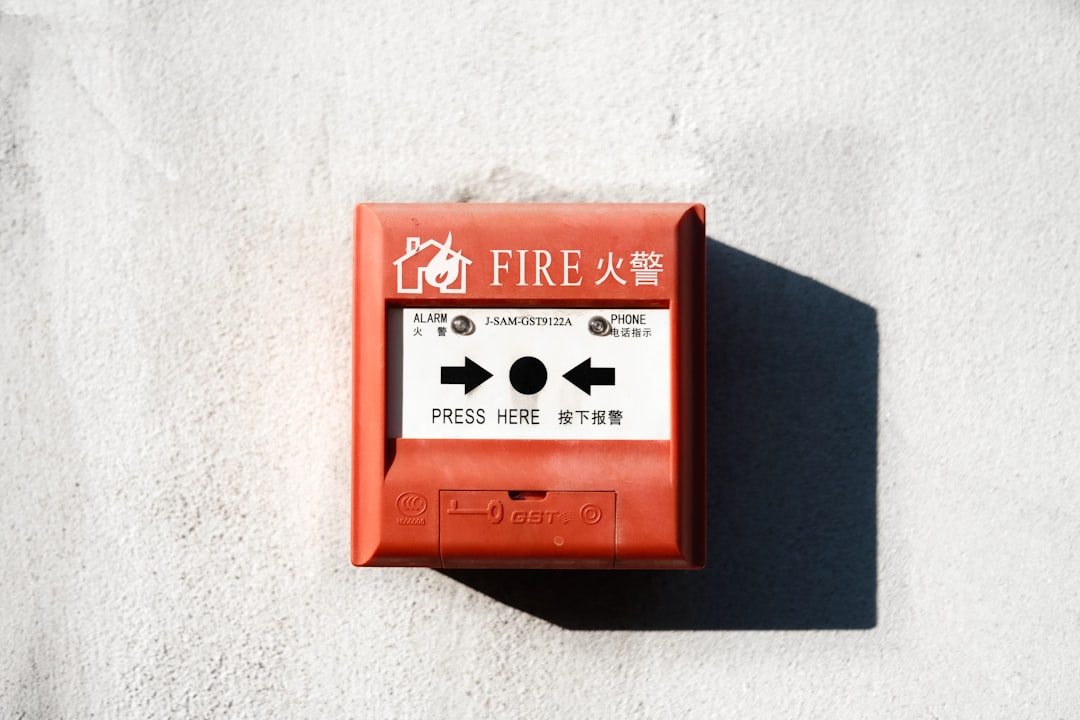
Moreover, processing the test data is vital for long-term management. Trend analysis can reveal recurring issues with specific device types or locations. This analysis informs capital planning for system upgrades. Additionally, ensure documentation is readily accessible for inspections by civil defense or insurance assessors. Digital logbooks with cloud backup are highly recommended. They prevent loss and allow for remote access by authorized personnel.
Finally, the process includes reporting. Provide monthly summary reports to facility management and building ownership. Annual comprehensive reports should summarize all testing activities and system health. This transparent communication demonstrates proactive risk management. It also supports informed decision-making for maintenance budgets. Therefore, treat documentation not as an administrative task, but as a critical safety asset.
- Maintain asset tags on all devices linked to your maintenance database.
- Store signed test certificates and service reports in a dedicated repository.
- Implement a ticketing system to track deficiency resolution from discovery to close-out.
- Include photographs of device locations and any noted damage in reports.
- Ensure all documentation complies with UAE government and other GCC record-keeping requirements.
Monthly Fire Alarm Testing Implementation Timeline
Establishing a successful monthly fire alarm testing implementation timeline requires careful planning. Week One should focus on preparation: review the monthly schedule, notify stakeholders, and gather equipment. Furthermore, coordinate with any subcontractors, such as specialized duct detector testers. Meanwhile, ensure the testing team has access to all areas, including tenant spaces and secure rooms.
Week Two typically involves executing the physical tests for the designated zone. This phase includes functional checks, visual inspections, and battery tests. Subsequently, any immediate corrective actions, like replacing a broken pull station cover, should be completed. Week Three is for documentation review, data entry, and generating the monthly report. Moreover, this is the time to order any required parts for planned repairs.
Finally, Week Four is dedicated to follow-up and planning. Review any open corrective actions from previous months. Then, finalize the schedule and zone focus for the upcoming month. This cyclical timeline ensures continuous improvement and system reliability. For support in staffing a team to manage this timeline, schedule a consultation appointment with our experts.
- Day 1-2: Issue notifications and access requests.
- Day 3-10: Execute field testing and immediate repairs.
- Day 11-15: Complete documentation and report drafting.
- Day 16-20: Management review and approval of reports.
- Day 21-25: Plan and prepare for the next month’s testing cycle.
Common Challenges and Practical Solutions
Facilities face several common challenges in maintaining monthly fire alarm testing. First, occupant disruption is a frequent concern. The solution is clear communication and scheduling tests during off-hours or low-activity periods. Second, accessing leased or tenant-controlled spaces can be difficult. Therefore, incorporate access clauses into lease agreements and build cooperative relationships with tenants.
Another major challenge is the high cost of specialized test equipment and trained personnel. Partnering with a reputable service provider can be more cost-effective than maintaining in-house capabilities. Furthermore, managing nuisance alarms during testing is critical. Always use the control panel’s test mode or disable signals to the monitoring station temporarily. Moreover, ensure the system is fully restored to normal operation post-test.
Finally, keeping up with evolving regulations is daunting. Subscribe to updates from local civil defense and international bodies like the International Facility Management Association (IFMA). Attend industry seminars and training sessions. Consequently, these proactive steps turn challenges into managed risks, ensuring your fire system verification program remains robust and compliant.
- Challenge: System obsolescence and discontinued parts. Solution: Develop a phased modernization plan.
- Challenge: Lack of skilled technicians. Solution: Invest in training or partner with certified firms.
- Challenge: Incomplete or lost documentation. Solution: Implement a digital document management system.
- Challenge: Dust and environmental contamination. Solution: Increase cleaning frequency and consider protective covers.
- Challenge: Budget constraints. Solution: Prioritize testing based on risk assessment and regulatory mandates.
Expert Recommendations for Success
To ensure long-term success with your fire alarm testing program, adopt these expert recommendations. First, appoint a dedicated Fire Safety Manager with clear authority and accountability. This individual should oversee the entire program. Second, integrate fire alarm testing with your overall World Health Organization indoor air quality and building management systems. Holistic facility management yields better safety outcomes.
Moreover, invest in continuous training for your facilities team. Technologies and standards evolve rapidly. Regular training ensures your team’s skills remain current. Additionally, conduct annual third-party audits of your testing program. An external perspective can identify gaps or complacency that internal teams may overlook. Furthermore, leverage technology like IoT sensors for remote monitoring of panel health, which can supplement physical monthly checks.
Finally, foster a strong safety culture where every employee feels responsible for reporting potential fire safety issues. Empower occupants to report damaged devices or concerns. This culture turns your workforce into an additional layer of detection. By following these recommendations, you transform compliance from a cost center into a core value that protects your people, property, and reputation in the GCC market.
- Benchmark your program against industry leaders and World Bank urban development best practices.
- Establish key performance indicators (KPIs) like mean time to repair and test completion rate.
- Engage with local civil defense for pre-audit consultations and guidance.
- Include fire alarm system reliability in your business continuity and disaster recovery planning.
- Recognize and reward staff and teams who demonstrate exceptional commitment to safety protocols.
Frequently Asked Questions About Monthly Fire Alarm Testing
What is the primary goal of monthly fire alarm testing?
The primary goal is functional verification. This systematic check ensures all components operate correctly. Furthermore, it identifies minor issues before they cause system failure. Consequently, it maintains compliance and ensures life safety system reliability.
Can in-house staff perform the sensitivity testing on smoke detectors?
Basic functional testing can be done in-house with proper training. However, quantitative sensitivity testing often requires specialized equipment and certified technicians. Moreover, local regulations may mandate third-party certification for annual sensitivity tests. Therefore, check your local civil defense requirements.
What happens if we miss a monthly test?
Missing a test creates a compliance gap and increases risk. Immediately conduct the test and document the reason for the delay. Furthermore, implement measures to prevent recurrence. Notably, prolonged lapses can invalidate insurance and lead to penalties during inspections.
How does testing differ for addressable versus conventional fire alarm systems?
Addressable systems allow testing and diagnostics from the control panel for each device. Conventional systems require physical testing at each device location. However, the core principles of functional verification remain the same for both system types during monthly fire system verification.
What should be included in the monthly test report?
The report must include date, tester name, devices tested, results (pass/fail), any deficiencies found, and corrective actions taken. Additionally, include control panel battery test results and confirmation of signal transmission to the monitoring station.
<