


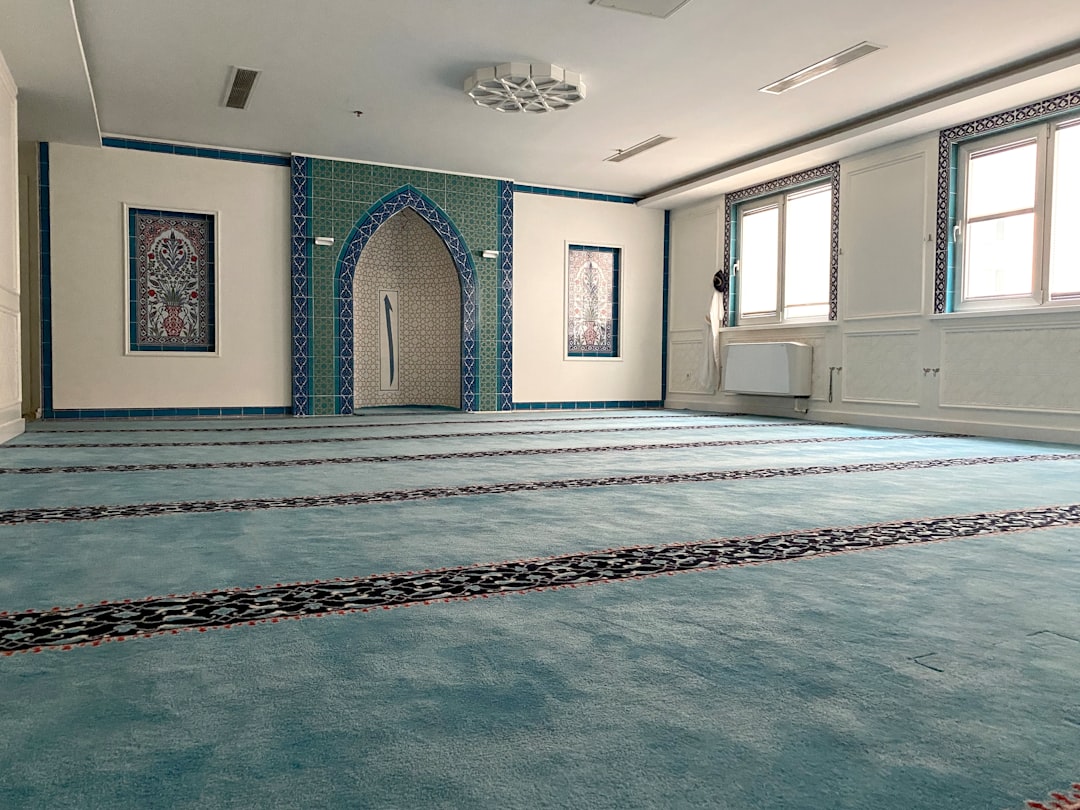
How can property managers maintain Islamic worship facilities with both operational excellence and deep cultural respect? Furthermore, mosque facility management presents unique challenges across the GCC. Consequently, specialized mosque FM facility maintenance services are essential. Moreover, these services blend technical expertise with religious sensitivity. Therefore, this guide explores strategic approaches for successful religious property management.
Managing mosques and Islamic centers requires more than standard upkeep. Additionally, these spaces serve as community hubs for prayer, education, and social gathering. Specifically, operational requirements differ significantly from commercial properties. Meanwhile, cultural protocols dictate specific cleaning and maintenance schedules. Hence, facility managers must understand both technical and spiritual dimensions.
At Allianze HR Consultancy, we’ve successfully placed 10,000+ professionals across UAE, Saudi Arabia, Qatar, and Kuwait. Furthermore, our 5+ years of GCC expertise supports clients from 50+ countries. Moreover, our Ministry of External Affairs (India) RA license ensures compliance. Therefore, contact our recruitment specialists for expert guidance on staffing your facility management teams.
Understanding GCC Religious Facility Requirements
Religious facilities in the Gulf have distinct operational needs. First, daily prayer schedules create peak usage periods five times daily. Additionally, Friday congregations significantly increase occupancy. Consequently, maintenance and cleaning crews must work around intense, predictable usage patterns. Furthermore, ablution areas require constant attention to hygiene and water management.
Technical systems also demand specialized knowledge. For example, sound systems for the Adhan and sermons need expert care. Moreover, architectural features like domes and minarets present unique access challenges. Therefore, facility teams require specific training. Besides, understanding UAE green building regulations helps implement sustainable practices.
- Peak usage management around five daily prayers and Jumu’ah.
- Specialized cleaning protocols for prayer halls and carpets.
- Water conservation and hygiene in wudu areas.
- Technical maintenance of religious audio-visual systems.
- Architectural upkeep for traditional Islamic design elements.
- Compliance with local municipality and awqaf department regulations.
Mosque FM Facility Maintenance Strategic Overview
A strategic approach to mosque FM facility maintenance ensures operational and spiritual harmony. First, develop a maintenance plan synchronized with the Islamic calendar. For instance, Ramadan and Hajj seasons increase facility use dramatically. Therefore, proactive planning prevents service disruption. Moreover, staffing schedules must accommodate night prayers during Ramadan.
Secondly, integrate cultural competency into every procedure. Specifically, teams must understand the sanctity of the space. Additionally, they should perform duties with minimal disruption to worshippers. Consequently, training programs should cover Islamic etiquette. Furthermore, partnering with organizations like the International Facility Management Association provides industry best practices.
- Calendar-based planning for Ramadan, Eid, and Hajj seasons.
- Cultural and religious sensitivity training for all staff.
- Non-disruptive work schedules around prayer times.
- Specialized vendor management for religious artifacts.
- Community engagement and feedback mechanisms.
- Budget allocation for ceremonial and peak period demands.
Legal Framework and Compliance Standards
Mosque management operates within a complex regulatory environment. Primarily, facilities often fall under awqaf or Islamic affairs departments. Therefore, compliance involves both civil and religious authorities. Additionally, standard labor laws from the International Labour Organization apply to workers. Moreover, health and safety standards are paramount in high-occupancy spaces.
Documentation and reporting follow specific channels. For example, renovation projects may require approval from religious committees. Meanwhile, financial operations might be subject to charitable organization rules. Consequently, facility managers need strong liaison skills. Furthermore, understanding Saudi Ministry of Labor regulations or equivalent GCC bodies is essential for staffing.
- Dual compliance with municipal and awqaf authorities.
- Adherence to GCC-wide occupational health and safety mandates.
- Charitable activity regulations for donation-funded facilities.
- Contractor vetting for projects involving religious spaces.
- Noise and disruption control ordinances during prayer times.
- Environmental regulations for water use in ablution areas.
Mosque FM Facility Maintenance Best Practices
Implementing best practices elevates the standard of mosque FM facility maintenance. First, establish a clear hierarchy of space sanctity. For example, the main prayer hall demands the highest level of care and respect. Subsequently, support areas like libraries or offices follow standard protocols. Moreover, use appropriate, non-scented cleaning agents in prayer areas to avoid distracting worshippers.
Secondly, invest in preventive maintenance for critical systems. Specifically, HVAC systems must handle large occupancy fluctuations. Additionally, electrical systems powering evening prayers need reliable backup. Therefore, scheduled inspections prevent failures during key times. Furthermore, consider World Health Organization indoor air quality guidelines for large gathering spaces.
- Tiered cleaning protocols based on space sanctity and use.
- Preventive maintenance schedules for HVAC, electrical, and plumbing.
- Use of culturally appropriate, non-intrusive materials and scents.
- Dedicated waste management for religious materials.
- Regular training updates on new techniques and cultural protocols.
- Performance benchmarking against other community facilities.
Documentation and Processing Steps
Effective documentation streamlines religious facility management. Initially, create a comprehensive asset register. This register should include religious items like minbars, mihrabs, and Quran stands. Additionally, log all technical equipment for sound and lighting. Consequently, maintenance histories become easier to track. Moreover, digital records facilitate quick access for teams and authorities.
Processing maintenance requests requires a sensitive ticketing system. Specifically, categorize issues by urgency and area affected. For instance, a problem in the wudu area is high-priority. Meanwhile, a library repair can be scheduled. Therefore, clear protocols ensure swift resolution of critical issues. Besides, leveraging professional recruitment resources helps build a team skilled in these systems.
- Detailed asset registers including religious and technical items.
- Digitized maintenance logs and service histories.
- Priority-based ticketing system aligned with facility usage.
- Compliance checklists for regulatory and religious audits.
- Vendor contract management for specialized services.
- Inventory tracking for cleaning and consumable supplies.
Mosque FM Facility Maintenance Implementation Timeline
Deploying a robust mosque FM facility maintenance program follows a phased timeline. Month one focuses on assessment and planning. Subsequently, conduct a full facility audit and engage community stakeholders. Meanwhile, develop customized operational manuals. Therefore, the foundation is built on understanding and strategy.
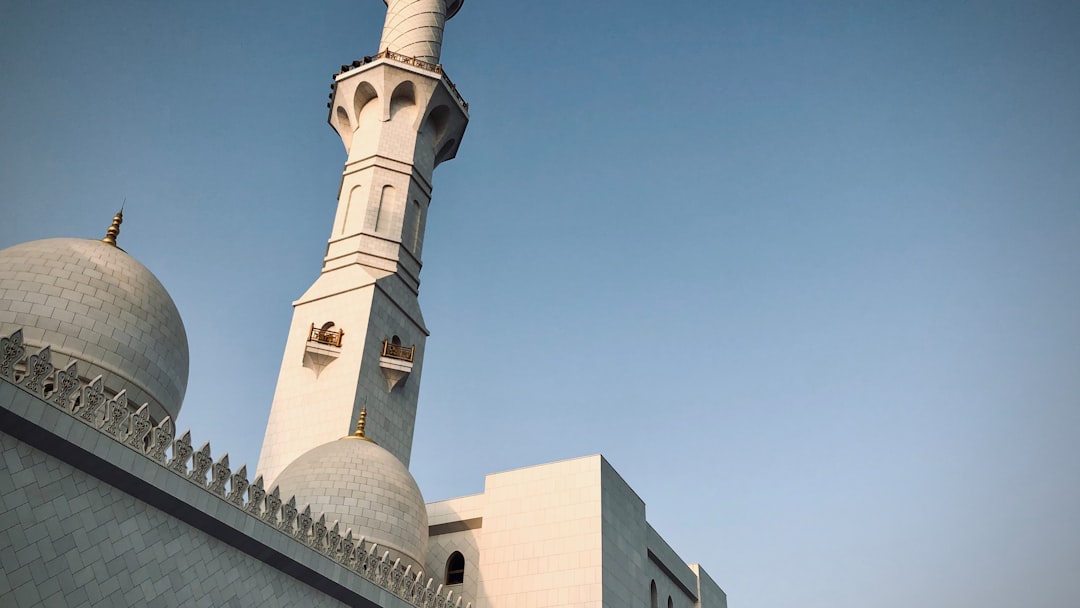
Months two and three involve team assembly and training. Specifically, recruit personnel with the right technical and soft skills. Additionally, initiate training on cultural protocols and technical procedures. Consequently, the team becomes operational. Finally, months four to six see full implementation and review. Moreover, continuous improvement cycles begin, informed by worshipper feedback and performance data.
- Phase 1 (Weeks 1-4): Facility audit and stakeholder consultation.
- Phase 2 (Weeks 5-8): Manual development and process design.
- Phase 3 (Weeks 9-12): Team recruitment and intensive training.
- Phase 4 (Months 4-6): Full operational rollout and system testing.
- Phase 5 (Ongoing): Performance review and continuous improvement.
- Annual: Strategic review aligned with Islamic calendar events.
Common Challenges and Solutions
Managers frequently face specific challenges in this niche field. First, balancing accessibility for maintenance with space sanctity is difficult. For example, technicians may need to access areas during non-prayer times. Therefore, creating precise, time-bound work windows is crucial. Additionally, clear communication with the community manages expectations.
Secondly, budgeting for aging community mosques poses a significant challenge. Often, funds rely on donations, leading to uncertainty. Consequently, implementing a proactive asset lifecycle plan helps prioritize spending. Furthermore, exploring partnerships under World Bank urban development initiatives may offer funding avenues for community infrastructure.
- Challenge: Disruptive maintenance during prayer times. Solution: Strict off-peak scheduling and community alerts.
- Challenge: Limited and fluctuating budgets. Solution: Multi-year asset planning and diverse funding strategies.
- Challenge: Finding technically skilled, culturally aware staff. Solution: Specialized recruitment and ongoing sensitivity training.
- Challenge: Managing large, volunteer-driven clean-ups. Solution: Professional coordination and safety oversight.
- Challenge: Upgrading technology without altering tradition. Solution: Discreet, respectful integration of new systems.
Expert Recommendations for Success
Success in this field hinges on several expert recommendations. First, appoint a liaison officer from the facility team to the mosque committee. This role bridges operational and community perspectives. Moreover, it ensures maintenance activities respect spiritual activities. Therefore, communication flows smoothly in both directions.
Secondly, invest in technology that enhances, not intrudes. For instance, use quiet, efficient equipment for cleaning. Additionally, implement IoT sensors for predictive maintenance in back-of-house areas. Consequently, you prevent failures before they disrupt worship. Finally, commit to ongoing professional development. Explore schedule consultation appointment options to refine your staffing strategy with experts who understand the GCC context.
- Establish a formal liaison between FM staff and religious leadership.
- Select equipment and technology for minimal noise and visual impact.
- Develop a continuous training curriculum incorporating community feedback.
- Create a transparent reporting system for donors and stakeholders.
- Benchmark performance against international standards for public assembly spaces.
- Foster a team culture of service and respect for the facility’s mission.
Frequently Asked Questions About Mosque FM Facility Maintenance
What is the timeline for mosque FM facility maintenance implementation?
A full implementation typically spans 4-6 months. Furthermore, the initial audit and planning phase is critical. Therefore, consult our specialists for a customized project plan based on your facility’s size and needs.
What staffing structure is needed for religious property management?
Teams typically require a mix of technical custodians, specialized cleaners, and a culturally-aware supervisor. Additionally, roles for HVAC, electrical, and audio system specialists are often essential. Moreover, sensitivity training is mandatory for all positions.
How are maintenance schedules adapted for Ramadan?
Schedules shift to daytime hours before Iftar. Furthermore, deep cleaning and major projects are completed before the holy month begins. Consequently, only essential, non-disruptive tasks occur during Ramadan nights.
How does Allianze HR ensure staff cultural competency?
We screen for respect and awareness during recruitment. Additionally, we provide pre-deployment orientation on Islamic etiquette and mosque protocols. Moreover, we partner with clients to develop ongoing, site-specific training programs.
Which GCC countries have the most specific regulations for mosque management?
Saudi Arabia and the UAE have particularly detailed awqaf regulations. Furthermore, Qatar and Kuwait also have strong oversight through their respective Islamic affairs ministries. Therefore, local compliance knowledge is non-negotiable.
Can existing commercial FM teams manage a mosque?
While technically possible, significant supplemental training is required. Specifically, teams must learn unique usage patterns, cleaning protocols, and cultural norms. Therefore, specialized support or restructuring is usually recommended for excellence.
Partner with Allianze HR for Religious Facility Success
Effective management of Islamic worship spaces requires a dedicated, knowledgeable approach. Furthermore, it blends technical facility management with unwavering cultural respect. Consequently, the right team makes the difference between mere upkeep and holistic stewardship. Moreover, strategic mosque FM facility maintenance enhances the worship experience and preserves community assets.
Allianze HR Consultancy provides the specialized recruitment solutions needed for this sensitive sector. We understand the dual demands of operational efficiency and religious protocol. Therefore, we source and vet candidates who meet both technical and cultural criteria. Additionally, our GCC-wide expertise ensures full compliance with local regulations. For a partnership that honors both your facility’s function and its faith-based mission, contact our HR specialists today to begin building your ideal team.