


Are you struggling to manage workplace noise levels across your GCC facilities? Furthermore, do regulatory inspections create compliance anxiety for your operations teams? Consequently, effective environmental management is now a critical component of corporate responsibility. Moreover, with stringent GCC regulations, proactive noise control is essential. Therefore, implementing robust noise monitoring compliance tracking systems is no longer optional. It is a fundamental requirement for sustainable operations and workforce protection.
Industrial growth across the Gulf region intensifies environmental challenges. Specifically, construction, manufacturing, and logistics sectors generate significant sound emissions. Additionally, urban development brings facilities closer to residential areas. This proximity increases community complaints and regulatory scrutiny. Furthermore, occupational health standards mandate safe exposure limits for workers. Non-compliance results in substantial fines and operational disruptions. Thus, facility managers must adopt modern solutions for sound level management.
At Allianze HR Consultancy, we understand that compliance extends beyond paperwork. It integrates with workforce safety and community relations. Moreover, our 5+ years of GCC expertise supports clients from 50+ countries. We’ve successfully placed 10,000+ professionals across UAE, Saudi Arabia, Qatar, and Kuwait. Furthermore, our Ministry of External Affairs (India) RA license ensures compliance integrity. Therefore, contact our recruitment specialists for expert guidance on building compliant, skilled teams.
Understanding GCC Environmental Noise Regulations
GCC nations enforce distinct yet converging environmental noise standards. For instance, UAE’s Federal Law No. 24 and various local municipality codes set clear limits. Similarly, Saudi Arabia’s Presidency of Meteorology and Environment (PME) issues specific guidelines. These regulations protect both occupational health and community wellbeing. Consequently, facility managers must navigate a complex regulatory landscape.
Furthermore, compliance involves continuous, verifiable data collection. Manual readings are insufficient for modern enforcement. Additionally, authorities demand timestamped, tamper-proof records. These records prove adherence during inspections. Moreover, different zones have varying permissible sound levels. Industrial, commercial, and residential areas each have unique thresholds. Therefore, understanding these specifics prevents violations.
Key regulatory bodies include:
- UAE Ministry of Climate Change and Environment (MOCCAE)
- Saudi Arabian Presidency of Meteorology and Environment (PME)
- Qatar’s Ministry of Municipality and Environment (MME)
- Kuwait Environment Public Authority (KEPA)
- Local municipal authorities across all Emirates and Governorates
These agencies conduct surprise audits and respond to public complaints. Subsequently, a systematic monitoring approach is your best defense. Partnering with experts who understand these frameworks is crucial. For deeper insights, review the International Labour Organization workplace safety standards.
Noise Monitoring Compliance Tracking Systems Strategic Overview
A modern noise monitoring compliance tracking system is an integrated technology platform. It combines hardware sensors with cloud-based software analytics. These systems provide real-time sound level measurement across your facility. Moreover, they automatically log data for regulatory reporting. This strategic investment transforms compliance from reactive to proactive management.
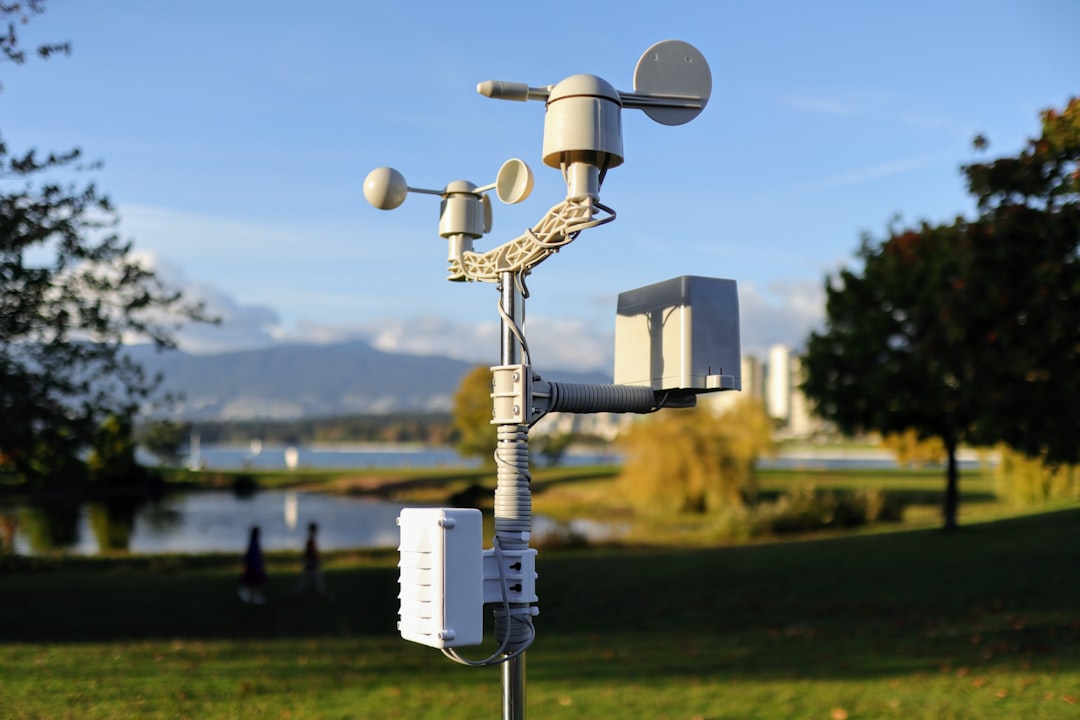
Firstly, the core components include outdoor and indoor acoustic sensors. These devices measure decibel levels continuously. Secondly, data transmission units send information securely to a central dashboard. Thirdly, analytics software processes this data against configured thresholds. Consequently, managers receive instant alerts for any exceedance. This allows for immediate corrective action.
The strategic benefits are multifold:
- Automated Compliance Proof: Generate audit-ready reports with one click.
- Proactive Risk Management: Identify noise hotspots before they trigger complaints.
- Operational Efficiency: Correlate noise data with machinery performance for predictive maintenance.
- Enhanced CSR Profile: Demonstrate environmental stewardship to stakeholders and communities.
Therefore, implementing such a system is a strategic operational upgrade. It protects your license to operate. Additionally, it safeguards your workforce’s long-term health. For technical standards, refer to OSHA industry standards which influence global best practices.
Legal Framework and Compliance Standards
Navigating the GCC’s legal framework requires precise understanding. Each country’s laws specify maximum permissible noise levels. These are often measured in dB(A) over different time periods (e.g., Leq, Lmax). For example, daytime limits are typically stricter than nighttime limits. Furthermore, regulations distinguish between continuous and impulsive noise. Compliance standards are not static; they evolve.
Moreover, documentation requirements are rigorous. Authorities may request years of historical data. Specifically, they look for consistent monitoring and proper calibration records. Additionally, they verify that monitoring points represent true exposure. Sensor placement is therefore a critical compliance factor. Improper placement can invalidate your entire data set.
Key documentation includes:
- Annual calibration certificates for all monitoring equipment.
- Daily, weekly, and monthly summary reports showing compliance.
- Records of all exceedance events and corrective actions taken.
- Employee training logs on noise awareness and hearing protection.
Consequently, a tracking system must manage this documentation seamlessly. It should automate report generation and certificate tracking. Furthermore, understanding regional nuances is vital. For official UAE regulations, consult the UAE green building regulations portal.
Noise Monitoring Compliance Tracking Systems Best Practices
Implementing noise monitoring compliance tracking systems successfully requires a methodical approach. First, conduct a comprehensive noise mapping survey. This identifies all potential sources and receptor points. Subsequently, design a sensor network that provides full coverage. Strategic placement is more important than the number of devices.
Next, integrate the system with your existing operational technology. For instance, link noise alerts to work order management systems. This ensures maintenance teams act swiftly. Additionally, establish clear escalation protocols. Define who receives alerts and their required response times. Moreover, regularly review and optimize threshold settings based on seasonal operations.
Best practices for sustained success include:
- Stakeholder Training: Train facility staff and EHS officers on system use and data interpretation.
- Regular Audits: Conduct quarterly system performance and data integrity audits.
- Community Engagement: Use transparent data sharing to build trust with neighboring communities.
- Continuous Improvement: Analyze trends to engineer noise out of processes, not just monitor it.
Therefore, technology is only one component. People and processes complete the compliance ecosystem. For global health perspectives, the World Health Organization indoor air quality guidelines provide relevant context on environmental health.
Documentation and Processing Steps
Effective compliance hinges on impeccable documentation. The process begins with system commissioning reports. These documents verify correct installation and initial calibration. Furthermore, they establish a baseline for all future measurements. Subsequently, the system generates automated data logs. These logs must be stored securely and be easily retrievable.
Moreover, processing steps for handling exceedances are critical. First, the system triggers an immediate alert. Second, the responsible team acknowledges and investigates the cause. Third, corrective action is implemented and logged. Finally, a follow-up measurement confirms the issue is resolved. This closed-loop process demonstrates diligent management to regulators.
Essential documentation workflows include:
- Automated daily compliance certificates.
- Monthly executive summaries for management review.
- Annual compliance reports submitted to regulatory bodies.
- Incident-specific dossiers for any complaint-driven investigation.
Consequently, choose a platform with robust document management features. It should automate as much of this workflow as possible. This reduces administrative burden and human error. Additionally, ensure your team understands these procedures thoroughly. Access our professional recruitment resources for building a skilled EHS team.
Noise Monitoring Compliance Tracking Systems Implementation Timeline
Deploying comprehensive noise monitoring compliance tracking systems follows a phased timeline. Typically, the entire process spans 8 to 16 weeks. The duration depends on facility size and system complexity. A structured approach ensures smooth integration with minimal operational disruption.
Phase One involves assessment and design, taking 2-3 weeks. This includes site surveys and finalizing the technical architecture. Phase Two covers procurement and installation over 4-6 weeks. Subsequently, Phase Three involves configuration and testing for 2-3 weeks. Finally, Phase Four is training and go-live, requiring 1-2 weeks. Moreover, parallel workstreams for staff training should run throughout.
Critical timeline milestones are:
- Week 1-2: Project kick-off and stakeholder alignment.
- Week 3-6: Hardware installation and network setup.
- Week 7-8: Software configuration and integration testing.
- Week 9-10: User acceptance testing and training sessions.
- Week 11+: System go-live and hyper-care support period.
Therefore, realistic planning is essential for success. Furthermore, allocate time for regulatory familiarization. Understanding the World Bank urban development reports can provide context on regional infrastructure pressures.
Common Challenges and Solutions
Organizations face several hurdles when implementing sound monitoring platforms. A frequent challenge is sensor calibration drift. Over time, environmental factors affect measurement accuracy. The solution is automated calibration reminders and using durable, industrial-grade sensors. Additionally, partnering with vendors offering regular maintenance contracts is wise.
Another common issue is data overload. Systems generate vast amounts of information. Consequently, teams struggle to identify actionable insights. The solution lies in intelligent analytics. Modern platforms use AI to highlight trends and anomalies. Moreover, customizable dashboards focus attention on key performance indicators.
Further challenges and their solutions include:
- Challenge: Integration with legacy building management systems.
Solution: Use platforms with open API architecture and proven middleware. - Challenge: Employee resistance to new monitoring.
Solution: Conduct change management emphasizing health benefits, not just policing. - Challenge: High initial capital expenditure.
Solution: Explore scalable, subscription-based (SaaS) models to reduce upfront costs.
Thus, anticipating these obstacles allows for proactive mitigation. Furthermore, learning from regional peers accelerates your journey. The International Facility Management Association offers valuable insights and networking for FM professionals.
Expert Recommendations for Success
To maximize the value of your compliance investment, follow expert guidance. First, secure executive sponsorship from the outset. Compliance is a strategic initiative, not just an EHS department task. Second, start with a pilot project in one high-risk area. Demonstrate quick wins before scaling across the entire facility portfolio.
Third, prioritize data security and integrity. Ensure your cloud platform complies with local data sovereignty laws. Additionally, implement strict access controls to prevent data tampering. Fourth, build a culture of continuous improvement. Use the data not just for reporting, but to redesign noisy processes. This turns a compliance cost into an operational advantage.
Final expert recommendations include:
- Select vendors with proven GCC deployment experience and local support.
- Mandate regular review meetings to assess system performance and compliance status.
- Integrate noise data with other EHS metrics for a holistic operational view.
- Plan for future scalability to accommodate facility expansion or new regulations.
Therefore, strategic thinking ensures long-term success. Moreover, the right technology partner is crucial. For a comprehensive approach, schedule consultation appointment with our specialists to discuss your specific needs.
Frequently Asked Questions About Noise Monitoring Compliance Tracking Systems
What is the typical cost for implementing noise monitoring compliance tracking systems?
Costs vary significantly based on facility size and required features. A basic system for a single site may start from a few thousand dollars. Conversely, enterprise-wide deployments with advanced analytics cost more. Furthermore, consider ongoing subscription, maintenance, and calibration expenses. Therefore, request detailed quotations from multiple vendors for accurate budgeting.
How often do acoustic sensors require calibration?
Industrial-grade acoustic sensors typically require annual calibration for compliance. However, harsh environments may necessitate semi-annual checks. Moreover, most regulations mandate documented calibration certificates. Consequently, choose a system with automated calibration tracking and reminder alerts to maintain validity.
Can these systems integrate with existing facility management software?
Yes, modern platforms offer API integrations with common CMMS and BMS software. This allows noise alerts to automatically generate work orders. Additionally, data can feed into centralized business intelligence dashboards. Therefore, verify integration capabilities during the vendor selection process to ensure seamless operation.
What happens during a power or internet outage?
Robust systems have built-in contingency plans. Sensors often include local data storage to bridge connectivity gaps. Furthermore, uninterrupted power supplies (UPS) keep critical components running. Once power and internet resume, the system automatically syncs all stored data. Thus, compliance records remain complete and unbroken.
Who within our organization should manage this system?
Primary management typically falls to Environmental, Health & Safety (EHS) officers. Furthermore, facility managers and operations heads require access to real-time data. Additionally, assigning a dedicated system administrator ensures proper configuration and user management. Cross-functional oversight is key for effective utilization.
How does Allianze HR support compliance beyond recruitment?
We connect you with skilled EHS professionals who understand GCC regulations. Moreover, our expertise ensures your team is trained and competent to manage advanced noise monitoring compliance tracking systems. Additionally, we provide ongoing HR support for workforce development in technical compliance roles. Therefore, we are a partner in building your overall compliance capability.
Partner with Allianze HR for Environmental Compliance Success
Implementing effective noise monitoring compliance tracking systems is a strategic imperative for GCC businesses. It safeguards your workforce, ensures regulatory adherence, and protects community relations. Furthermore, the transition from manual checks to automated intelligence delivers operational clarity. Consequently