


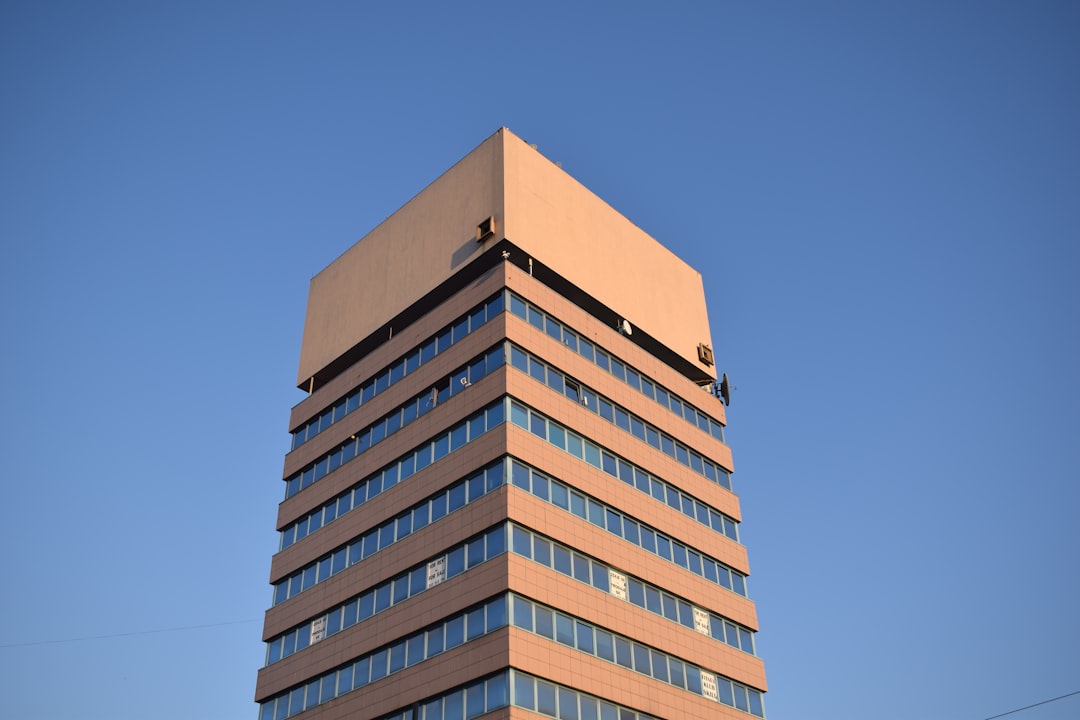
How do you assemble and manage a high-performing 50-worker team for a modern office tower? Furthermore, the GCC’s iconic skylines demand flawless facility operations. Consequently, strategic staffing for commercial property maintenance is a critical business function. This comprehensive guide explores office tower FM building management for large-scale teams. Moreover, it provides actionable insights for employers across the Gulf region.
Facilities management for skyscrapers involves complex, multi-disciplinary coordination. Additionally, GCC markets enforce strict labor and safety regulations. Therefore, understanding regional nuances is essential for operational success. Proper workforce planning directly impacts tenant satisfaction, asset value, and compliance. Ultimately, a well-structured team ensures the seamless operation of these vertical cities.
At Allianze HR Consultancy, we’ve successfully placed 10,000+ professionals across UAE, Saudi Arabia, Qatar, and Kuwait. Furthermore, our 5+ years of GCC expertise supports clients from 50+ countries. Moreover, our Ministry of External Affairs (India) RA license ensures compliance. Therefore, contact our recruitment specialists for expert guidance on building your FM team.
Understanding GCC Skyscraper Facility Operations
Managing a modern office tower in the Gulf is uniquely challenging. First, extreme climate conditions demand robust MEP (Mechanical, Electrical, Plumbing) systems. Second, high tenant expectations require 24/7 responsiveness. Third, regional sustainability initiatives, like the UAE’s Green Building Regulations, add compliance layers. Consequently, facility management staffing must be both technically proficient and adaptable.
Furthermore, a typical 50-worker team requires careful role segmentation. Key positions often include chief engineers, HVAC technicians, electrical specialists, and plumbing experts. Additionally, teams need cleaning supervisors, security coordinators, and help desk operators. Moreover, specialized roles for building management systems (BMS) and fire life safety are mandatory. This diversity ensures comprehensive coverage of all building systems.
GCC labor laws also influence team structure and deployment. For example, regulations govern working hours, accommodation standards, and safety training. Therefore, employers must integrate legal compliance into their staffing model. Partnering with a knowledgeable recruiter simplifies this complex process. Ultimately, it mitigates risk and ensures a sustainable operation.
- MEP system specialists for climate control challenges.
- 24/7 operational teams for tenant service excellence.
- BMS and automation technicians for smart building management.
- Compliance officers for adherence to local green building codes.
- Soft services supervisors for cleaning and security coordination.
Office Tower FM Building Management Strategic Overview
Effective office tower FM building management begins with a strategic workforce plan. This plan aligns staffing levels with the building’s size, complexity, and tenant profile. First, conduct a detailed audit of all maintainable assets. Second, forecast preventive and corrective maintenance workloads. Third, define clear reporting lines and communication protocols. Consequently, this creates a blueprint for your 50-person team.
Moreover, strategic sourcing identifies the right talent mix. Technical skills are paramount, but soft skills like communication are equally vital. Additionally, cultural fit within the diverse GCC environment is crucial for team cohesion. Furthermore, succession planning ensures knowledge retention and career progression. Therefore, a holistic view of talent acquisition and development is necessary.
Technology integration is another strategic pillar. Modern FM uses computerized maintenance management systems (CMMS) and IoT sensors. Subsequently, technicians need training on these digital tools. This shift requires recruiting staff who are both mechanically skilled and digitally literate. Ultimately, a forward-looking strategy future-proofs your operations against technological change.
- Develop a detailed asset register and maintenance schedule.
- Balance technical hard skills with tenant-facing soft skills.
- Implement digital tools and provide necessary staff training.
- Establish clear key performance indicators (KPIs) for the team.
- Create career pathways to reduce turnover and build expertise.
Legal Framework and Compliance Standards
Navigating the GCC’s legal landscape is fundamental for FM employers. Each country has distinct labor laws, visa sponsorship rules, and safety mandates. For instance, the UAE’s visa and immigration services portal outlines entry permits. Similarly, Saudi Arabia’s Ministry of Labor regulations govern employment contracts. Compliance starts with understanding these foundational requirements.
Furthermore, occupational health and safety standards are exceptionally strict. Guidelines from the International Labour Organization provide a global benchmark. Additionally, local civil defense authorities mandate regular fire and life safety drills. Moreover, adherence to UAE green building regulations may be required. Non-compliance can result in heavy fines, operational shutdowns, or reputational damage.
Documentation is a critical component of compliance. Properly attested educational certificates, experience letters, and training certifications are mandatory. Additionally, employment contracts must clearly state terms, benefits, and working conditions. Therefore, meticulous record-keeping is non-negotiable. Partnering with a licensed consultancy like Allianze ensures every document meets legal standards. This proactive approach prevents costly delays and legal issues.
Office Tower FM Building Management Best Practices
Implementing industry best practices transforms a standard team into an elite one. For office tower FM building management, this starts with standardized operating procedures (SOPs). First, develop SOPs for every critical task, from HVAC filter changes to emergency response. Second, ensure all 50 team members are trained and assessed on these procedures. Consequently, this drives consistency, quality, and safety across all operations.
Moreover, a data-driven approach to maintenance is now essential. Transition from reactive fixes to predictive and preventive strategies. Utilize CMMS data to identify equipment failure patterns. Additionally, monitor indoor air quality and other environmental metrics. This focus on data improves asset lifespan and tenant wellbeing. Therefore, recruit staff capable of working within this analytical framework.
Another best practice is fostering a culture of continuous improvement. Encourage technicians to suggest process enhancements. Furthermore, invest in regular upskilling through partnerships with bodies like the International Facility Management Association. Also, implement a robust communication system for seamless shift handovers. Ultimately, these practices build a resilient, knowledgeable, and proactive facilities team.
- Create and enforce detailed Standard Operating Procedures (SOPs).
- Adopt a predictive maintenance model using CMMS data analytics.
- Prioritize tenant communication and service request transparency.
- Invest in continuous professional development and certification programs.
- Conduct regular performance reviews and safety audits.
Documentation and Processing Steps
The recruitment and deployment of a 50-worker FM team require meticulous documentation. First, the employer must secure quota approval or work permits from the relevant ministry. This step varies between the UAE’s MOHRE, Saudi’s Qiwa, and Qatar’s MME. Second, prepare and attest all candidate documents, including passports, photos, and certificates. Subsequently, this paperwork forms the basis for visa applications and labor contracts.
Additionally, the medical screening and insurance enrollment process is critical. All workers must undergo fitness-for-work tests at government-approved centers. Furthermore, securing compliant health insurance policies is a legal requirement in most GCC states. Moreover, arranging accommodation that meets local standards requires proper documentation and contracts. Therefore, each step involves specific forms and verifications.
Finally, the onboarding and mobilization phase demands careful coordination. This includes flight bookings, airport pickup, and initial orientation. Also, mandatory safety inductions and site-specific training must be documented. Using a structured checklist prevents oversights. Access our professional recruitment resources for templates. A systematic approach ensures your entire team arrives, complies, and becomes productive efficiently.

Office Tower FM Building Management Implementation Timeline
A realistic timeline is crucial for project planning and tenant communication. The process for full office tower FM building management team deployment typically spans 8-12 weeks. First, the initial planning and role definition phase takes 1-2 weeks. Second, the candidate sourcing, screening, and selection process requires 3-4 weeks. Consequently, rushing these stages often leads to poor hiring decisions.
Next, the documentation and visa processing stage consumes 3-5 weeks. This period includes attestation, medical tests, and permit issuance. Furthermore, mobilization and travel arrangements add another 1-2 weeks. Moreover, the initial on-site orientation and system-specific training take a minimum of 1 week. Therefore, employers should plan for a three-month lead time for a team of this size.
Several factors can influence this timeline. These include the time of year, specific GCC country processes, and candidate availability. Partnering with an experienced recruiter like Allianze HR can streamline parallel processes. To begin, schedule a consultation appointment for a customized project plan. Proactive timeline management ensures a smooth transition to full operational capacity.
- Weeks 1-2: Workforce planning and job description finalization.
- Weeks 3-6: Active recruitment, interviewing, and candidate selection.
- Weeks 7-11: Document processing, attestation, and visa issuance.
- Week 12: Mobilization, arrival, and mandatory site induction.
- Ongoing: Continuous training and performance optimization.
Common Challenges and Solutions
Employers face several predictable challenges when staffing skyscraper FM teams. First, finding technicians with experience in advanced, high-rise building systems is difficult. The solution involves tapping into specialized talent pools in South Asia and the Philippines. Additionally, offering competitive packages and clear career progression attracts top talent.
Second, high turnover can disrupt building operations and increase costs. This often stems from poor accommodation, unclear contracts, or lack of engagement. The solution requires ensuring contract transparency and providing quality living conditions. Moreover, implementing recognition programs and skill development paths boosts retention. Therefore, focusing on worker welfare is a strategic imperative.
Third, navigating the evolving regulatory landscape is a constant challenge. New sustainability and safety codes are regularly introduced. The solution is to partner with a recruitment firm that monitors legal changes proactively. Furthermore, integrating compliance training into the onboarding process is essential. Utilizing resources from the World Bank urban development reports can provide context. Ultimately, viewing these challenges as manageable processes is key to success.
Expert Recommendations for Success
To ensure long-term success, adopt a partnership mindset with your recruitment provider. View them as an extension of your HR department rather than a transactional vendor. Furthermore, invest in a comprehensive onboarding program that goes beyond basic orientation. Cover building-specific systems, tenant etiquette, and emergency protocols in detail. Consequently, this reduces the operational risk period for new hires.
Moreover, leverage technology to enhance team management and communication. Implement mobile-enabled work order systems for real-time task tracking. Additionally, use digital platforms for training and knowledge sharing. This approach increases efficiency and provides valuable performance data. Therefore, prioritize digital fluency when recruiting future team leaders.
Finally, commit to benchmarking and continuous improvement. Compare your team’s performance and structure against industry standards. Participate in forums and networks offered by global FM associations. Additionally, regularly review compensation and benefits to remain competitive in the GCC market. A proactive, strategic approach to workforce management protects your asset’s value and reputation.
Frequently Asked Questions About Office Tower FM Building Management
What is the timeline for office tower FM building management team deployment?
Timeline typically ranges 8-12 weeks for a full 50-worker team. Furthermore, documentation preparation and visa processing affect speed. Therefore, consult our specialists for a customized project plan.
What are the key roles in a skyscraper facilities management team?
Essential roles include MEP engineers, HVAC technicians, BMS operators, electrical and plumbing specialists, cleaning supervisors, and security coordinators. Additionally, a soft services manager and help desk staff are crucial.
How do GCC green building regulations impact FM staffing?
Regulations require knowledge of energy-efficient systems, water conservation, and waste management. Consequently, staff may need specific training in sustainability practices and relevant reporting procedures.
How does Allianze HR ensure legal compliance for FM teams?
We maintain a Ministry-approved RA license under The Emigration Act, 1983. Additionally, our team monitors GCC labor law changes continuously. Moreover, we conduct thorough documentation verification at every recruitment stage.
What are common challenges in managing large FM teams?
Key challenges include high turnover, skills shortages for advanced systems, and regulatory compliance. Solutions involve competitive packages, continuous training, and partnership with an expert recruiter.
Why is cultural fit important for FM teams in the GCC?
FM teams interact with a diverse tenant base. Therefore, cultural sensitivity and professional communication are vital for tenant satisfaction and smooth operations in the multicultural Gulf environment.
Partner with Allianze HR for FM Staffing Success
Building and managing a 50-worker team for an office tower is a complex undertaking. This guide has outlined the strategic, compliance, and operational pillars of effective office tower FM building management. From understanding GCC-specific regulations to implementing best practices, each step requires expertise. Moreover, the success of your commercial property hinges on the quality and reliability of your maintenance staff.
Allianze HR Consultancy specializes in the end-to-end recruitment of facility management teams for the GCC’s most prestigious addresses. Our process ensures you get technically skilled, compliant, and culturally fit professionals. Furthermore, we manage the entire timeline, from sourcing to mobilization, with precision. Therefore, you can focus on your core business while we build your operational backbone.
Ready to assemble a world-class facilities management team? Contact our experts today for a confidential consultation. Let us help you transform your skyscraper’s operations into a model of efficiency and reliability. Partner with Allianze HR and ensure your asset is maintained to the highest global standards.