


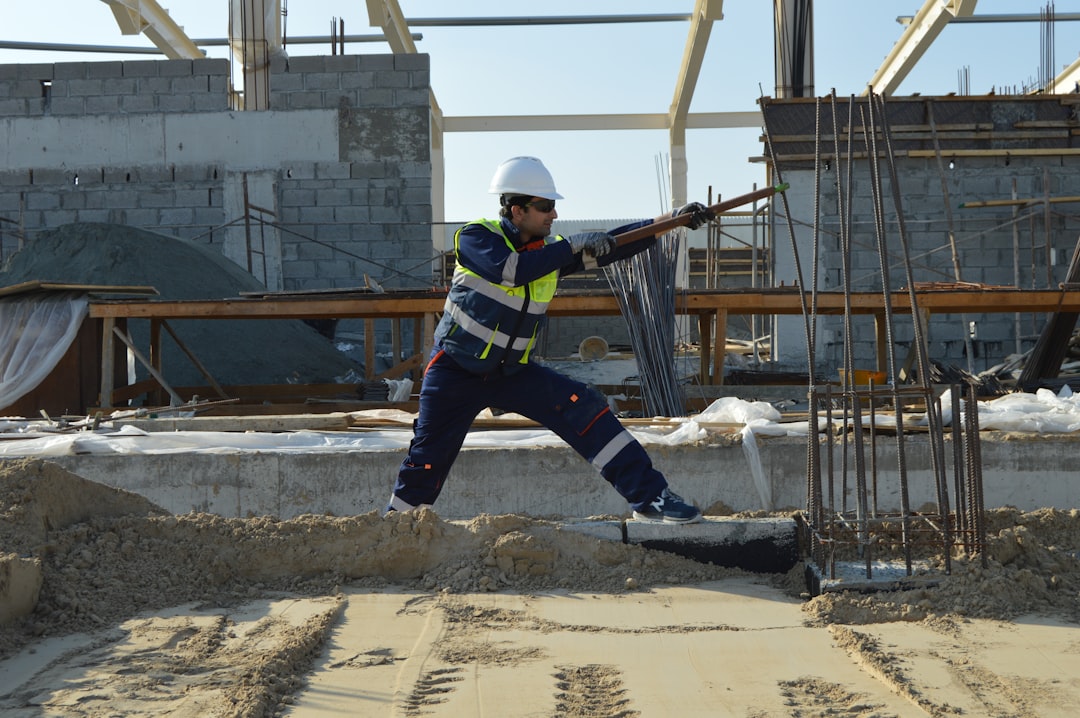
Are you managing a construction project in Oman and navigating the complex landscape of worker safety compliance? Furthermore, understanding the Sultanate’s mandatory training requirements is not just a legal obligation but a critical investment in project success and workforce protection. Consequently, this comprehensive guide provides GCC employers with essential insights into Oman construction safety mandatory training. Moreover, we detail the required hours, certification processes, and approved providers to ensure full regulatory adherence.
The construction sector in Oman, like across the GCC, operates under stringent safety protocols. These regulations aim to protect the significant workforce powering the nation’s infrastructure development. Additionally, compliance demonstrates corporate responsibility and directly impacts project timelines and insurance liabilities. Therefore, a proactive approach to safety training is indispensable for any employer operating within the Sultanate.
At Allianze HR Consultancy, we’ve successfully placed 10,000+ professionals across UAE, Saudi Arabia, Qatar, and Kuwait. Furthermore, our 5+ years of GCC expertise supports clients from 50+ countries. Moreover, our Ministry of External Affairs (India) RA license ensures compliance. Therefore, contact our recruitment specialists for expert guidance on deploying a certified, safety-compliant workforce to your Omani projects.
Understanding GCC Construction Safety Regulations
Gulf Cooperation Council nations prioritize worker welfare through evolving legal frameworks. Oman’s regulations align with this regional commitment to occupational health. Additionally, the Ministry of Labour and the Public Authority for Social Insurance (PASI) are key regulatory bodies. Furthermore, these standards often reference international best practices from organizations like the International Labour Organization. Consequently, employers must view compliance as an integrated system, not a standalone checklist.
Specifically, Omani law mandates that all construction workers receive formal safety induction and role-specific training. This requirement applies to both new hires and existing employees. Moreover, training must be documented and verifiable by inspectors. Failure to comply can result in severe penalties, including work stoppages and substantial fines. Therefore, a systematic approach to safety education is non-negotiable.
Key regulatory pillars include the Omani Labour Law (Royal Decree 35/2003) and subsequent ministerial decisions. These laws emphasize the employer’s duty of care. Additionally, they require the provision of a safe work environment and adequate instruction. Furthermore, project-specific risk assessments often dictate additional, tailored training modules. Consequently, understanding the foundational legal requirements is the first step toward robust compliance.
- Mandatory safety induction for all site personnel.
- Role-specific hazard awareness and control training.
- Documented certification for high-risk activities.
- Regular refresher courses as stipulated by law.
- First-aid and emergency response preparedness drills.
Oman Construction Safety Training Strategic Overview
Implementing an effective Oman construction safety training program requires strategic planning. This process begins with a thorough training needs analysis (TNA). Furthermore, the TNA must consider project scope, identified hazards, and worker roles. Subsequently, employers can map these needs against the mandatory hours stipulated by Omani authorities. Moreover, a strategic overview ensures training is relevant, timely, and legally sufficient.
The core objective is to build a culture of safety that prevents accidents. Therefore, training should be engaging and practical, not merely theoretical. Additionally, programs must be delivered in languages understood by the workforce, often requiring multilingual instructors or materials. Consequently, selecting the right training partner becomes a critical strategic decision. This choice impacts both compliance outcomes and on-the-ground safety performance.
Integration with existing HR processes is also vital. For instance, safety certification should be a prerequisite for site access and payroll processing. Furthermore, training records must be seamlessly maintained within employee files for audit readiness. Moreover, linking training to performance metrics can incentivize participation and retention of knowledge. Hence, a strategic approach views safety training as integral to operational excellence, not an administrative burden.
- Conduct a project-specific Training Needs Analysis (TNA).
- Align training content with identified site hazards and risks.
- Ensure training delivery matches workforce language capabilities.
- Integrate certification verification into HR and site access systems.
- Establish clear metrics to evaluate training effectiveness and impact.
Legal Framework and Compliance Standards
Oman’s legal framework for construction safety is robust and continuously updated. The Ministry of Labour (MOL) issues the primary regulations through ministerial decisions. Additionally, other entities like the Civil Defence and Public Authority for Consumer Protection may set supplementary standards. Furthermore, compliance is not optional; it is a strict legal requirement with enforceable consequences. Therefore, employers must stay informed about the latest regulatory developments.
A cornerstone of this framework is the mandatory nature of specific training courses. For example, workers involved in scaffolding, excavation, or crane operation must hold specialized certificates. Moreover, these certifications are only valid if issued by MOL-approved training centers. Consequently, using unapproved providers renders training invalid and exposes the company to liability. Hence, verifying provider accreditation is a fundamental compliance step.
The legal standards also dictate minimum training durations for different competency levels. These mandated hours ensure adequate knowledge transfer. Additionally, the law requires employers to bear all costs associated with this mandatory training. Furthermore, records must be kept for inspection and produced upon request by MOL officials. Therefore, meticulous documentation is as important as the training delivery itself. For broader context, standards often align with principles from OSHA construction industry standards.
- Adherence to Ministry of Labour Ministerial Decisions.
- Use of exclusively MOL-approved training providers and curricula.
- Employer responsibility for all training-related costs.
- Mandatory record-keeping for a minimum stipulated period.
- Regular audits and inspections by government authorities.
Oman Construction Safety Training Best Practices
Adopting best practices transforms mandatory Oman construction safety training from a compliance task into a value driver. First, engage workers during the training design phase to identify real-world concerns. Furthermore, this participatory approach increases buy-in and relevance. Moreover, blend theoretical learning with hands-on, practical demonstrations on-site or in controlled environments. Consequently, knowledge retention and application improve significantly.
Secondly, implement a continuous learning model rather than a one-time event. Schedule regular toolbox talks and refresher sessions to reinforce key concepts. Additionally, use incident reports and near-miss data to tailor these follow-up sessions. Therefore, training remains dynamic and directly linked to actual site conditions. This practice aligns with global standards for occupational health, as highlighted by the World Health Organization workplace standards.
Another critical best practice is leveraging technology. Use digital platforms for record-keeping, scheduling, and even delivering some theoretical modules. Furthermore, mobile apps can provide quick access to safety manuals and reporting tools. Moreover, digital records are easier to maintain and audit. Hence, technology enhances efficiency and ensures accuracy in your compliance management system. Always complement this with practical, in-person assessments for high-risk skills.
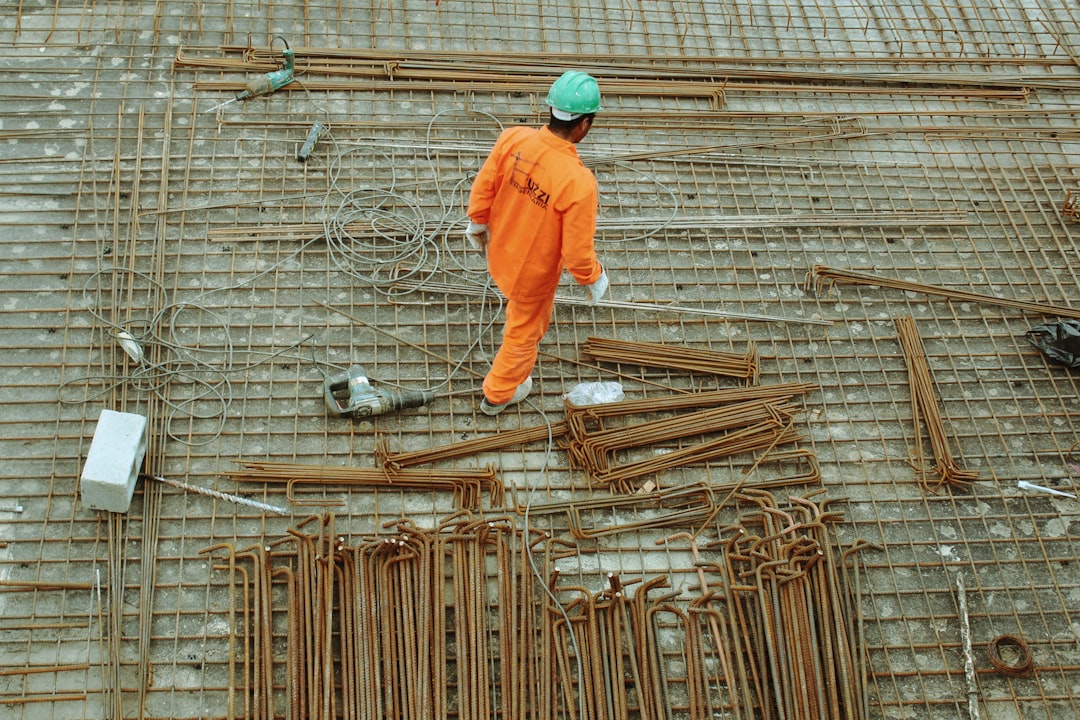
- Incorporate worker feedback into training program design.
- Utilize a blended learning approach (theory + practical application).
- Establish a schedule for continuous refresher training and toolbox talks.
- Integrate digital management systems for records and scheduling.
- Link training content directly to site-specific risk assessments and incident data.
Documentation and Processing Steps
Proper documentation is the tangible proof of your compliance with Oman construction safety training mandates. The process begins during worker mobilization. First, collect existing valid safety certificates from new hires during onboarding. Furthermore, verify their authenticity with the issuing approved center. Moreover, for workers requiring new training, register them with an approved provider and maintain all registration paperwork.
During and after training, secure several key documents. These include attendance sheets signed by the trainer and trainee, course completion certificates, and results of any competency assessments. Additionally, keep copies of the trainer’s credentials and the training center’s MOL approval. Consequently, you build a defensible audit trail. Therefore, organize these documents systematically, preferably with both physical and digital backups.
The final step involves integrating this documentation into your overall HR and project management systems. Update each worker’s file with their certification status and expiry date. Furthermore, implement a tracking system to alert you when refresher training is due. Moreover, ensure site managers have easy access to verify worker certifications before granting site access. This closed-loop process, supported by robust professional recruitment resources, minimizes risk and ensures uninterrupted operations.
- Collect and pre-verify existing worker certificates during onboarding.
- Maintain training registration forms, attendance sheets, and completion certificates.
- File trainer credentials and provider accreditation documents.
- Integrate certification data and expiry dates into HR management systems.
- Establish an alert system for upcoming refresher training deadlines.
Oman Construction Safety Training Implementation Timeline
Developing a realistic timeline for Oman construction safety training implementation is crucial for project planning. For new projects, safety training planning must begin during the pre-mobilization phase. Furthermore, account for the time needed to identify approved providers, schedule sessions, and process entire workforces. Moreover, delays in certification can delay project start dates. Therefore, integrate training timelines into your overall project critical path.
A typical implementation timeline spans several weeks. Week one involves training needs analysis and provider selection. Subsequently, weeks two and three focus on scheduling and delivering initial induction and general safety training. Furthermore, specialized equipment or high-risk task training may occur in weeks four and five. Consequently, a lead time of 5-8 weeks for full workforce certification is prudent. This aligns with the logistical realities of large-scale workforce deployment in the region, a process supported by insights from the World Bank infrastructure development sector.
Remember to factor in contingencies. Training center availability, worker turnover, and language barriers can extend timelines. Additionally, plan for annual or biennial refresher courses well before current certificates expire. Moreover, use this cyclical planning to continuously improve your program based on past lessons. Hence, a proactive, well-scheduled timeline prevents last-minute rushes and ensures consistent compliance.
- Pre-mobilization: Conduct TNA and select approved providers (Week 1-2).
- Mobilization Phase: Deliver mandatory general safety induction (Week 3-4).
- Specialization Phase: Conduct role-specific and high-risk task training (Week 5-6).
- Integration: Update records and verify site access permissions (Week 7).
- Ongoing: Schedule and execute refresher training before certificate expiry.
Common Challenges and Solutions
Employers frequently encounter specific challenges when managing Oman construction safety training. A primary issue is high workforce turnover, which creates a constant need for new worker induction. Furthermore, this strains resources and risks having uncertified personnel on site. Moreover, the solution involves streamlining the onboarding process. Therefore, establish standing agreements with approved training centers for regular, scheduled induction batches.
Language and literacy barriers present another significant hurdle. Training materials and instruction may not be effective if workers do not fully comprehend them. Additionally, the solution is to seek out providers who offer instruction in relevant languages or use competent interpreters. Furthermore, prioritize visual and practical demonstration methods over text-heavy manuals. Consequently, comprehension and engagement increase across diverse workforces.
Finally, managing the validity periods and renewal schedules for hundreds of certificates is administratively heavy. Manual tracking systems are prone to error. However, the solution is to adopt a digital database or dedicated compliance software. This system should automatically track expiry dates and generate renewal alerts. Moreover, such tools often integrate with broader HR platforms, simplifying overall workforce management. For expert support in navigating these challenges, consider to schedule consultation appointment with our team.
- Challenge: High workforce turnover. Solution: Establish standing induction schedules with providers.
- Challenge: Language barriers. Solution: Use multilingual trainers and visual/practical training methods.
- Challenge: Tracking certificate expiry. Solution: Implement digital compliance management software.
- Challenge: Cost management. Solution: Bundle training and negotiate corporate rates with providers.
- Challenge: Remote site logistics. Solution: Utilize mobile training units or approved digital modules where permitted.
Expert Recommendations for Success
To ensure long-term success with your safety training program, adopt a leadership-driven approach. Safety culture must be championed from the project manager and company director level. Furthermore, visibly invest time and resources into training, signaling its importance to the entire team. Moreover, recognize and reward safe behaviors and training completion. Consequently, you foster an environment where safety is a shared value, not just a rule.
Secondly, build strong relationships with a select few MOL-approved training providers. Develop a deep understanding of their curricula, trainer capabilities, and scheduling flexibility. Additionally, work with them to customize modules for your specific project hazards. Therefore, the training becomes more relevant and effective. This partnership approach yields better results than treating providers as transactional vendors.
Finally, continuously measure and improve. Do not assume that completing mandatory hours equates to a safer worksite. Instead, track leading indicators like near-miss reports and safety audit scores alongside training completion rates. Furthermore, analyze incident data to identify gaps in your training content. Moreover, use this feedback loop to refine your program annually. Hence, your commitment to Oman construction safety training evolves into a core competitive advantage and a hallmark of responsible operations, much like standards seen in the broader UAE construction sector.
- Secure visible commitment and participation from senior project leadership.
- Develop strategic partnerships with 2-3 key approved training providers.
- Measure training effectiveness using safety performance data, not just completion certificates.
- Allocate a dedicated budget for training, refreshers, and program improvement.
- Integrate safety competency into worker performance reviews and promotion criteria.
Frequently Asked Questions About Oman Construction Safety Training
What are the mandatory hours for Oman construction safety training?
Mandatory hours vary by worker role and risk exposure. Generally, a basic safety induction requires 4-8 hours. Furthermore, specialized training for high-risk work (e.g., scaffolding, confined space) can require 16-40 hours. Moreover, employers must consult the latest Ministry of Labour guidelines for exact specifications. Therefore, consult our specialists for precise, project-specific requirements.
How do I verify if a training provider is approved by the Omani Ministry of Labour?
Request the provider’s official MOL accreditation certificate and cross-check its validity. Additionally, you can verify their status through the Ministry of Labour’s official channels or portals. Moreover, reputable providers will transparently share this information. Consequently, due diligence at this stage prevents invalid certifications and compliance failures.
What is the validity period of a safety training certificate in Oman?
Validity periods depend on the certificate type. Basic induction certificates often require annual renewal. Furthermore, specialized competency certificates may be valid for two years. Moreover, employers must track these expiry dates meticulously. Therefore, implementing a digital tracking system is highly recommended to manage renewals proactively.
Can training be delivered on-site, or must workers go to a center?
Some approved providers offer mobile training units for on-site delivery of theoretical and certain