


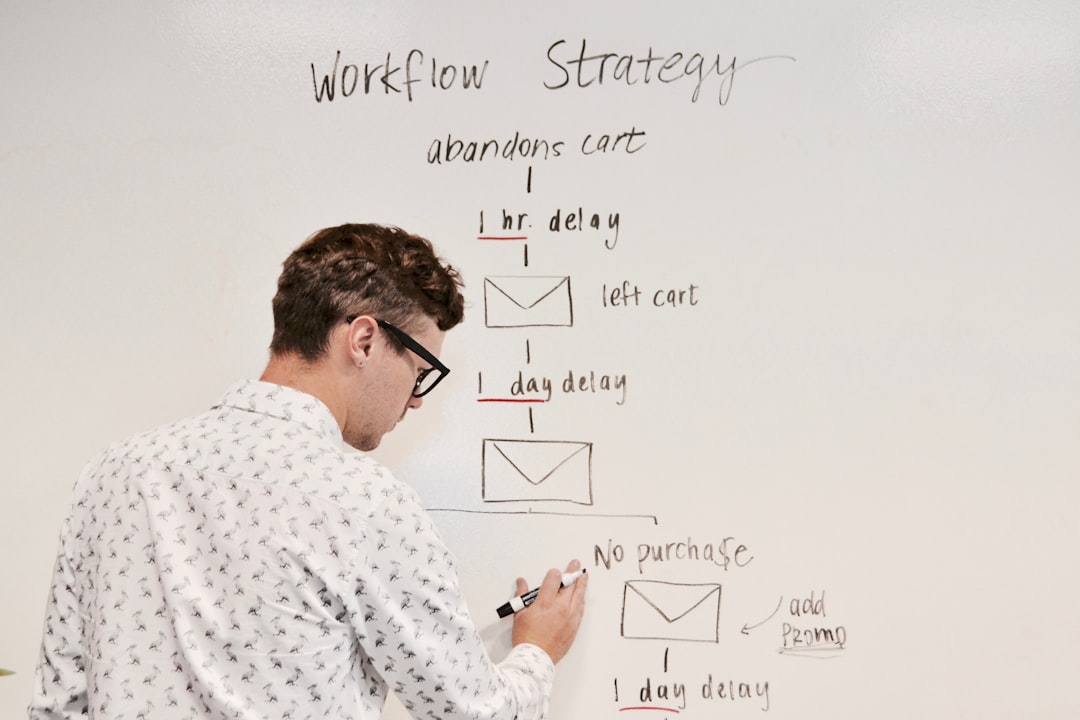
Is your company’s framework supporting or stifling growth? Choosing the right organizational structure options is a pivotal decision for any GCC business. Furthermore, this choice impacts agility, compliance, and talent management. Therefore, selecting the optimal model requires careful analysis. This guide explores hierarchical, matrix, flat, and hybrid frameworks.
The dynamic GCC market demands adaptable organizational designs. Moreover, regional factors like localization policies and expatriate workforce dynamics add complexity. Additionally, sector-specific growth in construction, hospitality, and tech influences structural needs. Consequently, a one-size-fits-all approach rarely succeeds here.
At Allianze HR Consultancy, we’ve successfully placed 10,000+ professionals across UAE, Saudi Arabia, Qatar, and Kuwait. Furthermore, our 5+ years of GCC expertise supports clients from 50+ countries. Moreover, our Ministry of External Affairs (India) RA license ensures compliance. Therefore, contact our recruitment specialists for expert guidance on structuring your workforce.
Understanding GCC Organizational Design Requirements
GCC businesses face unique structural challenges. First, rapid economic diversification requires flexible frameworks. Second, cultural nuances influence reporting relationships and authority. Third, varying labor laws across Emirates and Kingdoms affect design. Consequently, employers must consider these regional specifics.
Common regional needs include clear chains of command. Additionally, efficient communication across diverse teams is vital. Moreover, structures must accommodate both local and international talent. Furthermore, compliance with nationalization programs adds another layer. Therefore, design choices directly impact operational success.
- Localization Compliance: Structures must integrate Nitaqat (Saudi) or Emiratization (UAE) quotas effectively.
- Expatriate Management: Frameworks should support diverse cultural and professional backgrounds.
- Project-Based Work: Many GCC industries like construction and events require project-ready designs.
- Scalability: Designs must allow for rapid scaling during economic booms.
- Decision-Making Speed: Fast-paced markets need structures that enable quick, informed decisions.
- Cost Control: Efficient designs optimize labor costs, a major expenditure in the region.
Aligning your company framework with these requirements is crucial. For deeper insights, explore our professional recruitment resources.
Organizational Structure Options Strategic Overview
Evaluating organizational structure options requires a strategic lens. First, define your business goals and operational scale. Second, assess your industry’s typical reporting models. Third, consider your company’s growth stage and culture. This analysis forms the foundation for your choice.
Four primary models dominate modern business. The traditional hierarchical model uses clear top-down authority. Conversely, the matrix structure creates dual reporting relationships. Meanwhile, flat organizations minimize management layers for agility. Finally, hybrid models blend elements for customized solutions. Each offers distinct strategic advantages.
Your chosen framework influences talent acquisition. Specifically, it determines required leadership styles and role definitions. Moreover, it affects how teams collaborate and share information. Consequently, your structure either enables or hinders strategy execution. Therefore, treat this as a core strategic decision, not just an HR matter.
- Strategic Alignment: Ensure the design directly supports business objectives and market positioning.
- Talent Strategy Fit: The structure must attract and retain the skills you need.
- Technology Integration: Modern digital tools can enable or disrupt traditional designs.
- Risk Management: A good design clarifies accountability for compliance and safety.
- Innovation Capacity: Some structures foster creativity better than others.
- Customer Focus: The design should enhance, not obstruct, customer responsiveness.
Aligning your company design with strategy prevents misalignment. The World Bank labor market reports provide useful macro insights.
Legal Framework and Compliance Standards
GCC labor laws significantly influence organizational design. First, ministerial decrees define employer-employee relationships. Second, regulations mandate specific departmental functions like HSE. Third, corporate governance codes apply to publicly listed companies. Therefore, legal compliance is a non-negotiable design parameter.
For instance, UAE Labor Law requires clear designation of employer representatives. Similarly, Saudi labor regulations specify documentation and reporting lines. Additionally, Qatar’s laws emphasize worker welfare committees within structures. Moreover, Kuwait mandates certain administrative hierarchies for company registration. Consequently, legal advice is essential during design.
Compliance extends beyond basic labor law. Specifically, industry regulators impose additional structural requirements. Furthermore, free zone authorities have their own corporate governance rules. Also, international partners may require specific internal control frameworks. Hence, a multi-layered compliance approach is necessary.
- Ministry of Human Resources Requirements: Mandated HR departments and PRO roles vary by country.
- Health and Safety Mandates: Structures must include designated HSE officers and committees.
- Financial Reporting Lines: Corporate governance requires clear audit and finance reporting.
- Data Protection Roles: New privacy laws require designated data officers in certain structures.
- Emiratization/Nitaqat Officers: Dedicated roles for localization compliance are often needed.
- Legal Entity Requirements: Company licensing dictates minimum managerial positions.
Always consult official sources like the UAE government employment regulations.
Organizational Structure Options Best Practices
Implementing organizational structure options successfully demands best practices. First, involve key stakeholders from all levels in the design process. Second, communicate changes transparently to minimize disruption. Third, phase implementation where possible to allow for adjustment. These steps smooth the transition to a new framework.
Start with a thorough current-state analysis. Specifically, map existing workflows and communication patterns. Next, identify pain points and bottlenecks in the current design. Then, design the new structure to address these specific issues. Finally, create a detailed transition plan with clear milestones.
Change management is critical during structural shifts. Employees often resist changes to reporting lines and authority. Therefore, provide ample training on new processes and relationships. Moreover, offer support for managers adapting to new spans of control. Consequently, people-focused implementation yields better results.
- Stakeholder Engagement: Involve department heads, HR, and employee representatives in design discussions.
- Pilot Testing: Test new structures in one department before company-wide rollout.
- Clear Documentation: Create updated organizational charts, job descriptions, and process manuals.
- Performance Metrics: Establish KPIs to measure the new structure’s effectiveness post-implementation.
- Feedback Mechanisms: Implement channels for employees to report issues during transition.
- Leadership Alignment: Ensure all executives consistently support and model the new structure.
Adhering to these best practices maximizes success. The International Labour Organization guidelines offer valuable principles.
Documentation and Processing Steps
Transitioning to a new structure requires meticulous documentation. First, draft revised organizational charts showing all reporting lines. Second, update every job description to reflect new accountabilities. Third, modify internal policies and procedures manuals. This documentation forms the legal and operational backbone.
Processing steps begin with regulatory approvals. Specifically, some structural changes require ministry notification. Next, update your commercial license with relevant authorities. Then, revise labor contract templates for new hires. Additionally, inform your bank and insurance providers about managerial changes.
Internal communication documents are equally important. Create FAQs explaining changes to all staff. Develop training materials for new systems and processes. Update your intranet and internal directories. Finally, plan announcement timelines to coordinate all messaging. Proper documentation prevents confusion and non-compliance.
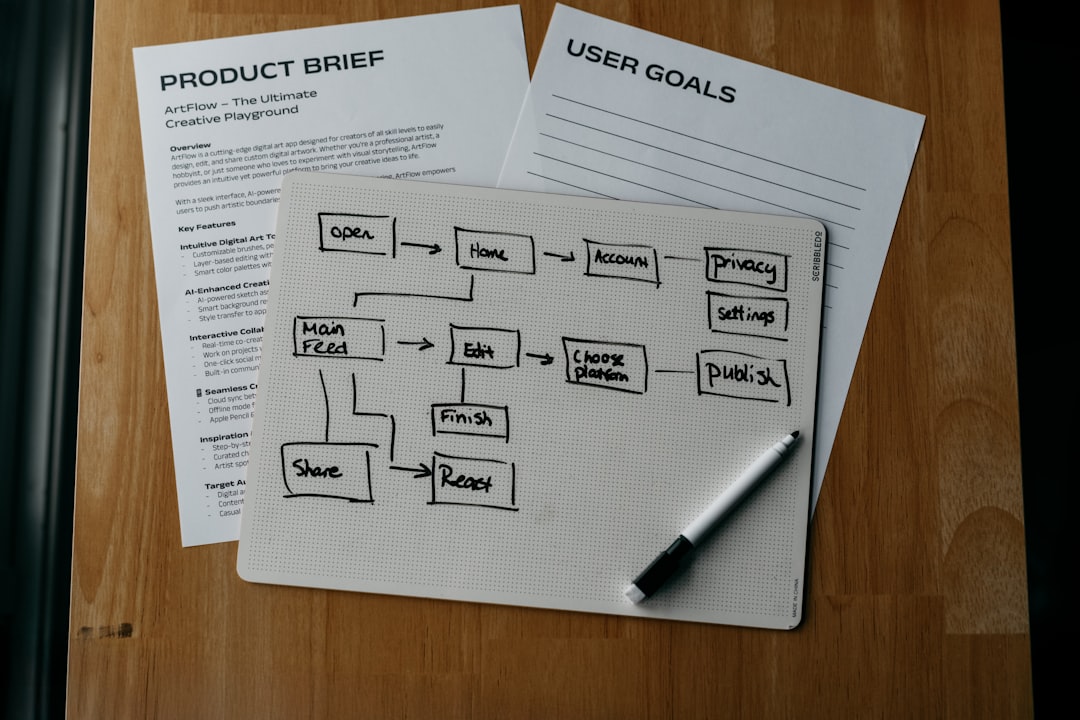
- Organizational Charts: Detailed visual maps of all departments, roles, and reporting relationships.
- Updated Contracts: Revised employment agreements for affected positions.
- Authority Matrices: Clear documents outlining decision-making powers and spending limits.
- Process Flowcharts: Visual guides for new workflows and approval chains.
- Communication Plan: Schedule and content for announcing changes to staff, clients, and partners.
- Compliance Checklist: Ensure all regulatory notifications and filings are completed.
Thorough documentation is non-negotiable. For support, schedule consultation appointment with our experts.
Organizational Structure Options Implementation Timeline
A realistic timeline is crucial for structural change. Typically, full implementation spans three to six months. First, the design and planning phase takes four to eight weeks. Second, stakeholder review and approval requires two to three weeks. Third, the rollout and transition phase lasts six to ten weeks. Finally, stabilization and adjustment continues for several months.
Month one focuses on analysis and design. Conduct internal assessments and benchmark against industry models. Month two involves detailed planning and documentation. Create all necessary charts, descriptions, and process maps. Month three begins phased communication and training. Start with leadership, then managers, then all employees.
Months four and five execute the operational transition. Implement new reporting lines and workflows gradually. Meanwhile, monitor for issues and make necessary adjustments. Month six begins the evaluation phase. Assess performance against KPIs and gather employee feedback. This phased approach manages risk effectively.
- Weeks 1-4: Current state analysis, stakeholder interviews, and preliminary design options.
- Weeks 5-8: Detailed design finalization, documentation creation, and leadership approval.
- Weeks 9-12: Communication rollout, manager training, and system updates.
- Weeks 13-18: Phased departmental implementation, support, and issue resolution.
- Weeks 19-24: Performance evaluation, adjustment, and full operational handover.
- Ongoing: Continuous review and minor refinements based on performance data.
Adhering to a structured timeline ensures controlled implementation. Resources from the U.S. Department of Commerce trade resources can aid planning.
Common Challenges and Solutions
Restructuring initiatives face predictable challenges. First, employee resistance to change is almost universal. Second, communication breakdowns create confusion and anxiety. Third, productivity often dips temporarily during transition. Fourth, some managers may struggle with new responsibilities. Fortunately, proactive strategies can mitigate these issues.
To address resistance, emphasize the benefits for employees. Furthermore, involve staff in the design process where possible. Additionally, provide clear rationales for all changes. To prevent communication gaps, use multiple channels repeatedly. Moreover, create safe spaces for questions and concerns.
Productivity dips can be minimized through phased implementation. Specifically, avoid changing all processes simultaneously. Instead, prioritize critical workflows first. For managerial challenges, invest in targeted training and coaching. Also, establish mentor support for leaders in new roles. Consequently, these solutions smooth the transition period.
- Challenge: Loss of institutional knowledge during role changes.
- Solution: Implement structured knowledge transfer sessions and documentation.
- Challenge: Role ambiguity and overlapping responsibilities.
- Solution: Create RACI matrices and clarify decision rights explicitly.
- Challenge: Increased conflict due to new reporting relationships.
- Solution: Provide conflict resolution training and establish mediation processes.
- Challenge: Technology systems incompatible with new workflows.
- Solution: Involve IT early in design and budget for necessary system updates.
- Challenge: Compliance gaps in new structure.
- Solution: Conduct legal review before implementation and audit afterwards.
Anticipating challenges enables proactive management. Consider World Health Organization workplace standards for health sector designs.
Expert Recommendations for Success
Based on our GCC experience, we offer key recommendations. First, align your structure with customer needs, not just internal convenience. Second, build in flexibility to adapt to market changes. Third, prioritize clarity over complexity in design. Fourth, ensure your structure supports talent development. These principles guide successful organizational design.
Start with customer journey mapping. Understand how your structure impacts service delivery. Then, design workflows that enhance customer experience. Next, create mechanisms for regular structural review. Market conditions evolve rapidly in the Gulf. Therefore, annual structure assessments are advisable.
Clarity is paramount in multicultural workforces. Avoid ambiguous matrix reporting where possible. Instead, define clear accountability for results. Furthermore, design career paths within your structure. Employees need visible progression opportunities. Consequently, retention improves with thoughtful structural design.
- Future-Proofing: Design structures that can scale up or down with market cycles.
- Technology Enablement: Leverage digital tools to support decentralized or remote teams.
- Culture Integration: Ensure the structure reinforces, rather than contradicts, desired company culture.
- Cost Efficiency: Optimize management layers to control overhead without sacrificing oversight.
- Innovation Channels: Create formal and informal networks that cross structural boundaries.
- Succession Planning: Build talent pipelines that align with future structural needs.
Following these expert recommendations increases success probability. For personalized advice, contact our HR specialists.
Frequently Asked Questions About Organizational Structure Options
What is the timeline for organizational structure options implementation?
Timeline typically ranges 3-6 months depending on company size. Furthermore, planning and design phases require 4-8 weeks. Therefore, consult our specialists for accurate project planning.
What documentation is required for company restructuring?
Required documents include new organizational charts, updated job descriptions, revised policies, and regulatory notifications. Additionally, communication plans and training materials are essential.
What are typical costs for organizational redesign?
Costs vary by company scale and complexity. Furthermore, consulting fees, system updates, and training programs affect investment. Additionally, temporary productivity loss represents an indirect cost.
How does Allianze HR ensure compliance during restructuring?
We maintain Ministry-approved RA license status. Additionally, our team monitors GCC labor law changes affecting structures. Moreover, we conduct thorough compliance checks at every design stage.
Which organizational structure is most common in GCC?
Hierarchical structures remain prevalent, especially in family businesses and government entities. However, matrix and hybrid models are growing in multinationals and tech sectors across the region.
What industries benefit most from flat structures?
Tech startups, creative agencies, and professional service firms often thrive with flat structures. Additionally, these designs suit innovation-driven companies with highly skilled, autonomous teams.
Partner with Allianze HR for Organizational Design Success
Choosing the right framework is a strategic imperative. This guide has explored key organizational structure options for GCC employers. From hierarchical clarity to matrix flexibility, each model offers distinct advantages. Moreover, regional compliance and cultural fit are critical considerations. Therefore, deliberate selection drives operational excellence.
Your company’s design should evolve with your business strategy. Regular assessment ensures continued alignment with market demands. Furthermore, employee feedback provides valuable insights for refinement. Additionally, technological advancements enable new structural possibilities. Consequently, view organizational design as an ongoing process, not a one-time event.
Allianze HR Consultancy provides expert guidance on workforce structuring. We analyze your business needs, culture, and goals. Then, we recommend optimal organizational structure options. Moreover, we support implementation with change management and compliance