



Are you scaling your manufacturing operations in the Gulf and facing a critical shortage of skilled finishing line personnel? The demand for proficient painters finishing line workers is surging across GCC industrial sectors. Consequently, mass hiring for these specialized roles presents unique challenges. This comprehensive guide addresses the strategic, compliance, and operational aspects of painters finishing line worker mass hiring. Moreover, it provides a proven framework for successful, large-scale recruitment of manufacturing paint booth operators.
The GCC’s booming automotive, aerospace, and industrial goods manufacturing sectors rely heavily on precise finishing work. Therefore, securing a qualified workforce is paramount for quality and productivity. Regional projects require rapid, compliant workforce deployment. Understanding the nuances of bulk recruitment for these technical roles ensures smooth production line operations. Additionally, it safeguards against costly compliance pitfalls common in cross-border hiring.
At Allianze HR Consultancy, we’ve successfully placed 10,000+ professionals across UAE, Saudi Arabia, Qatar, and Kuwait. Furthermore, our 5+ years of GCC expertise supports clients from 50+ countries. Moreover, our Ministry of External Affairs (India) RA license ensures compliance. Therefore, contact our recruitment specialists for expert guidance on your large-scale staffing needs. Our dedicated team streamlines the entire talent acquisition process for industrial clients.
Understanding GCC Finishing Line Workforce Requirements
GCC manufacturing sectors have specific technical standards for finishing personnel. Employers must recognize the skill sets required for paint booth operations. These roles demand precision, safety awareness, and technical knowledge. Furthermore, regional quality expectations are exceptionally high for export-oriented industries.
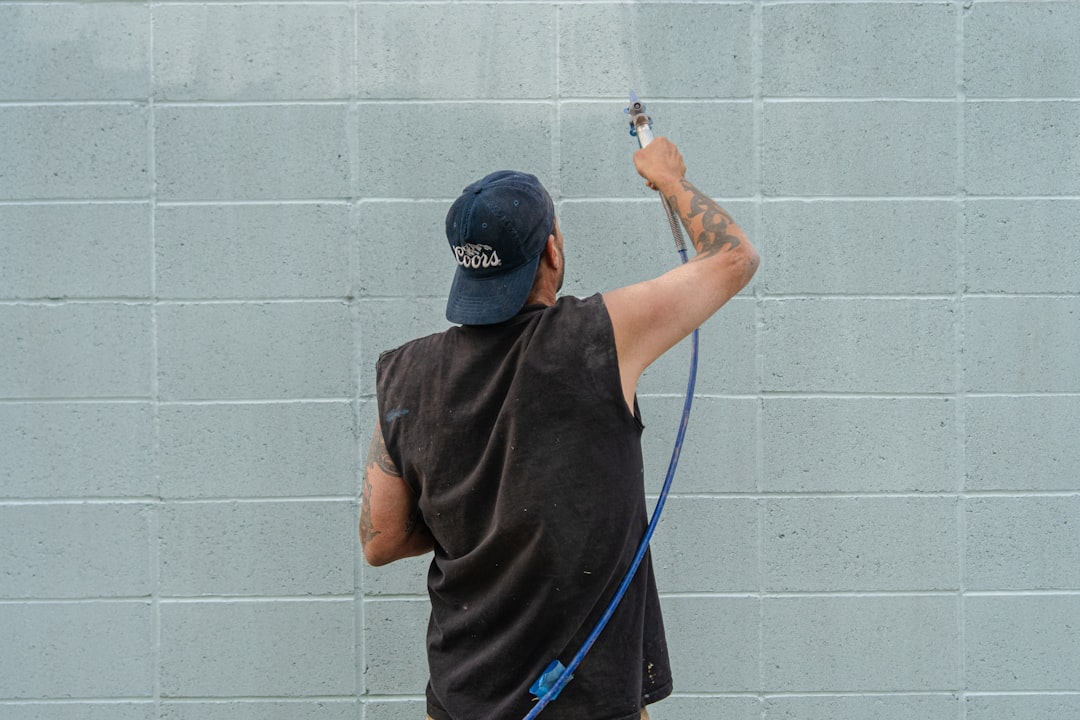
Industrial painting involves multiple specialized tasks. Operators handle surface preparation, paint mixing, spray gun operation, and quality inspection. Additionally, they must maintain equipment and adhere to strict environmental controls. Therefore, effective screening assesses both hard skills and safety consciousness.
The regional labor market sources talent primarily from South Asia and Southeast Asia. Consequently, understanding regional certifications and prior experience is crucial. Many candidates possess vocational training from recognized institutes. Verifying these credentials prevents future performance issues.
Key skill verification areas include:
- Experience with specific paint types (epoxy, polyurethane, electrostatic).
- Knowledge of spray booth maintenance and airflow systems.
- Understanding of surface preparation techniques (sanding, masking).
- Familiarity with personal protective equipment (PPE) protocols.
- Ability to interpret technical drawings and color codes.
- Basic troubleshooting skills for spray application equipment.
Partnering with a specialist recruiter ensures thorough vetting. This step guarantees that deployed workers meet your production line’s exact specifications. Moreover, it aligns with International Labour Organization occupational safety standards for industrial environments.
Painters Finishing Line Worker Mass Hiring Strategic Overview
A successful painters finishing line worker mass hiring initiative requires meticulous planning. First, define the project scope and workforce numbers clearly. Next, analyze the required skill mix for your specific manufacturing processes. This strategic overview prevents understaffing or skill mismatches on the production floor.
Volume hiring differs significantly from individual recruitment. It involves batch processing of candidates, standardized assessments, and group onboarding. Therefore, creating efficient, scalable processes is essential. Furthermore, coordination with visa processing centers and training facilities becomes critical.
Developing a detailed manpower plan is the first step. This plan should outline the number of lead painters, booth operators, and assistants needed. Additionally, it must account for shift patterns and potential attrition rates. A robust plan serves as the blueprint for the entire recruitment campaign.
Critical strategic components include:
- Demand forecasting based on production schedules and order books.
- Budget allocation for recruitment, visas, travel, and onboarding.
- Selection of source countries with proven talent pools.
- Development of standardized technical assessment criteria.
- Planning for pre-departure orientation and GCC cultural training.
- Logistics coordination for group arrivals and accommodation.
This structured approach to painters finishing line worker mass hiring minimizes operational disruption. It also ensures a steady pipeline of qualified manufacturing paint booth operators. Aligning with OSHA warehousing industry standards for industrial safety is a key consideration during planning.
Legal Framework and Compliance Standards
GCC labor laws govern all industrial recruitment, including for finishing line roles. Each country has distinct regulations for work visas, contracts, and worker welfare. Navigating this complex landscape requires expert knowledge. Non-compliance results in severe penalties and project delays.
Employment contracts must be clear, transparent, and compliant with local mandates. They should detail job description, working hours, overtime rates, and benefits. Furthermore, contracts must be in a language the worker understands. This practice fosters trust and prevents disputes.
Visa processing involves multiple government entities. These include ministries of labor, immigration departments, and health authorities. Each step has specific documentation requirements and processing times. Consequently, starting the process well in advance of the project start date is vital.
Essential compliance documents include:
- Ministry of Labor work permits and establishment card copies.
- Attested educational and experience certificates for skilled workers.
- Medical fitness certificates from approved health centers.
- Employment offer letters and standardized labor contracts.
- Proof of adequate worker accommodation as per local laws.
- Health insurance policy documents meeting minimum coverage.
Staying updated on regulatory changes is a continuous task. For instance, UAE employment regulations and Saudi Arabia’s labor reforms evolve regularly. Professional recruiters monitor these changes to ensure client compliance.
Painters Finishing Line Worker Mass Hiring Best Practices
Implementing best practices transforms a complex hiring project into a smooth operation. First, establish a dedicated cross-functional team from HR, operations, and compliance. This team oversees the entire painters finishing line worker mass hiring lifecycle. Clear communication channels within this team prevent bottlenecks.
Utilize technology for efficiency in high-volume recruitment. Applicant Tracking Systems (ATS) manage candidate pipelines effectively. Additionally, video interviewing platforms facilitate remote screening of shortlisted candidates. Digital document management ensures version control and secure storage.
Conduct structured, competency-based assessments. These should evaluate both technical skill and safety knowledge. Practical tests simulating paint booth tasks are highly effective. Moreover, behavioral interviews assess adaptability and teamwork potential.
Proven best practices for bulk recruitment include:
- Developing detailed role profiles and competency matrices.
- Implementing a tiered screening process to manage large applicant volumes.
- Organizing assessment centers for efficient batch evaluation.
- Providing realistic job previews to manage candidate expectations.
- Establishing a clear and respectful candidate communication protocol.
- Creating a comprehensive pre-departure orientation program.
These methods ensure you recruit workers who are technically capable and culturally prepared. Adherence to World Health Organization occupational health guidelines should be integrated into all training. Access our professional recruitment resources for detailed checklists.
Documentation and Processing Steps
The documentation phase is critical for legal and logistical success. It begins with collecting and verifying candidate credentials. This step includes educational certificates, experience letters, and passport copies. Subsequently, all documents require attestation from relevant authorities.
Processing steps follow a sequential order. First, secure the quota approval or work permit from the Ministry of Labor. Next, proceed with visa stamping on the candidate’s passport. Then, arrange for medical fitness tests at government-approved centers. Finally, coordinate flight bookings and airport pickup upon visa clearance.
Meticulous record-keeping is non-negotiable. Maintain digital copies of all documents at each stage. Furthermore, track application statuses using a centralized dashboard. This organization prevents cases from being overlooked or delayed.
A standardized documentation checklist includes:
- Passport with minimum 6-12 months validity (country-dependent).
- Passport-sized photographs meeting biometric specifications.
- Attested vocational training certificates or diplomas.
- Previous employment experience certificates with contact details.
- Medical test results for communicable diseases.
- Signed employment contract and job offer letter.
- Proof of accommodation from the sponsoring company.
Efficient processing relies on experienced coordinators who understand GCC embassy procedures. Delays often occur due to incomplete or incorrect paperwork. Therefore, thorough verification before submission saves significant time. Understanding World Bank trade and logistics reports can provide context for regional mobility trends.
Painters Finishing Line Worker Mass Hiring Implementation Timeline
A realistic timeline is the backbone of successful workforce deployment. The painters finishing line worker mass hiring process typically spans 6 to 10 weeks. This duration depends on the destination country, candidate availability, and batch size. Planning backward from the project start date is the recommended approach.
Weeks 1-2 focus on planning and sourcing. This phase involves finalizing job descriptions, launching recruitment campaigns, and initial screening. Sourcing from established talent pools can accelerate this stage significantly. Meanwhile, internal compliance teams prepare company documentation.
Weeks 3-5 are dedicated to selection and documentation. Candidates undergo technical assessments and final interviews. Subsequently, selected individuals begin the document collection and attestation process. Parallelly, the employer’s PRO initiates the visa application process with local authorities.
A detailed 8-week timeline example:
- Week 1: Project kick-off, finalize manpower plan, release job ads.
- Week 2-3: Resume screening, conduct preliminary interviews.
- Week 4: Technical assessments, final selection, offer rollout.
- Week 5: Document collection, begin attestation and visa filing.
- Week 6-7: Medical examinations, visa stamping, flight bookings.
- Week 8: Pre-departure briefing, travel, airport reception, onboarding.
Building buffer time for each phase is prudent. Unexpected delays can occur in attestation or medical clearance. Therefore, a flexible yet structured timeline manages stakeholder expectations effectively. To initiate your project, schedule consultation appointment with our timeline experts.
Common Challenges and Solutions
Mass hiring for specialized industrial roles presents predictable challenges. First, finding candidates with the exact technical experience can be difficult. Specific paint systems or booth technologies may not be widely known. The solution involves broadening search parameters and offering targeted pre-placement training.
Secondly, high attrition rates during the processing stage are common. Candidates might accept other offers or withdraw due to personal reasons. Implementing a “candidate care” program maintains engagement. Regular updates and clear communication reduce drop-off rates.
Thirdly, last-minute visa or document rejections cause major disruptions. Meticulous pre-verification of every document is the only prevention. Using experienced verification services minimizes this risk. Additionally, having a backup candidate list for each position provides contingency.
Other frequent challenges and mitigations:
- Challenge: Cultural adjustment issues affecting productivity.
- Solution: Implement robust pre-arrival and post-arrival cultural orientation.
- Challenge: Language barriers on the factory floor.
- Solution: Include basic local language training and use visual work instructions.
- Challenge: Inconsistent skill levels within a batch of hires.
- Solution: Standardize assessment tools and conduct train-the-trainer programs.
- Challenge: Logistical bottlenecks during group arrivals.
- Solution: Dedicate a logistics coordinator and establish SOPs with accommodation partners.
Proactive problem-solving distinguishes successful large-scale deployments. Learning from each recruitment campaign builds institutional knowledge. This continuous improvement cycle optimizes future painters finishing line worker mass hiring projects.
Expert Recommendations for Success
Success in bulk industrial recruitment hinges on partnership and preparation. First, partner with a recruitment agency that has a proven track record in manufacturing. Their existing talent networks and processing expertise provide a significant advantage. Furthermore, they assume the administrative burden, allowing you to focus on core operations.
Invest in a comprehensive onboarding program. This program should cover company policies, safety protocols, and quality standards. Additionally, assign mentors or buddies from your existing experienced workforce. This support system accelerates integration and skill transfer.
Prioritize worker welfare from day one. Ensure accommodation meets legal and humane standards. Provide clear channels for grievance redressal. Moreover, recognize good performance to build morale and retention. A valued workforce is a productive and stable workforce.
Final expert recommendations include:
- Conduct thorough due diligence on all recruitment partners and suppliers.
- Develop long-term relationships with vocational institutes in source countries.
- Integrate digital tools for ongoing training and performance management.
- Regularly audit your recruitment and employment practices for compliance.
- Benchmark compensation and benefits against regional industry standards.
- Foster a culture of safety and quality that transcends language barriers.
Following these recommendations builds a resilient and skilled finishing line workforce. It transforms the challenge of painters finishing line worker mass hiring into a strategic competitive advantage. Sustainable practices also align with global ILO standards for decent work.
Frequently Asked Questions About Painters Finishing Line Worker Mass Hiring
What is the timeline for painters finishing line worker mass hiring?
Timeline typically ranges 6-10 weeks depending on GCC country requirements and batch size. Furthermore, documentation preparation and visa processing affect speed. Therefore, consult our specialists for a customized project plan.
What documentation is required for paint booth operator recruitment?
Required documents include attested vocational certificates, experience letters, passport copies, medical reports, and signed contracts. Additionally, company documents like the establishment card and quota approval are necessary. Moreover, attestation procedures apply for all educational documents.
What are typical costs for bulk hiring of finishing line staff?
Costs vary by destination country, recruitment volume, and experience level. Furthermore, visa fees, medical screening, flights, and accommodation affect the total investment. Therefore, request detailed quotations from recruitment partners for accurate budgeting.
How does Allianze HR ensure legal compliance for mass hiring?
We maintain Ministry-approved RA license status under The Emigration Act, 1983. Additionally, our team monitors GCC labor law changes continuously. Moreover, we conduct thorough documentation verification at every stage of the recruitment process.