


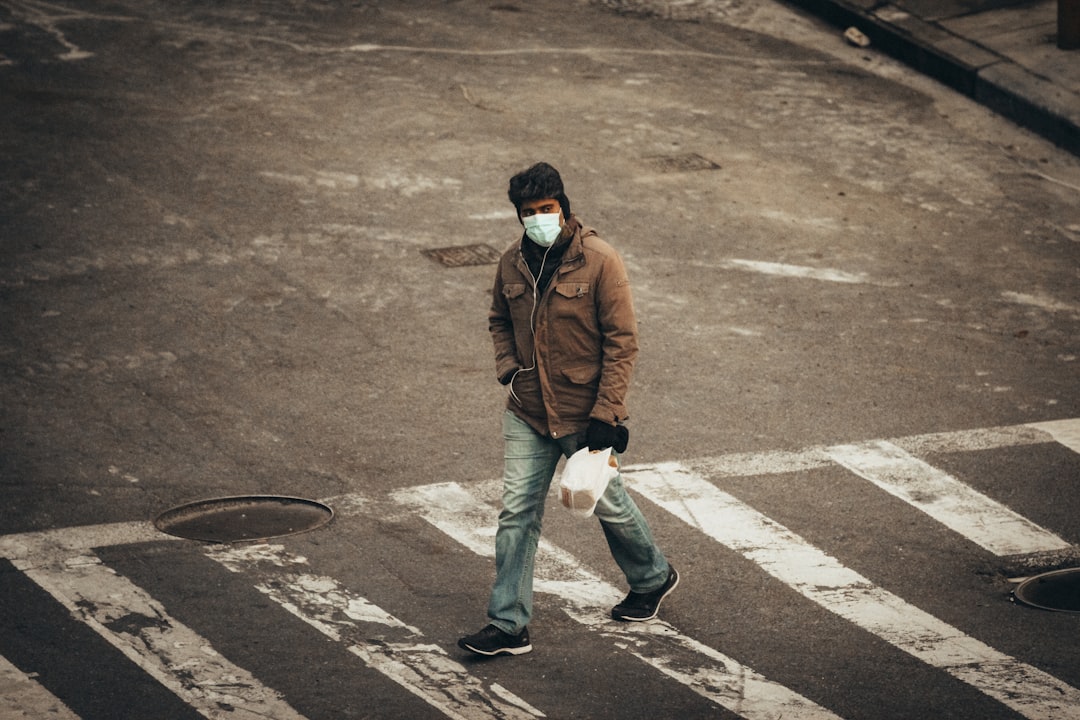
How can GCC facility managers protect building occupants and ensure operational continuity during an infectious disease outbreak? The recent global health crises have fundamentally reshaped facility management priorities. Consequently, proactive health crisis protocols are no longer optional. They are a critical component of corporate resilience and social responsibility. This guide explores essential pandemic response FM health crisis protocols for the Gulf region.
Facility management in the GCC faces unique challenges during outbreaks. High-density urban centers, diverse international workforces, and extreme climate conditions require tailored approaches. Moreover, regional health authorities have implemented stringent guidelines for workplaces. Therefore, understanding and implementing robust infectious disease response plans is paramount for legal compliance and workforce safety.
At Allianze HR Consultancy, we’ve successfully placed 10,000+ professionals across UAE, Saudi Arabia, Qatar, and Kuwait. Furthermore, our 5+ years of GCC expertise supports clients from 50+ countries. Moreover, our Ministry of External Affairs (India) RA license ensures compliance. Therefore, contact our recruitment specialists for expert guidance on staffing your facility management teams with crisis-ready professionals.
Understanding GCC Facility Health and Safety Mandates
GCC nations have rapidly evolved their public health and workplace safety regulations. Each country’s Ministry of Health and labor authority publishes specific guidelines. For instance, Saudi Arabia’s Ministry of Human Resources issues directives for business continuity. Similarly, the UAE government provides clear frameworks through its official portals.
Furthermore, international standards provide a crucial foundation. The International Labour Organization emphasizes employer duties during health emergencies. Additionally, the World Health Organization offers guidance on indoor environmental quality. Consequently, integrating these global best practices with local law is essential.
Key regional considerations include:
- Mandatory thermal screening and health declaration requirements.
- Specific occupancy limits for prayer rooms and common areas.
- Enhanced cleaning standards for HVAC systems in arid climates.
- Protocols for accommodating and isolating symptomatic individuals.
- Communication requirements in multiple languages for diverse workforces.
Pandemic Response FM Health Crisis Protocols Strategic Overview
A strategic facility management plan for pandemics extends beyond disinfection. It is a holistic operational framework. This framework protects people, secures assets, and maintains services. Therefore, effective pandemic response FM health crisis protocols must be integrated into core business processes. They should not function as a separate, reactive checklist.
Moreover, the strategy must address all phases: preparedness, response, recovery, and review. The International Facility Management Association outlines this cyclical approach. Preparedness involves planning and training. Response focuses on immediate action during an outbreak. Recovery guides the return to normal operations. Finally, the review phase improves plans for future events.
Critical strategic components include:
- Establishing a dedicated cross-functional crisis management team.
- Conducting a facility-specific risk assessment for disease transmission.
- Developing clear communication channels with staff and authorities.
- Securing reliable supply chains for PPE and cleaning materials.
- Creating flexible space management plans for social distancing.
Legal Framework and Compliance Standards
Compliance forms the non-negotiable backbone of any health crisis plan. GCC labor laws impose strict duties of care on employers. These duties intensify during public health emergencies. Non-compliance can result in severe penalties, operational shutdowns, and reputational damage. Therefore, understanding the legal landscape is the first step.
For example, UAE’s federal authorities mandate specific employer actions. These include providing safe accommodation and healthcare. Similarly, Qatar’s Ministry of Public Health issues enforceable public health directives. Consequently, facility managers must monitor official communications continuously.
Key compliance documents to maintain include:
- Formal, management-approved infectious disease outbreak policy.
- Records of all staff training on health and safety protocols.
- Logs of facility cleaning, disinfection, and maintenance activities.
- Documented risk assessments and mitigation action plans.
- Incident reports for any suspected or confirmed cases on-site.
Pandemic Response FM Health Crisis Protocols Best Practices
Implementing best practices transforms policy into effective action. These practices are grounded in science, operational reality, and human behavior. Firstly, engineering controls are most effective. This involves modifying the physical workspace to reduce transmission risk. For instance, upgrading HVAC filters to MERV-13 or higher standards is recommended.
Secondly, administrative controls manage people’s behavior and workflows. Staggered work shifts, remote work policies, and designated entry/exit points are examples. Thirdly, proper use of Personal Protective Equipment (PPE) is vital. Furthermore, training ensures staff use PPE correctly. Therefore, a layered approach using all three controls offers the best protection.
Essential best practices for pandemic response FM health crisis protocols include:
- Implementing touchless technologies for doors, taps, and dispensers.
- Establishing clear zoning (e.g., clean zones, isolation rooms).
- Conducting regular, unannounced drills of outbreak scenarios.
- Partnering with licensed medical waste disposal contractors.
- Creating digital dashboards for real-time occupancy monitoring.
Documentation and Processing Steps
Meticulous documentation proves compliance and guides consistent execution. Every protocol must have a corresponding process document. These documents should be simple, visual, and accessible. For example, cleaning checklists should use icons and short instructions. This accommodates diverse language skills among cleaning staff.
Moreover, a centralized document management system is crucial. It ensures the latest version of all plans is available to the crisis team. Additionally, it maintains an audit trail for regulators. The process should also include regular document reviews. Plans must be updated based on new health information and lessons learned from drills.
Core documentation and processing steps involve:
- Developing step-by-step Standard Operating Procedures (SOPs) for all tasks.
- Creating emergency contact lists for staff, hospitals, and suppliers.
- Preparing template communication notices for different outbreak stages.
- Mapping supply chain logistics for critical inventory management.
- Establishing a document review cycle (e.g., quarterly or biannually).
Pandemic Response FM Health Crisis Protocols Implementation Timeline
A realistic timeline is critical for successful protocol rollout. Implementation cannot happen overnight. It requires careful phasing and resource allocation. Typically, developing a comprehensive set of pandemic response FM health crisis protocols takes 8-12 weeks. This timeline assumes dedicated internal or consultant resources.
First, weeks 1-2 should focus on risk assessment and team assembly. Next, weeks 3-6 involve drafting policies and sourcing supplies. Then, weeks 7-8 are for training key personnel and testing systems. Finally, weeks 9-12 should see full staff training and a live drill. Subsequently, the maintenance phase begins with ongoing monitoring and minor adjustments.
A sample 90-day implementation roadmap includes:
- Days 1-15: Assemble team, conduct risk audit, review legal requirements.
- Days 16-45: Draft and approve all policies and SOP documents.
- Days 46-60: Procure equipment, upgrade systems, install signage.
- Days 61-75: Train management and facilities team on new protocols.
- Days 76-90: Conduct organization-wide training and full-scale simulation.
Common Challenges and Solutions
Facility managers encounter predictable obstacles when implementing health protocols. Budget constraints are a universal challenge. Leadership may view pandemic preparedness as a low-priority cost. Therefore, building a business case focused on risk mitigation and continuity is essential. Highlight potential losses from shutdowns versus investment in prevention.
Another common issue is staff compliance fatigue. People may become lax with hygiene rules over time. Consequently, continuous engagement is necessary. Use positive reinforcement, clear communication, and leadership by example. Additionally, supply chain disruptions can cripple response efforts. Hence, diversifying suppliers and maintaining a strategic stockpile is prudent.
Effective solutions to frequent challenges are:
- Challenge: Low management buy-in. Solution: Present data on operational and financial risks.
- Challenge: Complex, multi-tenant buildings. Solution: Establish a landlord-tenant communication pact.
- Challenge: Evolving scientific guidance. Solution: Assign a team member to monitor official updates.
- Challenge: Multilingual workforce. Solution: Use pictograms and training in native languages.
- Challenge: Measuring protocol effectiveness. Solution: Track leading indicators like audit scores and supply levels.
Expert Recommendations for Success
Success hinges on integrating health security into organizational culture. It must be viewed as a core value, not a compliance burden. Leadership must champion this culture from the top down. Regularly discuss safety in meetings and recognize compliant behavior. Moreover, empower all employees to report concerns without fear.
Furthermore, leverage technology for smarter facility management. IoT sensors can monitor occupancy and air quality in real time. Digital twin technology can model outbreak scenarios for better planning. Additionally, invest in your people. Continuous training for facility staff, security, and cleaners ensures protocols are executed correctly. Explore our professional recruitment resources to find trained personnel.
Final expert recommendations include:
- Conduct tabletop exercises with the crisis team every six months.
- Build relationships with local health authorities before a crisis occurs.
- Benchmark your protocols against World Bank resilience frameworks.
- Integrate health protocols with other emergency plans (fire, security).
- Schedule a regular consultation appointment with HR and compliance experts.
Frequently Asked Questions About Pandemic Response FM Health Crisis Protocols
What is the timeline for implementing pandemic response FM health crisis protocols?
A comprehensive implementation typically takes 8-12 weeks. This includes risk assessment, policy development, procurement, and training. Furthermore, complexity and facility size affect the duration. Therefore, starting the planning process well before any threat emerges is crucial.
What are the key legal requirements for facility outbreak plans in the GCC?
Requirements vary by country but generally include providing a safe workplace, following Ministry of Health directives, and maintaining records. Additionally, employers must manage accommodation clusters and ensure access to medical care. Consequently, consulting with local legal experts is essential.
How often should infectious disease response plans be reviewed and updated?
Formal reviews should occur at least annually. Moreover, updates are mandatory after any drill, actual incident, or significant change in public health guidance. Additionally, changes in building layout or occupancy should trigger an immediate plan review.
What is the role of HVAC systems in preventing disease transmission?
HVAC systems manage indoor air quality and dilution. Key strategies include increasing outdoor air ventilation, upgrading filtration, and maintaining proper humidity levels. Furthermore, UV-C light installation within systems can inactivate pathogens. Regular maintenance is non-negotiable.
How can we ensure contractor and visitor compliance with our health protocols?
Incorporate protocol compliance into contractual agreements for vendors. Additionally, implement a pre-entry digital briefing for all visitors. Furthermore, provide clear on-site signage and have security personnel conduct brief verifications at entry points.
Does Allianze HR recruit facility managers with health and safety expertise?
Yes, we specialize in recruiting FM professionals with proven experience in crisis management and health protocols. Our network includes candidates trained in international standards and familiar with GCC regulations. Contact us to discuss your specific talent requirements.
Partner with Allianze HR for Facility Resilience Success
Robust pandemic response FM health crisis protocols are a cornerstone of modern, responsible facility management in the GCC. They protect your most valuable asset—your people—while safeguarding operational continuity and legal standing. This guide has outlined the strategic, compliance, and practical steps necessary to build a resilient organization. From understanding local mandates to implementing best practices, preparedness is an ongoing journey.
Ultimately, success depends on expertise, diligent planning, and the right team. Allianze HR Consultancy stands ready to support your organization. We provide access to pre-vetted facility management professionals skilled in health and safety crisis planning. Moreover, our deep understanding of GCC labor markets ensures compliant and effective staffing solutions. Let us help you build a safer, more resilient workplace.
Do not wait for the next health threat to expose vulnerabilities in your operations. Proactively develop and strengthen your facility’s defenses today. Contact our HR specialists to discuss your recruitment needs or to access further guidance on implementing world-class health crisis protocols for your facilities across the Gulf region.