


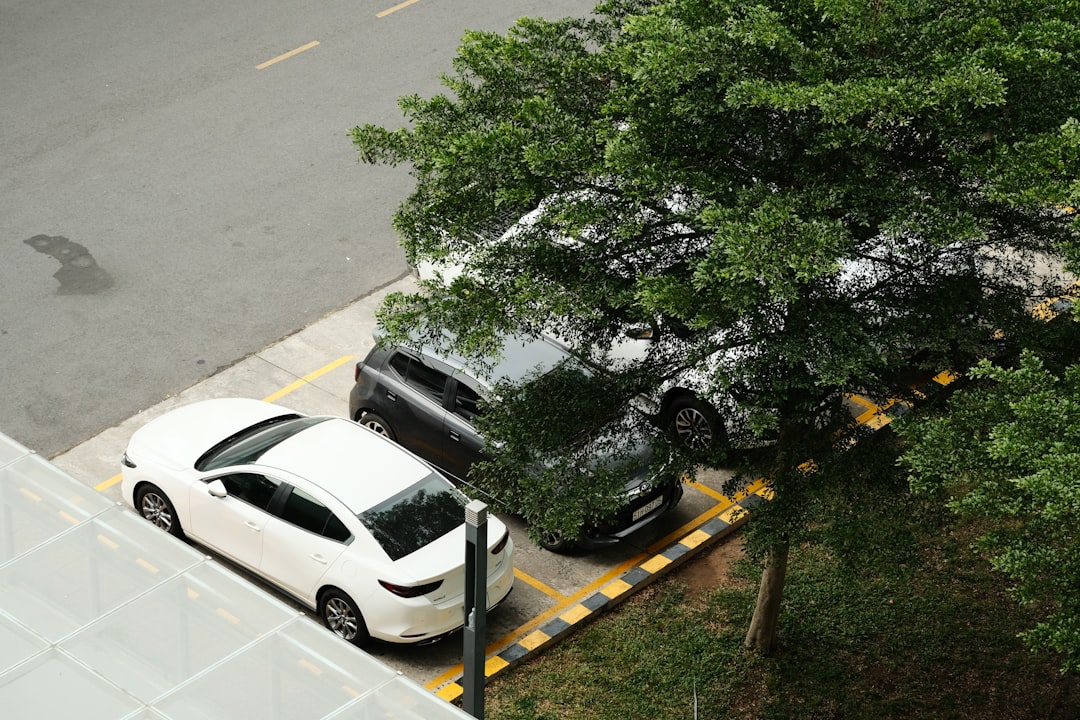
Are you struggling with inefficient parking operations at your commercial facility? Furthermore, manual ticketing and cash payments create bottlenecks and revenue leakage. Consequently, modern parking management automated access and billing systems offer a transformative solution. This comprehensive guide explores facility vehicle entry systems and payment integration for GCC businesses.
Parking infrastructure is critical across the Gulf region’s bustling cities. Moreover, from Dubai’s skyscrapers to Riyadh’s commercial hubs, efficient vehicle flow impacts tenant satisfaction and operational costs. Therefore, automated systems are no longer a luxury but a necessity. They ensure security, convenience, and financial accuracy for property managers and employers alike.
At Allianze HR Consultancy, we’ve successfully placed 10,000+ professionals across UAE, Saudi Arabia, Qatar, and Kuwait. Furthermore, our 5+ years of GCC expertise supports clients from 50+ countries. Moreover, our Ministry of External Affairs (India) RA license ensures compliance. Therefore, contact our recruitment specialists for expert guidance on staffing your facility management teams.
Understanding Modern Parking Facility Challenges
GCC facilities face unique parking operational hurdles. First, high vehicle density in business districts strains traditional systems. Second, extreme climate conditions demand durable access hardware. Third, diverse user groups require flexible payment options. Additionally, security and compliance remain top priorities for all property owners.
Common issues include revenue loss from manual errors. Furthermore, unauthorized access creates safety concerns. Congestion at entry and exit points also frustrates users. Moreover, cash handling presents accountability challenges. Therefore, automated solutions directly address these pain points. They provide data-driven control and seamless user experiences.
- Manual revenue collection inaccuracies and theft risks.
- Poor space utilization leading to congestion and lost capacity.
- Lack of real-time data for operational decision-making.
- High labor costs for ticketing and enforcement personnel.
- Difficulty integrating with broader building management systems.
- Inadequate reporting for audit and compliance purposes.
Transitioning to automated systems resolves these issues. Specifically, technology reduces human intervention. Consequently, accuracy and efficiency improve dramatically. For example, automated barriers with license plate recognition eliminate manual checks. This speeds up vehicle processing significantly.
Parking Management Automated Access Billing Strategic Overview
A strategic approach to parking management automated access and billing delivers immense value. Essentially, it combines hardware and software into a cohesive ecosystem. This ecosystem manages vehicle entry, duration tracking, and fee calculation automatically. Moreover, it integrates payment gateways for seamless transactions. Therefore, the entire process becomes touchless and efficient.
The core components include access control systems at entry points. Additionally, sensor technology monitors parking space occupancy. Furthermore, a central management platform processes all data. Payment integration then handles transactions digitally. Consequently, facility managers gain complete operational visibility. They can optimize pricing, security, and capacity in real-time.
- Automatic License Plate Recognition (ALPR) cameras for vehicle identification.
- Robust barrier gates and loop detectors for access control.
- Parking guidance systems with overhead sensors or signage.
- Centralized software for monitoring, reporting, and rule configuration.
- Integrated payment modules supporting cards, mobile wallets, and online pre-booking.
- User-facing mobile applications for reservations and digital permits.
Implementing this system requires careful planning. First, assess current infrastructure and traffic patterns. Next, select technology matching your facility’s scale. Moreover, consider future expansion needs during procurement. Finally, ensure vendor support for ongoing maintenance. This strategic rollout maximizes return on investment.
Legal Framework and GCC Compliance Standards
Deploying automated parking systems must align with regional regulations. Specifically, GCC countries have distinct data privacy and construction codes. For instance, the UAE’s green building regulations may influence system design. Similarly, Saudi Arabia’s Vision 2030 emphasizes smart city integration. Therefore, compliance is non-negotiable.
Data protection is paramount when capturing license plates and user details. Consequently, systems must adhere to local data sovereignty laws. Additionally, payment processing requires compliance with financial authorities. Moreover, equipment installation must meet civil defense and safety standards. Electrical and structural certifications are also mandatory for all hardware.
International standards provide valuable guidance. The International Labour Organization outlines workplace safety principles affecting parking areas. Furthermore, the International Facility Management Association (IFMA) offers best practice frameworks. Adhering to these enhances system credibility and operational safety.
- Adherence to UAE’s Data Protection Law and Saudi’s PDPL.
- Compliance with Central Bank regulations for payment gateways.
- Meeting civil defense requirements for emergency vehicle access.
- Obtaining municipal approvals for exterior hardware installations.
- Ensuring accessibility standards for people of determination.
- Following WHO-inspired guidelines on reducing congestion emissions.
Parking Management Automated Access Billing Best Practices
Successful implementation hinges on established best practices. First, conduct a thorough site survey and demand analysis. This identifies peak traffic flows and payment preferences. Second, choose scalable technology that grows with your business. Moreover, prioritize user experience to ensure high adoption rates. Consequently, system effectiveness increases significantly.
Integration is a critical best practice. Specifically, your parking management automated access and billing system should connect with other platforms. For example, integration with property management software streamlines tenant billing. Similarly, linking with security systems enhances overall facility safety. Therefore, select open-architecture solutions that support API connections.
- Implement clear signage and instructions for first-time users.
- Offer multiple payment options including contactless, app-based, and subscription models.
- Establish proactive maintenance schedules for all hardware components.
- Train facility staff thoroughly on system management and troubleshooting.
- Develop clear policies for violation handling and dispute resolution.
- Regularly audit system data and financial reconciliations for accuracy.
Data analytics drives continuous improvement. Therefore, use the system’s reporting tools to monitor key metrics. These include occupancy rates, revenue per space, and peak usage times. Subsequently, adjust pricing and capacity allocation based on these insights. This dynamic management optimizes asset utilization and revenue generation.
Documentation and System Implementation Steps
A structured implementation process ensures project success. Initially, define clear objectives and key performance indicators. Next, assemble a project team with IT, facilities, and finance representatives. Furthermore, develop detailed project timelines and budget allocations. Consequently, all stakeholders maintain alignment throughout the rollout.
Procurement involves rigorous vendor evaluation. Specifically, assess technology reliability, local support capability, and total cost of ownership. Moreover, review case studies from similar GCC facilities. Additionally, ensure the solution complies with regional urban development and technical standards. Then, proceed with contract negotiation and signing.

Installation requires meticulous coordination. First, schedule work during low-traffic periods to minimize disruption. Second, verify all electrical and network connections beforehand. Moreover, conduct thorough testing of each component before going live. Finally, execute a phased rollout if managing a large facility. This approach mitigates operational risk effectively.
- Project Charter defining scope, goals, and stakeholders.
- Technical specifications and network architecture diagrams.
- Vendor contracts with clear SLAs and support terms.
- User acceptance testing (UAT) plans and checklists.
- Operational manuals and staff training materials.
- Go-live communication plan for all parking users.
Parking Management Automated Access Billing Implementation Timeline
A realistic timeline is crucial for managing expectations. Typically, a full implementation spans 8 to 16 weeks. However, complex facilities may require longer durations. The process begins with planning and requirement gathering. Subsequently, procurement and vendor selection follow. Then, installation and configuration occur. Finally, testing and staff training complete the project.
Weeks 1-4 focus on discovery and design. During this phase, consultants analyze current operations. Furthermore, they document technical requirements and integration points. Meanwhile, the project team finalizes the budget. Consequently, a detailed project plan emerges for stakeholder approval.
Weeks 5-10 cover procurement and preparation. Specifically, the team issues RFPs and evaluates vendor proposals. Moreover, infrastructure upgrades like network cabling commence. Additionally, necessary permits and approvals are secured. Therefore, the site becomes ready for hardware installation.
- Weeks 1-2: Initial assessment and stakeholder workshops.
- Weeks 3-4: Solution design and budget finalization.
- Weeks 5-6: Vendor selection and contract execution.
- Weeks 7-10: Infrastructure preparation and hardware delivery.
- Weeks 11-14: System installation, configuration, and integration.
- Weeks 15-16: Comprehensive testing, training, and phased go-live.
Post-implementation, a stabilization period of 30 days is recommended. During this time, monitor system performance closely. Additionally, address any user issues promptly. Moreover, gather feedback for minor adjustments. Consequently, the system achieves optimal operational rhythm. For ongoing support, schedule a consultation appointment with our experts.
Common Challenges and Practical Solutions
Despite careful planning, challenges can arise during deployment. A common issue is user resistance to new technology. Therefore, proactive communication and training are essential. Another challenge involves system integration with legacy software. Consequently, choosing flexible, API-rich platforms mitigates this risk. Additionally, maintenance of outdoor hardware in harsh climates requires robust planning.
Technical glitches may occur initially. For example, license plate recognition accuracy can drop in poor lighting. The solution involves calibrating cameras and adjusting angles. Similarly, payment gateway failures frustrate users. Implementing redundant payment options and offline fallbacks ensures continuity. Moreover, regular software updates prevent security vulnerabilities.
Financial challenges include upfront investment concerns. However, demonstrating clear ROI through reduced labor costs and increased revenue helps. Furthermore, exploring subscription-based or managed service models eases capital expenditure. Additionally, labor market trends show automation reduces long-term operational staffing needs. This provides significant cost savings.
- Challenge: Network reliability affecting real-time operations. Solution: Implement local system caching and failover mechanisms.
- Challenge: Managing mixed user types (visitors, tenants, staff). Solution: Configure flexible tariff plans and access groups in software.
- Challenge: Handling disputes over parking charges. Solution: Maintain detailed audit logs and provide a transparent appeal process.
- Challenge: Vandalism or damage to equipment. Solution: Install protective housings and leverage surveillance integration.
- Challenge: Ensuring continuous compliance with evolving regulations. Solution: Partner with vendors who commit to regular compliance updates.
Expert Recommendations for Long-Term Success
Sustaining the benefits of automation requires ongoing effort. First, appoint a dedicated system administrator from your facility team. This person oversees daily operations and minor configurations. Second, establish a regular review cycle for system data and financial reports. Consequently, you can identify trends and opportunities for further optimization.
Invest in continuous staff training. Technology evolves, and so should your team’s skills. Moreover, encourage feedback from parking users. Their experience highlights areas for improvement. Additionally, maintain strong relationships with your technology vendor and service provider. Regular performance reviews ensure service level agreements are met.
Plan for future expansion from the outset. Therefore, choose systems that can add more entry points or payment methods easily. Furthermore, consider emerging trends like electric vehicle charging integration. Staying ahead of technology curves protects your investment. For strategic insights, explore our professional recruitment resources for building a tech-savvy facilities team.
- Conduct bi-annual system performance and security audits.
- Budget annually for hardware refreshes and software license renewals.
- Benchmark your parking metrics against industry standards for the GCC region.
- Explore integrations with smart city initiatives for broader traffic management.
- Develop a disaster recovery plan for system downtime scenarios.
- Foster a culture of innovation by piloting new features like AI-based anomaly detection.
Frequently Asked Questions About Parking Management Automated Access Billing
What is the primary benefit of parking management automated access billing?
The primary benefit is operational efficiency combined with accurate revenue capture. Furthermore, it eliminates manual processes, reduces errors, and enhances user experience. Consequently, facilities see improved security and valuable usage data analytics.
How secure are automated vehicle entry systems?
Modern systems are highly secure when properly configured. They use encrypted data transmission, secure payment gateways, and role-based access controls. Moreover, compliance with data protection laws like UAE’s DP Law is mandatory. Regular security updates further mitigate risks.
Can these systems handle different parking fee structures?
Absolutely. Advanced software supports complex tariff rules. These include hourly rates, daily maximums, early-bird specials, monthly subscriptions, and validated parking. Additionally, you can create distinct rates for different user groups like visitors, tenants, and staff seamlessly.
What happens during a network or power outage?
Robust systems have contingency plans. Hardware often includes uninterruptible power supplies (UPS). Furthermore, critical components like barrier controllers can operate in a degraded, offline mode using cached rules. This ensures vehicle entry and exit remain possible during disruptions.
Is mobile app integration important for user experience?
Yes, mobile integration significantly enhances convenience. Users can pre-book spaces, pay digitally, extend parking sessions remotely, and receive receipts. Moreover, apps can provide real-time space availability maps. This reduces congestion and improves overall satisfaction.
How does Allianze HR support facility management staffing?
We recruit skilled professionals for facility management roles, including parking operations supervisors, maintenance technicians, and system administrators. Our deep understanding of GCC labor regulations ensures compliant hiring. Therefore, we build teams that can effectively manage and maintain these advanced automated systems.