


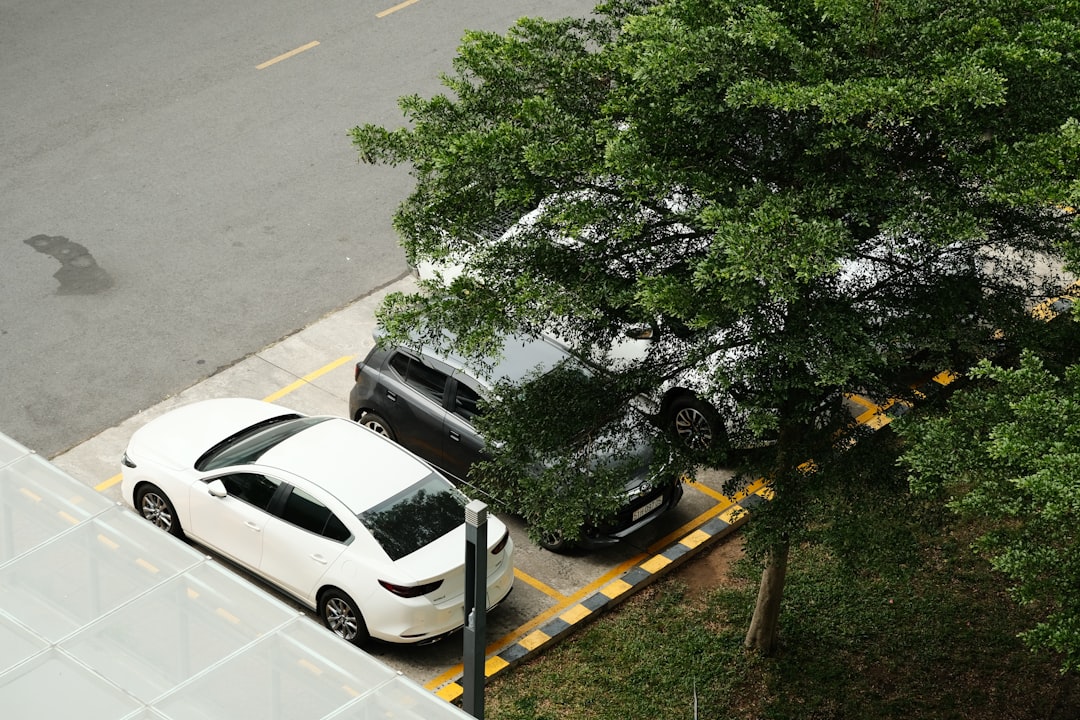
How can you ensure your multi-story car park remains safe, efficient, and compliant in the demanding GCC environment? Parking structure FM maintenance is a critical discipline that directly impacts user safety, asset longevity, and operational profitability. Furthermore, the region’s extreme climate and high traffic volumes create unique challenges for facility managers. Therefore, a proactive and strategic approach to parking facility management is essential for success. This guide provides a comprehensive overview of parking structure FM maintenance for regional employers.
Multi-story car parks are vital infrastructure components in rapidly developing Gulf cities. Consequently, their continuous operation is crucial for commercial and retail success. Moreover, effective management integrates staffing, advanced lighting systems, and rigorous safety protocols. Additionally, compliance with evolving GCC regulations requires specialized knowledge. Neglecting these areas can lead to significant liabilities, reputational damage, and costly emergency repairs.
At Allianze HR Consultancy, we understand the specialized staffing needs of modern facility management. Furthermore, our expertise extends to supporting the technical and operational teams that keep critical infrastructure like parking structures running smoothly. We’ve successfully placed 10,000+ professionals across UAE, Saudi Arabia, Qatar, and Kuwait. Moreover, our 5+ years of GCC expertise supports clients from 50+ countries. Therefore, contact our recruitment specialists for expert guidance on building your facility management team.
Understanding GCC Multi-Story Car Park Challenges
GCC parking facilities face distinct operational hurdles. Extreme summer heat accelerates material degradation in concrete and steel. Consequently, thermal expansion and corrosion become primary concerns. Additionally, high dust and sand levels can clog drainage systems and damage mechanical equipment. Furthermore, peak traffic periods during events or shopping seasons test structural limits and management systems.
User expectations in the region are also high. Patrons demand well-lit, clean, and secure environments. Therefore, maintenance programs must address both technical integrity and user experience. Moreover, regional sustainability initiatives now influence facility operations. For example, energy-efficient lighting and water management are becoming standard requirements. Compliance with local civil defense and municipal regulations is non-negotiable for all operators.
- Concrete spalling and corrosion from heat and humidity.
- Drainage system blockages from sand and dust accumulation.
- High energy consumption for ventilation and 24/7 lighting.
- Safety and security concerns in large, enclosed structures.
- Regulatory compliance with multiple GCC municipality standards.
- Managing peak traffic flows during weekends and holidays.
Parking Structure FM Maintenance Strategic Overview
A strategic parking structure FM maintenance plan moves beyond reactive repairs. Instead, it establishes a lifecycle management approach. This strategy encompasses daily operations, preventive schedules, and long-term capital planning. Furthermore, it integrates staffing, technology, and safety into a cohesive system. Therefore, the goal is to maximize asset life while minimizing operational disruption and risk.
Key components include structural integrity assessments and envelope waterproofing. Additionally, mechanical system upkeep for ventilation is crucial. Traffic control equipment and payment systems also require regular attention. Moreover, a strategic overview allocates budget for both routine tasks and major rehabilitation projects. Consequently, this prevents small issues from escalating into costly structural failures. Effective planning also involves benchmarking against International Facility Management Association standards for best practices.
- Develop a 5-10 year capital repair and replacement forecast.
- Implement a Computerized Maintenance Management System (CMMS).
- Integrate Internet of Things (IoT) sensors for real-time monitoring.
- Establish key performance indicators for maintenance efficiency.
- Create a dedicated annual budget for preventive maintenance.
- Align maintenance activities with sustainability and green building goals.
Legal Framework and Compliance Standards
GCC countries enforce strict regulations for public parking structures. These laws cover structural safety, fire protection, and accessibility. Furthermore, each emirate or municipality publishes its own building maintenance codes. For instance, Dubai’s Trakhees and Abu Dhabi’s Department of Municipalities and Transport have specific guidelines. Therefore, facility managers must stay updated on all local requirements.
Compliance often involves annual inspections and certification renewals. Fire alarm and suppression systems require particularly rigorous testing. Additionally, elevator and escalator maintenance must follow manufacturer and government standards. Moreover, adherence to International Labour Organization workplace safety principles protects both staff and patrons. Non-compliance can result in heavy fines, operational shutdowns, and legal liability in case of incidents.
- Annual structural safety inspections mandated by civil defense.
- Fire system certification and emergency lighting testing protocols.
- Accessibility compliance for people of determination (POD).
- Environmental regulations for waste water and chemical disposal.
- Staff certification requirements for operating technical equipment.
- Insurance policy conditions regarding maintenance and inspections.
Parking Structure FM Maintenance Best Practices
Implementing parking structure FM maintenance best practices ensures operational excellence. First, conduct bi-annual comprehensive condition assessments. These surveys identify concrete deterioration, joint failures, and leakage points. Subsequently, prioritize repairs based on risk and impact. Furthermore, establish a rigorous preventive maintenance schedule for all mechanical and electrical assets.
Lighting maintenance is a critical safety practice. Ensure light levels meet or exceed IESNA RP-20 standards for parking facilities. Moreover, implement a group relamping program to avoid dark spots. Additionally, keep all signage, wayfinding, and line markings clean and visible. Cleaning practices should control dust and remove oil spills promptly to prevent slip hazards. For deeper insights, refer to World Bank urban development reports on infrastructure upkeep.
- Perform detailed condition surveys every six months.
- Schedule nightly cleaning and daily system checks.
- Maintain a minimum of 20-foot candles of light in driving aisles.
- Test sump pumps and drainage systems before rainy seasons.
- Keep a comprehensive log of all repairs and inspections.
- Use high-quality, durable materials for all repair work.
Documentation and Processing Steps
Meticulous documentation is the backbone of effective facility management. Firstly, maintain as-built drawings and a complete asset register. This includes all structural elements, lighting fixtures, and mechanical systems. Secondly, develop standardized work order forms for all maintenance activities. Consequently, this creates a historical record for future planning and warranty claims.
Processing steps for maintenance work should be clear. Begin with inspection and fault reporting via a digital system. Next, generate a work order with defined scope and safety requirements. Then, assign qualified personnel and necessary permits. After completion, document the work with photos and parts used. Finally, update the asset history and schedule the next preventive task. This systematic approach is supported by professional recruitment resources for training staff on procedures.
- Centralized digital repository for all facility documents.
- Standard Operating Procedures for common repairs and emergencies.
- Vendor service reports and warranty documentation.
- Safety Data Sheets for all chemicals used on site.
- Training records and certification for all maintenance staff.
- Financial records linking work orders to budget categories.
Parking Structure FM Maintenance Implementation Timeline
Developing a realistic parking structure FM maintenance implementation timeline is crucial. Year One should focus on assessment and baseline establishment. This involves a full condition survey and gap analysis against standards. Subsequently, develop the preventive maintenance plan and hire or train necessary staff. Furthermore, procure any required CMMS software or monitoring tools.
Years Two and Three involve executing the core preventive program. Additionally, address high-priority repairs identified in the initial survey. Moreover, begin the cycle of group relamping and major system overhauls. Years Four and Five should focus on larger capital projects, like deck waterproofing or structural strengthening. Therefore, a phased approach ensures budget alignment and minimizes user disruption. Regular reviews against UAE green building regulations can inform upgrades.
- Month 1-3: Comprehensive audit and plan development.
- Month 4-6: Staff training and system implementation.
- Month 7-12: Launch preventive maintenance and address critical repairs.
- Year 2: Full preventive schedule execution and technology integration.
- Year 3: Mid-cycle refurbishment of lighting and surface finishes.
- Year 5: Major capital planning for deck restoration or expansion.
Common Challenges and Solutions
Parking facility managers routinely encounter several challenges. Budget constraints often limit proactive maintenance. The solution involves demonstrating ROI through lifecycle cost analysis. Specifically, show how preventive care avoids exponentially higher repair costs later. Another common issue is staffing shortages for skilled technicians. Partnering with a specialized recruiter like Allianze HR ensures access to qualified talent.
Managing user complaints about lighting or cleanliness is also frequent. Implementing a digital feedback system can help track and resolve issues quickly. Furthermore, coordinating with multiple service vendors leads to complexity. Consequently, appointing a dedicated facilities manager or outsourcing to a single provider streamlines oversight. Additionally, staying compliant with evolving codes requires continuous education. Subscribing to updates from authorities like the World Health Organization on indoor air quality in enclosed structures is beneficial.
- Challenge: Water leakage causing damage and safety hazards. Solution: Implement a comprehensive waterproofing and drainage program.
- Challenge: Vandalism and security breaches. Solution: Upgrade to IP-based surveillance and increase patrol frequency.
- Challenge: Energy costs from 24/7 operation. Solution: Transition to LED lighting with motion sensors.
- Challenge: Concrete deterioration from deicing salts (in cooler regions). Solution: Apply protective sealants and perform regular pressure washing.
- Challenge: Obsolete traffic control equipment. Solution: Phase in smart parking guidance and payment systems.
Expert Recommendations for Success
For long-term success, adopt a technology-forward mindset. Invest in a robust CMMS to automate scheduling and record-keeping. Furthermore, consider IoT sensors for real-time monitoring of structural movement, humidity, and lighting status. Additionally, utilize drone technology for efficient roof and facade inspections. These tools provide data-driven insights for better decision-making.
Prioritize your workforce as a critical asset. Invest in continuous training for your maintenance staff on the latest techniques and safety protocols. Moreover, ensure clear career progression paths to retain skilled technicians. Building a strong safety culture is non-negotiable. Conduct regular drills and empower staff to report hazards without fear. Finally, establish strong partnerships with reliable material suppliers and specialized contractors. For strategic staffing, schedule a consultation appointment with our experts to build a resilient team.
- Appoint a dedicated Facility Manager with parking structure expertise.
- Benchmark performance against similar facilities in the region.
- Allocate 1-3% of the structure’s replacement value annually to maintenance.
- Engage structural engineering consultants for major condition assessments.
- Develop a comprehensive emergency response and business continuity plan.
- Foster a culture of continuous improvement and proactive problem-solving.
Frequently Asked Questions About Parking Structure FM Maintenance
What is the timeline for parking structure FM maintenance planning?
A full strategic plan typically takes 3-6 months to develop and implement. Furthermore, the initial condition assessment phase is critical. Therefore, consult our specialists for connecting with FM professionals who can accelerate this process.
What are the most critical safety systems in a multi-story car park?
Fire detection/suppression, emergency lighting, ventilation, and structural monitoring are paramount. Additionally, clear signage and secure stairwells are vital for occupant safety. Regular testing of all these systems is legally mandated.
How often should lighting systems be inspected and maintained?
Visual inspections should occur monthly. Furthermore, group relamping and ballast replacement should follow a 3-5 year cycle based on lamp type. Moreover, photocells and motion sensors require quarterly functional checks.
What staffing model is best for parking facility management?
A hybrid model often works best. Employ a core team of multi-skilled technicians in-house. Then, outsource specialized tasks like structural repairs or elevator maintenance to certified vendors for cost-effectiveness and expertise.
How can I reduce the environmental impact of my parking structure?
Install LED lighting with smart controls. Additionally, implement water recycling for cleaning and use permeable paving where possible. Moreover, consider EV charging stations and solar panel installations on roof decks.
What are the key indicators of concrete structure deterioration?
Look for cracking, spalling (flaking concrete), rust stains from rebar, and leakage. Additionally, map areas with standing water, which indicates drainage failure. Early detection through regular surveys prevents major structural damage.
Partner with Allianze HR for Facility Management Success
Effective parking structure FM maintenance is a complex, ongoing commitment. It requires strategic planning, skilled personnel, and unwavering dedication to safety and compliance. Furthermore, the unique climate and regulatory landscape of the GCC demand localized expertise. By implementing a proactive maintenance program, you protect your asset investment and ensure user safety.
Ultimately, your team is your greatest resource in this endeavor. Finding and retaining qualified facility managers, maintenance technicians, and safety officers is crucial. Therefore, partnering with an experienced recruitment firm provides a significant advantage. At Allianze HR, we specialize in sourcing talent for the facilities management and construction sectors across the Gulf. We ensure your staffing strategy aligns with your operational goals for parking structure FM maintenance. Let us help you build a team that keeps your infrastructure safe, efficient, and compliant for years to come.