



How can facility management contracts in the GCC deliver consistent, high-quality service? The answer lies in robust performance guarantees SLA compliance metrics. Furthermore, these contractual frameworks define success and protect investments. Moreover, they transform vague expectations into measurable outcomes. Consequently, understanding these metrics is essential for any organization outsourcing critical facility operations.
Service Level Agreements (SLAs) with clear performance guarantees form the backbone of successful facility management partnerships. Additionally, the GCC’s competitive business environment demands precision and accountability. Therefore, well-defined Key Performance Indicators (KPIs) and penalties ensure service providers meet stringent standards. This approach mitigates risk and enhances operational continuity for clients across diverse sectors.
At Allianze HR Consultancy, we’ve successfully placed 10,000+ professionals across UAE, Saudi Arabia, Qatar, and Kuwait. Furthermore, our 5+ years of GCC expertise supports clients from 50+ countries. Moreover, our Ministry of External Affairs (India) RA license ensures compliance. Therefore, contact our recruitment specialists for expert guidance on building teams that can deliver on these critical contracts.
Understanding GCC Facility Management Contract Fundamentals
Facility management in the Gulf region encompasses a wide range of services. These include maintenance, cleaning, security, and energy management. Additionally, contracts must align with local regulations and cultural expectations. Therefore, a foundational understanding of the scope is crucial.
Firstly, contracts define the relationship between client and service provider. They outline responsibilities, communication protocols, and reporting structures. Moreover, GCC clients often require adherence to specific sustainability and quality standards. Consequently, contracts must be meticulously drafted to cover all operational aspects.
Key components include the scope of services, term and termination clauses, and pricing models. Furthermore, performance management mechanisms are the most critical element. They ensure the provider delivers value consistently. For example, a hotel in Dubai requires 24/7 engineering support with specific response times. Therefore, the SLA must reflect this operational necessity.
- Hard Services: Maintenance of MEP systems, lifts, and building fabric.
- Soft Services: Cleaning, landscaping, waste management, and pest control.
- Security Services: Access control, surveillance, and manned guarding.
- Energy Management: Utility monitoring, efficiency programs, and sustainability reporting.
- Administrative Services: Helpdesk operations, space management, and vendor coordination.
Ultimately, a strong contract sets clear expectations. It protects both parties and fosters a partnership based on performance. Moreover, it provides a framework for continuous improvement and dispute resolution. Therefore, investing time in contract development yields significant long-term benefits.
Performance Guarantees SLA Compliance Metrics Strategic Overview
Strategic implementation of performance guarantees SLA compliance metrics requires careful planning. Firstly, metrics must be directly tied to business outcomes. For instance, tenant satisfaction in a commercial tower impacts rental yields. Therefore, relevant KPIs might include complaint resolution time and common area cleanliness scores.
Secondly, metrics should be SMART: Specific, Measurable, Achievable, Relevant, and Time-bound. This ensures they are practical and enforceable. Moreover, data collection methods must be agreed upon in advance. Consequently, both parties trust the reported performance data.
A balanced scorecard approach often works best. This method looks at performance from multiple perspectives. Additionally, it prevents over-focusing on one area at the expense of others. For example, a hospital FM contract must balance cost efficiency with critical clinical environment standards. Therefore, metrics cover financial, operational, quality, and customer dimensions.
- Operational Metrics: Uptime of critical equipment, preventive maintenance completion rate.
- Quality Metrics: Audit scores, customer satisfaction survey results, rework rates.
- Financial Metrics: Cost variance against budget, savings from efficiency initiatives.
- Compliance Metrics: Adherence to local regulations like UAE green building regulations.
- Innovation Metrics: Implementation of improvement ideas and technology adoption.
Finally, a strategic overview ensures metrics evolve with the contract. Business needs and market conditions change. Therefore, SLA frameworks should include periodic review clauses. This allows for metric refinement to ensure continued relevance and effectiveness.
Legal Framework and Compliance Standards in the GCC
Navigating the GCC’s legal landscape is paramount for FM contract success. Each country has distinct labor, commercial, and property laws. Furthermore, these regulations directly impact service delivery and workforce management. Therefore, legal compliance is a non-negotiable KPI category.
Firstly, labor laws govern working hours, wages, accommodations, and safety. For example, Saudi Arabia’s Ministry of Labor regulations set specific requirements for worker welfare. Consequently, FM contracts must mandate provider compliance. Penalties for violations should be severe, as they expose the client to significant risk.
Secondly, industry-specific standards apply. Healthcare facilities must follow infection control protocols. Similarly, data centers require uninterrupted power and cooling. Moreover, international standards like those from the International Labour Organization provide best practice frameworks. Therefore, SLAs often reference these external benchmarks.
Environmental compliance is increasingly critical. GCC nations are implementing ambitious sustainability agendas. Additionally, regulations cover waste disposal, water usage, and energy efficiency. For instance, LEED or Estidama certification maintenance can be a contractual requirement. Hence, performance metrics must track related deliverables.
Ultimately, the legal framework forms the boundary within which services operate. Non-compliance can result in fines, operational shutdowns, or reputational damage. Therefore, a robust SLA includes rigorous auditing and reporting on all statutory obligations. This protects the client’s legal standing and social license to operate.
Performance Guarantees SLA Compliance Metrics Best Practices
Implementing performance guarantees SLA compliance metrics effectively demands adherence to proven best practices. Firstly, engage stakeholders from both sides during the KPI development phase. This collaborative approach ensures buy-in and practical relevance. Moreover, it clarifies how data will be gathered and reported.
Secondly, prioritize leading indicators over lagging ones. Response time to a work order is a leading indicator. Conversely, total downtime is a lagging indicator. Therefore, monitoring leading metrics allows for proactive intervention before major failures occur. This shift is crucial for preventive facility management.
Technology integration is another key practice. Computerized Maintenance Management Systems (CMMS) and IoT sensors provide real-time, objective data. Additionally, they automate reporting and reduce disputes over performance. Consequently, investing in shared technology platforms strengthens the client-provider partnership.
- Benchmarking: Compare performance against industry standards from bodies like the International Facility Management Association.
- Regular Reviews: Conduct monthly operational reviews and quarterly strategic business reviews.
- Transparent Reporting: Use dashboards accessible to both client and provider management.
- Continuous Improvement: Include KPIs for innovation and cost-saving initiatives shared with the client.
- Risk Sharing: Structure incentives so both parties benefit from superior performance and savings.
Finally, ensure clarity in penalty and reward structures. Penalties should be meaningful but not punitive to the point of damaging the partnership. Furthermore, reward mechanisms for exceeding targets can drive exceptional performance. Therefore, a balanced approach to incentives aligns interests and fosters a collaborative culture.
Documentation and Processing Steps for SLA Management
Effective SLA management relies on meticulous documentation and clear processes. Firstly, the master contract must contain a detailed SLA schedule. This schedule lists every KPI, its measurement method, frequency, and owner. Moreover, it defines the formula for calculating performance scores and penalties.
Secondly, establish a governance framework. This includes defining roles like Contract Manager and Service Delivery Manager. Additionally, it sets meeting agendas and reporting cycles. Consequently, performance management becomes a routine, structured activity rather than an ad-hoc reaction.
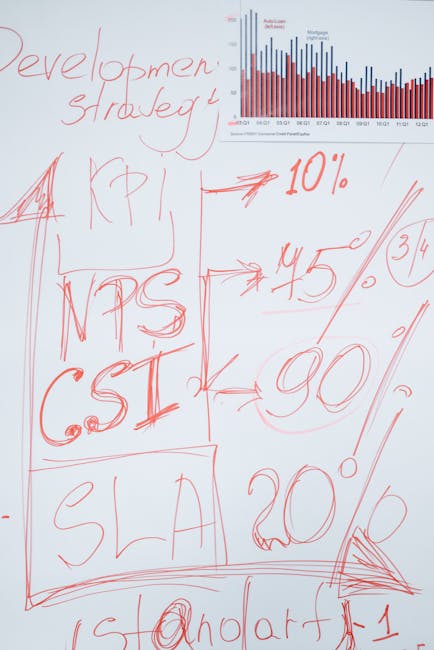
The processing of performance data follows specific steps. Data is collected from various sources like work orders, sensor logs, and surveys. Next, it is validated and compiled into a performance report. Subsequently, this report is reviewed in governance meetings. Actions and accountability are then assigned for any missed targets.
Dispute resolution procedures are a critical part of documentation. Occasionally, parties may disagree on data or extenuating circumstances. Therefore, the contract should outline a clear escalation path. This process might involve senior management review or third-party mediation. Ultimately, it ensures conflicts are resolved fairly and efficiently.
Proper documentation serves as the single source of truth. It prevents misunderstandings and provides a historical record of performance. Furthermore, it is essential during contract renewal or re-tendering processes. Therefore, maintaining organized and accessible records is a fundamental discipline for successful FM contract administration.
Performance Guarantees SLA Compliance Metrics Implementation Timeline
Deploying a robust system for performance guarantees SLA compliance metrics follows a phased timeline. The pre-contract phase involves due diligence and KPI design. This stage can take 4-8 weeks. Furthermore, it requires input from technical, financial, and operational teams. Therefore, thorough planning here prevents problems during execution.
The mobilization phase begins at contract signing. Typically lasting 1-3 months, this period involves setting up systems and processes. Moreover, baseline measurements are established for all KPIs. Consequently, performance can be assessed against a clear starting point. Training on reporting protocols is also conducted during this phase.
Steady-state operation follows mobilization. Here, the regular cycle of measurement, reporting, and review takes hold. Monthly reporting and quarterly deep-dive reviews become standard. Additionally, this is when continuous improvement initiatives are launched. Therefore, the partnership moves from setup to optimized delivery.
- Month 1-2: Contract finalization and detailed SLA schedule signing.
- Month 3: Mobilization, system implementation, and baseline data collection.
- Month 4: First full monthly performance report and operational review meeting.
- Month 6: First quarterly business review, focusing on strategic trends and improvements.
- Month 11: Annual performance review and contract renewal discussions.
Finally, the review and renewal phase occurs near the contract’s end. Performance data over the term informs renewal negotiations. Furthermore, lessons learned lead to refinements in the SLA for the next term. Therefore, the timeline is cyclical, promoting constant evolution and alignment with business goals.
Common Challenges and Solutions in SLA Enforcement
Enforcing SLAs presents several common challenges. Firstly, data quality and availability issues can arise. Systems may not capture the right data, or manual reporting can be error-prone. Therefore, the solution lies in automating data collection where possible. Additionally, auditing data sources regularly ensures accuracy and builds trust.
Secondly, unrealistic KPI targets create friction. Overly aggressive targets may be mathematically unachievable. Conversely, weak targets provide no value. The solution is collaborative target-setting based on historical data and industry benchmarks. Moreover, incorporating a mechanism for periodic recalibration allows for adjustment as conditions change.
Another challenge is the “watermelon SLA” – green on the surface (all metrics met) but red inside (poor actual service quality). This happens when metrics don’t capture true user experience. Consequently, the solution is to include qualitative measures like user satisfaction surveys. Furthermore, regular site audits and walk-throughs provide ground truth.
Managing change and force majeure events is also difficult. A major infrastructure failure or a pandemic can disrupt normal service levels. Therefore, contracts must include clear clauses for such events. These clauses should outline how performance will be assessed and penalties suspended during agreed-upon disruption periods.
Ultimately, the primary challenge is maintaining a partnership mindset while enforcing strict penalties. The solution is to frame discussions around shared goals and root-cause problem solving. Additionally, focusing on collaborative improvement, rather than blame, turns challenges into opportunities for strengthening the partnership and service delivery.
Expert Recommendations for FM Contract Success
Achieving long-term success with facility management contracts requires expert strategy. Firstly, view the provider as a strategic partner, not just a vendor. Invest in relationship-building and joint business planning. Moreover, this partnership approach leads to better innovation and problem-solving. Therefore, it transforms a transactional contract into a value-adding alliance.
Secondly, focus on outcomes, not just activities. Instead of micromanaging how many times a floor is cleaned, measure occupant satisfaction with cleanliness. This outcomes-based approach gives the provider flexibility to innovate. Consequently, it often leads to more efficient and effective service delivery methods.
Invest in the right talent on both sides. The client needs a skilled contract manager. Similarly, the provider must field a competent account team. Access to top-tier recruitment expertise is crucial. For comprehensive professional recruitment resources, explore our dedicated portal. This ensures both parties have the capability to manage the complex relationship.
Leverage technology and data analytics continuously. The FM industry is being transformed by PropTech. Additionally, data insights can predict failures and optimize resource allocation. Therefore, contracts should mandate technology upgrades and data-sharing protocols. This keeps the service delivery model modern and efficient.
Finally, never stop benchmarking and evolving. Compare your contract’s performance and terms against market standards. Furthermore, stay informed on global best practices from sources like the World Bank urban development reports. Therefore, regular market testing and contract refresh ensure you always receive best-in-class service and value for money.
Frequently Asked Questions About Performance Guarantees SLA Compliance Metrics
What is the timeline for implementing performance guarantees SLA compliance metrics?
Full implementation typically takes 3-4 months from contract signing. Furthermore, the design phase precedes this. Therefore, consult our specialists for a tailored project plan based on your contract complexity and scope.
How are penalties calculated in facility management contracts?
Penalties are typically calculated as a percentage of the monthly service fee. Moreover, they correlate to the degree of KPI failure. Additionally, most contracts include cure periods and caps on total liability. Consequently, penalties incentivize performance without being destructively punitive.
What are the most critical KPIs for hard services maintenance?
Critical KPIs include Mean Time to Repair (MTTR), Preventive Maintenance Compliance (%), and critical asset uptime. Furthermore, energy efficiency against baseline and compliance with indoor air quality standards are increasingly important.
How does Allianze HR support SLA success?
We recruit the skilled facility managers, engineers, and technicians who execute these contracts. Our rigorous screening ensures technical competence and understanding of GCC compliance standards. Moreover, we provide ongoing workforce management support to maintain service delivery quality.
Can SLA metrics be changed during a contract term?
Yes, through a formal contract variation process. Most contracts include a review clause allowing for mutual agreement on metric changes. Furthermore, this is essential when business needs evolve or new regulations, like updated international labor standards, are introduced.