


Is your annual performance review process creating more tension than talent development? Many GCC organizations face this exact challenge. Traditional annual appraisals often fail to reflect true employee contributions. Consequently, they create misalignment and disengagement. Performance management system modernization offers a powerful solution. This strategic shift transforms how organizations evaluate and develop their workforce.
The GCC’s dynamic business environment demands agile talent practices. Furthermore, regional talent competition intensifies yearly. Therefore, modernizing your performance framework becomes a strategic imperative. Moreover, aligning employee goals with rapid market changes drives business success. This evolution supports both organizational objectives and employee career growth effectively.
At Allianze HR Consultancy, we’ve successfully placed 10,000+ professionals across UAE, Saudi Arabia, Qatar, and Kuwait. Furthermore, our 5+ years of GCC expertise supports clients from 50+ countries. Moreover, our Ministry of External Affairs (India) RA license ensures compliance. Therefore, contact our recruitment specialists for expert guidance on modernizing your talent management systems.
Understanding GCC Performance Management Requirements
GCC labor markets possess unique cultural and regulatory characteristics. Therefore, performance systems must respect local business norms. Additionally, multinational workforces require inclusive evaluation methods. Moreover, rapid economic diversification influences competency expectations. Consequently, a one-size-fits-all approach rarely succeeds in this region.
Key regional considerations impact system design significantly. First, hierarchical structures are common in many local organizations. Second, communication styles may value indirect feedback. Third, expatriate-heavy teams need clear, consistent metrics. Fourth, alignment with nationalization initiatives like Saudization or Emiratization is crucial. Finally, systems must comply with GCC labor law frameworks.
Modern performance management focuses on development, not just assessment. Specifically, it emphasizes ongoing coaching conversations. Additionally, it links individual goals to organizational strategy clearly. Moreover, it utilizes technology for real-time tracking. Furthermore, it incorporates multi-source feedback for balanced perspectives. This approach fosters a culture of continuous improvement and growth.
- Align individual KPIs with national economic vision goals (e.g., Vision 2030).
- Incorporate cultural sensitivity into feedback delivery and reception training.
- Utilize mobile-friendly platforms for deskless and remote workforce accessibility.
- Establish clear calibration processes to ensure rating consistency across departments.
- Integrate performance data with succession planning and talent mobility programs.
Successful implementation requires careful change management. Employees and managers need proper training on new processes. Furthermore, leadership must champion the new philosophy actively. Additionally, pilot programs in specific departments can demonstrate value. Consequently, organizations can build momentum for wider rollout across the company.
Performance Management System Modernization Strategic Overview
Performance management system modernization represents a fundamental cultural shift. It moves from episodic judgment to ongoing development. This strategic overhaul improves agility and employee engagement. Moreover, it directly addresses the critical issue of performance ratings alignment. Organizations gain a more accurate, real-time view of talent contributions.
The core driver is replacing annual reviews with continuous feedback loops. Therefore, managers and employees engage in regular check-ins. These conversations focus on progress, obstacles, and support needs. Additionally, they allow for timely goal adjustments. Consequently, year-end surprises are eliminated. Performance becomes a daily dialogue, not an annual event.
Technology enables this transformation powerfully. Modern platforms facilitate real-time feedback exchange. Furthermore, they provide analytics on goal progress and competency development. Managers can access dashboards to track team performance trends. Employees gain visibility into their own growth trajectories. This data-driven approach supports fairer, more objective evaluations.
- Define clear objectives and key results (OKRs) that cascade from company goals.
- Implement lightweight weekly or bi-weekly one-on-one meeting structures.
- Encourage peer-to-peer recognition and feedback through social tools.
- Train managers on effective coaching techniques, not just assessment.
- Create simplified digital forms for capturing feedback and development notes.
The business case for this modernization is strong. Research shows continuous systems boost productivity significantly. Moreover, they enhance employee retention by providing clearer growth paths. They also improve managerial effectiveness through regular practice. Ultimately, they create a more responsive, agile organization capable of thriving in competitive GCC markets.
Legal Framework and Compliance Standards
GCC labor laws establish foundational employment rights and obligations. While not prescribing specific performance systems, they set boundaries. For instance, termination decisions based on performance must be documented fairly. Therefore, modernization must strengthen, not weaken, legal defensibility. Robust records of ongoing feedback provide crucial evidence if disputes arise.
Compliance extends beyond basic labor law. Organizations must consider data privacy regulations. The UAE’s data protection law, for example, governs employee information handling. Performance data constitutes sensitive personal data. Consequently, systems must ensure secure storage and controlled access. Furthermore, transparency about data usage is legally required.
International standards provide valuable guidance. The International Labour Organization guidelines promote fair treatment. Additionally, World Health Organization workplace standards emphasize psychosocial safety. Modern performance practices should promote wellbeing, not anxiety. Moreover, UAE government employment regulations emphasize contractual fairness.
- Ensure performance criteria are non-discriminatory and objectively applied to all nationalities.
- Document performance discussions to satisfy evidentiary requirements for any administrative actions.
- Align incentive and bonus structures with updated performance metrics to avoid contractual disputes.
- Review policies to ensure they reflect the shift from annual appraisal to ongoing management.
- Consult legal counsel when linking performance outcomes to termination or promotion decisions.
Cross-border data flow is another critical consideration. GCC organizations often use cloud-based HR platforms. These may store data outside the region. Therefore, companies must verify vendor compliance with local data sovereignty rules. Additionally, employee consent for data processing may be necessary. Proactive legal review prevents significant compliance risks.
Performance Management System Modernization Best Practices
Successful performance management system modernization follows a structured methodology. First, secure executive sponsorship and define clear objectives. Second, conduct a thorough assessment of current process pain points. Third, design the new framework with heavy input from end-users. Fourth, select and configure technology that supports the desired behaviors. Finally, implement with robust communication and training.
Communication is the cornerstone of adoption. Employees must understand the “why” behind the change. Furthermore, they need to see personal benefits in the new approach. Managers require even more support as their role evolves from judge to coach. Therefore, develop tailored training programs for both groups. Provide ongoing support through internal champions and help resources.
Process design should prioritize simplicity and relevance. Complex forms and lengthy procedures will be abandoned. Instead, focus on lightweight, frequent interactions. For example, replace annual forms with quarterly goal reviews and monthly check-ins. Additionally, separate developmental conversations from compensation discussions. This reduces anxiety and promotes honest dialogue about growth.
- Start with a pilot group to refine the process before enterprise-wide rollout.
- Use agile principles: launch a minimum viable process and enhance based on feedback.
- Integrate performance data with other HR systems like learning and career pathing.
- Measure success through metrics like frequency of feedback, goal achievement rates, and engagement scores.
- Celebrate and share success stories from early adopters to build momentum.
Technology should enable, not dictate, the process. Choose platforms with intuitive user interfaces. Mobile accessibility is essential in the GCC’s mobile-first culture. Furthermore, ensure the system provides actionable analytics for leaders. Data should help identify skill gaps, high performers, and team dynamics. However, avoid creating a surveillance culture; focus on development analytics.
Documentation and Processing Steps
Documentation evolves significantly in a modernized system. The bulky annual appraisal form is retired. Instead, documentation becomes a continuous byproduct of regular interactions. Key artifacts include goal-setting agreements, check-in notes, feedback records, and development plans. This living documentation provides a richer, more accurate performance narrative.
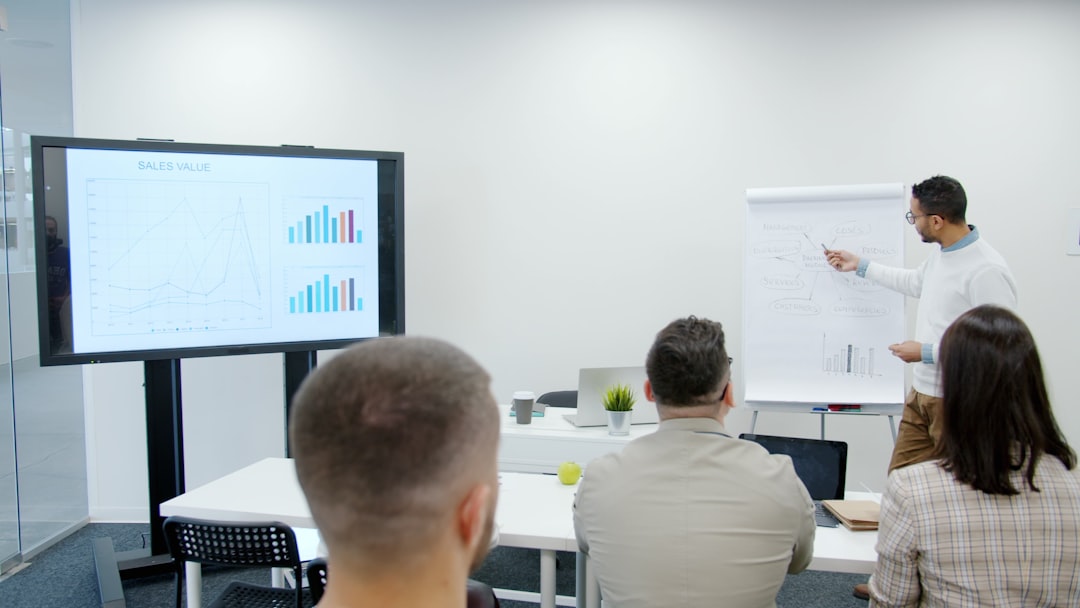
The processing workflow shifts from a yearly event to an ongoing cycle. Goal setting initiates the cycle, aligned with company objectives. Subsequently, regular check-ins (weekly or bi-weekly) occur between manager and employee. These conversations are documented briefly. Quarterly, a more formal review assesses progress against goals and adjusts them if needed. Annually, a summary conversation focuses on development and career growth.
Data processing must respect privacy and utility. Access controls ensure only relevant managers and HR view employee data. Furthermore, employees should have full access to their own records. Analytics aggregate anonymized data to identify organizational trends. For example, they can reveal common skill gaps across departments. This informs strategic training investments.
- Create simple digital templates for goal-setting (SMART criteria) and check-in notes.
- Establish a clear protocol for documenting and storing feedback from multiple sources.
- Define retention policies for performance data in accordance with local regulations.
- Implement workflows for acknowledging and acting on feedback received.
- Design a year-end summary process that compiles the year’s key discussions and achievements.
Integration with other processes is vital. Performance data should feed into compensation reviews, promotion decisions, and succession planning. However, timing should be deliberate. For instance, separate development conversations from salary discussions by several months. This prevents financial concerns from contaminating growth-focused dialogue. Consequently, both conversations become more productive and honest.
Performance Management System Modernization Implementation Timeline
A realistic implementation timeline spans six to twelve months. Rushing the process risks poor adoption and cultural rejection. Phase 1 (Months 1-2) involves assessment and design. Conduct stakeholder interviews and benchmark against U.S. Department of Commerce trade resources on best practices. Furthermore, form a cross-functional design team to create the new framework.
Phase 2 (Months 3-4) focuses on tooling and training. Select and configure technology platforms. Simultaneously, develop training materials for managers and employees. Pilot the new process with a volunteer department. Moreover, gather detailed feedback from this pilot group. Use this input to refine processes and training before broad launch.
Phase 3 (Months 5-6) marks the full organizational rollout. Communicate the launch extensively through multiple channels. Deliver training sessions to all people managers first, then all employees. Additionally, provide ongoing support through HR business partners and online resources. Monitor adoption metrics closely and be prepared to offer additional coaching.
- Month 1: Secure sponsorship, form project team, conduct current state analysis.
- Month 2: Design new process principles, governance, and conversation guides.
- Month 3: Select technology vendor, begin developing training curriculum.
- Month 4: Run pilot program, gather feedback, finalize all materials.
- Month 5: Launch manager training, begin company-wide communication campaign.
- Month 6: Full system go-live, provide hyper-care support, collect early adoption data.
Phase 4 (Months 7-12) is about reinforcement and optimization. Recognize teams and managers using the new system effectively. Share success stories to reinforce positive behaviors. Furthermore, analyze performance and engagement data to measure impact. After one full cycle, convene a review team to recommend process improvements. This continuous improvement mindset should be baked into the system itself.
Common Challenges and Solutions
Resistance from managers is a frequent obstacle. Many are comfortable with the old annual ritual. Furthermore, they may fear increased time commitment. The solution involves clear communication of benefits and dedicated upskilling. Demonstrate how continuous management actually saves time by preventing major issues. Provide them with easy-to-use scripts and tools to build confidence.
Employee skepticism presents another challenge. Workers may suspect the new system is just a sneaky way to increase monitoring. Transparency is the antidote. Clearly explain how the system benefits their career growth. Moreover, give them control over their development plans. Ensure feedback is a two-way street where they can also assess managerial support.
Technology adoption hurdles can derail implementation. Employees may avoid logging into yet another platform. Therefore, choose user-friendly, integrated systems. Ideally, the performance tool should live within an existing daily work platform. Additionally, provide multiple channels for feedback (not just the system). Recognize that the process is primary; technology is merely an enabler.
- Challenge: Inconsistent application across departments. Solution: Establish calibration committees where leaders review ratings and feedback quality together.
- Challenge: Linking continuous data to annual compensation decisions. Solution: Use quarterly performance snapshots as objective inputs, avoiding recency bias.
- Challenge: Maintaining momentum after launch. Solution: Embed accountability by tracking check-in frequency in leadership dashboards.
- Challenge: Cultural resistance to frequent feedback. Solution: Adapt training to local communication styles, emphasizing constructive, respectful dialogue.
- Challenge: Data overload. Solution: Train managers to focus on key trends and patterns, not every data point.
Sustaining the change requires ongoing attention. Leadership must consistently model the new behaviors. Furthermore, HR should integrate the new philosophy into all talent processes—from hiring to exit. Celebrate when the system identifies and develops talent successfully. Over time, continuous performance management becomes simply “the way we manage our people,” embedded in the organizational culture.
Expert Recommendations for Success
Begin your modernization journey with a clear “why” tied to business strategy. Is the goal to improve agility, increase retention, or drive higher performance? This strategic anchor guides all subsequent decisions. Furthermore, it helps communicate the change compellingly to the organization. Leaders must articulate this “why” repeatedly throughout the journey.
Invest heavily in manager capability building. The manager’s role is the most transformed in a continuous system. They need coaching, feedback, and difficult conversation skills. Therefore, dedicate significant training budget and time to this group. Consider creating a manager community of practice for peer learning. Additionally, hold leaders accountable for developing their managers in this new model.
Keep the process exceptionally simple, especially at the start. Complexity is the enemy of adoption. Focus on one or two key behaviors initially, like regular check-ins and goal tracking. Avoid introducing multi-rater feedback, complex competencies, and extensive forms simultaneously. You can always add sophistication later once the core habit is established. Simplicity encourages consistent use.
- Anchor the system on future-focused development, not past-focused evaluation.
- Use data from World Bank labor market reports to benchmark internal practices against regional trends.
- Protect quality conversation time by discouraging the use of performance systems for micromanagement.
- Ensure the system works for all employee types, including frontline, remote, and deskless workers.
- Regularly audit the system for bias, ensuring fairness across genders, nationalities, and departments.
Measure what matters to prove value and guide improvement. Track leading indicators like frequency of conversations and quality of goals. Also, monitor lagging indicators such as employee engagement scores and retention rates. Furthermore, analyze the correlation between performance system usage and business outcomes. Share these insights openly to build credibility and drive ongoing investment in people management excellence.
Frequently Asked Questions About Performance Management System Modernization
What is the timeline for performance management system modernization?
A full modernization typically takes 6-12 months. Furthermore, the timeline includes design, piloting, training, and rollout phases. Therefore, consult our specialists for a tailored project plan.
What documentation is required for this talent management process?
Required documents include goal-setting agreements, check-in notes, feedback records, and development plans. Additionally, year-end summaries replace traditional appraisal forms. Moreover, digital platforms help organize this living documentation.
What are typical costs for modernizing our performance framework?
Costs vary by organization size, technology choice, and scope of training. Furthermore, investments include software licenses, change management, and capability building. Therefore, request detailed quotations from expert partners like Allianze HR.
How does Allianze HR ensure compliance during this change?
We maintain Ministry-approved RA license status. Additionally, our team monitors GCC labor law changes relevant to performance management. Moreover, we design processes that enhance, not compromise, legal defensibility.
Which GCC countries does Allianze serve for HR modernization projects?
We provide HR consultancy services across UAE, Saudi Arabia, Qatar, Kuwait, Bahrain, and Oman. Furthermore, our expertise is grounded in practical, regional implementation experience.