


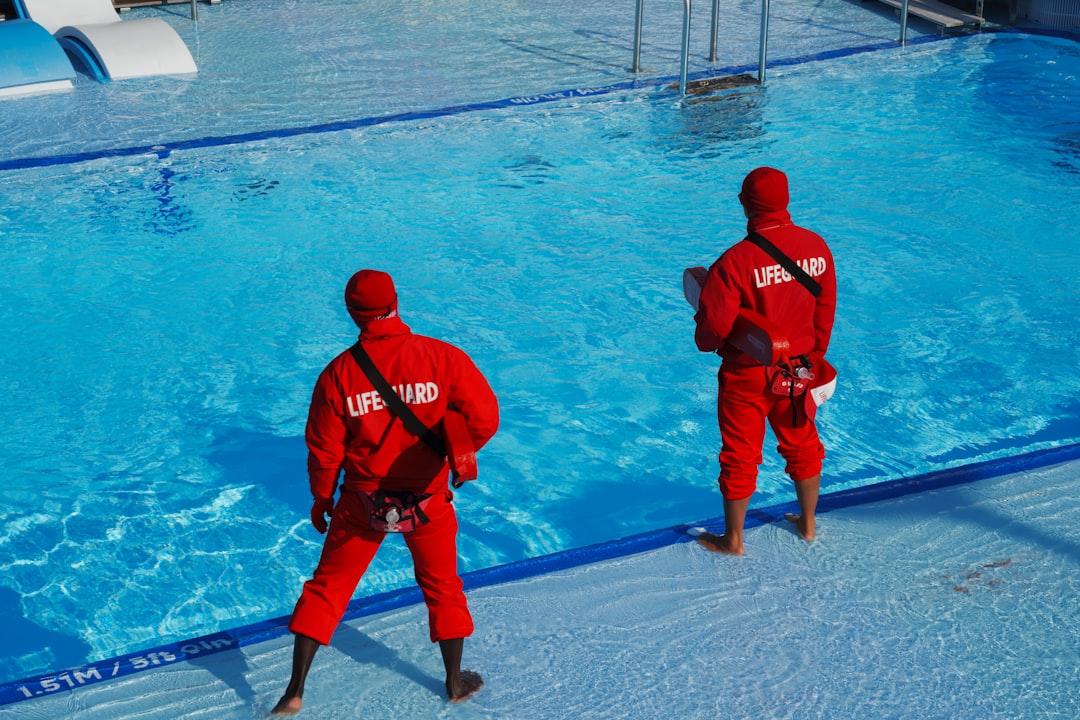
How can hospitality and leisure businesses in the GCC ensure their aquatic facilities are both safe and compliant? The answer lies in a strategic and meticulous approach to recruiting qualified pool lifeguards and aquatic safety teams. This specialized talent acquisition process is critical for hotel swimming pool rescue and monitoring operations. Furthermore, it directly impacts guest safety, brand reputation, and legal liability. Therefore, understanding the nuances of pool lifeguards aquatic safety team hiring is essential for any employer operating pools, water parks, or beach clubs across the Gulf region.
The GCC’s thriving tourism and hospitality sector demands exceptional aquatic safety standards. Hotels, resorts, and private clubs feature expansive pool complexes. Consequently, the need for vigilant, certified lifeguards has never been greater. Moreover, regional regulations are becoming increasingly stringent. Employers must navigate complex compliance landscapes while sourcing skilled personnel. This guide provides a comprehensive roadmap for successful recruitment and deployment.
At Allianze HR Consultancy, we’ve successfully placed 10,000+ professionals across UAE, Saudi Arabia, Qatar, and Kuwait. Furthermore, our 5+ years of GCC expertise supports clients from 50+ countries. Our specialized recruitment teams understand the unique demands of aquatic safety roles. Moreover, our Ministry of External Affairs (India) RA license ensures full compliance throughout the hiring process. Therefore, contact our recruitment specialists for expert guidance on building your elite aquatic safety team.
Understanding GCC Aquatic Safety and Rescue Standards
Aquatic safety in the Gulf Cooperation Council states operates under a dual framework. First, international best practices from bodies like the International Life Saving Federation apply. Second, each country and emirate enforces its own municipal codes. For instance, Dubai’s Department of Tourism and Commerce Marketing has specific guidelines for hotel pools. Similarly, Abu Dhabi’s Department of Culture and Tourism mandates strict safety protocols. Therefore, employers must be aware of local variations.
Key standards typically include mandatory lifeguard-to-patron ratios. These ratios vary based on pool size and usage. Additionally, required certifications often include valid first-aid, CPR, and AED training. Furthermore, specialized rescue techniques for specific environments are crucial. For example, beachfront resorts require open water rescue skills. Consequently, a one-size-fits-all recruitment approach fails. Employers need tailored strategies for their specific facility type and location.
- Mandatory lifeguard-to-swimmer ratios as per local municipality laws.
- Recognition of international certifications (e.g., RLSS, ASHI, Red Cross).
- Regular equipment audits for rescue tubes, backboards, and first-aid kits.
- Continuous professional development and in-service training requirements.
- Clear protocols for incident reporting and emergency response coordination.
Partnering with a knowledgeable recruiter ensures these standards are met. Moreover, it prevents costly compliance violations. Ultimately, a proactive approach to standards understanding forms the foundation of safe operations.
Pool Lifeguards Aquatic Safety Team Hiring Strategic Overview
A successful pool lifeguards aquatic safety team hiring strategy extends beyond filling vacancies. It involves building a cohesive, trained, and motivated unit. First, define the specific roles needed. Positions may include head lifeguards, shallow water attendants, and beach safety officers. Next, identify the required skill levels and certifications for each role. Furthermore, consider seasonal demand fluctuations common in GCC tourism. This foresight allows for strategic workforce planning.
Additionally, the recruitment process must assess both hard and soft skills. Technical proficiency in water rescue is non-negotiable. However, vigilance, communication, and customer service skills are equally vital. Lifeguards often serve as the first point of guest interaction. Therefore, their professionalism reflects directly on your establishment. Moreover, cultural sensitivity is paramount in the diverse GCC environment. A strategic overview aligns hiring with broader business and safety objectives.
- Conduct a facility risk assessment to determine staffing needs.
- Develop detailed job descriptions outlining all duties and requirements.
- Establish competitive compensation packages to attract top talent.
- Create a clear career progression path to aid retention.
- Integrate hiring with ongoing training and performance evaluation systems.
This strategic framework ensures your aquatic safety team is robust and effective. Consequently, it transforms hiring from an administrative task into a value-driven investment.
Legal Framework and Compliance Standards for Recruitment
Navigating the legal framework is a critical component of aquatic staff recruitment. GCC labor laws govern employment contracts, working hours, and benefits. Simultaneously, industry-specific regulations from tourism and civil defense authorities apply. For example, the Saudi Ministry of Labor sets general employment rules. Meanwhile, the Saudi Commission for Tourism and National Heritage may set additional safety standards. Therefore, employers must reconcile multiple regulatory bodies.
Visa and work permit processing for lifeguards follows standard GCC procedures. However, additional clearances may be required for roles involving public safety. Documentation typically includes attested educational certificates, professional credentials, and clean criminal records. Moreover, medical fitness tests are mandatory, often including specific assessments for aquatic roles. Failure to comply can result in fines, operational restrictions, or even facility closure. Hence, meticulous attention to legal detail is non-negotiable.
International references like the International Labour Organization hospitality standards provide useful benchmarks. Furthermore, resources from the UN World Tourism Organization highlight global best practices. Aligning with these standards demonstrates a commitment to excellence. It also future-proofs your operations against evolving regulations. Ultimately, legal compliance is the bedrock of sustainable and ethical recruitment.
Pool Lifeguards Aquatic Safety Team Hiring Best Practices
Implementing best practices streamlines the pool lifeguards aquatic safety team hiring process. First, leverage specialized recruitment channels. These include partnerships with international lifesaving federations and sports academies. Additionally, use targeted job portals focused on safety and hospitality professionals. Furthermore, conduct rigorous, multi-stage assessments. Practical water tests should evaluate rescue speed, technique, and endurance. Scenario-based interviews can assess decision-making under pressure.
Moreover, prioritize candidates with experience in high-volume environments. GCC hotel pools often serve hundreds of guests daily. This demands exceptional crowd management and vigilance skills. Also, verify all certifications directly with issuing bodies. Fraudulent credentials pose a significant risk. Subsequently, invest in comprehensive onboarding. This process should cover property-specific emergency action plans, facility layouts, and communication systems. A thorough onboarding integrates new hires into your safety culture seamlessly.
- Utilize video interviews to pre-screen candidates from abroad efficiently.
- Implement peer-interview stages with existing senior lifeguard team members.
- Require demonstration of rescue skills on-site or via verified video assessment.
- Check references specifically for reliability, attitude, and teamwork feedback.
- Develop a standardized scoring matrix to ensure objective candidate comparison.
These best practices elevate the quality of your hires. Therefore, they directly enhance the safety and professionalism of your aquatic facility.
Documentation and Visa Processing Steps
Accurate documentation is the engine of successful international recruitment. The process begins with the offer letter and employment contract. These documents must detail all terms, as per GCC labor law. Next, gather the candidate’s personal and professional documents. Essential items include passports, photographs, attested diplomas, and lifeguard certification. Furthermore, experience letters from previous employers must be attested. This step verifies the candidate’s practical background.
Visa processing involves several government entities. Typically, it requires approval from the Ministry of Human Resources, Ministry of Interior, and Health Authority. Each stage demands specific forms and fees. Moreover, medical screenings for infectious diseases are mandatory. For aquatic staff, additional tests for fitness and non-communicable skin conditions may apply. Subsequently, the candidate receives an entry permit, travels to the GCC country, and completes resident visa stamping.
Resources like the UAE visa and immigration services portal provide official checklists. Additionally, understanding International Labour Organization standards ensures ethical processing. Partnering with an expert like Allianze HR mitigates errors. Our team manages the entire documentation chain. Consequently, employers gain peace of mind and faster deployment times.
Pool Lifeguards Aquatic Safety Team Hiring Implementation Timeline
A realistic timeline is crucial for planning your pool lifeguards aquatic safety team hiring campaign. The entire process, from job posting to deployment, typically spans 6 to 10 weeks. However, this duration depends on several factors. First, the sourcing phase takes 2-3 weeks to attract and shortlist qualified candidates. Complex roles or niche skills may extend this period. Next, the assessment and selection stage requires 1-2 weeks for interviews and testing.
Furthermore, documentation preparation and visa processing consume 3-5 weeks. This phase has the most variability. Delays can occur due to attestation backlogs or medical screening appointments. Therefore, building buffer time into your schedule is wise. Meanwhile, parallel planning for accommodation and uniforms should occur. Finally, onboarding and site-specific training take 1 week upon the candidate’s arrival. A structured timeline prevents operational gaps in your safety coverage.
- Weeks 1-3: Job marketing, candidate sourcing, and initial screening.
- Weeks 4-5: In-depth interviews, practical assessments, and final selection.
- Weeks 6-9: Document attestation, visa application, and medical processing.
- Week 10: Travel coordination, arrival, and intensive on-site orientation.
- Ongoing: Continuous training and performance reviews post-deployment.
Adhering to this structured timeline ensures a smooth recruitment flow. Moreover, it allows for the necessary due diligence at every stage.
Common Challenges and Proactive Solutions
Recruiting aquatic safety staff presents unique challenges. First, certification fraud is a persistent industry issue. Some candidates present falsified lifeguarding credentials. The solution involves direct verification with training providers. Additionally, practical skills assessments are indispensable. Second, high turnover can plague seasonal markets. Offering career development, cross-training, and attractive benefits enhances retention. Moreover, creating a positive team culture is vital.
Another common challenge is language barrier. Lifeguards must communicate clearly in emergencies. Therefore, include language proficiency tests in your hiring process. Specifically, assess command of English and, where relevant, Arabic. Furthermore, cultural adaptation can be difficult for new hires. Providing robust pre-arrival information and mentorship programs eases this transition. These initiatives help integrate international staff into the GCC work environment.
Compliance with evolving local safety codes is also challenging. Regulations can change with little notice. The solution is to maintain strong relationships with municipal authorities. Additionally, subscribe to official updates from tourism ministries. Resources from the Dubai tourism employment standards portal are invaluable. Proactively addressing these challenges minimizes risk. Consequently, it ensures a stable and competent aquatic safety workforce.
Expert Recommendations for Hiring Success
To achieve long-term success, adopt a holistic view of your aquatic team. First, treat lifeguards as safety professionals, not just pool attendants. This mindset influences compensation, training, and respect. Invest in advanced training for your team regularly. For example, courses in oxygen administration or spinal injury management add value. Furthermore, encourage certification upgrades. This commitment to professional growth boosts morale and capability.
Next, integrate technology into your safety and monitoring protocols. Use surveillance systems to support visual scanning. Additionally, implement digital logbooks for incident reporting and equipment checks. Also, foster strong communication between the aquatic team and other hotel departments. Security, front desk, and facilities management should collaborate seamlessly. Regular joint drills reinforce this coordination. These practices create a comprehensive safety net.
Finally, choose your recruitment partner carefully. Select an agency with specific experience in hospitality and safety roles. They should understand the operational pressures of a busy resort. Explore our professional recruitment resources for deeper insights. Moreover, a good partner offers post-placement support. This ensures any issues are resolved quickly. Following these expert recommendations builds a resilient, highly effective aquatic safety department.
Frequently Asked Questions About Pool Lifeguards Aquatic Safety Team Hiring
What is the timeline for pool lifeguards aquatic safety team hiring?
The complete timeline typically ranges from 6 to 10 weeks. This period covers sourcing, assessment, visa processing, and deployment. Furthermore, complex documentation can affect the duration. Therefore, consult our specialists for a project-specific estimate.
What certifications are required for aquatic safety staff in the GCC?
Mandatory certifications usually include valid lifeguarding, CPR, First Aid, and AED credentials. Additionally, specific countries may require local authority approval. Moreover, specialized training for waterpark attractions or beach rescue is often needed.
How do you verify international lifeguard certifications?
Verification involves contacting the issuing organization directly. Furthermore, we conduct practical skills assessments to validate competency. Additionally, checking the candidate’s training record with the provider confirms authenticity.
What are the key traits of a successful hotel pool lifeguard?
Beyond technical skill, key traits include exceptional vigilance, strong communication, customer service orientation, and teamwork. Moreover, physical fitness and the ability to remain calm under extreme pressure are critical.
Can Allianze HR assist with bulk hiring for a new resort opening?
Absolutely. We specialize in volume recruitment for new hospitality projects. Our process includes workforce planning, batch sourcing, coordinated visa processing, and group onboarding to meet your opening deadline efficiently.
How does Allianze ensure compliance with GCC labor and safety laws?
We maintain an active RA license and our team continuously monitors regulatory updates across all GCC states. Furthermore, we integrate compliance checkpoints at every stage of the recruitment and documentation process.
Partner with Allianze HR for Aquatic Safety Recruitment Success
Building a proficient aquatic safety team is a multifaceted endeavor. It requires blending rigorous recruitment with deep regulatory knowledge. Throughout this guide, we’ve explored the strategic, legal, and practical dimensions of pool lifeguards aquatic safety team hiring. From understanding GCC-specific standards to navigating visa procedures, each step is crucial. Moreover, adopting best practices in assessment and onboarding directly impacts team performance and guest safety.
The complexities of this process highlight the value of expert partnership. Allianze HR Consultancy provides end-to-end solutions tailored to the hospitality sector. We manage the entire recruitment lifecycle. Consequently, you can focus on your core operations with confidence. Our proven track record across the Gulf ensures your facility is staffed with qualified, compliant, and professional safety personnel.
Do not leave the safety of your guests and the compliance of your facility to chance. Take proactive steps to secure your aquatic operations today.