


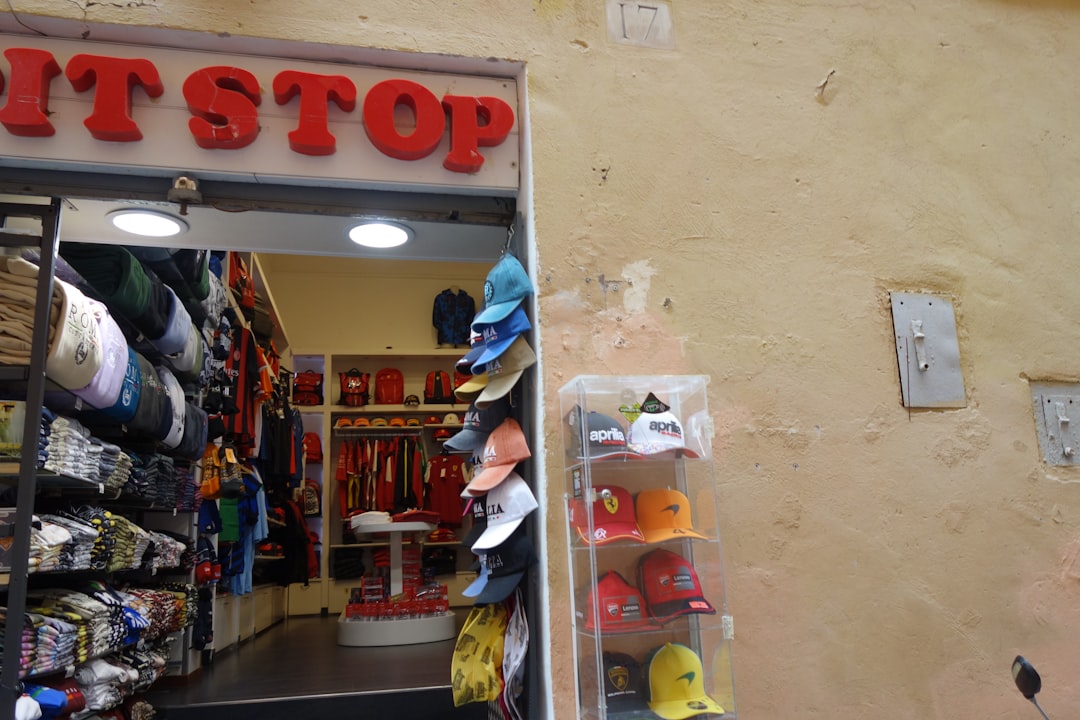
How can brands in the Gulf’s dynamic retail landscape execute flawless temporary activations? Pop-up stores and short-term retail events offer unparalleled engagement opportunities. However, their success hinges entirely on securing the right temporary workforce. Consequently, mastering pop-up store staffing temporary retail strategies becomes a critical competitive advantage. This guide provides a comprehensive roadmap for GCC employers.
The GCC retail sector thrives on innovation and experience-driven marketing. Furthermore, seasonal peaks, festivals, and product launches drive demand for flexible staffing. Moreover, regional markets like Dubai, Riyadh, and Doha host numerous high-profile brand activations. Therefore, accessing a reliable pool of short-term retail talent is essential. Understanding local labor nuances ensures both operational success and full legal compliance.
At Allianze HR Consultancy, we’ve successfully placed 10,000+ professionals across UAE, Saudi Arabia, Qatar, and Kuwait. Furthermore, our 5+ years of GCC expertise supports clients from 50+ countries. Moreover, our Ministry of External Affairs (India) RA license ensures compliance. Therefore, contact our recruitment specialists for expert guidance on your next retail activation.
Understanding GCC Temporary Retail Workforce Dynamics
The GCC’s retail environment is uniquely fast-paced and diverse. First, consumer expectations for experiential retail are exceptionally high. Second, labor regulations governing short-term contracts vary by emirate and kingdom. Additionally, cultural and linguistic competencies are non-negotiable for customer-facing roles. Therefore, a one-size-fits-all staffing approach fails.
Successful activations require staff who are brand ambassadors. They must possess product knowledge, sales agility, and local market insight. Moreover, the transient nature of pop-ups demands rapid onboarding. Consequently, pre-vetted talent pools with activation experience offer the best solution. Partnering with a specialist recruiter streamlines this entire process significantly.
- High demand during Ramadan, National Day, and major shopping festivals.
- Need for multilingual staff in key markets like UAE and Qatar.
- Strict regulations on work hours and contract types for temporary positions.
- Importance of cultural sensitivity and local consumer behavior knowledge.
- Logistical challenges of accommodating short-term staff in event locations.
Furthermore, International Labour Organization hospitality standards provide a framework for fair temporary work. Additionally, local ministries enforce specific guidelines for event-based employment. Hence, compliance is as crucial as capability in the recruitment process.
Pop-Up Store Staffing Temporary Retail Strategic Overview
A strategic approach to pop-up store staffing temporary retail projects transforms potential chaos into a seamless operation. Initially, define the activation’s core objectives and key performance indicators. Subsequently, translate these goals into specific staff competencies and role requirements. This clarity guides the entire recruitment and deployment timeline effectively.
Furthermore, consider the staffing model that best fits your event. Options include fixed-term contracts, agency-supplied teams, or a hybrid model. Each choice carries different implications for cost, control, and compliance. Moreover, the event’s duration and location heavily influence this decision. For instance, a weekend mall activation differs vastly from a month-long exhibition stand.
- Role Definition: Sales associates, brand ambassadors, cashiers, floor managers.
- Shift Planning: Aligning staff schedules with peak footfall and event hours.
- Training Scope: Product knowledge, brand story, POS systems, and compliance briefings.
- Performance Metrics: Sales targets, customer interaction quality, lead generation.
- Contingency Planning: Backup staff for no-shows or unexpected demand surges.
Therefore, early engagement with a recruitment partner is invaluable. They provide access to pre-screened candidates familiar with the high-pressure event environment. Additionally, they manage payroll, contracts, and legalities. This allows your brand team to focus entirely on the customer experience and event execution.
Legal Framework and Compliance Standards for Short-Term Hires
Navigating the legal landscape for temporary retail staff in the GCC is complex. Each country has distinct regulations governing short-term employment, visas, and work permits. For example, UAE may require specific permits for event-based work. Similarly, Saudi Arabia’s labor laws have precise provisions for fixed-term contracts. Non-compliance risks fines, event shutdowns, and reputational damage.
Firstly, ensure all temporary staff have the legal right to work for the event’s duration. This often involves obtaining temporary work permits or leveraging existing visa sponsorships. Secondly, employment contracts must clearly outline the temporary nature of the role. They must specify start/end dates, compensation, working hours, and termination conditions. Moreover, these contracts must align with local labor law mandates.
Key compliance documents include:
- Ministry-approved temporary employment contract.
- Copy of employee’s valid ID and residency visa (if applicable).
- Event permit from relevant authorities (e.g., DTCM in Dubai).
- Medical insurance coverage for the employment period.
- Signed acknowledgment of company policies and code of conduct.
Additionally, UAE visa and immigration services outline official requirements. Furthermore, resources like the Saudi Ministry of Labor regulations are essential references. Partnering with a licensed consultancy like Allianze ensures every box is checked. We manage the entire compliance workflow, providing peace of mind.
Pop-Up Store Staffing Temporary Retail Best Practices
Implementing industry best practices elevates your pop-up store staffing temporary retail initiative from good to exceptional. Start recruitment well in advance of the event date. This allows time for thorough screening, interviewing, and onboarding. Rushed hiring often leads to mismatched skills and poor brand representation.
Secondly, invest in a condensed yet comprehensive training program. Even for short-term roles, staff must embody the brand and understand the product. Training should cover brand ethos, key selling points, customer service protocols, and basic troubleshooting. Additionally, include a site-specific briefing on logistics, safety, and point-of-sale systems.
- Conduct video interviews to assess communication skills and presentation.
- Use role-playing scenarios to evaluate sales and problem-solving abilities.
- Create a detailed event brief and handbook for all staff.
- Assign team leads or supervisors for on-site management and support.
- Implement a real-time communication channel (e.g., group chat) for the team.
Moreover, prioritize staff welfare to maintain high energy and motivation. Provide clear break schedules, comfortable facilities, and appropriate meals or allowances. A well-cared-for team delivers superior customer experiences. Finally, gather post-event feedback from both staff and managers. This insight refines your strategy for future activations. Explore our professional recruitment resources for more detailed checklists.
Documentation and Processing Steps for Event Staff
Meticulous documentation is the backbone of compliant temporary staffing. The process begins with candidate selection and proceeds through to post-event settlement. First, collect all necessary candidate documents: CV, passport copy, visa page, and photograph. Next, prepare the temporary employment contract adhering to local law templates.
Subsequently, submit applications for any required temporary work permits or event approvals. This step can involve multiple government portals and may take several days. Meanwhile, coordinate logistics like uniforms, access badges, and site inductions. Keeping a centralized tracker for each staff member’s document status prevents oversights.

Essential processing steps include:
- Document Collection & Verification.
- Contract Drafting & Signing.
- Work Permit/Approval Application.
- Pre-Event Briefing & Training Confirmation.
- On-Site Attendance & Performance Logging.
- Final Settlement & Experience Certificate Issuance.
Furthermore, understanding international benchmarks is helpful. For instance, the International Labour Organization standards emphasize fair terms for temporary workers. Additionally, World Health Organization food safety guidelines may apply for F&B-related pop-ups. Proper documentation protects the worker, the brand, and ensures a smooth event closure.
Pop-Up Store Staffing Temporary Retail Implementation Timeline
A realistic timeline is crucial for successful pop-up store staffing temporary retail execution. Rushing any phase introduces risk. Ideally, begin planning 8-12 weeks before the event start date. This provides a comfortable buffer for recruitment, compliance processing, and training.
Weeks 8-12: Define strategy, finalize budgets, and engage your recruitment partner. Weeks 6-8: Launch candidate sourcing, screening, and interview processes. Weeks 4-6: Finalize selections, complete contract signing, and initiate permit applications. Weeks 2-4: Conduct training sessions and finalize all logistical arrangements. Week of Event: Execute on-site briefings, deployment, and active management.
- Phase 1 (Strategic Planning): 2-3 weeks.
- Phase 2 (Recruitment & Selection): 3-4 weeks.
- Phase 3 (Compliance & Onboarding): 2-3 weeks.
- Phase 4 (Training & Logistics): 1-2 weeks.
- Phase 5 (Event Execution & Wrap-up): Event duration + 1 week.
Therefore, proactive planning is non-negotiable. Delays in permit approvals or candidate availability are common. Having a structured timeline with clear milestones mitigates these risks. Moreover, it ensures your staff are prepared, not just present. UN World Tourism Organization insights on seasonal tourism can also inform timing for retail events.
Common Challenges and Proactive Solutions
Even with perfect planning, temporary retail staffing faces predictable challenges. Firstly, last-minute candidate dropouts can jeopardize an event. The solution is to recruit a bench of backup staff, typically 10-20% above requirement. Secondly, unclear role definition leads to confused staff and operational gaps. Providing detailed, written role profiles and on-site supervision solves this.
Another frequent issue is compliance oversights with local labor authorities. Partnering with a licensed agency transfers this liability and ensures adherence. Additionally, managing the performance of short-term staff can be difficult. Implementing simple, clear KPIs and providing real-time feedback keeps the team focused and accountable.
- Challenge: High turnover or no-shows. Solution: Offer competitive pay, clear communication, and a positive work environment.
- Challenge: Inconsistent brand representation. Solution: Invest in immersive training and provide detailed brand guidelines.
- Challenge: Payroll and payment delays. Solution: Use a professional agency to handle prompt, accurate payroll processing.
- Challenge: Logistical disorganization. Solution: Appoint a dedicated on-site coordinator from the staffing partner.
Furthermore, understanding broader sector trends helps. Reports from the World Bank tourism sector reports can reveal consumer behavior shifts. Proactively addressing these common pitfalls ensures your activation runs smoothly and achieves its objectives.
Expert Recommendations for Activation Success
To maximize return on investment for temporary retail events, follow expert recommendations. First, treat temporary staff as integral brand team members, not disposable labor. Their engagement directly impacts sales and customer perception. Therefore, include them in launch briefings and recognize top performers.
Second, leverage technology for efficiency. Use digital onboarding platforms for paperwork. Utilize scheduling apps for shift management. Implement mobile-friendly training modules. These tools streamline administration and improve the staff experience. Moreover, they provide valuable data for post-event analysis.
Finally, build a long-term relationship with a specialized recruitment partner. They develop a deep understanding of your brand and can quickly mobilize suitable talent. This turns staffing from a recurring headache into a strategic asset. A reliable partner also navigates the evolving GCC regulatory landscape on your behalf.
- Integrate staff performance data with overall event ROI analysis.
- Create a talent pool of exceptional temporary workers for future events.
- Stay informed on local labor law amendments affecting short-term contracts.
- Benchmark your practices against Dubai tourism employment standards for excellence.
- Always conduct a post-mortem to capture lessons learned.
Frequently Asked Questions About Pop-Up Store Staffing Temporary Retail
What is the typical timeline for pop-up store staffing temporary retail?
A complete timeline typically spans 8-12 weeks. This allows for strategic planning, candidate sourcing, compliance processing, and training. Furthermore, complex events or peak seasons may require more lead time. Therefore, consult our specialists early for accurate planning.
What are the key legal requirements for short-term retail events?
Key requirements include a ministry-approved temporary contract, valid work permits for the event duration, and event-specific approvals from local authorities. Additionally, medical insurance and clear terms of employment are mandatory. Compliance varies significantly between GCC countries.
How can we ensure quality and brand alignment with temporary staff?
Implement a rigorous screening process including video interviews and role-play assessments. Furthermore, develop a comprehensive, brand-specific training program. Moreover, assign on-site brand ambassadors or supervisors to provide continuous coaching and feedback during the event.
What are the cost components for temporary retail staffing?
Costs include staff wages, recruitment agency fees, work permit/visa costs, uniform expenses, and training investment. Additionally, potential overtime payments and performance incentives should be budgeted. A detailed quotation from your staffing partner clarifies all financial components.
Can temporary staff be converted to permanent roles?
Yes, if both parties agree and the proper legal process is followed. Converting a temporary contract to a permanent one requires canceling the temporary permit and initiating a standard employment visa process. This involves new contracts and compliance steps.
Why partner with Allianze HR for event staffing?
We provide end-to-end management, from compliant recruitment and onboarding to payroll and performance oversight. Our GCC expertise, licensed status, and vast talent network ensure you get brand-ready staff who comply with all local regulations, letting you focus on the event itself.