


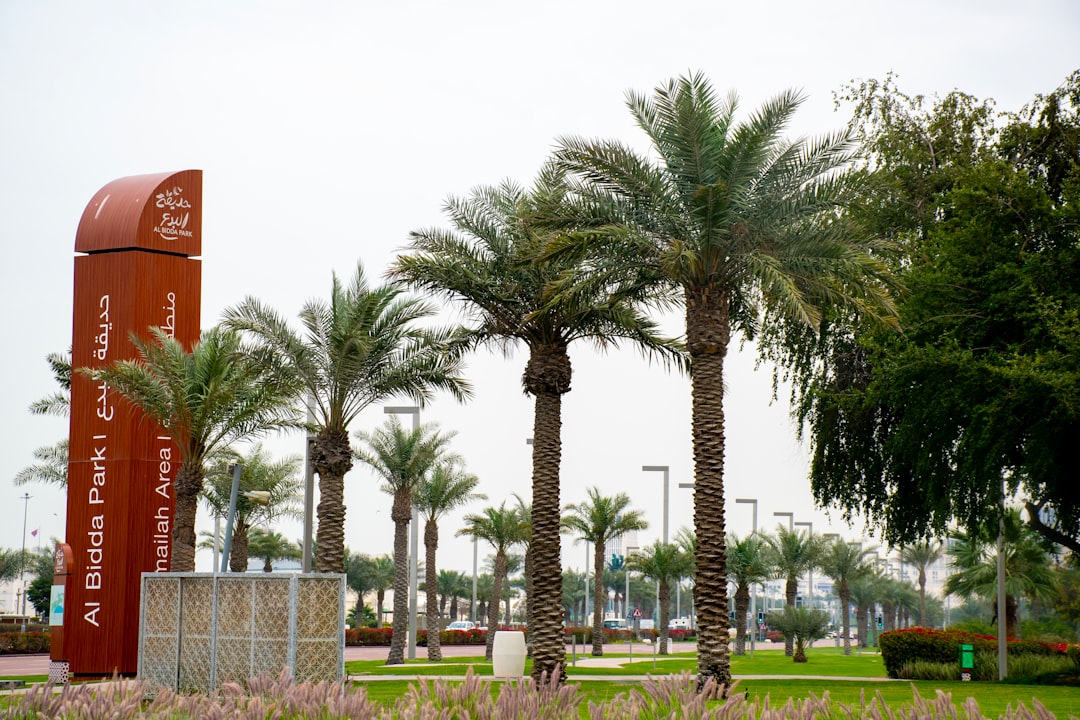
How can construction firms and educational institutions successfully navigate the massive talent demands of Qatar’s Education City campus expansion? This ambitious project by Qatar Foundation represents a pinnacle of educational facility construction in the GCC. Consequently, it requires a specialized, compliant, and highly skilled workforce. The Qatar Education Campus Expansion initiative demands strategic recruitment planning and deep regional expertise. Therefore, understanding the project’s scope and workforce requirements is essential for any employer or contractor involved.
Educational facility construction in Qatar operates within a unique framework of national vision and international standards. Furthermore, projects like Education City prioritize sustainable development and cutting-edge academic infrastructure. Additionally, the integration of world-class university branches creates complex technical and managerial staffing needs. Moreover, Qatar’s labor laws and visa regulations add layers of compliance that must be meticulously followed. Successfully contributing to this landmark development requires a partner with proven GCC recruitment experience.
At Allianze HR Consultancy, we’ve successfully placed 10,000+ professionals across UAE, Saudi Arabia, Qatar, and Kuwait. Furthermore, our 5+ years of GCC expertise supports clients from 50+ countries. Moreover, our Ministry of External Affairs (India) RA license ensures compliance. Therefore, contact our recruitment specialists for expert guidance on staffing your part of this transformative project.
Understanding Major GCC Infrastructure Project Staffing
Major projects like the Education City expansion drive significant economic and developmental progress. Specifically, they require a multi-tiered workforce strategy. First, project management and supervisory roles demand international experience. Second, technical trades need certified specialists in MEP, civil works, and finishing. Third, sustainable construction expertise, particularly in LEED certification, is paramount. Finally, a large contingent of skilled and semi-skilled labor forms the project’s backbone.
Furthermore, Qatar’s National Vision 2030 emphasizes knowledge economy development. Consequently, educational infrastructure receives prioritized funding and attention. Additionally, these projects often have accelerated timelines tied to national milestones. Moreover, worker welfare standards are exceptionally high, reflecting Qatar’s commitment to international best practices. Therefore, recruitment partners must understand both the technical and humanitarian aspects of staffing.
Key staffing tiers for such projects include:
- Project Directors and Senior Managers with mega-project experience.
- LEED Accredited Professionals (AP) and Sustainability Consultants.
- Architects, Civil Engineers, and MEP Engineers familiar with educational designs.
- Quality Control and Health & Safety Officers with GCC certification.
- Skilled Tradespeople (electricians, plumbers, HVAC technicians).
- Administrative and facility management support staff.
Qatar Education Campus Expansion Strategic Overview
The strategic approach to the Qatar Education Campus Expansion must align with Qatar Foundation’s visionary goals. This project is not merely about building classrooms. Instead, it involves creating integrated, smart, and sustainable learning ecosystems. Therefore, recruitment strategies must source talent that appreciates this pedagogical dimension. Moreover, the construction phase must seamlessly transition into facilities management and operations.
Furthermore, a phased recruitment plan is critical for managing cash flow and project sequencing. Initially, pre-construction roles like planners, estimators, and design managers are needed. Subsequently, the main construction phase requires a rapid scale-up of on-site personnel. Finally, commissioning and handover demand specialists in testing and integration. Consequently, a flexible talent pipeline is a significant competitive advantage for contractors.
Additionally, cultural and linguistic considerations are vital. Specifically, the workforce must operate effectively within Qatar’s diverse social fabric. Moreover, understanding the client’s expectations for quality and innovation is non-negotiable. Therefore, screening for both technical competency and adaptability is essential. Partnering with a recruiter who grasps these strategic nuances ensures your team contributes effectively to this national legacy project.
Legal Framework and Compliance Standards in Qatar
Navigating Qatar’s legal landscape is fundamental to project success. The country has implemented robust labor reforms, particularly leading up to and following the FIFA World Cup 2022. These reforms enhance worker protection and streamline dispute resolution. Furthermore, specific regulations govern the construction sector, including mandated accommodation standards and wage protection systems. Compliance is monitored strictly by the Ministry of Labour and other authorities.
Moreover, visa sponsorship (Qatarization) rules require careful navigation. Companies need a valid commercial registration and sufficient quota allocations. Additionally, medical screening for all incoming workers is mandatory. The process involves approvals from the Ministry of Interior (MOI) and the issuance of Qatari ID cards (QID). Therefore, administrative precision is crucial to avoid project delays.
Key compliance documents include:
- Valid company Commercial Registration (CR) and establishment card.
- Labor contract approval from the Ministry of Labour.
- Entry permits and visa applications aligned with project quotas.
- Medical fitness certificates from approved GCC centers.
- Proof of International Labour Organization standards adherence in employment contracts.
- Documentation meeting GCC-wide labor ministry regulations.
Qatar Education Campus Expansion Best Practices
Adopting industry best practices for the Qatar Education Campus Expansion ensures quality, safety, and timeliness. First, integrate sustainability goals from the earliest design stages. This requires hiring professionals accredited by the U.S. Green Building Council (USGBC) for LEED certification. Furthermore, implementing Building Information Modeling (BIM) coordination minimizes clashes and rework. Therefore, recruit BIM managers and coordinators with proven project experience.
Second, prioritize worker welfare and safety to international benchmarks. This goes beyond basic legal compliance. Specifically, it involves creating a culture of safety on-site. Moreover, providing high-standard accommodation, healthcare access, and fair grievance mechanisms is essential. Consequently, this reduces turnover and enhances productivity. Resources like the International Labour Organization construction safety guidelines provide a strong framework.
Finally, establish clear communication channels and cultural integration programs. The workforce will be multinational. Therefore, fostering mutual respect and understanding prevents conflicts. Additionally, regular skills training and upskilling initiatives keep the workforce engaged and efficient. These practices not only fulfill contractual obligations but also build a reputable and responsible brand in the competitive Qatari market.
Documentation and Processing Steps for Project Recruitment
The documentation process for mobilizing a construction workforce in Qatar is multi-stage. Initially, the employer must secure project-specific manpower quotas from the Ministry of Labour. This requires submitting the project contract and a detailed manpower plan. Subsequently, for each employee, an entry permit must be applied for and approved. This step is critical before any candidate can travel to Qatar.
Furthermore, once the employee arrives, the process shifts to residency formalities. This includes medical testing, fingerprinting, and QID card issuance. Moreover, the signed labor contract must be uploaded to the Ministry’s digital system (METRAS). This legally binds the employment terms and activates wage protection. Therefore, accuracy in contract details is paramount to avoid legal issues.
Essential processing steps include:
- Quota approval and entry permit issuance.
- Medical examination at a MOPH-approved health center.
- Fingerprinting and biometric data capture at a MOI service center.
- Labor contract attestation and QID card printing.
- Opening a bank account for the employee for WPS salary transfer.
- Safety inductions and site-specific training certifications.
Additionally, understanding regional visa frameworks helps in planning multi-country recruitment drives.
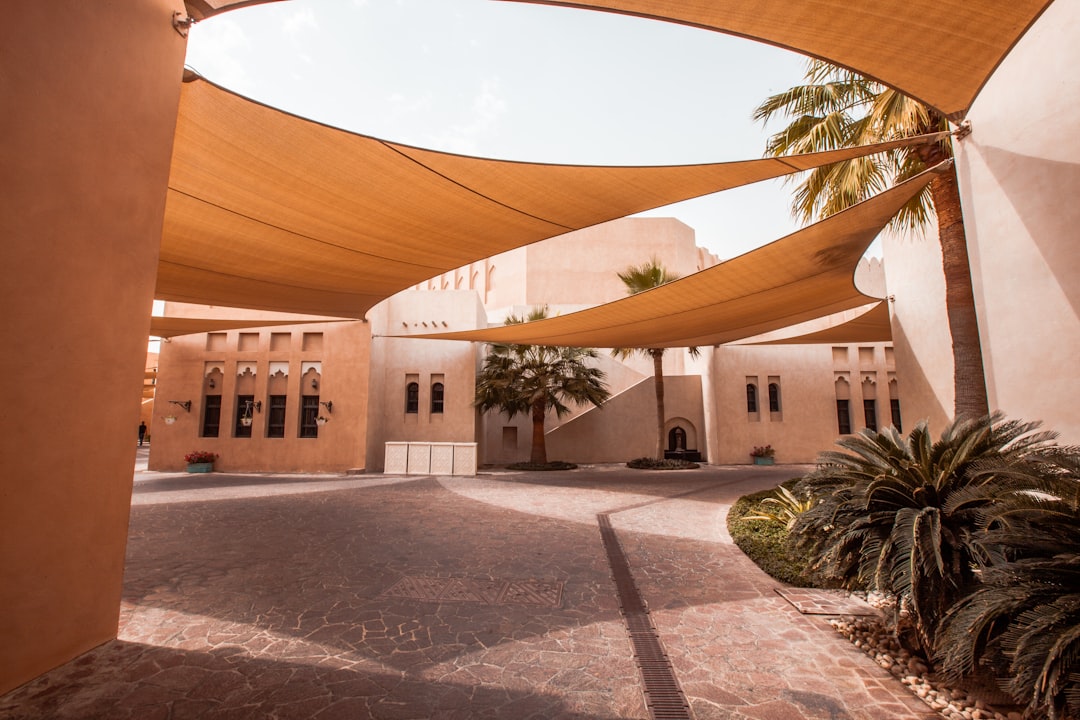
Qatar Education Campus Expansion Implementation Timeline
A realistic timeline for the Qatar Education Campus Expansion staffing is crucial for project planning. Typically, the end-to-end recruitment and mobilization process spans 8 to 14 weeks. However, this varies based on role seniority, country of origin, and existing visa quotas. For senior roles requiring extensive vetting, the timeline may extend. Conversely, bulk skilled labor recruitment can be streamlined through batch processing.
First, the planning and sourcing phase takes approximately 2-3 weeks. This involves finalizing job descriptions, advertising, and initial screening. Next, the selection and offer stage requires 1-2 weeks for interviews and negotiations. Subsequently, the pre-deployment documentation and visa process is the longest phase, taking 4-6 weeks. Finally, mobilization and onboarding on-site require 1-2 weeks for medicals, safety training, and site orientation.
Furthermore, factors like global supply chain and labor market conditions can affect timelines. Therefore, building buffer time into the project schedule is wise. Moreover, partnering with an experienced recruiter like Allianze HR can compress timelines through established processes and government liaisons. Proactive planning prevents costly project delays and ensures a smooth workforce ramp-up.
Common Challenges and Proactive Solutions
Employers face several predictable challenges in staffing mega-projects in Qatar. A primary issue is the scarcity of specialized talent with both technical skills and GCC experience. This is especially true for LEED managers and bilingual project controllers. Additionally, navigating frequent regulatory updates from Qatari ministries can be daunting. Furthermore, ensuring consistent quality across a large, diverse workforce requires robust management systems.
Moreover, retention becomes a challenge in a competitive market where multiple major projects operate simultaneously. High turnover disrupts productivity and increases costs. Another common hurdle is the complexity of the documentation chain, where a single error can reset a weeks-long process. Therefore, meticulous attention to detail is non-negotiable.
Effective solutions include:
- Developing long-term partnerships with specialized recruitment agencies for priority access to talent.
- Implementing a dedicated compliance officer or team to monitor legal changes from sources like the U.S. Department of Commerce.
- Creating attractive retention packages focusing on career development, timely promotions, and welfare.
- Utilizing digital document management platforms to track each candidate’s progress and prevent errors.
- Investing in pre-departure and post-arrival orientation to ease cultural transition.
Expert Recommendations for Project Success
To ensure your firm’s successful participation in Education City projects, follow these expert recommendations. First, engage your recruitment partner during the project bidding phase. Their insights into labor availability and cost can make your proposal more competitive. Second, prioritize quality over speed in hiring. A wrong hire in a critical role can cause disproportionate delays and cost overruns.
Third, invest in building a strong employer brand within the construction community. Showcase your commitment to safety, innovation, and worker care. Furthermore, leverage technology for remote interviewing and skills assessment to widen your talent pool. Additionally, consider cross-training programs to build versatility within your on-site team, making you more resilient to manpower fluctuations.
Finally, view compliance not as a cost but as a strategic advantage. Companies with flawless compliance records face fewer government inspections and enjoy faster processing. They also attract higher-quality talent seeking reputable employers. Therefore, allocate sufficient resources and authority to your HR and compliance teams. Explore our professional recruitment resources for deeper insights into building a world-class project team in Qatar.
Frequently Asked Questions About Qatar Education Campus Expansion
What is the timeline for Qatar Education Campus Expansion staffing?
The complete recruitment and mobilization timeline typically ranges from 8 to 14 weeks. Furthermore, this includes sourcing, visa processing, and onboarding. Therefore, integrating this timeline into your project plan is crucial for success.
Why is LEED certification expertise critical for this project?
Qatar Foundation mandates high sustainability standards for Education City. Consequently, LEED Accredited Professionals are essential for designing, constructing, and certifying buildings to these rigorous environmental and energy efficiency standards.
What are the main compliance risks in Qatari construction recruitment?
Key risks include incorrect visa categorization, contract discrepancies, and lapses in worker welfare standards. Moreover, non-compliance can lead to fines, project stoppages, and reputational damage. Therefore, expert guidance is recommended.
How does Allianze HR ensure legal compliance for such projects?
We maintain a Ministry-approved RA license and our team continuously monitors GCC labor law changes. Additionally, we conduct thorough documentation verification at every stage, ensuring alignment with both Qatari law and international labor market best practices.
Can you recruit for both skilled and managerial positions?
Absolutely. Our expertise covers the entire spectrum, from project directors and LEED consultants to skilled electricians and HVAC technicians. We build complete, multi-tiered teams tailored to the specific phases of your construction project.
What worker welfare standards are expected on Qatari mega-projects?
Standards are high and include accredited accommodation, accessible healthcare, regulated working hours, and effective grievance mechanisms. These align with reforms supported by the World Health Organization workplace standards and are strictly enforced.
Partner with Allianze HR for Campus Development Success
The Qatar Education Campus Expansion offers a unparalleled opportunity to contribute to Qatar’s future. However, its success hinges on a strategically sourced, compliant, and highly motivated workforce. Navigating the complexities of recruitment, visas, and sustainability certifications demands a partner with deep regional roots and a global perspective. Furthermore, the stakes for quality and timeliness have never been higher.
Allianze HR Consultancy provides end-to-end workforce solutions tailored to the exacting standards of Qatar Foundation projects. Our proven track record across the GCC, combined with our rigorous compliance framework, ensures your project team is built on a foundation of excellence and integrity. We handle the complexities of talent acquisition, allowing you to focus on delivering world-class educational infrastructure.
Do not let staffing challenges hinder your participation in this landmark development. Take the first step towards building your ideal project team. Contact our HR specialists today for a confidential consultation. Alternatively, schedule a consultation appointment to discuss your specific manpower needs for the Education City campus expansion and secure your role in shaping Qatar’s knowledge economy.