


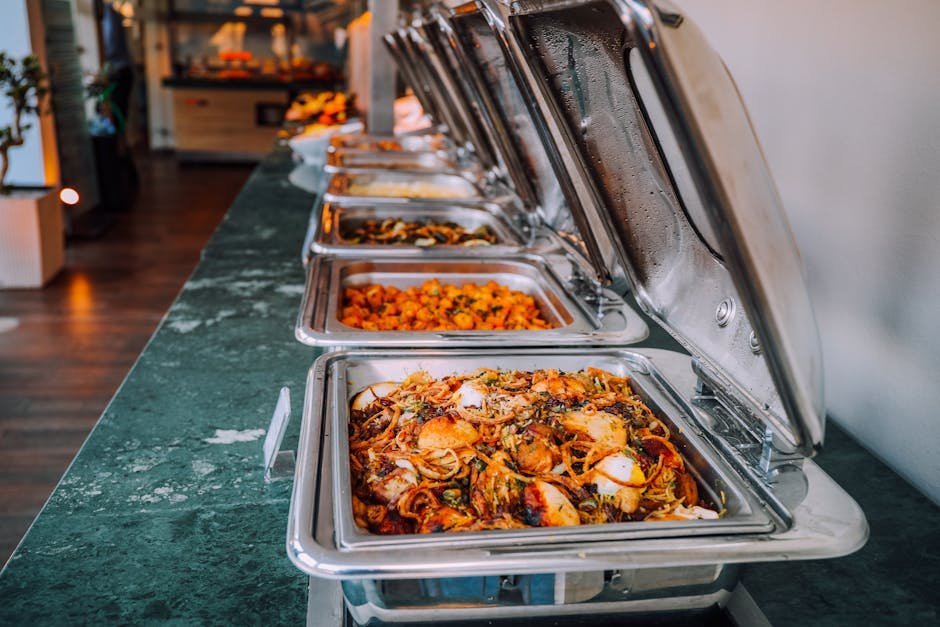
Recruiting Event Kitchen Helpers
The Critical Role of Kitchen Helpers in Mega Projects
Kitchen helpers form the backbone of any large-scale food service operation. Their duties extend far beyond basic cleaning. Specifically, they assist chefs with food prep, manage inventory, ensure sanitation compliance, and handle equipment. For a mega project, these tasks become exponentially more complex. The U.S. Bureau of Labor Statistics highlights a projected growth in food preparation jobs, emphasizing their importance. Furthermore, a well-structured kitchen team directly impacts worker morale, productivity, and overall project success. Thus, investing in quality recruitment is not an expense but a strategic necessity.
Key Challenges in Recruiting for Large-Scale Events
Recruiting for mega projects presents unique hurdles. First, the temporary nature of the work can deter long-term seekers. Second, the remote locations of many sites limit the local talent pool. Additionally, the high-pressure, high-volume environment demands specific psychological resilience. According to a National Restaurant Association report, turnover in food service remains high, complicating retention. Meanwhile, competing with local restaurants for the same talent requires creative compensation packages. Understanding these challenges is the first step toward developing effective solutions for hiring event kitchen staff.
Effective Sourcing Strategies for Kitchen Staff
Finding qualified candidates requires a multi-channel approach. Utilize specialized job boards like Culinary Agents and hospitality-focused recruiting agencies. Partner with culinary schools and vocational programs to tap into fresh talent eager for experience. Furthermore, leverage employee referral programs, as current staff often have networks of skilled peers. Social media platforms, particularly LinkedIn and Facebook groups for culinary professionals, are also invaluable tools. Importantly, each channel should communicate the unique opportunity and scale of the project to attract the right helpers.
Utilizing Culinary Schools and Apprenticeships
Forming partnerships with institutions provides a pipeline of trained individuals. Many culinary students seek real-world experience on large-scale projects. Apprenticeship programs, supported by the U.S. Department of Labor, can be structured to benefit both the project and the student. This approach not only fills positions but also builds a talent pool for future projects. It is a long-term investment in the industry’s workforce.
Essential Qualifications for Event Kitchen Helpers
Not every helper is cut out for a mega project. Key qualifications include:
- Food Handler Certification (mandatory in most states)
- Prior experience in high-volume kitchens (e.g., hotels, convention centers)
- Physical stamina for long hours on their feet
- Ability to work efficiently under extreme pressure
- Strong teamwork and communication skills
These criteria ensure candidates can handle the demanding environment. Additionally, a positive attitude and adaptability are crucial for integrating into an established team quickly.
The Vetting and Interview Process for Helpers
A thorough vetting process is non-negotiable. Start with a detailed application screening for relevant experience. Conduct structured phone interviews to assess availability and attitude. Subsequently, hold in-person or video interviews with key kitchen supervisors. Practical assessments are highly recommended. For example, a timed vegetable prep test can reveal knife skills and efficiency. Always conduct comprehensive background checks and verify references, especially for remote-site projects. This meticulous process minimizes hiring mistakes and ensures a competent, reliable team.
Conducting Practical Skills Assessments
Seeing a candidate in action is more valuable than any resume. Set up a station with common tools and ingredients. Give them a simple but timed task, like dicing onions or organizing a mise en place. This assessment tests speed, safety, and cleanliness. It also reveals how they handle pressure. Observing these practical skills provides undeniable evidence of their capability to perform as a kitchen helper on your project.
Onboarding and Training for Project Success
Effective onboarding is critical for retention and safety. Develop a structured program that covers project specifics, safety protocols, and kitchen layout. Use checklists to ensure consistency for every new hire. Furthermore, pair new helpers with experienced mentors for the first few shifts. The Occupational Safety and Health Administration (OSHA) provides resources on workplace safety training that can be adapted for kitchen environments. A strong start increases confidence and reduces the likelihood of early turnover.
Retention Strategies for Temporary Kitchen Teams
Keeping staff for the project’s duration is a common challenge. Implement clear retention strategies:
- Offer competitive, fair wages with timely payment.
- Provide comfortable accommodations and meals for remote sites.
- Recognize and reward hard work and longevity bonuses.
- Maintain open communication and address concerns promptly.
- Create a positive, respectful team culture.
These measures demonstrate that you value your team, fostering loyalty and reducing costly mid-project resignations.
Leveraging Technology in Helper Recruitment
Modern recruitment is powered by technology. Use Applicant Tracking Systems (ATS) to manage applications efficiently. Utilize scheduling software like HotSchedules to manage complex shifts and communicate with staff. Additionally, virtual reality (VR) tours can give candidates a realistic preview of the massive kitchen environment, setting clear expectations. Technology streamlines the entire process, from sourcing to scheduling, making it easier to manage a large workforce.
Partnering with a Specialized HR Firm
For many companies, managing this complex process internally is overwhelming. Partnering with a firm specializing in industrial and event staffing, like Allianz EHR, provides access to expertise and a vast network of pre-vetted candidates. These firms handle the logistics of recruitment, vetting, and often payroll, allowing you to focus on the core project. Explore our Resources for more insights or Book an Appointment to discuss your specific needs.
Frequently Asked Questions
What is the average duration of employment for event kitchen helpers on mega projects?
Employment duration varies significantly by project type. For example, a film production may last 6-9 months, while a disaster relief operation could be 3-6 months. Construction projects on large infrastructure can extend for several years. It’s crucial to be transparent about the expected timeline during the recruitment phase to set clear expectations.

What are the most effective methods for recruiting kitchen staff for large events?
A multi-pronged approach works best. This includes leveraging industry-specific job boards, forming partnerships with culinary schools, utilizing social media targeting culinary professionals, and implementing a strong employee referral program. For the most efficient results, many large projects partner with specialized staffing agencies that have existing pools of qualified talent.
Are there specific certifications required for kitchen helpers in large-scale operations?
Yes, a Food Handler’s Permit or Certificate is almost universally required by state health departments. For some projects, especially those with heightened safety concerns, additional certifications like OSHA safety training or ServSafe allergen awareness may be required or highly preferred. Always check the local health codes for the project’s location.
How can I ensure a low turnover rate for my event kitchen helpers?
Retention starts with fair compensation, timely payment, and clear communication. Providing decent accommodations (for remote sites), recognizing good work, and fostering a respectful team culture are paramount. Addressing concerns quickly and making helpers feel valued are the most effective strategies for reducing turnover on long projects.
What is the typical team structure for a mega project kitchen?
The structure scales with the project size. A very large operation might be headed by an Executive Chef, followed by Sous Chefs, Station Chefs (Line Cooks), Cooks, and then a team of Kitchen Helpers/Porter. The helper-to-cook ratio is often between 1:2 and 1:4, depending on the menu’s complexity and the service style.
Conclusion: Building Your Culinary Dream Team
In conclusion, recruiting event kitchen helpers for a mega project is a complex but manageable task. It demands a strategic blend of targeted sourcing, rigorous vetting, and thoughtful retention practices. By understanding the unique challenges and implementing the strategies outlined, you can build a resilient and efficient culinary workforce. Remember, your kitchen team is a critical pillar supporting the entire project’s success. Finally, take the first step towards securing your talent pipeline. Evaluate your current strategy and partner with experts who can streamline the process and ensure you have the right people in place to deliver excellence at scale.