


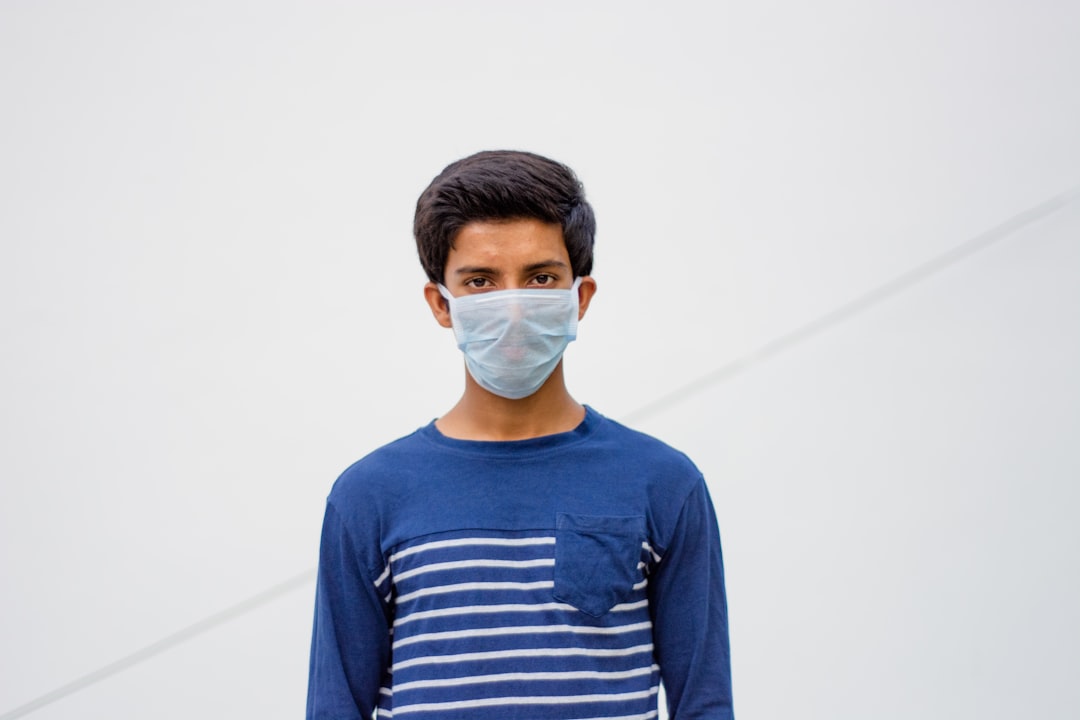
How can you ensure your workforce is safe from airborne hazards in the demanding GCC industrial landscape? Furthermore, dust and fume exposure presents a critical occupational health challenge across construction, manufacturing, and oil and gas sectors. Consequently, implementing robust respiratory protection is not just a safety measure but a legal and moral imperative. This comprehensive guide details the mandatory requirements for respiratory protection dust fume exposure control. Moreover, it provides actionable steps for compliance and worker safety.
The Gulf region’s rapid infrastructure development increases exposure risks. Activities like welding, grinding, sandblasting, and chemical handling generate harmful particulates. Additionally, regional environmental conditions can exacerbate these hazards. Therefore, employers must prioritize lung health to prevent chronic illness and ensure productivity. Understanding and applying the correct standards protects your most valuable asset: your people.
At Allianze HR Consultancy, we’ve successfully placed 10,000+ professionals across UAE, Saudi Arabia, Qatar, and Kuwait. Furthermore, our 5+ years of GCC expertise supports clients from 50+ countries in building safe, compliant workforces. Moreover, our Ministry of External Affairs (India) RA license ensures every placement adheres to the highest standards. Therefore, contact our recruitment specialists for expert guidance on sourcing safety-conscious talent and implementing compliant workplace systems.
Understanding GCC Occupational Airborne Hazards
Airborne contaminants in Gulf industries pose significant health risks. These hazards include silica dust, metal fumes, asbestos fibers, and chemical vapors. Consequently, prolonged exposure leads to severe respiratory diseases. Employers must first conduct a thorough workplace hazard assessment. This identifies the specific types and concentrations of dust and fumes present.
Furthermore, GCC climate conditions influence exposure dynamics. Sandstorms and high temperatures are common regional factors. These conditions can introduce additional particulates or affect mask seal integrity. Therefore, control measures must account for the local environment. A proactive hazard assessment forms the foundation of all protective strategies.
- Crystalline Silica: Found in concrete, stone, and sand. Causes silicosis and lung cancer.
- Welding Fumes: Contain metals like hexavalent chromium and manganese. Linked to neurological damage.
- Wood Dust: Generated in carpentry and furniture making. A known carcinogen.
- Asbestos: Still present in older building renovations. Causes mesothelioma.
- Chemical Mists: From painting, coating, and cleaning processes. Irritate lungs and airways.
Identifying these hazards is the critical first step. Subsequently, employers can select the appropriate level of respiratory protection. This ensures worker safety and regulatory compliance across all projects.
Respiratory Protection Dust Fume Exposure Strategic Overview
Developing a strategic plan for respiratory protection dust fume exposure management is essential for GCC employers. This plan extends beyond simply issuing masks. It encompasses a full program based on the hierarchy of controls. Elimination or substitution of hazardous materials is the most effective method. However, when engineering controls like ventilation are insufficient, PPE becomes vital.
Moreover, a successful program requires clear policies and designated responsibility. A competent person must administer the respiratory protection program. This includes selection, training, fit-testing, and maintenance procedures. Additionally, record-keeping is mandatory for compliance audits. A strategic approach integrates protection into daily operations seamlessly.
- Program Administration: Appoint a qualified program administrator with clear authority.
- Hazard Evaluation: Continuously monitor air quality and identify new hazards.
- Medical Evaluation: Ensure workers are physically able to wear respirators.
- Training Protocol: Implement mandatory, recurrent training for all affected employees.
- Program Evaluation: Regularly audit and update the program for effectiveness.
Consequently, a systematic strategy reduces incident rates and improves safety culture. It also demonstrates due diligence to GCC labor authorities. This protects your organization from legal penalties and enhances its reputation.
Legal Framework and Compliance Standards
GCC countries enforce strict occupational health and safety regulations. These laws mandate employer responsibility for providing adequate respiratory protection. For instance, UAE’s Ministerial Resolution No. 501 and Saudi Arabia’s Saudi Ministry of Labor regulations set clear benchmarks. Non-compliance results in heavy fines, work stoppages, and potential imprisonment.
Furthermore, international standards provide critical guidance. Employers often reference OSHA construction industry standards (29 CFR 1910.134) and International Labour Organization construction safety conventions. Additionally, European EN standards or American NIOSH certifications define mask performance. Aligning with these globally recognized frameworks ensures best practice implementation.
Therefore, understanding the legal landscape is non-negotiable. Compliance is not a one-time activity but an ongoing commitment. Regular reviews of UAE construction sector employment laws and other national codes are essential. This proactive legal adherence safeguards your business operations and workforce wellbeing.
Respiratory Protection Dust Fume Exposure Best Practices
Implementing respiratory protection dust fume exposure best practices ensures program efficacy and worker adoption. First, selection must be hazard-specific. A disposable N95 mask is suitable for dust but not for toxic fumes or oxygen-deficient atmospheres. Conversely, a powered air-purifying respirator (PAPR) may be needed for heavy exposure or longer durations.
Moreover, fit-testing is a cornerstone practice. A respirator cannot protect if it does not seal properly to the wearer’s face. Therefore, annual qualitative or quantitative fit-testing is mandatory. Additionally, user seal checks must be performed before each use. These practices are emphasized by global bodies like the World Health Organization workplace standards.
- Right Mask for the Hazard: Match the Assigned Protection Factor (APF) to the exposure level.
- Mandatory Fit-Testing: Conduct annually and whenever facial changes occur (e.g., significant weight change).
- Comprehensive Training: Cover donning/doffing, limitations, maintenance, and storage.
- Hygiene and Maintenance: Clean, disinfect, and store reusable respirators properly.
- Health Surveillance: Monitor workers’ lung health through regular medical check-ups.
Consequently, these best practices transform PPE from a simple commodity into an effective life-saving system. They empower workers to protect themselves confidently and correctly every day.
Mask Specifications and Mandatory Usage Requirements
Selecting the correct respirator requires understanding key specifications. Firstly, filtration efficiency is rated by standards like NIOSH N95, R95, P100, or European FFP2, FFP3. The “N” means Not oil-resistant, “R” is Resistant, and “P” is oil-Proof. Secondly, the Assigned Protection Factor (APF) indicates how much the mask reduces exposure. An APF of 10 means it reduces the contaminant level to one-tenth.
Furthermore, mandatory usage requirements are dictated by the hazard assessment. Employers must enforce wearing protocols in designated areas. Additionally, procedures for changing filters or disposing of single-use masks are critical. Workers must understand all usage requirements, including emergency situations and rescue procedures.
- Disposable Particulate Respirators (N95/FFP2): For dust, mists, and fumes. Must be discarded when damaged or breathing becomes difficult.
- Half-Face/Full-Face Reusable Respirators: Use with appropriate cartridges (e.g., pink for dust/mist, yellow for organic vapors).
- Powered Air-Purifying Respirators (PAPRs): For high-exposure tasks or workers with beards that break the seal.
- Supplied-Air Respirators (SARs): For immediately dangerous to life or health (IDLH) atmospheres.
Therefore, specification knowledge directly impacts safety outcomes. Mandatory usage, backed by clear communication and supervision, ensures these specifications deliver their intended protection on the worksite.

Respiratory Protection Dust Fume Exposure Implementation Timeline
Rolling out a comprehensive respiratory protection dust fume exposure program follows a logical timeline. First, the planning and assessment phase typically takes 2-4 weeks. This involves hazard analysis, legal review, and budget allocation. Next, the procurement and resource development phase requires another 2-3 weeks. Here, you select equipment and develop training materials.
Moreover, the implementation and training phase is most critical. This involves rolling out the program to workers and management over 1-2 weeks. Fit-testing and initial training sessions occur here. Subsequently, the ongoing maintenance and audit phase continues indefinitely. Regular inspections, refresher training, and program evaluations ensure long-term success.
Consequently, a typical full implementation takes 6-10 weeks from inception to operational status. However, immediate stop-gap measures should be applied for critical hazards right away. A phased approach, supported by expert guidance from our professional recruitment resources, ensures thoroughness without compromising immediate safety.
Common Challenges and Practical Solutions
Employers frequently encounter obstacles when implementing respiratory programs. Worker compliance is a major challenge. Discomfort, heat stress, and communication difficulties can lead to masks being removed. The solution involves selecting more comfortable models, implementing work/rest cycles, and using communication devices. Additionally, involving workers in the selection process increases buy-in.
Furthermore, maintaining a consistent supply of correct filters and parts can be difficult. This is especially true in remote GCC project sites. Establishing reliable supply chains and keeping adequate inventory on-site solves this. Another challenge is the cost of high-quality equipment and fit-testing apparatus. However, this cost is minimal compared to medical expenses, fines, and lost productivity from illness.
Therefore, anticipating these challenges allows for proactive planning. Solutions focus on engineering, administration, and human factors. Leveraging insights from World Bank infrastructure development reports on worker safety can also provide valuable context. Addressing challenges systematically ensures your program remains effective and sustainable.
Expert Recommendations for Program Success
To build a world-class respiratory protection program, follow these expert recommendations. First, integrate safety into your company culture from leadership down. When managers consistently wear PPE, workers follow suit. Second, invest in quality equipment from reputable suppliers. Certified respirators that meet NIOSH or EN standards provide reliable protection.
Moreover, utilize technology for training and monitoring. Online training modules and digital fit-test records enhance efficiency and accuracy. Additionally, partner with occupational health professionals for medical surveillance and program audits. Their independent assessment identifies gaps you might overlook. Finally, view safety as a continuous improvement process, not a checkbox activity.
Consequently, these recommendations create a resilient safety ecosystem. They protect worker health, ensure regulatory compliance, and improve operational performance. For tailored support in developing your program and recruiting safety-trained personnel, schedule a consultation appointment with our specialists today.
Frequently Asked Questions About Respiratory Protection Dust Fume Exposure
What are the legal penalties for failing to provide adequate respiratory protection dust fume exposure control?
Penalties vary by GCC country but are severe. They can include fines exceeding 50,000 AED, project shutdowns, and imprisonment for negligence. Furthermore, companies face liability for worker medical costs and compensation. Therefore, consult our specialists to ensure full compliance and avoid these risks.
How often should respiratory protection training be conducted?
Initial training is mandatory before use. Additionally, refresher training must occur annually at a minimum. Moreover, retraining is required if workplace hazards change, new equipment is introduced, or if observed misuse indicates a need. Consequently, training is a continuous process, not a one-time event.
Can workers with beards wear tight-fitting respirators?
No. Facial hair between the skin and the respirator sealing surface breaks the seal. This renders tight-fitting masks like N95s or half-face respirators ineffective. Alternatives include using a loose-fitting hooded powered air-purifying respirator (PAPR) or implementing a clean-shaven policy for those requiring sealed respirators.
What is the difference between N95, FFP2, and P100 ratings?
N95 (US NIOSH) and FFP2 (European) are similar, filtering ≥94-95% of particles. P100 (US NIOSH) filters ≥99.97% of particles. The “N” is not oil-resistant, “P” is oil-proof. Selection depends on the specific hazard’s oil content and required protection level. Always verify the standard applicable in your GCC country.
Who is responsible for paying for required respirators and fit-testing?
The employer is solely responsible for all costs. This includes providing the respirators, replacement parts, cleaning supplies, medical evaluations, and fit-testing at no charge to the worker. This is a fundamental requirement under GCC labor laws and international OSH standards.
How does Allianze HR support companies with safety compliance?
We recruit pre-screened candidates with safety training and certifications. Furthermore, we advise clients on establishing compliant onboarding and site safety protocols. Moreover, our deep understanding of GCC regulations helps you build a culture of safety from recruitment through deployment, reducing your compliance risk.
Partner with Allianze HR for Workplace Safety Success
Implementing effective respiratory protection dust fume exposure controls is a complex but essential duty for GCC employers. This guide has outlined the strategic, legal, and practical steps required. From hazard assessment and mask specification to mandatory training and fit-testing, each element is crucial. A systematic program protects worker health, ensures legal compliance, and enhances operational productivity.
Furthermore, the success of any safety program depends on the people who execute it. Hiring workers who value and understand safety protocols is fundamental. Allianze HR specializes in sourcing skilled professionals who are trained in occupational health standards. Our recruitment process prioritizes candidates with proven safety awareness and certifications.
Therefore, do not leave your workforce’s safety to chance. Partner with experts who understand both GCC compliance and global best practices. Let us help you build a safer, more resilient organization. Contact our HR specialists today to discuss your recruitment needs and safety program support. Together, we can achieve zero-harm workplaces across the Gulf region.