


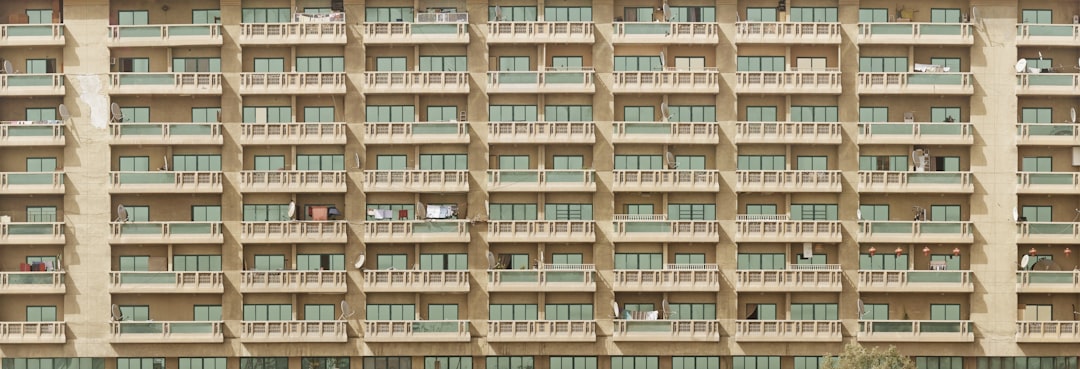
Are you ensuring your worker accommodations comply with UAE’s strict room occupancy regulations? Furthermore, the Gulf region prioritizes worker welfare through detailed housing standards. Consequently, understanding these rules is critical for legal compliance and workforce wellbeing. This guide details the room occupancy limits UAE regulations for maximum bed capacity and minimum space requirements. Moreover, it provides actionable steps for employers to meet these essential standards.
Accommodation standards form a cornerstone of labor law across the GCC. Specifically, the UAE has implemented precise mandates to protect employee health and dignity. These regulations cover everything from square meters per person to ventilation and sanitation facilities. Additionally, non-compliance can result in significant fines and operational disruptions. Therefore, proactive adherence is not just ethical but also strategically vital for business continuity.
At Allianze HR Consultancy, we’ve successfully placed 10,000+ professionals across UAE, Saudi Arabia, Qatar, and Kuwait. Furthermore, our 5+ years of GCC expertise supports clients from 50+ countries. Moreover, our Ministry of External Affairs (India) RA license ensures compliance. Therefore, contact our recruitment specialists for expert guidance on accommodation compliance and workforce management. We integrate welfare standards into every placement strategy.
Understanding GCC Worker Accommodation Standards
GCC nations have progressively strengthened labor accommodation regulations. The UAE leads with comprehensive frameworks under Ministerial Decree No. 44 of 2022. These rules mandate humane living conditions for all workers. Furthermore, they align with international benchmarks for occupational health. Consequently, employers must view housing as a core component of their duty of care.
Specifically, standards address spatial requirements, hygiene, and amenities. For instance, each worker must have dedicated sleeping and storage space. Additionally, common areas must support relaxation and social needs. These provisions prevent overcrowding and promote mental wellbeing. Moreover, proper facilities reduce health risks and improve productivity. Therefore, investment in quality accommodation delivers tangible business returns.
Key elements include air conditioning, clean water, and functional kitchens. Also, maintenance and regular inspections are mandatory. The International Labour Organization workplace safety standards heavily influence these local laws. Employers must also consider cultural and dietary needs. Finally, accessible medical services are often required near labor camps. Comprehensive planning ensures full regulatory adherence.
Room Occupancy Limits UAE Strategic Overview
Navigating the room occupancy limits UAE requires a strategic approach. The central rule dictates a maximum of four beds per sleeping room. Moreover, each occupant must have a minimum of 3.6 square meters of clear floor space. This excludes areas taken by furniture or fixtures. Consequently, a standard room housing four workers must be at least 14.4 square meters in size.
Furthermore, regulations specify minimum ceiling heights and window requirements. Adequate ventilation and natural light are non-negotiable. Additionally, each worker must have a personal locker for belongings. Beds must be spaced at least one meter apart, head-to-head. These details prevent disease transmission and ensure privacy. Therefore, meticulous room layout planning is essential.
Authorities like the Ministry of Human Resources and Emiratisation (MOHRE) enforce these rules. Regular inspections occur at labor accommodations. Penalties for violations include substantial fines and potential work permit blocks. The UAE employment regulations portal provides official updates. Employers should designate a compliance officer for housing. Proactive management avoids legal and reputational damage.
Legal Framework and Compliance Standards
The UAE’s legal framework for worker welfare is robust and explicit. Ministerial Decree No. 44 of 2022 is the primary legislation. It covers all aspects of prescribed accommodation. Additionally, each Emirate may have supplementary local directives. For example, Dubai’s Supreme Legislation Committee issues specific guidelines. Consequently, employers must verify both federal and emirate-level requirements.
Compliance involves more than just space calculations. Sanitation standards require a specific ratio of toilets and showers to workers. Furthermore, kitchens must be hygienic and equipped with cooking appliances. Also, laundry facilities and waste management systems are mandatory. These standards reflect World Health Organization occupational health principles. Regular pest control and cleaning schedules are also legally required.
Documentation is a critical part of compliance. Employers must maintain valid accommodation certificates. Additionally, they need records of maintenance and inspection reports. The Saudi Ministry of Labor regulations show similar regional rigor. Non-compliance can lead to fines exceeding AED 50,000 per violation. Therefore, a systematic documentation process is crucial for audit readiness.
Room Occupancy Limits UAE Best Practices
Implementing room occupancy limits UAE best practices goes beyond minimum legal requirements. First, consider allocating more space than the mandated 3.6 square meters. This enhances worker comfort and satisfaction significantly. Furthermore, invest in high-quality, durable furniture and mattresses. Consequently, you reduce long-term replacement costs and improve living conditions.
Second, create clear policies for room maintenance and cleanliness. Designate responsible personnel for daily upkeep. Additionally, establish a fair system for roommate assignments. Consider factors like work shifts and nationality for harmony. Moreover, install adequate storage to keep personal areas tidy. These steps foster a respectful and organized living environment.
Third, engage workers through regular feedback sessions. Understand their accommodation concerns and suggestions. Also, provide recreational areas with TV, games, and seating. The International Labour Organization standards emphasize social protection. Finally, conduct surprise self-inspections to identify issues before official audits. Proactive engagement demonstrates genuine commitment to welfare.
Documentation and Processing Steps
Proper documentation formalizes your compliance with accommodation laws. Begin by obtaining the official accommodation certificate from relevant authorities. This often requires a physical inspection by municipal officials. Furthermore, prepare detailed floor plans showing bed layouts and measurements. Additionally, gather proof of facility contracts for cleaning and pest control.
Next, maintain an up-to-date register of all occupants per room. This register should include names, civil ID numbers, and bed numbers. Moreover, keep all tenancy contracts and utility bills on file. Also, document all maintenance requests and their resolutions. This paper trail is vital during government inspections. Therefore, implement a digital filing system for easy access and retrieval.
Finally, establish a renewal calendar for expiring documents and certificates. Proactively schedule re-inspections before certificates lapse. The U.S. Department of Commerce labor standards reports highlight documentation importance. Utilize our professional recruitment resources for checklist templates. Organized processing prevents last-minute scrambles and ensures uninterrupted operations.
Room Occupancy Limits UAE Implementation Timeline
Executing a compliant room occupancy limits UAE plan requires a structured timeline. Week one involves a thorough audit of existing facilities. Measure all rooms and assess current occupancy against legal limits. Furthermore, identify any immediate non-compliance issues. Subsequently, week two focuses on planning corrective actions and budgeting.
Weeks three and four are for physical modifications. This may involve installing partitions, adding bathrooms, or purchasing new furniture. Meanwhile, begin preparing the documentation portfolio. Additionally, week five should involve a pre-compliance inspection by a consultant. Then, week six is for submitting the formal application for an accommodation certificate.
Finally, weeks seven and eight are for final adjustments based on authority feedback. The entire process typically takes 8-10 weeks for existing facilities. For new accommodations, factor in 12-16 weeks including construction. The World Bank labor market analysis stresses planning. Schedule a consultation appointment with us to create your custom timeline. Proper phasing ensures a smooth, compliant transition.
Common Challenges and Solutions
Employers often face challenges when aligning with occupancy rules. A common issue is legacy accommodations with non-compliant layouts. The solution is a phased renovation plan prioritizing the most critical violations. Furthermore, budget constraints can hinder upgrades. Consequently, explore cost-sharing models or government incentives for improving worker housing.
Another challenge is managing high workforce turnover. Keeping occupancy records accurate is difficult. Implement a digital check-in/check-out system linked to your HR software. Additionally, communication barriers with workers can hide problems. Therefore, appoint multilingual welfare officers to gather feedback regularly. Moreover, use visual guides to explain rules and maintenance procedures.
Finally, navigating between federal and emirate-specific rules causes confusion. The solution is to always adhere to the stricter standard. Consult with legal experts specializing in UAE labor law. Also, join industry associations for updates on regulatory changes. Proactive networking provides early warnings about new inspection campaigns. Overcoming these hurdles ensures sustainable compliance.
Expert Recommendations for Success
For long-term success, integrate accommodation standards into your core HR policy. Treat worker housing as a key component of your employer brand. Furthermore, conduct annual welfare surveys to measure satisfaction. Additionally, benchmark your facilities against industry best practices. Consequently, you can identify areas for continuous improvement beyond basic compliance.
Invest in training for your camp managers and facilities staff. Ensure they understand all legal requirements and emergency procedures. Moreover, foster a culture of respect and cleanliness within the accommodations. Recognize and reward departments that maintain excellent standards. Therefore, you create collective ownership over living conditions.
Lastly, partner with a reputable recruitment and HR consultancy like Allianze. We help design accommodation strategies that attract and retain talent. Our expertise ensures your housing policies support your recruitment goals. Furthermore, we stay updated on all regulatory changes across the GCC. A strategic partner transforms compliance from a challenge into a competitive advantage.
Frequently Asked Questions About Room Occupancy Limits UAE
What are the penalties for violating room occupancy limits UAE?
Penalties can be severe, including fines from AED 10,000 to over AED 50,000 per violation. Furthermore, authorities may suspend new work permits for the company. Moreover, repeated offenses can lead to the accommodation being blacklisted. Therefore, strict adherence is crucial to avoid operational and financial setbacks.
How is the minimum space per worker calculated?
The minimum of 3.6 square meters refers to clear, usable floor space. Specifically, it excludes areas occupied by beds, wardrobes, or other fixed furniture. Additionally, the measurement is from wall to wall within the sleeping area. Consequently, the total room size must be significantly larger to accommodate furnishings legally.
Do the rules differ for white-collar and blue-collar workers?
The core occupancy rules apply to all workers provided with company accommodation. However, the classification of the accommodation facility itself may differ. Furthermore, expectations for amenities and finishes might vary. Nevertheless, the fundamental space and health standards are universal mandates under UAE law.
Who is responsible for inspecting labor accommodations?
Inspections are conducted by MOHRE officials and local municipality teams. Additionally, entities like TECOM in Dubai or ADNOC in Abu Dhabi may inspect for their zones. Furthermore, inspections can be scheduled or unannounced. Therefore, maintaining constant readiness is the best strategy for employers.
Can we use bunk beds to save space?
Yes, bunk beds are permitted under UAE regulations. However, they must be sturdy, safe, and provide adequate vertical space between bunks. Moreover, the minimum floor space per worker is calculated based on the footprint of the bunk bed. Each worker must still have their designated locker space.
What is required in shared facilities like kitchens and bathrooms?
Regulations specify ratios, typically one toilet and shower for every eight to ten workers. Kitchens must have sufficient cooking stoves, refrigerators, and hygienic storage. Furthermore, these areas must be cleaned multiple times daily. Also, adequate hot water and ventilation in bathrooms are mandatory requirements.
Partner with Allianze HR for Accommodation Compliance Success
Navigating room occupancy limits UAE regulations is a complex but essential responsibility. This guide has outlined the critical standards for maximum bed capacity and minimum space. Furthermore, we’ve provided a roadmap for implementation and compliance. Adhering to these rules protects your workers and your business. Moreover, it builds a reputation as an employer of choice in the competitive GCC market.
Allianze HR Consultancy offers end-to-end support for your workforce needs. We ensure your recruitment strategy includes compliant accommodation planning from the start. Our experts help you design housing solutions that meet legal and ethical standards. Additionally, we provide ongoing compliance monitoring and advisory services. Therefore, you can focus on your core operations with complete peace of mind.
Do not let accommodation compliance become a risk to your operations. Proactive management is the key to success. Contact our HR specialists today for a detailed assessment of your current facilities. Let us help you create a safe, legal, and dignified living environment for your workforce. Partner with Allianze to turn regulatory compliance into a strategic advantage for sustainable growth.