


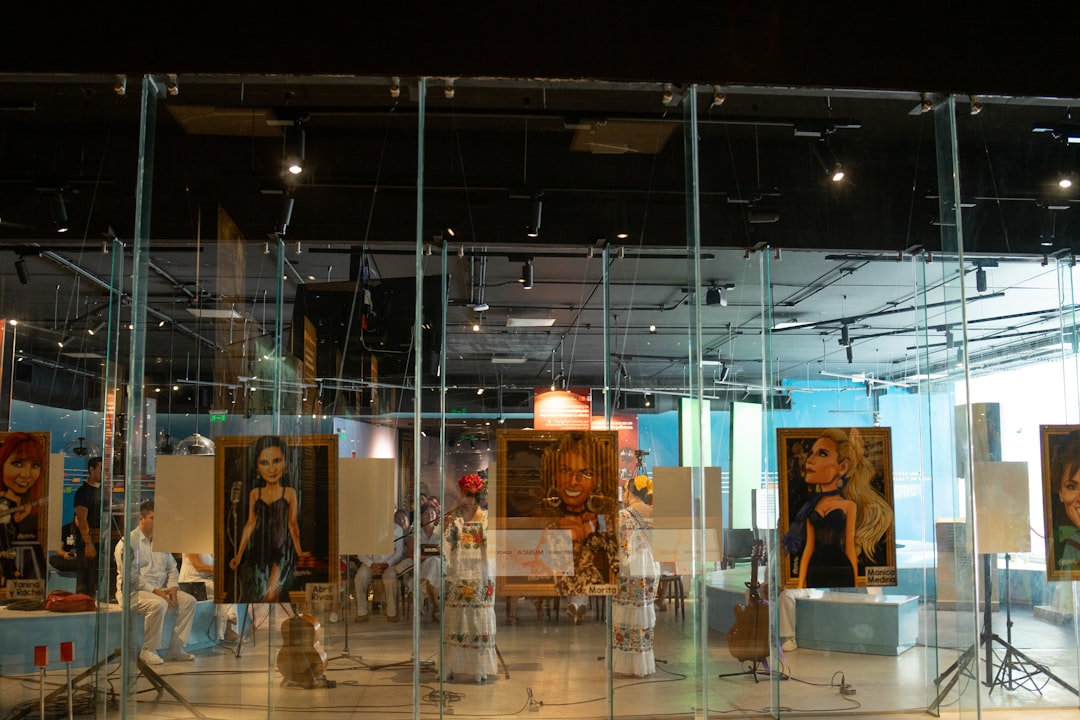
How do you build a world-class museum on a desert island? Furthermore, constructing cultural landmarks like those on Saadiyat Island demands more than standard engineering. It requires specialized cultural construction teams with unique environmental expertise. Consequently, recruiting for these prestigious projects presents distinct challenges for GCC employers. Successful Saadiyat museums cultural construction hinges on finding talent that blends artistry with technical precision.
The GCC’s vision for cultural tourism has transformed cities like Abu Dhabi. Moreover, projects such as the Louvre Abu Dhabi and the upcoming Guggenheim require unparalleled construction standards. These institutions house priceless artifacts in meticulously controlled climates. Therefore, the workforce must understand both complex building systems and sensitive material handling. This dual expertise defines the recruitment landscape for these iconic developments.
At Allianze HR Consultancy, we’ve successfully placed 10,000+ professionals across UAE, Saudi Arabia, Qatar, and Kuwait. Furthermore, our 5+ years of GCC expertise supports clients from 50+ countries. Moreover, our Ministry of External Affairs (India) RA license ensures compliance. Therefore, contact our recruitment specialists for expert guidance on assembling your specialized team. We connect you with talent experienced in the exacting standards of museum-grade construction.
Understanding GCC Museum Construction Requirements
Building museums in the Gulf region involves unique environmental and cultural considerations. First, the desert climate poses significant challenges for humidity and temperature control. Second, international lending institutions impose strict environmental criteria for artifact safety. Third, local building codes must integrate with global museum conservation standards. Consequently, every construction phase demands specialized knowledge and meticulous execution.
Furthermore, these projects often involve international architects and curators. Therefore, communication and coordination skills become as vital as technical ability. Teams must interpret complex designs while adhering to UAE green building regulations. Additionally, understanding International Labour Organization construction safety protocols is non-negotiable. This multi-layered requirement profile defines the talent search.
- Expertise in HVAC systems for precise climate stabilization.
- Knowledge of materials that prevent off-gassing near artifacts.
- Experience with vibration-dampening construction techniques.
- Familiarity with international conservation standards (e.g., ICOM).
- Ability to work with specialized curatorial and design teams.
- Understanding of sustainable construction in arid environments.
Saadiyat Museums Cultural Construction Strategic Overview
A strategic approach to Saadiyat museums cultural construction begins with workforce planning. First, define the project phases requiring specialized talent. These include climate system installation, gallery fabrication, and sensitive finish work. Next, identify the blend of skills needed for each phase. Moreover, consider the sequence of deployment to align with the critical project path. This planning prevents costly delays in specialized work packages.
Additionally, a successful strategy accounts for the project’s high-profile nature. Therefore, recruit individuals with proven experience on landmark projects. Furthermore, prioritize candidates who understand the World Bank infrastructure development principles behind cultural megaprojects. Consequently, your team will contribute to both the build and the broader cultural mission. This strategic alignment ensures technical and visionary success.
- Phase-specific recruitment for foundation, envelope, and fit-out.
- Integration of MEP specialists with museum conservators.
- Strategic onboarding aligned with artifact installation schedules.
- Continuous skills verification against evolving project specifications.
- Development of contingency talent pools for niche skill sets.
Legal Framework and Compliance Standards
Museum construction in the UAE operates within a strict regulatory ecosystem. First, standard UAE labor laws govern employment contracts and worker welfare. Second, specific visa categories apply to specialized technical professions. Third, projects often have additional compliance layers from international museum partners. Therefore, navigating this framework requires precise legal and procedural knowledge.
Moreover, compliance extends to material sourcing and construction methodologies. For instance, materials must meet conservation-grade specifications to protect artifacts. Furthermore, environmental controls must align with World Health Organization indoor air quality guidelines for sensitive materials. Additionally, safety protocols must exceed standard construction to protect both workers and future collections. Consequently, your recruitment partner must understand these multifaceted standards.
- Adherence to UAE Ministry of Human Resources & Emiratisation rules.
- Compliance with international loan agreements for gallery environments.
- Certification requirements for specialized trades (e.g., HVAC for museums).
- Documentation for importing specialized construction materials.
- Insurance and liability frameworks for high-value project sites.
Saadiyat Museums Cultural Construction Best Practices
Implementing best practices for Saadiyat museums cultural construction ensures project excellence and artifact safety. First, establish a rigorous candidate screening process focused on relevant project experience. Specifically, look for prior work in galleries, archives, or laboratories with strict climate control. Second, conduct practical assessments of technical skills, such as interpreting complex mechanical drawings. Moreover, evaluate a candidate’s understanding of passive conservation principles.
Furthermore, successful deployment relies on integrated team training. Therefore, organize pre-mobilization briefings on the specific museum’s conservation requirements. Additionally, foster collaboration between construction trades and facility management teams from day one. This practice ensures seamless handover of complex building systems. Consequently, the completed structure will perform as intended for decades, safeguarding cultural heritage.
- Pre-employment skills testing on mock-up climate wall sections.
- Joint training sessions for construction and future operations staff.
- Implementation of a “clean site” protocol to prevent contamination.
- Continuous environmental monitoring during construction phases.
- Documentation of all material data sheets for future conservation.
Documentation and Processing Steps
The documentation process for specialized construction staff is meticulous. First, employers must secure quota approvals for the required technical positions. Next, prepare employment offers detailing unique project responsibilities and environmental conditions. Subsequently, begin the visa application and medical screening process. Moreover, all educational and experience certificates require attestation for technical roles.
Additionally, museum projects often require supplementary security clearances. Therefore, factor this into your recruitment timeline. Furthermore, ensure all contracts explicitly outline the specialized nature of the work and associated standards. For detailed guidance, explore our professional recruitment resources. Proper documentation mitigates risk and ensures regulatory smoothness throughout the project lifecycle.
- Project-specific job descriptions for visa application support.
- Attested diplomas and trade certificates for all technical staff.
- Health certificates confirming fitness for specialized environments.
- Signed non-disclosure agreements protecting project designs.
- Detailed records of specialized training and certifications.
Saadiyat Museums Cultural Construction Implementation Timeline
A realistic timeline for Saadiyat museums cultural construction team deployment spans several months. Initially, the planning and job specification phase takes 2-3 weeks. Following this, the candidate sourcing and screening process requires 4-6 weeks for niche roles. Subsequently, visa processing and documentation add another 3-5 weeks. Therefore, employers should initiate recruitment at least 4-6 months before the required mobilization date.
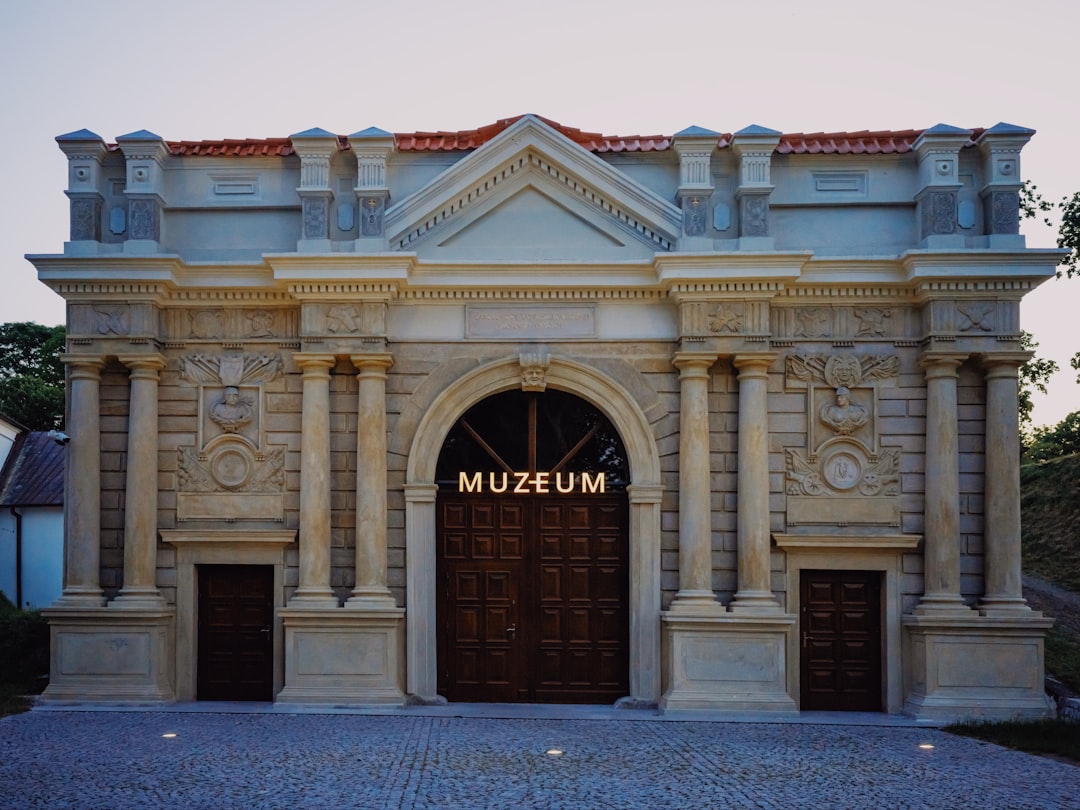
Moreover, timelines can extend for roles requiring rare expertise. For example, specialists in museum-grade climate system commissioning are in global demand. Consequently, proactive talent pooling is a critical success factor. Meanwhile, parallel processing of documentation for different team segments optimizes speed. To streamline your schedule, schedule a consultation appointment with our experts. We provide accurate, phase-driven planning for your entire workforce needs.
- Weeks 1-3: Finalize technical specifications and manpower plan.
- Weeks 4-10: Global candidate search, interviews, and selection.
- Weeks 11-15: Document attestation, visa filing, and medicals.
- Weeks 16-18: Pre-deployment briefings and specialized training.
- Week 19+: Staggered mobilization to site as per project phase.
Common Challenges and Solutions
Recruiting for museum construction presents several predictable challenges. First, the global talent pool for this niche is limited and highly competitive. Second, verifying claimed experience on similar projects can be difficult. Third, integrating diverse international teams with local labor requires careful management. However, each challenge has a proven solution for proactive employers.
For instance, partnering with a recruiter with a global network accesses passive candidates. Furthermore, technical interviews involving detailed project walkthroughs verify experience claims. Additionally, cross-cultural orientation programs foster team cohesion. Moreover, understanding OSHA construction industry standards and their regional equivalents ensures safety unity. Therefore, anticipating these hurdles allows for the development of effective mitigation strategies from the outset.
- Challenge: Sourcing HVAC engineers with museum-specific experience. Solution: Target talent from cultural district projects in Asia or Europe.
- Challenge: High salary expectations for niche skills. Solution: Highlight project prestige and long-term career development.
- Challenge: Long lead times for security clearances. Solution: Initiate background checks immediately after candidate selection.
- Challenge: Ensuring knowledge transfer to local operations teams. Solution: Mandate overlap periods and detailed system documentation.
Expert Recommendations for Success
To ensure success, adopt a holistic view of your cultural construction project. First, treat your workforce as a critical deliverable, not just a resource. Therefore, invest in their specific training and project immersion. Second, establish clear communication channels between the recruitment team, project managers, and curatorial advisors. This alignment prevents mis-hires and ensures skill alignment.
Furthermore, prioritize adaptability and problem-solving skills alongside technical credentials. Museum projects often encounter unforeseen challenges requiring innovative solutions. Additionally, build relationships with technical institutes globally to create a future talent pipeline. Finally, choose a recruitment partner who understands both construction and the cultural sector’s nuances. This expertise is invaluable for navigating the unique landscape of building tomorrow’s heritage.
- Engage recruitment partners during the project design phase.
- Develop a “skills passport” for each worker to track specialized training.
- Implement a continuous feedback loop between site teams and recruiters.
- Plan for succession and knowledge retention for future maintenance phases.
- Benchmark your practices against global World Health Organization workplace standards.
Frequently Asked Questions About Saadiyat Museums Cultural Construction
What is the timeline for Saadiyat museums cultural construction recruitment?
Timeline typically ranges 4-8 weeks for sourcing, plus 3-5 weeks for visa processing. Furthermore, niche roles can extend this period. Therefore, consult our specialists for a phase-specific plan aligned with your project milestones.
What specific skills are needed for climate-controlled museum building?
Key skills include HVAC design for stable environments, knowledge of inert construction materials, and experience with humidity-sensitive finishes. Additionally, understanding artifact conservation requirements is crucial for the entire team.
How do you verify a candidate’s experience on similar prestigious projects?
We conduct detailed technical interviews, request project portfolios with specific system details, and check references with former project managers. Moreover, we verify their understanding of the unique challenges involved in cultural builds.
What are the main compliance risks in this specialized recruitment?
Risks include visa category mismatches for technical roles, unverified qualifications, and non-compliance with international conservation clauses in contracts. Therefore, we implement rigorous documentation checks and legal reviews.
Can you recruit for both permanent and contract roles on such projects?
Yes. We provide flexible staffing solutions, including permanent hires for core facility management roles and contract-based teams for the construction phase. This ensures optimal workforce structure for each project stage.
How does Allianze HR source candidates with such niche expertise?
We leverage a global database, partnerships with technical associations, and targeted searches in regions with active cultural construction. Furthermore, our deep GCC network identifies talent with relevant regional experience.
Partner with Allianze HR for Cultural Construction Success
Constructing cultural landmarks like the Saadiyat Island museums is a monumental task. It demands a workforce that embodies technical mastery, environmental sensitivity, and artistic respect. Throughout this guide, we’ve outlined the strategic, compliance, and practical steps for successful team assembly. The complexity of Saadiyat museums cultural construction recruitment necessitates a partner with proven GCC expertise and a global talent reach.
Allianze HR Consultancy provides end-to-end recruitment solutions for these prestigious projects. We understand the precise blend of skills required to turn architectural visions into enduring cultural homes. Moreover, our compliance-first approach protects your project from regulatory delays. Therefore, entrust your specialized staffing needs to a partner who values heritage as much as engineering. Let us help you build the team that will build history. Contact us today to begin crafting your legacy workforce.