


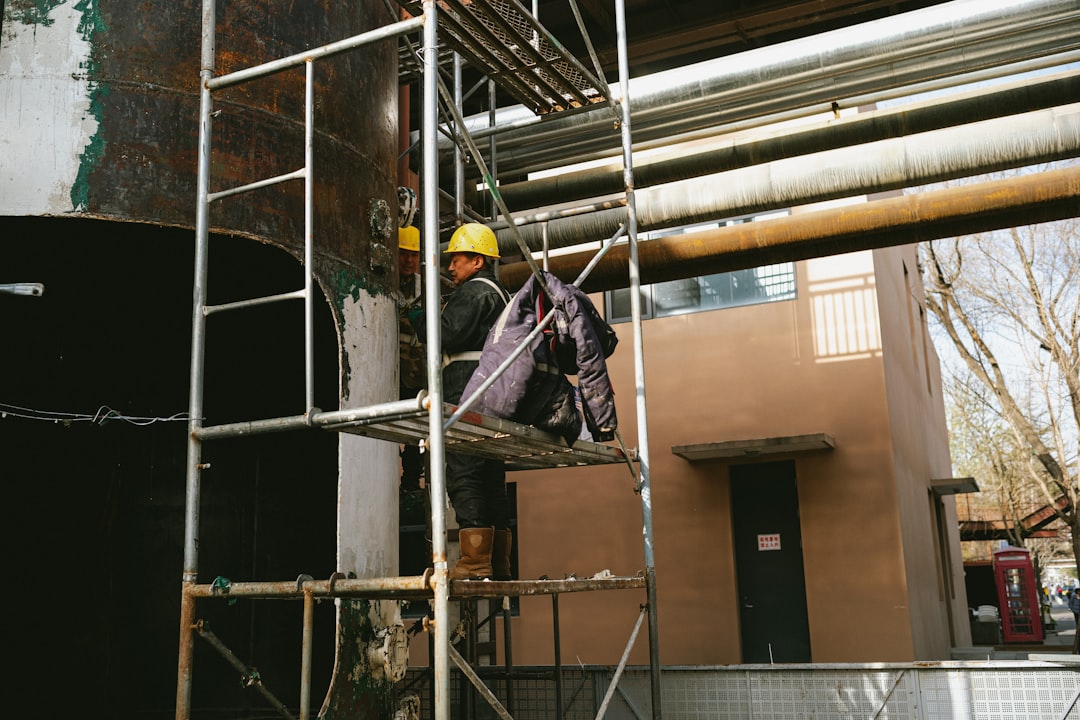
How can property owners and facility managers in the GCC simultaneously ensure the safety of their workforce and protect the well-being of their tenants? This dual responsibility forms the cornerstone of modern, responsible property management. Consequently, navigating the complex intersection of occupational health and residential welfare demands a strategic approach. Therefore, implementing robust safety programs worker tenant protection initiatives is not just a legal obligation but a critical business imperative for sustainable operations.
Furthermore, the GCC’s rapid urban development and stringent regulatory frameworks elevate the importance of integrated safety management. Specifically, countries like the UAE, Saudi Arabia, and Qatar enforce rigorous standards for both construction worker safety and residential building codes. Moreover, tenant expectations for secure, healthy living environments continue to rise. Additionally, a proactive stance on safety directly impacts asset value, reputation, and operational continuity. Hence, a holistic strategy is essential for success.
At Allianze HR Consultancy, we’ve successfully placed 10,000+ professionals across UAE, Saudi Arabia, Qatar, and Kuwait. Furthermore, our 5+ years of GCC expertise supports clients from 50+ countries in building competent teams for facility management and safety roles. Moreover, our Ministry of External Affairs (India) RA license ensures compliance in all recruitment activities. Therefore, contact our recruitment specialists for expert guidance in staffing your safety and facilities teams with qualified professionals who understand these critical protocols.
Understanding GCC Facility Safety and Welfare Requirements
GCC nations maintain comprehensive legal frameworks governing workplace and residential safety. First, occupational safety laws mandate specific protections for workers across all industries, especially construction and facilities management. Second, tenant protection regulations ensure habitable conditions in residential properties. Third, these dual obligations often intersect in mixed-use developments and managed communities. Consequently, facility managers must navigate both sets of requirements simultaneously.
Moreover, regional authorities like Dubai’s Civil Defence and Saudi Arabia’s Ministry of Municipal and Rural Affairs set enforceable standards. These standards cover fire safety, structural integrity, and environmental health. Additionally, international benchmarks influence local codes. For instance, the International Labour Organization workplace safety principles are often referenced. Therefore, compliance requires continuous monitoring of regulatory updates.
Key areas of focus include:
- Fire prevention systems and regular drill protocols.
- Structural and electrical safety inspections for all buildings.
- Indoor air quality and water safety management.
- Safe waste disposal and pest control procedures.
- Emergency response planning and tenant communication systems.
Furthermore, non-compliance risks severe penalties, including fines, operational shutdowns, and legal liability. Hence, a systematic approach to safety management is non-negotiable for responsible employers and property owners in the region.
Safety Programs Worker Tenant Protection Strategic Overview
A successful safety programs worker tenant protection framework integrates two distinct but linked objectives. First, it protects the employees and contractors who maintain and operate the facility. Second, it safeguards the residents, tenants, or occupants who live or work within the property. This integrated approach ensures comprehensive risk management. Therefore, it creates a culture of safety that permeates every level of operation.
Furthermore, the strategic value extends beyond mere compliance. Proactive safety management reduces insurance premiums and minimizes business interruption risks. Moreover, it enhances brand reputation and tenant retention rates. Additionally, it demonstrates corporate social responsibility, which is increasingly valued in the GCC market. Consequently, investment in these programs delivers measurable financial and reputational returns.
Core components of this strategic overview include:
- Risk Assessment: Identifying hazards for both workers and tenants.
- Policy Development: Creating clear, actionable safety policies.
- Training & Competency: Ensuring all personnel are properly trained.
- Communication Protocols: Establishing channels for safety alerts and reports.
- Performance Monitoring: Using audits and inspections to track effectiveness.
Ultimately, this strategic overview positions safety not as a cost center, but as a foundational element of quality facility management and ethical business practice in the Gulf region.
Legal Framework and Compliance Standards
The GCC legal landscape for safety is multifaceted and dynamic. Specifically, employers must comply with national labor laws, municipal building codes, and civil defence regulations. For example, the UAE’s Federal Law No. 8 of 1980 and various ministerial decrees outline employer responsibilities for worker welfare. Similarly, Saudi Arabia’s Ministry of Labor regulations set stringent occupational health and safety standards. Therefore, legal adherence requires dedicated expertise.
Moreover, tenant rights are protected under tenancy laws and consumer protection statutes. These laws often mandate minimum standards for habitability, maintenance response times, and disclosure of safety information. Additionally, authorities like Abu Dhabi’s Department of Municipalities and Transport enforce building safety codes. Consequently, facility managers must maintain detailed records of compliance for both worker and tenant-facing activities.
Key compliance documents typically include:
- Occupational Health and Safety (OHS) policy manuals approved by relevant authorities.
- Tenancy agreements with explicit clauses on safety responsibilities.
- Records of safety training for all maintenance and security staff.
- Certificates for firefighting equipment and elevator inspections.
- Logs of preventive maintenance for all critical building systems.
Furthermore, international standards from bodies like the International Facility Management Association provide best practice guidelines. Therefore, aligning with these global benchmarks can help exceed local minimum requirements and achieve operational excellence.
Safety Programs Worker Tenant Protection Best Practices
Implementing effective safety programs worker tenant protection initiatives requires adopting industry-proven best practices. First, establish a centralized safety committee with representation from management, workers, and tenant associations. This committee should meet regularly to review incidents and improve protocols. Second, conduct joint training exercises that simulate emergencies affecting both staff and residents. Consequently, this fosters a coordinated response capability.
Moreover, leverage technology to enhance safety monitoring and communication. For instance, implement a Computerized Maintenance Management System (CMMS) to track work orders and safety inspections. Additionally, use mobile apps for tenant safety reporting and emergency alerts. Furthermore, install IoT sensors for real-time monitoring of air quality, water leaks, and fire detection, as recommended by World Health Organization indoor air quality guidelines. Therefore, technology acts as a force multiplier for safety teams.
Essential best practices include:
- Developing clear, multilingual safety signage throughout facilities.
- Creating and regularly updating emergency evacuation plans.
- Implementing a permit-to-work system for high-risk maintenance tasks.
- Conducting pre-occupancy and annual safety inspections for all units.
- Establishing a transparent process for tenants to report safety concerns without fear of reprisal.
Finally, integrate these practices into the organizational culture. Recognize and reward safe behavior among workers. Similarly, communicate safety achievements to tenants to build trust and confidence. This holistic approach ensures the professional recruitment resources you invest in are supported by a robust operational framework.
Documentation and Processing Steps
Meticulous documentation forms the backbone of any verifiable safety program. Initially, develop a master safety manual that addresses both occupational and tenant safety. This manual should reference all applicable local regulations, such as those found on the UAE green building regulations portal. Subsequently, create standardized checklists for daily, weekly, and monthly safety inspections. Therefore, consistency in documentation proves compliance during audits.

Furthermore, establish a clear process for incident reporting and investigation. All accidents, near-misses, and tenant complaints must be logged in a central register. Moreover, each entry should trigger a root-cause analysis and corrective action plan. Additionally, maintain training records for every employee, detailing the safety modules they have completed. Consequently, this documentation trail demonstrates due diligence and a commitment to continuous improvement.
Critical documentation steps involve:
- Safety Policy Sign-off: Obtain acknowledgment from all employees and contractors.
- Inspection Logs: Document findings from fire system, electrical, and structural checks.
- Maintenance Records: Keep detailed histories of repairs for all building systems.
- Tenant Communication Files: Archive all safety notices and advisory bulletins sent to occupants.
- Audit Reports: File internal and third-party audit reports with action item tracking.
Properly managed documentation not only satisfies legal requirements but also provides valuable data. This data can analyze trends, predict potential failures, and optimize resource allocation for preventative measures. Hence, treat documentation as a strategic asset, not an administrative burden.
Safety Programs Worker Tenant Protection Implementation Timeline
Rolling out a comprehensive safety programs worker tenant protection system follows a phased timeline. Month 1 involves conducting a baseline risk assessment and gap analysis. This stage identifies immediate hazards and regulatory shortfalls. Month 2 focuses on developing core policies and emergency response plans. Furthermore, this phase includes consulting with legal experts to ensure alignment with GCC laws. Therefore, a methodical start prevents oversight.
Months 3-4 are dedicated to training and resource allocation. First, train the core facility management team and safety officers. Second, procure necessary safety equipment and upgrade critical systems. Third, begin rolling out tenant awareness campaigns. Moreover, this period may involve recruiting specialized safety personnel through partners like Allianze HR to fill competency gaps. Consequently, building internal capability is crucial for long-term sustainability.
A typical 6-month implementation roadmap includes:
- Weeks 1-4: Baseline audit and stakeholder consultations.
- Weeks 5-8: Policy drafting, committee formation, and budget finalization.
- Weeks 9-12: Core team training and procurement of essential equipment.
- Weeks 13-20: Gradual rollout of procedures, tenant communications, and system testing.
- Weeks 21-24: First full-scale drill, program review, and adjustment phase.
Finally, remember that implementation is not a one-time project but an ongoing cycle. After the initial rollout, enter a maintenance phase of continuous monitoring, annual reviews, and periodic updates based on new regulations, such as those highlighted in World Bank urban development reports. Hence, the timeline evolves into a permanent operational rhythm.
Common Challenges and Solutions
Employers in the GCC frequently encounter specific challenges when implementing integrated safety programs. A primary issue is budget constraints, where safety is viewed as an expense rather than an investment. The solution involves building a strong business case that highlights cost savings from reduced incidents, lower insurance costs, and higher tenant retention. Furthermore, phased implementation can spread financial outlay over time.
Another common challenge is cultural and linguistic diversity among workers and tenants. This diversity can hinder effective safety communication. Therefore, solutions include providing training materials and signage in multiple languages. Moreover, employing safety supervisors who speak the primary languages of the workforce is essential. Additionally, engaging tenant communities through culturally appropriate channels improves compliance and reporting.
Additional challenges and practical solutions include:
- Challenge: Lack of skilled safety personnel. Solution: Partner with a specialized recruiter like Allianze HR to source qualified, certified safety officers familiar with GCC standards.
- Challenge: Tenant resistance to drills or inspections. Solution: Educate tenants on benefits, offer participation incentives, and schedule activities at convenient times.
- Challenge: Keeping pace with regulatory changes. Solution: Subscribe to updates from local municipalities and engage legal or consultancy services for compliance monitoring.
- Challenge: Integrating systems across old and new buildings. Solution: Develop a prioritized upgrade plan and leverage scalable digital tools for unified monitoring.
Proactively anticipating these hurdles allows for the development of contingency plans. Consequently, this transforms potential obstacles into manageable aspects of the program rollout.
Expert Recommendations for Success
To ensure the long-term success of your safety and protection initiatives, adopt a forward-thinking mindset. First, champion safety leadership from the highest levels of management. When executives visibly prioritize safety, it cascades throughout the organization. Second, invest in building a positive safety culture that goes beyond rule-following. This culture should encourage reporting, learning, and innovation in safety practices.
Moreover, leverage data analytics to move from reactive to predictive safety management. Analyze incident reports, maintenance data, and tenant feedback to identify patterns. Furthermore, benchmark your performance against industry standards and peers. Additionally, consider obtaining international safety certifications to validate your program’s rigor. These steps not only improve safety but also enhance your marketability to quality tenants and investors.
Key expert recommendations are:
- Integrate safety KPIs into the performance reviews of all managers, not just the facilities team.
- Foster partnerships with local civil defence and emergency services for joint training.
- Regularly survey tenant satisfaction specifically regarding safety and security perceptions.
- Allocate a dedicated annual budget for safety innovation and technology upgrades.
- Conduct “lessons learned” reviews after any incident or near-miss, focusing on system improvement rather than individual blame.
Ultimately, the most successful programs view worker and tenant protection as a shared value. They engage all stakeholders as active participants in creating a safe environment. This collaborative approach, supported by expert recruitment and solid processes, builds resilient and reputable operations across the GCC.
Frequently Asked Questions About Safety Programs Worker Tenant Protection
What is the first step in developing a safety programs worker tenant protection plan?
The first step is conducting a comprehensive risk assessment. This audit identifies hazards for both employees and residents. Furthermore, it reviews current compliance against GCC regulations. Therefore, it creates a data-driven foundation for all subsequent policy and training development.
How often should safety training be conducted for facility staff?
Initial training is mandatory upon hiring. Additionally, refresher training should occur annually at a minimum. Moreover, specific high-risk task training must happen before assigning such work. Furthermore, emergency drill participation should be semi-annual. Consequently, training is a continuous process, not a one-time event.
What are the key legal consequences of non-compliance in the GCC?
Legal consequences can be severe. They include substantial financial penalties, work permit cancellations, and project stoppages. Moreover, in cases of serious incidents, criminal liability for management is possible. Additionally, tenant lawsuits for negligence can result in significant damages. Hence, compliance is critically important.
Can a single manager oversee both worker and tenant safety?
While possible in smaller facilities, it is generally recommended to have distinct focal points. A dedicated HSE Officer should handle occupational safety. Conversely, a Facility or Community Manager typically addresses tenant-facing safety issues. However, both roles must coordinate closely under a unified policy. Therefore, clear communication channels between them are essential.
How does Allianze HR support these safety initiatives?
We recruit qualified, certified professionals for critical