


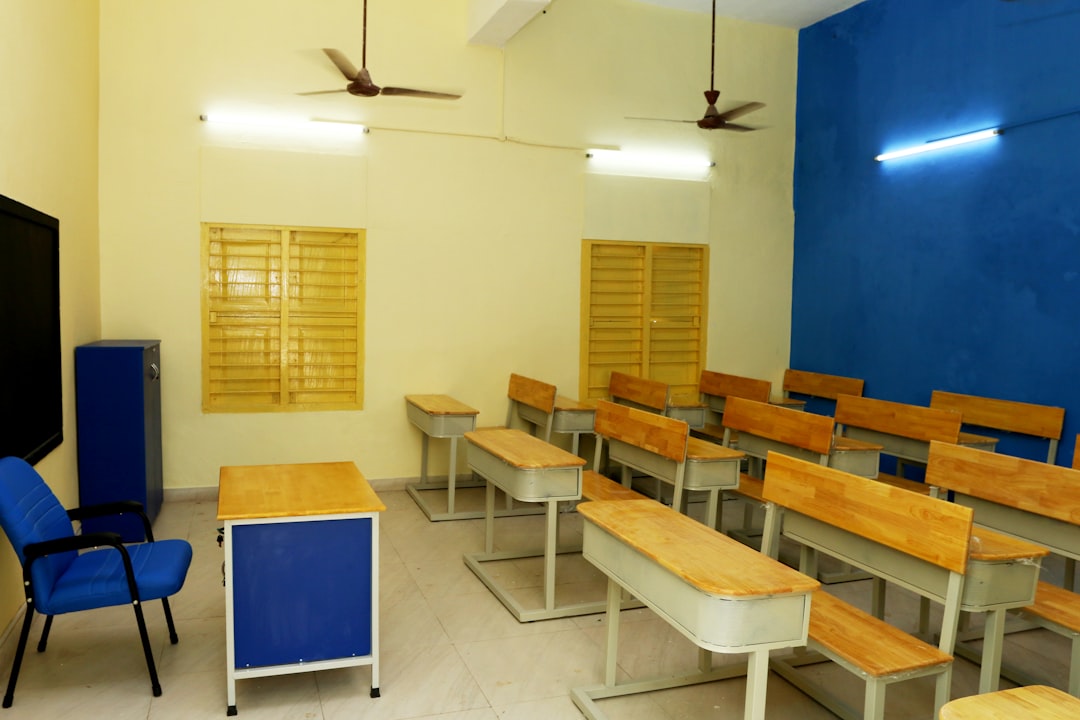
How can educational institutions in the GCC ensure their facilities are safe, compliant, and conducive to learning? The answer lies in strategic educational facility management. School FM requirements facility management is a specialized discipline. It demands a precise blend of technical staffing and regulatory knowledge. Consequently, navigating these requirements is crucial for academic success. This guide provides a comprehensive roadmap for GCC employers.
Educational facilities across the Gulf face unique operational challenges. Extreme climate conditions demand robust HVAC and maintenance systems. Furthermore, stringent government regulations govern safety and staffing. Additionally, the core mission of fostering learning requires impeccable environments. Therefore, effective facilities management becomes a critical success factor. It directly impacts student performance and institutional reputation.
At Allianze HR Consultancy, we’ve successfully placed 10,000+ professionals across UAE, Saudi Arabia, Qatar, and Kuwait. Furthermore, our 5+ years of GCC expertise supports clients from 50+ countries. Moreover, our Ministry of External Affairs (India) RA license ensures compliance. Therefore, contact our recruitment specialists for expert guidance on staffing your educational facility.
Understanding GCC Educational Facility Management
Educational facility management in the Gulf region extends beyond basic upkeep. It encompasses a holistic approach to the physical learning environment. This includes infrastructure maintenance, safety protocols, and sustainability initiatives. Moreover, it involves managing specialized personnel to execute these tasks. Each GCC nation has evolving standards for school infrastructure.
For instance, the UAE’s green building regulations increasingly apply to educational institutions. Similarly, Saudi Arabia’s Vision 2030 emphasizes modern educational facilities. Consequently, facility managers must stay abreast of these regional developments. They must also understand the specific needs of different educational levels.
Key operational areas include:
- Preventive and corrective maintenance for buildings and equipment.
- Indoor environmental quality management, including air and thermal comfort.
- Life safety systems and emergency preparedness planning.
- Sustainability and energy efficiency program management.
- Grounds and landscape maintenance for campuses.
Therefore, staffing for these roles requires targeted recruitment strategies. Employers must source candidates with both technical skills and an understanding of the educational sector’s unique rhythm.
School FM Requirements Facility Strategic Overview
A strategic approach to school FM requirements facility management begins with a needs assessment. First, define the scope of services required for your specific institution. This varies between primary schools, large universities, and technical colleges. Next, identify the critical staffing roles to deliver these services. Finally, establish performance metrics and compliance checkpoints.
The core staffing model typically includes several key positions. Facility managers or directors provide leadership and strategic planning. Maintenance technicians handle electrical, plumbing, and HVAC systems. Additionally, custodial supervisors ensure daily cleanliness and sanitation. Groundskeepers maintain outdoor spaces and playing fields. Furthermore, specialized roles like energy managers or safety officers may be required.
Implementing a strategic plan involves several steps. First, audit current facility conditions and staffing capabilities. Second, benchmark against regional standards and best practices from the International Facility Management Association. Third, develop detailed job descriptions aligned with GCC labor categories. Fourth, establish a recruitment and onboarding timeline. Finally, create continuous training programs for skill development.
This strategic overview ensures your staffing plan supports educational goals. It transforms facility management from a cost center into a value driver. Moreover, it creates a safe, reliable, and inspiring environment for students and educators.
Legal Framework and Compliance Standards
Compliance forms the non-negotiable foundation of educational FM in the GCC. Employers must navigate a multi-layered regulatory landscape. National labor laws set minimum standards for wages, contracts, and working hours. Additionally, municipal and educational authority regulations impose specific facility mandates. These often relate to health, safety, and occupancy codes.
For example, all facilities must adhere to fire safety and civil defense regulations. These require regular drills, equipment checks, and certified personnel. Similarly, health departments enforce strict sanitation and pest control protocols. Furthermore, World Health Organization indoor air quality guidelines influence ventilation standards in classrooms. Non-compliance can result in heavy fines, operational shutdowns, or reputational damage.
Key compliance documents for staffing include:
- Valid employment contracts attested by the relevant Ministry of Labor.
- Professional certifications for technical staff (e.g., HVAC, electrical).
- Medical fitness certificates and clear criminal background checks.
- Proof of relevant training in safety procedures like first aid or firefighting.
- Visa and work permit documentation specific to the GCC country.
Therefore, partnering with a recruitment firm well-versed in these requirements is essential. It mitigates legal risk and ensures a smooth operational start. Additionally, it protects the institution’s license to operate.
School FM Requirements Facility Best Practices
Adopting best practices elevates school FM requirements facility management from compliant to exceptional. First, implement a technology-enabled Computerized Maintenance Management System (CMMS). This software schedules preventive maintenance, tracks work orders, and manages inventory. Consequently, it reduces downtime and extends asset lifecycles. Moreover, it provides data for informed decision-making.
Second, prioritize sustainable and green operations. This aligns with GCC national visions and reduces operational costs. Practices include installing energy-efficient lighting, implementing water conservation measures, and starting recycling programs. Additionally, consider World Bank urban development principles for sustainable campus design. These initiatives also provide educational opportunities for students.
Third, foster a culture of safety and continuous improvement. Conduct regular safety training for all FM staff. Furthermore, involve them in identifying potential hazards. Establish clear communication channels between FM teams, teachers, and administration. Additionally, create a feedback loop where facility issues are reported and resolved promptly.
Finally, invest in your FM staff’s professional development. Cross-train technicians to handle multiple systems. Support certification programs from recognized bodies. Moreover, recognize and reward excellent performance. This reduces turnover and builds institutional knowledge. These best practices create a high-performing FM team that directly contributes to the school’s mission.
Documentation and Processing Steps
Proper documentation is the backbone of compliant facility staffing. The process begins with defining precise job descriptions and specifications. These documents outline required skills, experience, and certifications. They also detail reporting lines and key performance indicators. Subsequently, this clarity streamlines the candidate screening and selection process.
Once a candidate is selected, the documentation phase intensifies. Required paperwork typically includes attested educational certificates and previous experience letters. Additionally, a valid passport, passport-sized photographs, and a medical fitness certificate are mandatory. Furthermore, the employment contract must be drafted in accordance with local labor law. This contract requires attestation from the Ministry of Human Resources and Emiratisation (MOHRE) or its equivalent.
The visa and onboarding process involves multiple steps. First, the employer obtains entry permit approval from immigration authorities. Next, the candidate travels to the GCC country for medical testing and biometrics. Then, the work permit and residency visa (Iqama, etc.) are issued. Finally, the employee receives a national ID card. Throughout this process, coordination with International Labour Organization workplace safety principles ensures ethical recruitment.
Maintaining organized records is crucial for audits and renewals. Employers should keep digital copies of all employee documents. This includes contracts, visa pages, training certificates, and performance reviews. Consequently, this organized approach simplifies annual visa renewals and compliance inspections. It also provides valuable data for workforce planning.

School FM Requirements Facility Implementation Timeline
A realistic timeline is vital for successful school FM requirements facility staffing. Rushing the process leads to compliance errors or poor hiring decisions. Typically, the end-to-end timeline spans 8 to 12 weeks. This period covers planning, recruitment, visa processing, and onboarding. However, complex requirements or senior roles may extend this duration.
The first phase, planning and mobilization, takes 2-3 weeks. This involves finalizing staffing plans, budgets, and job descriptions. Meanwhile, the recruitment and selection phase requires 3-4 weeks. Sourcing candidates, conducting interviews, and making offers takes careful time. Subsequently, the documentation and visa processing phase demands 4-6 weeks. Government processing times can vary, especially during peak periods.
Key milestones in the implementation timeline include:
- Week 1-2: Needs assessment and role definition completion.
- Week 3-5: Candidate sourcing, screening, and final interviews.
- Week 6-7: Offer acceptance and document collection/attestation.
- Week 8-10: Visa application submission and government processing.
- Week 11-12: Employee travel, medicals, final onboarding, and deployment.
Therefore, schools planning for a new academic year must start early. Beginning the process 4-5 months before the required start date is prudent. This buffer accommodates unexpected delays. Moreover, it allows for a thorough orientation for new FM staff before they assume full responsibilities.
Common Challenges and Solutions
Employers often face specific challenges when staffing for educational FM. First, finding candidates with the right blend of technical skill and sector understanding is difficult. Many technicians have commercial experience but lack knowledge of school environments. The solution is targeted recruitment and offering sector-specific orientation training. This bridges the experience gap effectively.
Second, high turnover in certain FM roles can disrupt operations. This is often due to better offers elsewhere or a lack of career progression. To counter this, employers should develop clear career paths. Additionally, offering competitive packages and recognizing good work improves retention. Creating a positive team culture also fosters loyalty.
Third, navigating the frequent updates to GCC labor and safety regulations is complex. For instance, new World Health Organization occupational health guidelines may emerge. The solution is to partner with a knowledgeable HR consultancy. They monitor regulatory changes and advise on necessary adjustments. Furthermore, subscribing to official government portals provides direct updates.
Finally, budget constraints can limit the ability to hire ideal team sizes. A strategic solution is to analyze tasks and consider a mix of direct hires and specialized outsourced services. For example, retain core maintenance staff directly but contract specialized elevator or fire system maintenance. This optimizes costs while maintaining quality and compliance.
Expert Recommendations for Success
To achieve excellence in educational facility management, follow these expert recommendations. First, integrate FM planning with the academic calendar. Schedule major maintenance during school holidays. Furthermore, align deep cleaning with term breaks. This minimizes disruption to teaching and learning. Consequently, it demonstrates the FM team’s support for the educational mission.
Second, leverage data and analytics for decision-making. Track metrics like maintenance response times, energy consumption per student, and equipment downtime. Analyze this data to identify trends and areas for improvement. Additionally, use it to justify budget requests or staffing increases with concrete evidence. Data-driven management is a hallmark of modern, effective FM.
Third, promote cross-functional collaboration. Facility staff should not operate in a silo. Encourage regular meetings between FM leads, principals, and IT departments. This collaboration is essential for planning technology upgrades or responding to emergencies. Moreover, it ensures facility strategies support pedagogical goals, like creating flexible learning spaces.
Finally, view your FM staff as ambassadors for the school. They interact with students, parents, and visitors daily. Therefore, invest in soft skills training, such as communication and customer service. Empower them to take pride in their role in creating a safe, welcoming campus. This cultural shift elevates the entire institution’s standing in the community.
Frequently Asked Questions About School FM Requirements Facility
What is the timeline for school FM requirements facility staffing?
The complete process typically takes 8-12 weeks. This includes planning, recruitment, visa processing, and onboarding. Furthermore, complex roles or peak government processing times can cause variations. Therefore, starting 4-5 months before the required start date is advisable for academic institutions.
What documentation is required for educational facility management recruitment?
Key documents include attested educational and experience certificates, a valid passport, medical fitness reports, and a labor contract. Additionally, technical staff often need professional trade certificates. Moreover, safety training certifications may be mandatory for specific roles like electricians or safety officers.
How do GCC regulations differ for international school facilities?
International schools must comply with all national labor and facility safety laws. Additionally, they may need to meet accreditation standards from bodies like CIS or NEASC, which have specific facility criteria. Furthermore, curricula like IB or British standards can influence space and technology requirements.
What are the key skills to look for in a school facility manager?
Beyond technical knowledge, seek leadership, budgeting, and communication skills. Furthermore, experience in educational environments is highly valuable. Additionally, knowledge of GCC compliance standards and sustainability practices is a significant advantage for candidates in this region.
Can Allianze HR assist with bulk hiring for a new school campus?
Absolutely. We specialize in volume recruitment for facility management teams. Our process includes needs analysis, candidate sourcing from our global network, coordinated documentation, and batch visa processing. This ensures timely and compliant staffing for new campus openings or major expansions.
How does Allianze ensure candidates understand school-specific FM needs?
We incorporate sector-specific screening questions and scenario-based assessments. Furthermore, we provide candidates with detailed briefings about the educational environment. Additionally, we offer professional recruitment resources and guidance to ensure cultural and operational fit for school settings.
Partner with Allianze HR for Facility Management Success
Effective school FM requirements facility management is a strategic imperative. It safeguards students, supports educators, and protects institutional assets. This guide has outlined the critical components: strategic planning, compliance, best practices, and expert staffing. Mastering these elements ensures your facility becomes a true enabler of educational excellence.
Navigating the complexities of GCC recruitment requires a dedicated partner. Allianze HR Consultancy brings proven expertise in educational sector staffing. We understand the nuanced demands of maintaining safe learning environments. Moreover, our compliance-first approach mitigates your legal and operational risks. Consequently, you can focus on your core mission of education.
We invite you to leverage our regional knowledge and extensive talent network. Let us help you build a high-performing, compliant facility management team. Begin by exploring our professional recruitment resources for deeper insights. Then, take the next step toward operational excellence.
Ready to transform your educational facility management? Contact our HR specialists today for a confidential consultation. Alternatively, schedule a consultation appointment at your convenience. Partner with Allianze HR to create the safe, sustainable, and efficient learning environment your students deserve.