



How can construction project managers in the UAE and wider GCC ensure robust, compliant site security? The region’s rapid infrastructure development demands specialized protection strategies. Consequently, securing construction assets and personnel presents a significant operational challenge. Therefore, implementing professional security guards construction site protection is not optional. It is a fundamental requirement for project success and regulatory compliance.
Furthermore, GCC construction sites face unique risks. These include high-value equipment, remote locations, and complex labor dynamics. Additionally, regional regulations like UAE’s SIRA licensing mandate specific standards. Moreover, effective security directly impacts project timelines and insurance premiums. Thus, a strategic approach to security personnel deployment is essential for all developers and contractors.
At Allianze HR Consultancy, we’ve successfully placed 10,000+ professionals across UAE, Saudi Arabia, Qatar, and Kuwait. Furthermore, our 5+ years of GCC expertise supports clients from 50+ countries. Moreover, our Ministry of External Affairs (India) RA license ensures compliance. Therefore, contact our recruitment specialists for expert guidance on your security manpower needs.
Understanding GCC Construction Site Security Challenges
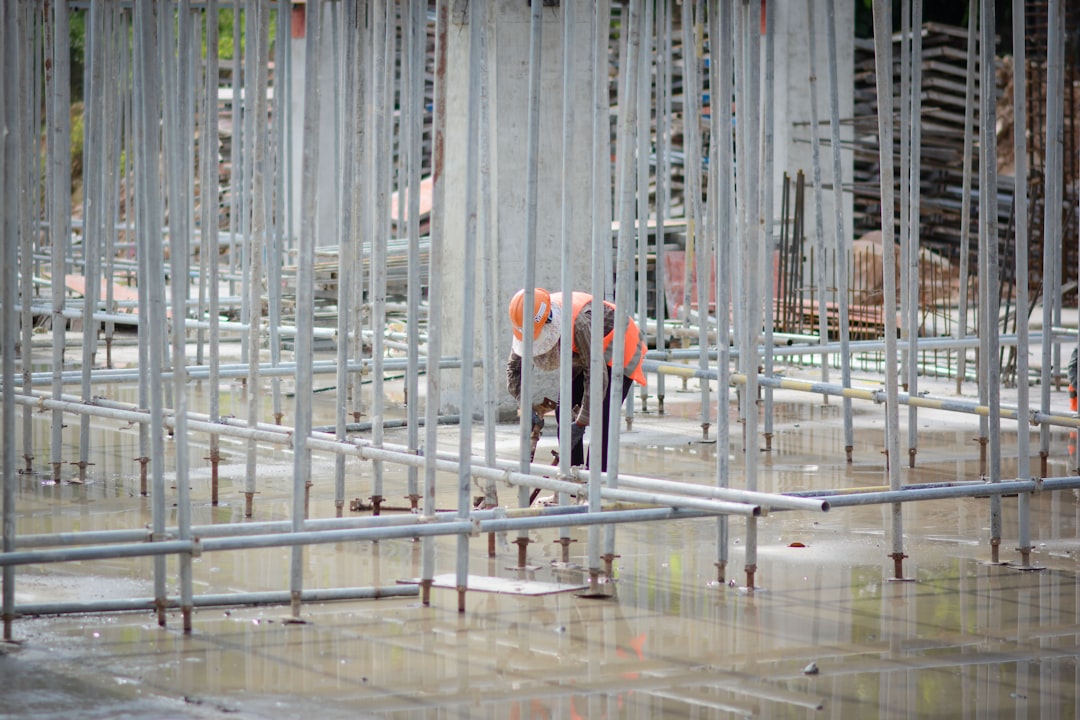
Construction sites in the Gulf region present distinct security vulnerabilities. First, they often contain expensive machinery and materials. These assets are attractive targets for theft. Second, sites operate across extensive, sometimes isolated areas. This makes perimeter control difficult. Third, projects involve multiple subcontractors and a transient workforce. Consequently, access management becomes complex.
Additionally, environmental factors like sandstorms and extreme heat affect security operations. These conditions challenge both personnel and surveillance technology. Moreover, projects frequently run 24/7 to meet aggressive deadlines. This requires round-the-clock vigilance. Therefore, a static security approach fails. Dynamic, well-trained personnel are essential for effective protection.
- Theft of copper, tools, and heavy machinery parts.
- Unauthorized access by trespassers or former employees.
- Vandalism and sabotage causing project delays.
- Safety protocol breaches leading to accidents.
- Document and data theft from site offices.
Furthermore, the financial impact of poor security is substantial. Project delays from theft or vandalism cost millions. Insurance claims may be denied without proper security protocols. Therefore, investing in qualified guards is a proactive financial decision. It protects both physical assets and the project’s bottom line.
Security Guards Construction Site Protection Strategic Overview
A strategic security guards construction site protection plan involves more than posting guards at gates. It requires a holistic risk assessment and layered defense. First, conduct a thorough site-specific threat analysis. This identifies critical assets and vulnerabilities. Second, design a security plan matching the project’s phase. Early-stage earthworks need different protocols than finishing stages.
Moreover, the strategy must integrate technology with human oversight. Guards should operate CCTV systems, access control points, and patrol drones. Additionally, they must coordinate with local law enforcement. Effective communication protocols are vital. Therefore, guards act as the central nervous system of site safety. They detect, deter, report, and respond to incidents.
- Perimeter security with controlled entry/exit points.
- Mobile patrols covering blind spots and storage yards.
- Material issuance monitoring and inventory checks.
- Visitor and subcontractor verification and logging.
- Emergency response coordination for fires or accidents.
Consequently, recruitment must focus on both physical prowess and cognitive skills. Guards need situational awareness and problem-solving abilities. They must also understand basic construction processes. This allows them to identify anomalous activities. Hence, strategic protection blends qualified personnel, clear procedures, and reliable technology.
Legal Framework and SIRA Compliance Standards
Compliance is non-negotiable for construction security in the UAE. The Security Industry Regulatory Agency (SIRA) sets the mandatory standard. SIRA licensing ensures guards meet rigorous training and background check requirements. Furthermore, operating without SIRA-licensed personnel carries severe penalties. These include heavy fines and potential project shutdowns.
Additionally, other GCC nations have similar regulatory bodies. For example, Saudi Arabia’s Ministry of Labor enforces specific security personnel rules. Moreover, adherence to international standards like those from the International Labour Organization is expected. Therefore, employers must verify the compliance status of any security provider.
- Valid SIRA license for each deployed security officer.
- Comprehensive background checks and clear criminal records.
- Completion of accredited security training courses.
- Valid first-aid and fire safety certifications.
- Proper employment visas and medical fitness certificates.
Furthermore, OSHA construction industry standards influence safety protocols. Security guards often serve as first responders. Thus, their training must include hazard identification and emergency evacuation procedures. Consequently, partnering with a recruiter who guarantees compliance is critical. It mitigates legal risk and ensures uninterrupted project operations.
Security Guards Construction Site Protection Best Practices
Implementing security guards construction site protection best practices maximizes effectiveness. First, establish a clear chain of command. Security personnel must report to a dedicated site security manager. This manager liaises with project leadership. Second, implement detailed Standard Operating Procedures (SOPs). These cover all scenarios from shift handovers to incident reporting.
Moreover, integrate security with overall site safety culture. Guards should collaborate with safety officers. For instance, they can monitor compliance with PPE rules in non-restricted areas. Additionally, regular training drills are essential. These prepare guards for emergencies like structural collapses or fires. Therefore, protection becomes a proactive, ingrained process.
- Biometric or RFID-based access control for all personnel.
- Digital daily activity and incident reporting systems.
- Randomized patrol routes to prevent predictability.
- Regular inventory audits of high-value materials.
- Collaborative meetings with subcontractor foremen.
Furthermore, leverage technology as a force multiplier. Use thermal cameras for night surveillance and drones for overhead monitoring. However, technology cannot replace human judgment. Guards interpret events and make critical decisions. Hence, best practices balance advanced tools with highly trained, vigilant personnel. This dual approach creates a resilient security environment.
Documentation and Security Personnel Processing
Recruiting compliant security guards requires meticulous documentation. First, employers must verify SIRA license authenticity. This can be done through official SIRA portals. Second, all employment contracts must align with UAE labor law and UAE construction sector employment regulations. These contracts outline duties, working hours, and compensation clearly.
Additionally, processing involves medical fitness tests and visa stamping. Security personnel require specific visa categories. Moreover, their accommodation must meet World Health Organization workplace standards for health and safety. Therefore, proper onboarding is a multi-step process. It demands attention to detail at every stage.
- SIRA training certificates and license copies.
- Attested educational and prior experience documents.
- Medical clearance certificates from approved centers.
- Employment entry permit and Emirates ID application.
- Signed company policies and code of conduct.
Consequently, many firms outsource this complex workflow. A specialist recruiter manages the entire pipeline. This includes sourcing, screening, documentation, and deployment. Thus, project managers gain vetted, ready-to-deploy guards without administrative burden. This streamlined process ensures both compliance and operational readiness.
Security Guards Construction Site Protection Implementation Timeline
A successful security guards construction site protection deployment follows a realistic timeline. First, the planning and risk assessment phase takes 1-2 weeks. This defines guard numbers, shift patterns, and equipment needs. Second, the recruitment and vetting process requires 3-4 weeks. This allows for thorough background checks and SIRA verification.
Moreover, the mobilization phase takes 1-2 weeks. This includes visa processing, medical checks, and site-specific training. Therefore, the total timeline from decision to deployment is typically 6-8 weeks. However, urgent requirements can be fast-tracked with pre-vetted personnel pools. Consequently, early planning is the key to timely implementation.
- Week 1-2: Security audit and plan development.
- Week 3-6: Candidate sourcing, interviews, and licensing checks.
- Week 7: Offer issuance, medical testing, and visa processing.
- Week 8: Site orientation, SOP training, and active deployment.
- Ongoing: Performance reviews and contingency planning.
Furthermore, timelines adapt to project scale. A mega-site may need staggered deployment over months. Conversely, a small plot may require a single team. Hence, flexibility within a structured framework is vital. Partnering with an experienced recruiter ensures this timeline is managed efficiently. It avoids last-minute shortages that compromise site safety.
Common Challenges and Proactive Solutions
Employers often face specific challenges in construction site security. First, high turnover in the security sector can disrupt continuity. Second, language barriers between guards and multinational workers cause communication gaps. Third, budget constraints may lead to understaffing. These challenges undermine the entire security apparatus if unaddressed.
However, proactive solutions exist. To combat turnover, offer competitive packages and clear career progression. For language issues, recruit multilingual guards or provide basic language training. Regarding budgets, a risk-based approach optimizes resources. Protect critical areas first rather than spreading guards too thinly. Therefore, challenges become manageable with strategic planning.
- Challenge: Guard fatigue during long shifts in extreme heat. Solution: Implement shorter, rotating shifts and climate-controlled rest areas.
- Challenge: Collusion with unauthorized entrants. Solution: Rotate guard posts regularly and conduct random integrity checks.
- Challenge: Inadequate incident reporting. Solution: Use digital reporting apps with photo/video uploads for real-time updates.
- Challenge: Lack of integration with project management. Solution: Include the security manager in daily site coordination meetings.
Furthermore, continuous training addresses evolving threats. Regular workshops on new theft techniques or safety protocols keep skills sharp. Additionally, leveraging insights from World Bank infrastructure development reports can inform macro-level risk planning. Thus, a dynamic, learning-oriented security team adapts and overcomes challenges effectively.
Expert Recommendations for Long-Term Success
For enduring construction site protection, adopt a long-term partnership mindset. Do not view security as a transactional cost. Instead, see it as a value-added service protecting your investment. First, invest in relationship-building with your security provider. This fosters trust and better service. Second, involve them in pre-construction planning. Security design can influence site layout for better natural surveillance.
Moreover, prioritize quality over cost per guard. A slightly higher rate for a well-trained, licensed professional delivers far greater ROI. Additionally, implement performance metrics beyond incident counts. Measure response times, report accuracy, and subcontractor compliance. Therefore, you manage outcomes, not just presence. This shifts the focus to true risk mitigation.
- Conduct bi-annual security audits to update the risk profile.
- Invest in ongoing professional development for security staff.
- Integrate security data with project management software.
- Develop a clear escalation matrix for major incidents.
- Recognize and reward exemplary security performance.
Finally, stay informed on regional regulatory changes. GCC labor and security laws evolve. Resources like our professional recruitment resources can help. Consequently, a proactive, informed, and quality-focused approach ensures your site remains secure. It also enhances your reputation as a responsible developer committed to safety and compliance.
Frequently Asked Questions About Security Guards Construction Site Protection
What is the timeline for security guards construction site protection deployment?
Timeline typically ranges 6-8 weeks from planning to active deployment. This includes risk assessment, SIRA-licensed guard recruitment, and visa processing. Furthermore, urgent needs can be met faster using pre-vetted personnel pools. Therefore, consult our specialists for a precise project schedule.
Why is SIRA licensing mandatory for UAE construction site guards?
SIRA licensing ensures guards meet UAE’s stringent training, background check, and professional standards. Furthermore, it is a legal requirement. Operating with unlicensed personnel risks heavy fines and project delays. Moreover, SIRA certification validates a guard’s competence in surveillance, reporting, and emergency response.
How many security guards are needed per construction site?
The number depends on site size, value, risk level, and shift patterns. A detailed security audit determines the exact requirement. Generally, a medium-sized site may need 4-6 guards per 12-hour shift for comprehensive coverage. This ensures effective access control, patrols, and monitoring.
What training should construction site security guards receive?
Beyond SIRA training, guards need site-specific orientation. This includes SOPs, access control systems, and emergency evacuation plans. Additionally, training in basic first aid, firefighting, and construction safety protocols is crucial. Furthermore, regular refresher courses maintain high readiness and awareness levels.
Can security services be scaled during different project phases?
Absolutely. Security needs change from initial groundwork to finishing stages. A flexible manpower contract allows scaling guard numbers up or down. Moreover, the security strategy should be reviewed quarterly. This aligns the protection plan with the evolving site layout and asset concentration.
How does Allianze HR ensure the quality of security personnel?
We implement a rigorous 5-stage vetting process. This includes SIRA license verification, background checks, technical interviews, and practical assessments. Moreover, we check references from previous construction site assignments. Consequently, we supply guards who are both compliant and proven effective in the field.
Partner with Allianze HR for Construction Site Security Success
Securing your construction project in the GCC requires a specialized partner. You need more than a manpower supplier. You need a consultant who understands regional risks and regulations. Effective security guards construction site protection blends qualified personnel, strategic planning, and unwavering compliance. Furthermore, it demands a partner committed to your project’s long-term safety and success.
At Allianze HR Consultancy, we provide end-to-end security workforce solutions. Our process begins with a thorough site risk assessment. Next, we source and vet SIRA-licensed professionals from our extensive network. Moreover, we manage all complex documentation and deployment logistics. Therefore, you receive