



How can construction firms secure over 50 qualified site engineers for Saudi Arabia’s ambitious giga-projects? The Kingdom’s unprecedented construction boom, driven by Vision 2030, creates immense opportunity and a critical talent shortage. Consequently, recruiting large-scale, certified engineering teams demands specialized expertise. This guide details the strategic approach for successful site engineers Saudi projects recruitment and deployment.
Saudi Arabia’s construction sector is experiencing historic growth. Furthermore, projects like NEOM, the Red Sea Project, and Qiddiya require thousands of skilled engineers. Moreover, these roles demand specific technical qualifications and project management certification. Therefore, understanding the recruitment landscape proves essential for project success and timely delivery.
At Allianze HR Consultancy, we’ve successfully placed 10,000+ professionals across UAE, Saudi Arabia, Qatar, and Kuwait. Furthermore, our 5+ years of GCC expertise supports clients from 50+ countries. Moreover, our Ministry of External Affairs (India) RA license ensures compliance. Therefore, contact our recruitment specialists for expert guidance on mobilizing your engineering workforce.
Understanding GCC Construction Talent Requirements
The Gulf construction market operates with distinct standards. Firstly, technical competency must align with international and local codes. Secondly, cultural and regulatory adaptation is non-negotiable. Additionally, large-scale projects require batch recruitment of consistent quality.
Specifically, Saudi projects emphasize hands-on experience with mega-infrastructure. Moreover, familiarity with Saudi Building Code (SBC) and local authorities is crucial. Consequently, sourcing requires targeted channels and rigorous vetting. Employers must verify both hard skills and soft skills for remote site leadership.
- Mandatory engineering degrees from accredited institutions.
- Proven experience in GCC or similar arid climate projects.
- Understanding of Saudi Aramco or Royal Commission standards for specific projects.
- Fluency in English; Arabic language skills are a significant advantage.
- Strong competency in project management software like Primavera P6 or MS Project.
- Adaptability to camp-based living and rigorous work schedules.
Site Engineers Saudi Projects Strategic Overview
A strategic overview for site engineers Saudi projects begins with workforce planning. First, define the exact mix of senior, mid-level, and junior engineers. Next, map the required specializations: civil, mechanical, electrical, or MEP. Subsequently, develop a phased mobilization plan aligned with project milestones.
Furthermore, consider the total cost of employment beyond salaries. For example, accommodation, transportation, and insurance are key budget components. Moreover, visa and licensing procedures for engineers in Saudi Arabia involve multiple steps. Therefore, a detailed roadmap prevents costly delays and ensures a smooth site establishment.
- Conduct a detailed skills gap analysis for your project portfolio.
- Develop competitive compensation packages aligned with Saudi market trends.
- Establish clear channels for sourcing candidates from reliable talent pools.
- Plan for a rigorous technical assessment and interview process.
- Integrate onboarding and orientation programs for Saudi-specific compliance.
- Build a retention strategy to minimize turnover on long-duration projects.
Legal Framework and Compliance Standards
Navigating Saudi labor law (Saudi Labor Law) is fundamental. The Saudi Ministry of Labor sets stringent regulations for foreign worker recruitment. Additionally, the Saudi Council of Engineers (SCE) mandates professional registration for practicing engineers. Non-compliance risks project stoppages and significant fines.
Moreover, international standards also apply. For instance, the International Labour Organization guidelines on occupational safety are critical. Similarly, adherence to OSHA construction industry standards ensures worker welfare. Therefore, a thorough compliance checklist is indispensable.
- Secure block visas or project visas from the Ministry of Human Resources.
- Ensure all engineering degrees are attested and equivalency is obtained from the SCE.
- Prepare employment contracts compliant with Saudi Labor Law, including all mandatory clauses.
- Arrange for mandatory medical insurance and occupational hazard coverage.
- Implement safety protocols that meet or exceed World Health Organization workplace standards.
- Maintain accurate records for all workers as per WPS (Wage Protection System) requirements.
Site Engineers Saudi Projects Best Practices
Implementing best practices for site engineers Saudi projects deployment ensures quality and efficiency. First, partner with a recruitment agency possessing deep GCC construction experience. Next, utilize a multi-stage screening process combining technical tests and behavioral interviews. Subsequently, validate all professional certifications, especially PMP credentials.
Furthermore, prioritize candidate experience and clear communication throughout. For example, transparent discussions about site conditions and living arrangements set proper expectations. Moreover, a structured onboarding program accelerates productivity. Consequently, these practices reduce early attrition and build a cohesive project team.
- Use video interviewing to assess communication skills and technical knowledge efficiently.
- Request and verify portfolio evidence of past project experience.
- Check PMP certification validity through the Project Management Institute portal.
- Conduct reference checks focusing on project delivery and team management.
- Organize pre-deployment briefings on Saudi culture, laws, and project specifics.
- Establish a clear grievance redressal and support system for deployed engineers.
Documentation and Processing Steps
Accurate documentation forms the backbone of successful mobilization. The process starts with collecting candidate documents. Required items include passports, attested educational certificates, experience letters, and professional licenses. Additionally, a police clearance certificate is often mandatory.
Next, the employer initiates visa authorization through the Muqeem portal. Subsequently, medical examinations and biometric enrollment follow. Finally, once the work visa is stamped, travel arrangements are coordinated. Therefore, meticulous document management prevents processing bottlenecks. For detailed professional recruitment resources, consult our experts.
- Collect and attest all academic and professional certificates.
- Draft and sign the Arabic/English employment contract.
- Apply for and receive visa authorization (block visa or individual).
- Complete medical fitness tests at approved centers.
- Finalize immigration and work permit (Iqama) processing upon arrival.
- Register engineers with the Saudi Council of Engineers for site authorization.
Site Engineers Saudi Projects Implementation Timeline
A realistic implementation timeline for site engineers Saudi projects is critical for project planning. Typically, recruiting and deploying 50+ engineers spans 8 to 14 weeks. The timeline varies based on role seniority, certification verification, and visa type. Moreover, peak seasons may extend processing durations with government authorities.
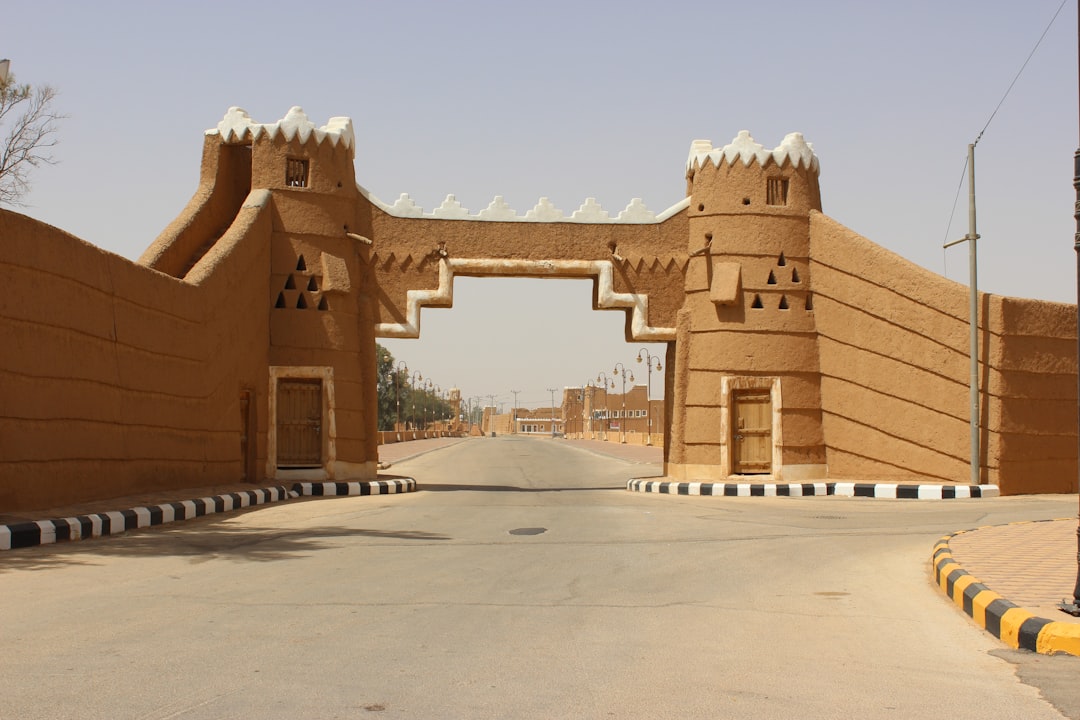
First, the sourcing and screening phase takes 3-4 weeks. Next, documentation collection and attestation require 2-3 weeks. Subsequently, visa processing and medical clearance add another 3-4 weeks. Finally, travel logistics and onboarding complete the cycle. Therefore, early initiation is paramount to meet project start dates. Schedule a consultation appointment to develop your custom timeline.
- Weeks 1-4: Job profiling, market sourcing, and technical interviews.
- Weeks 5-6: Offer finalization, contract signing, and document attestation initiation.
- Weeks 7-9: Visa application submission, medical testing, and pre-departure formalities.
- Weeks 10-12: Flight bookings, airport pickup coordination, and temporary accommodation.
- Weeks 13-14: Arrival, medical insurance activation, Iqama processing, and site induction.
Common Challenges and Solutions
Recruiting at scale presents predictable challenges. Firstly, the high demand for PMP-certified engineers creates a competitive market. Secondly, last-minute candidate dropouts can disrupt mobilization schedules. Thirdly, documentation delays from home countries are frequent.
However, proactive strategies mitigate these risks. For example, building a pipeline of pre-screened candidates ensures backup options. Moreover, using a centralized portal for document collection speeds up verification. Additionally, offering transparent communication and support reduces offer declinations. Consequently, project managers can maintain their critical path.
- Challenge: Verification of international project experience. Solution: Use detailed technical questionnaires and reference checks with previous clients.
- Challenge: Slow attestation processes. Solution: Engage dedicated attestation agents and track each document electronically.
- Challenge: Cultural adjustment leading to early attrition. Solution: Implement robust pre-departure and post-arrival cultural orientation programs.
- Challenge: Fluctuating visa quotas. Solution: Maintain regular liaison with local sponsors and government relations officers.
Expert Recommendations for Success
For guaranteed success, follow these expert recommendations. First, treat recruitment as a strategic project, not a transactional HR task. Assign a dedicated project manager from your team or your recruitment partner. Second, invest in employer branding to attract top-tier engineering talent in a crowded market.
Furthermore, leverage technology for efficiency. Use Applicant Tracking Systems (ATS) to manage high-volume applications. Moreover, consider the long-term value of building a talent community for future projects. Finally, prioritize ethical recruitment and worker welfare to build a reputable and sustainable presence in the Saudi market, aligned with World Bank infrastructure development best practices.
- Develop a strong value proposition highlighting project significance and career growth.
- Foster partnerships with engineering universities and training institutes for fresh talent.
- Regularly benchmark compensation and benefits against Saudi market surveys.
- Implement continuous feedback loops with deployed engineers to improve processes.
- Ensure all practices align with international ethical recruitment standards (IRIS).
Frequently Asked Questions About Site Engineers Saudi Projects
What is the timeline for site engineers Saudi projects recruitment?
Timeline typically ranges 8-14 weeks for mobilizing 50+ engineers. Furthermore, documentation preparation and visa processing affect duration. Therefore, consult our specialists for a phased project-specific plan.
Why is PMP certification critical for these roles?
PMP certification validates standardized project management knowledge. Moreover, many Saudi clients and consultants mandate it for leadership roles. Additionally, it ensures engineers can handle complex project schedules, budgets, and risk management effectively.
What are the key compliance risks in Saudi engineering recruitment?
Major risks include invalid engineering registrations, non-compliant contracts, and visa violations. Furthermore, failure to adhere to Saudi Building Code and safety standards poses significant legal and operational risks. Consequently, expert guidance is essential.
How does Allianze HR ensure quality for bulk engineering recruitment?
We employ a multi-tier verification process: technical assessment, certification validation, behavioral interviewing, and reference checking. Moreover, our GCC-specific expertise ensures candidates are pre-vetted for cultural and regulatory adaptation.
Can you assist with both permanent and contract-based placements?
Yes. We facilitate all engagement models: direct hire, fixed-term contract, and secondment. Furthermore, we manage the complete employment lifecycle, from recruitment and onboarding to payroll and exit formalities, as required.
What industries do you specialize in for Saudi recruitment?
Our core expertise covers construction, infrastructure, oil and gas, power and water, and facilities management. Additionally, we recruit for all engineering disciplines: civil, mechanical, electrical, instrumentation, and HVAC specialists.
Partner with Allianze HR for Engineering Recruitment Success
Securing and deploying 50+ qualified site engineers for Saudi projects is a complex undertaking. This guide has outlined the strategic, compliance, and operational pillars for success. From understanding legal frameworks to executing best practices, each step requires precision. Ultimately, a strategic partnership transforms this challenge into a competitive advantage.
Allianze HR Consultancy delivers end-to-end recruitment solutions for the GCC construction sector. Our proven methodology ensures you get certified, compliant, and capable engineers on site, on time. Moreover, our commitment to ethical recruitment and worker welfare protects your project and reputation. Therefore, let us manage your talent mobilization so you can focus on project delivery.
Ready to build your project team? For expert support in navigating the site engineers Saudi projects landscape, reach out today. Contact our dedicated team to discuss your specific requirements and launch a seamless recruitment campaign.