



Are you acquiring, leasing, or managing a commercial property in the GCC? Furthermore, do you understand the critical importance of a thorough initial evaluation? A comprehensive site surveys property assessment forms the bedrock of sound facility management and investment security. Consequently, neglecting this due diligence can lead to costly surprises, compliance failures, and operational disruptions. This guide provides a strategic framework for GCC employers and investors.
The GCC’s rapid development and stringent regulatory landscape demand meticulous property evaluation. Moreover, factors like extreme climate, specific building codes, and evolving sustainability mandates add complexity. Therefore, a systematic assessment is not optional but a fundamental business imperative. It protects your capital and ensures long-term operational viability.
At Allianze HR Consultancy, our expertise extends beyond recruitment to supporting holistic business operations, including project setup and compliance advisory. Furthermore, we’ve successfully placed 10,000+ professionals across UAE, Saudi Arabia, Qatar, and Kuwait. Moreover, our 5+ years of GCC expertise supports clients from 50+ countries. Therefore, contact our recruitment and business support specialists for expert guidance on building your project team, including facilities management professionals.
Understanding GCC Facility Evaluation Fundamentals
A preliminary site evaluation is a multi-disciplinary process. It involves inspecting a property’s physical condition, systems, and legal standing. First, the goal is to identify latent defects, compliance gaps, and future capital requirements. Second, it provides a factual basis for negotiations, budgeting, and risk management. Additionally, in the GCC, assessments must consider regional construction practices and material durability under harsh conditions.
Key evaluation pillars include structural integrity, MEP (Mechanical, Electrical, Plumbing) systems, and health and safety features. Furthermore, documentation review covers title deeds, occupancy permits, and maintenance histories. Moreover, assessing compliance with local civil defense and municipality regulations is mandatory. Consequently, a detailed report becomes a vital tool for strategic decision-making and lifecycle planning.
- Structural soundness and foundation assessment.
- HVAC system efficiency and cooling capacity analysis.
- Electrical load capacity and fire safety system verification.
- Plumbing and water distribution network inspection.
- Exterior envelope and roofing condition evaluation.
- Accessibility and compliance with local green building standards like Estidama or LEED.
Site Surveys Property Assessment Strategic Overview
Executing a successful site surveys property assessment requires a clear strategic vision. First, define the assessment’s scope based on your transaction type—acquisition, lease renewal, or capital planning. Next, assemble a qualified team combining technical inspectors and legal advisors. Furthermore, align the survey’s depth with the asset’s value and intended use. A data center requires far more scrutiny than a standard office warehouse.
The strategic value lies in transforming raw data into actionable intelligence. For example, identified defects can justify price reductions or landlord repair clauses. Moreover, a condition baseline allows for accurate 5-10 year capital expenditure forecasting. Therefore, this process directly impacts your return on investment and operational continuity. It is the first critical step in proactive facility management.
- Define clear objectives aligned with business goals.
- Engage certified surveyors with GCC experience.
- Utilize modern tools like drones, thermal imaging, and BIM data.
- Benchmark findings against regional construction standards and best practices.
- Integrate findings into financial models and risk registers.
Legal Framework and Compliance Standards
GCC property assessments operate within a complex legal ecosystem. Each emirate and kingdom has distinct building codes, civil defense regulations, and municipality requirements. For instance, Dubai’s Trakhees and Abu Dhabi’s Urban Planning Council (UPC) set specific guidelines. Moreover, compliance with International Labour Organization workplace safety standards is crucial for worker welfare during any retrofit.
Due diligence must verify all statutory approvals and permits. This includes building completion certificates, occupancy permits, and fire safety certificates. Furthermore, assessments should check adherence to UAE green building regulations or similar regional mandates. Non-compliance can result in hefty fines, forced closures, or invalidated insurance. Therefore, legal review is an inseparable component of the technical survey.
- Verification of title deed and ownership documentation.
- Review of all valid building and occupancy permits.
- Confirmation of civil defense approval for current layout and use.
- Assessment of compliance with disability access requirements.
- Check for any existing municipal violations or pending orders.
Site Surveys Property Assessment Best Practices
Adopting industry best practices elevates the quality and utility of your site surveys property assessment. First, conduct a thorough document review before the physical inspection. This provides context and highlights areas for focused attention. Next, employ a systematic, room-by-room or system-by-system methodology to ensure completeness. Moreover, combine visual inspections with diagnostic testing, such as moisture meters or thermal cameras, to detect hidden issues.
Communication throughout the process is vital. Furthermore, involve facility management staff who know the building’s history. Additionally, prioritize findings based on safety criticality, cost impact, and operational disruption. Finally, present the report with clear photographs, annotated diagrams, and prioritized recommendations. Consequently, stakeholders can make informed decisions quickly and confidently.
- Pre-inspection document audit and checklist preparation.
- Use of standardized reporting templates for consistency.
- Integration of digital tools for data collection and reporting.
- Focus on identifying root causes, not just symptoms.
- Clear categorization of defects as critical, major, or minor.
Documentation and Processing Steps
The documentation phase transforms observations into a formal, actionable record. Initially, the process involves collecting all existing property records, including as-built drawings, maintenance logs, and warranty certificates. Subsequently, the survey team compiles field notes, photographs, and instrument readings into a draft report. This draft should undergo rigorous quality assurance before finalization.
The final condition report must be comprehensive yet clear. It typically includes an executive summary, detailed findings by system, a cost estimate for repairs, and a recommended timeline. Moreover, appendices should contain supporting evidence and data sheets. This document serves as a legal record and a baseline for future assessments. Therefore, its accuracy and clarity are paramount for effective facility management due diligence.
- Collation of historical O&M manuals and warranty documents.
- Digital photo log with time/date stamps and location tags.
- Annotated floor plans marking defect locations.
- Detailed cost tables for remedial and capital replacement works.
- Formal report issuance with professional seals and signatures.
Site Surveys Property Assessment Implementation Timeline
A realistic timeline for a comprehensive site surveys property assessment typically spans 2 to 6 weeks. The duration depends on the property’s size, complexity, and the assessment’s agreed scope. First, the planning and engagement phase takes 3-5 business days. Next, the site inspection itself may require 1-3 days on-site for a standard commercial building. Subsequently, data analysis, reporting, and review add another 7-14 days.
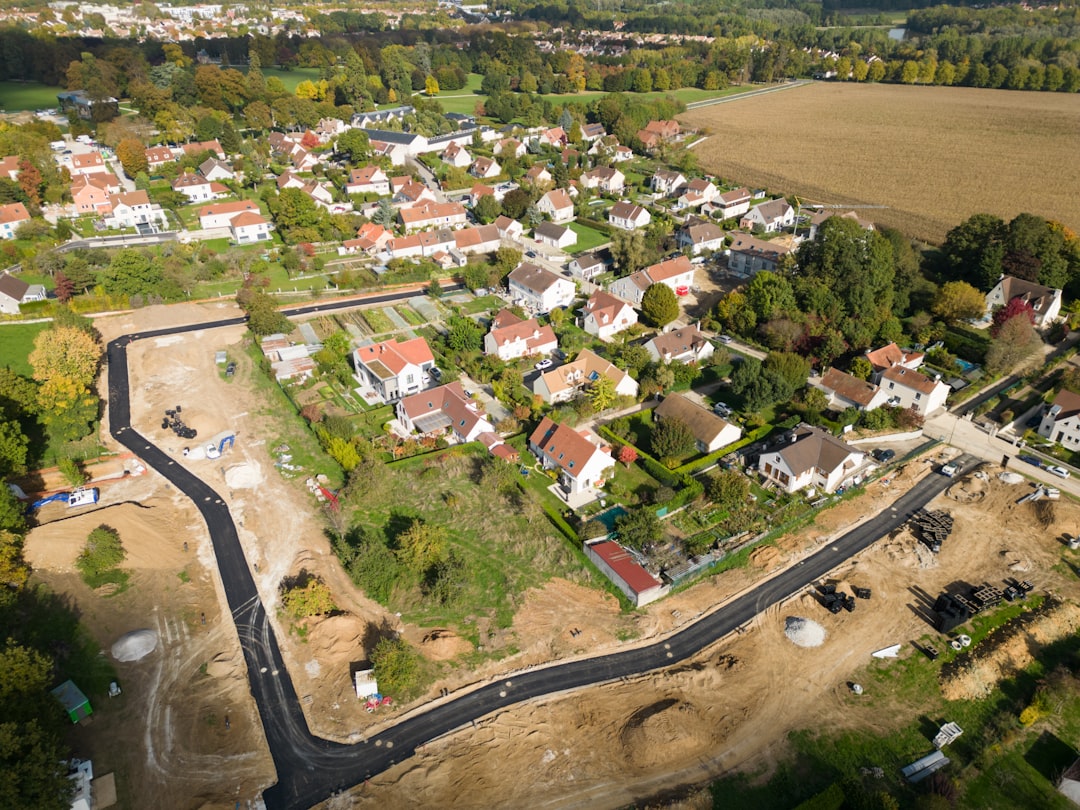
For large or complex facilities like hospitals or industrial plants, the timeline extends accordingly. Furthermore, coordinating access with tenants or current owners can introduce delays. Therefore, building buffer time into the project schedule is essential. Moreover, aligning the assessment timeline with transaction milestones, like financing contingencies, is a critical success factor. Proper planning prevents last-minute rushes and ensures thoroughness.
- Week 1: Project kick-off, scope finalization, and team mobilization.
- Week 2-3: On-site inspection and data collection activities.
- Week 4: Data analysis, preliminary reporting, and internal review.
- Week 5: Client presentation of findings and final report delivery.
- Optional Week 6: Follow-up consultation and action planning.
Common Challenges and Solutions
Employers in the GCC frequently encounter specific challenges during property assessments. Limited access to accurate as-built drawings is a common issue. This can obscure understanding of structural and MEP systems. Additionally, assessing the long-term impact of the region’s climate on building materials requires specialized knowledge. Moreover, navigating the varying regulations across different GCC jurisdictions adds complexity.
Proactive solutions exist for these hurdles. Engaging surveyors with deep local experience is the most effective strategy. Furthermore, using non-destructive testing (NDT) methods can reveal hidden conditions without invasive demolition. Also, building a relationship with local municipality officials can clarify ambiguous compliance requirements. Consequently, anticipating these challenges and planning for them mitigates risk and ensures a smoother assessment process.
- Challenge: Incomplete historical maintenance records. Solution: Conduct forensic investigation of systems.
- Challenge: Tenant-occupied spaces limiting access. Solution: Schedule phased inspections with tenant cooperation.
- Challenge: Evaluating specialized systems (e.g., cleanrooms, data centers). Solution: Hire niche technical consultants.
- Challenge: Budget constraints for a full assessment. Solution: Opt for a phased, risk-prioritized approach.
Expert Recommendations for Success
To maximize the value of your property assessment, follow these expert recommendations. First, treat the assessment as an investment, not a cost. The insights gained often save multiples of the survey fee in avoided repairs or negotiated savings. Second, ensure the assessment team includes both generalists and specialists relevant to your asset type. Furthermore, integrate the findings into your broader facility management strategy from day one.
Continuously update the condition report as repairs and upgrades are completed. This creates a living document that tracks asset health over time. Moreover, consider benchmarking your property’s condition against similar assets in the region. Finally, view the process as the first step in a long-term relationship with the asset. Therefore, a diligent initial assessment sets the stage for efficient operations, compliance, and asset value preservation for years to come.
- Invest in qualified, independent assessors with no conflict of interest.
- Align the assessment scope tightly with your strategic business objectives.
- Use the report to negotiate contract terms, not just to list defects.
- Plan for periodic re-assessments (every 3-5 years) to monitor asset degradation.
- Leverage assessment data for sustainability reporting and urban development compliance.
Frequently Asked Questions About Site Surveys Property Assessment
What is the timeline for a site surveys property assessment?
A comprehensive assessment typically takes 2 to 6 weeks. Timeline depends on property size, complexity, and scope. Furthermore, planning and reporting phases require significant time. Therefore, early initiation is crucial for transaction due diligence.
What is included in a facility condition documentation report?
The report includes an executive summary, system-by-system condition analysis, photographic evidence, compliance review, and prioritized cost estimates for repairs. Moreover, it references indoor environmental quality and safety standards.
How much does a professional property assessment cost?
Costs vary based on square footage, asset type, and report depth. Furthermore, fees may be a fixed project sum or a rate per square meter. Therefore, obtaining detailed quotations from several reputable firms is recommended for comparison.
Why is due diligence critical for GCC properties specifically?
GCC properties face unique stresses from climate, and regulations are strict and rapidly evolving. Additionally, construction quality can vary. Consequently, thorough due diligence identifies climate-related degradation and ensures compliance with local civil defense and municipality codes, preventing legal and financial risks.
Can an assessment help with sustainability certification?
Absolutely. A detailed assessment evaluates energy efficiency, water use, and material health. Furthermore, it provides a baseline for improvements needed to achieve certifications like LEED or Estidama. Consequently, it is a vital first step in any green building retrofit project.
How does Allianze HR support facility management projects?
We connect you with qualified facilities managers, engineers, and technical staff crucial for operating a well-assessed property. Moreover, our understanding of GCC operational standards ensures we recruit personnel who can maintain the asset to the condition documented in your site surveys property assessment report. Explore our professional recruitment resources for more insights.
Partner with Allianze HR for Facility Management Success
A meticulous site surveys property assessment is the cornerstone of prudent property investment and management in the GCC. It illuminates risks, informs strategy, and safeguards capital. Furthermore, the subsequent step is building a team capable of maintaining and enhancing the asset based on the assessment’s findings. From identifying latent defects to planning long-term capital expenditure, this process is indispensable for operational excellence and compliance.
Allianze HR Consultancy stands ready to support your entire project lifecycle. We provide access to the skilled facilities management, engineering, and technical professionals needed to act on assessment recommendations. Moreover, our regional expertise ensures your team understands local standards and best practices. Therefore, let us help you build a workforce that turns your property assessment insights into sustained operational success. Schedule a consultation appointment with our specialists today to discuss your staffing needs.