


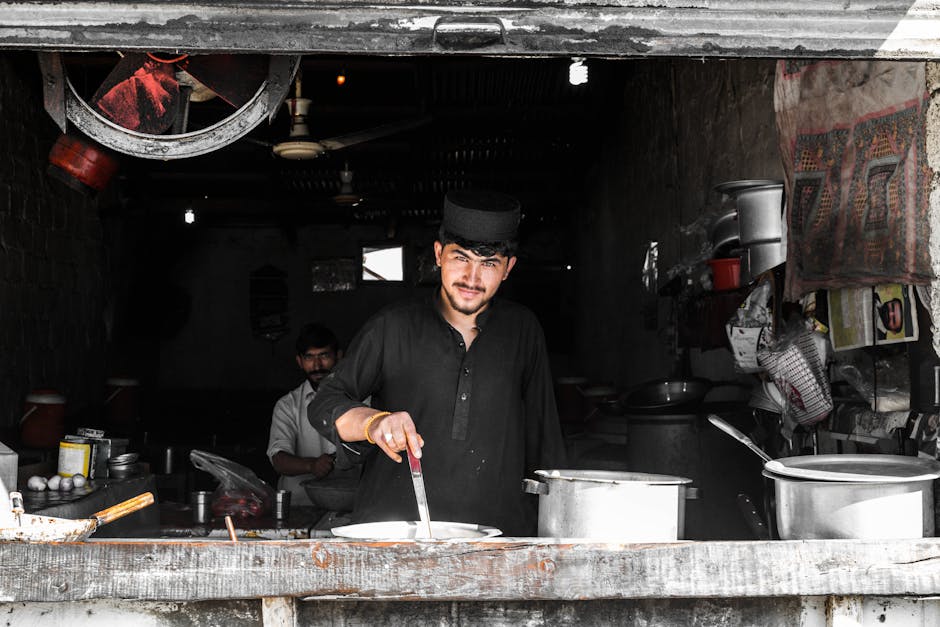
Skilled South Asian Butchers
The Rising Demand for Expert Butchers in Qatar’s Booming Hospitality Scene
Qatar’s hospitality industry is expanding at a remarkable pace. Consequently, luxury hotels, high-end restaurants, and sprawling event venues require a consistent supply of perfectly prepared meats. Skilled South Asian butchers meet this demand with exceptional proficiency. Their expertise spans various cutting techniques, from European deboning to traditional Middle Eastern styles. Moreover, they understand the specific requirements of different culinary traditions. This versatility makes them invaluable assets to kitchen teams aiming for Michelin-star quality. For instance, a five-star hotel’s steakhouse depends on precise cuts, while a traditional Arabic restaurant needs specific lamb preparations. Therefore, this specialized skill set directly enhances menu diversity and quality.
Additionally, the influx of international visitors has created a need for diverse meat products. South Asian butchers are adept at handling Halal certification standards, which are crucial in Qatar. They ensure compliance with religious and cultural expectations while maintaining top-tier quality. This combination of skills supports Qatar’s position as a global culinary destination. Furthermore, their ability to work efficiently in high-pressure environments helps kitchens maintain consistency during peak service times. As a result, these professionals are not just butchers; they are essential contributors to operational excellence and customer satisfaction in the hospitality sector.
How South Asian Butchery Expertise Elevates Qatar’s Culinary Standards
The art of butchery involves more than just cutting meat; it requires an understanding of anatomy, texture, and flavor. Skilled South Asian butchers bring generations of knowledge to Qatari kitchens. They often train in specific regional styles, allowing them to cater to a wide array of cuisines. For example, a butcher from Pakistan might excel in goat meat preparation, which is staple in many South Asian dishes. Meanwhile, a chef from India might specialize in lamb cuts for biryanis and kebabs. This diversity enriches Qatar’s culinary landscape, enabling restaurants to offer authentic international experiences.
Furthermore, these artisans minimize waste through efficient breaking down of carcasses. This practice aligns with both economic and sustainability goals within the hospitality industry. A recent study on food waste reduction highlights the importance of skilled preparation in minimizing kitchen waste. Additionally, their expertise in aging and tenderizing techniques ensures that meats reach the table at their peak flavor and texture. Consequently, restaurants can consistently deliver superior dishes that keep patrons returning. This elevation of quality standards is a direct result of their meticulous craftsmanship and deep understanding of their trade.
Meeting Global Demand: The Role of Skilled Butchers in International Cuisine
Qatar’s demographic is incredibly diverse, with expatriates and tourists from all over the world. This diversity creates a demand for a wide variety of international cuisines. Skilled South Asian butchers are uniquely positioned to meet this demand due to their adaptability and training. They can prepare cuts for American steakhouses, Italian osso buco, Japanese Wagyu, and Middle Eastern grills with equal precision. This versatility is crucial for hotels and restaurants that feature multiple dining concepts under one roof.
Moreover, these professionals stay updated on global culinary trends. For instance, the rising popularity of farm-to-table and nose-to-tail cooking requires butchers who can utilize entire animals creatively. South Asian butchers often have experience with these practices, reducing waste and maximizing ingredient potential. Their role extends beyond preparation; they often collaborate with chefs to develop new menu items. This partnership fosters innovation and keeps Qatar’s culinary scene dynamic and competitive. Therefore, their contribution is vital in positioning Qatar as a hub for international gastronomy.
Cultural Impact and Tradition: The South Asian Influence on Qatari Hospitality
The influence of South Asian culture on Qatar’s hospitality sector is profound and multifaceted. Culinary traditions from countries like India, Pakistan, and Bangladesh have found a welcoming home in Qatar. Skilled butchers from these regions bring not only their technical skills but also their cultural heritage. They introduce traditional cutting methods and meat preparation techniques that are integral to authentic South Asian cuisine. This authenticity is highly valued by both expatriate communities and local Qataris who have developed a taste for these flavors.
Additionally, the emphasis on Halal meat in both Qatari and South Asian cultures creates a natural synergy. South Asian butchers are well-versed in Halal practices, ensuring that meat is prepared in accordance with Islamic law. This adherence to religious guidelines is essential for operations in Qatar. Furthermore, their presence helps bridge cultural gaps, fostering a more inclusive and diverse workplace. The exchange of culinary knowledge between South Asian butchers and Qatari chefs leads to fusion dishes that celebrate both traditions. Thus, these professionals are cultural ambassadors, enriching Qatar’s food scene with their heritage and expertise.
Economic Contributions of South Asian Butchers to Qatar’s Growth
The economic impact of skilled South Asian butchers on Qatar’s hospitality industry is significant. Firstly, their expertise allows restaurants to maximize the value of their meat purchases. By reducing waste and utilizing less popular cuts creatively, they help control food costs. This efficiency is crucial in an industry where profit margins can be tight. Secondly, their ability to consistently produce high-quality cuts enhances the reputation of establishments, leading to increased patronage and revenue. A satisfied customer is more likely to return and recommend the venue to others.
Moreover, the demand for their skills creates employment opportunities and supports vocational training programs. Many South Asian butchers in Qatar undergo further training to specialize in niche areas, increasing their earning potential and contributing to the economy. The Qatar Planning and Statistics Authority reports steady growth in the food and beverage sector, partly driven by such specialized skills. Additionally, their remittances support families and communities in their home countries, creating a positive economic ripple effect. Therefore, their role is not only vital for culinary excellence but also for sustainable economic development.
Training and Skill Development: Nurturing the Next Generation of Butchers
The transmission of butchery skills from experienced professionals to newcomers is essential for sustaining quality in the industry. Many skilled South Asian butchers in Qatar participate in mentorship programs, training the next generation of artisans. These programs often combine traditional techniques with modern food safety standards. For example, apprentices learn about temperature control, cross-contamination prevention, and hygiene protocols alongside cutting skills. This comprehensive training ensures that they meet the high standards required in Qatar’s luxury hospitality sector.
Furthermore, vocational institutes and hospitality companies are investing in specialized training for butchers. These initiatives focus on advanced techniques like dry-aging, sausage making, and custom cut fabrication. By enhancing their skills, butchers can command higher wages and achieve greater job satisfaction. Additionally, resources for professional development are increasingly available, supporting continuous learning. This focus on skill development not only benefits individual workers but also elevates the entire industry. As a result, Qatar is building a reputation for culinary excellence that is supported by a highly trained workforce.
Future Trends: The Evolving Role of Butchers in Modern Qatari Kitchens
The role of the butcher in modern Qatari kitchens is evolving beyond traditional meat preparation. Today, they are increasingly involved in menu planning, sustainability initiatives, and customer education. For instance, some butchers now interact directly with diners, explaining cut choices and preparation methods. This transparency enhances the dining experience and builds trust. Moreover, as plant-based alternatives gain popularity, butchers are adapting by developing skills in handling and preparing alternative proteins. This adaptability ensures their continued relevance in a changing culinary landscape.
Additionally, technology is playing a larger role in butchery. Advanced tools for precision cutting, vacuum sealing, and aging are becoming standard in high-end kitchens. South Asian butchers are quickly mastering these technologies, combining them with their traditional knowledge. The future will likely see a greater emphasis on traceability and ethical sourcing, areas where butchers can provide valuable insights. Furthermore, global trends in the meat industry suggest a move towards more specialized and artisanal products. Skilled butchers will be at the forefront of this shift, driving innovation and quality in Qatar’s hospitality sector.
Challenges and Opportunities for South Asian Butchers in Qatar
Despite their valuable contributions, South Asian butchers in Qatar face several challenges. Language barriers can sometimes hinder communication with kitchen teams and management. Additionally, the physical demands of the job and long working hours can lead to fatigue. However, these challenges are being addressed through better workplace integration and support systems. Many employers now offer language classes and ergonomic training to improve working conditions. Furthermore, opportunities for career advancement are expanding as the industry recognizes the importance of these skills.
On the opportunity side, there is growing recognition of butchery as a craft profession. Butchers who specialize in particular areas, such as charcuterie or ethnic cuts, can achieve celebrity status within the culinary community. This recognition leads to better job security and higher wages. Moreover, networking opportunities through industry events and associations are helping butchers build professional networks. These connections can lead to new job opportunities and collaborations. Therefore, while challenges exist, the future is bright for skilled South Asian butchers in Qatar’s dynamic hospitality industry.
Frequently Asked Questions
Why are South Asian butchers particularly skilled?
South Asian butchers often undergo rigorous training from a young age, learning traditional methods passed down through generations. Additionally, they gain experience in handling a wide variety of meats and cuts, making them highly versatile.
How do skilled butchers contribute to Qatar’s hospitality growth?
They enhance culinary quality, reduce waste, and enable restaurants to offer diverse, authentic international menus. This excellence attracts more patrons and boosts the sector’s reputation.
What specific skills do South Asian butchers bring to Qatari kitchens?
They excel in precision cutting, Halal certification compliance, traditional preparation techniques, and waste reduction. Their ability to adapt to various culinary styles is particularly valuable.
Are there training programs for butchers in Qatar?
Yes, many vocational training centers and hospitality groups offer programs that combine traditional butchery skills with modern food safety standards. Booking a consultation with HR experts can provide more details on available pathways.
How is the demand for skilled butchers expected to change in the future?
Demand is likely to grow as Qatar’s hospitality sector expands. However, butchers will need to adapt to trends like plant-based proteins and advanced technology in meat preparation.
Conclusion
In conclusion, skilled South Asian butchers are indispensable to Qatar’s flourishing hospitality industry. Their expertise elevates culinary standards, reduces waste, and meets the diverse demands of international visitors. Additionally, they contribute significantly to the economy and cultural richness of the sector. As Qatar continues to grow as a global destination, the role of these artisans will only become more critical. Therefore, investing in their training and recognizing their contributions is essential for sustained growth. Finally, for hospitality businesses seeking to excel, leveraging this talented workforce is a strategic imperative. Contact us today to learn how you can integrate top talent into your operations.