


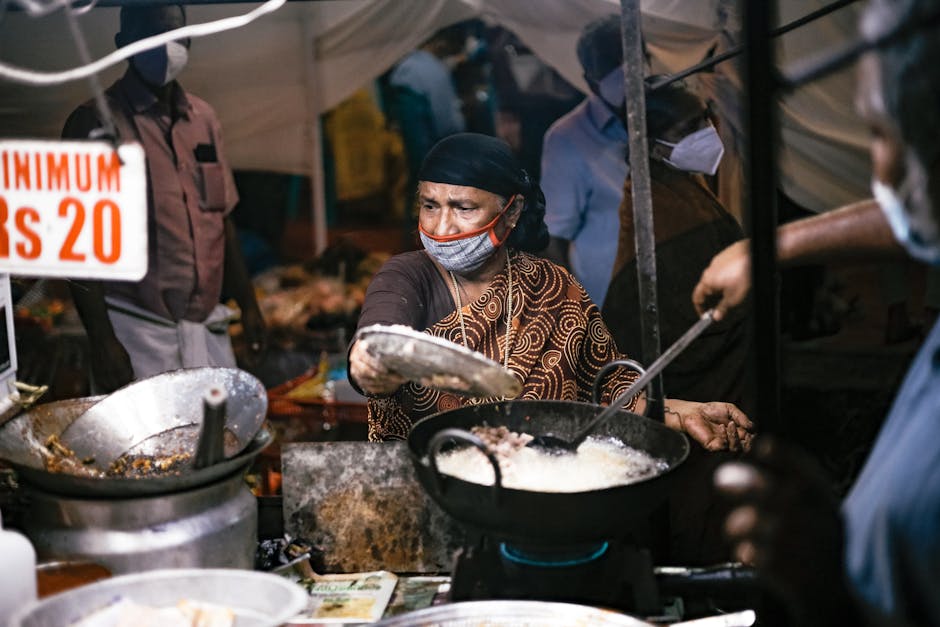
Skilled South Asian Kitchen Staff Boosting UAE Hotels
The Culinary Backbone of UAE Hospitality
South Asian kitchen professionals form the essential foundation of many UAE hotel kitchens. Their extensive training and innate understanding of complex spice blends elevate guest dining experiences. Moreover, their versatility allows them to master various international cuisines. This adaptability is crucial for hotels catering to a global clientele. According to a KHDA report, the culinary sector significantly contributes to the UAE’s economic diversification. Therefore, investing in skilled talent is a strategic priority.
Why South Asian Chefs Are in High Demand
Several factors drive the strong demand for these culinary experts. First, their deep-rooted culinary traditions emphasize fresh ingredients and intricate techniques. Second, their strong work ethic and commitment to quality align perfectly with luxury hotel standards. Furthermore, their ability to consistently deliver high-volume service during peak times is invaluable. For example, banquet events and festive seasons require flawless execution. Consequently, hotels actively seek these professionals to maintain competitive advantage.
Key Contributions to Hotel Success
South Asian kitchen teams contribute significantly across multiple areas:
- Menu Innovation: They introduce authentic dishes that attract food tourists.
- Cost Management: Their expertise in resourcefulness reduces food waste.
- Training and Mentorship: Senior chefs often train junior staff, elevating entire teams.
- Consistency: They ensure dish quality remains high across all service periods.
Recruiting Top South Asian Culinary Talent
Finding and attracting the best kitchen staff requires a strategic approach. Importantly, understanding cultural nuances and career aspirations is key. Many professionals seek opportunities for career growth and skill development. Therefore, hotels must offer clear advancement pathways. Additionally, competitive compensation packages and quality living conditions are crucial. Platforms like Allianz HR Resources provide valuable insights into effective recruitment strategies. Likewise, building relationships with culinary schools in South Asia can create a steady talent pipeline.
Training and Skill Development Programs
Continuous learning is essential for maintaining high standards. Many UAE hotels invest in specialized training programs. These initiatives often focus on modern techniques, safety standards, and customer service excellence. For instance, workshops on molecular gastronomy or sustainable cooking attract ambitious chefs. Furthermore, certification programs enhance both skills and job satisfaction. According to UAE University research, ongoing training significantly reduces staff turnover. Thus, hotels benefit from more stable, skilled teams.
Impact on Guest Satisfaction and Hotel Ratings
Superior culinary experiences directly influence guest satisfaction and online reviews. Skilled South Asian kitchen staff play a pivotal role in this dynamic. Their ability to deliver memorable meals encourages repeat visits and positive word-of-mouth. Moreover, unique culinary offerings can become a hotel’s unique selling proposition. A study by Dubai Tourism shows that food quality is a top factor in hotel selection. Consequently, investing in kitchen talent directly impacts revenue and reputation.
Cultural Diversity Enhancing Culinary Innovation
The blend of South Asian traditions with Emirati and international influences creates exciting fusion cuisines. This cultural exchange fosters innovation and menu diversity. For example, traditional Arabic dishes might incorporate South Asian spices for new flavor profiles. Meanwhile, Western classics gain depth with authentic techniques. This cross-pollination appeals to both local and international guests. Ultimately, it positions UAE hotels as global culinary destinations. Therefore, embracing cultural diversity is both a creative and commercial advantage.
Navigating Challenges and Ensuring Retention
Despite their value, retaining top kitchen talent presents challenges. High demand can lead to competitive job offers from rival establishments. Additionally, cultural adjustment and distance from family affect some staff members. To address these issues, leading hotels implement comprehensive retention strategies. These include:
- Offering competitive salaries and benefits
- Providing comfortable accommodation and transportation
- Creating a supportive, inclusive work environment
- Facilitating family visit programs or reunions
For personalized assistance, consider contacting HR experts who specialize in hospitality staffing.
Future Trends in Hotel Kitchen Staffing
The landscape of hotel kitchens continues to evolve. Technology integration, sustainability practices, and health-conscious dining are shaping future demands. South Asian kitchen staff, with their adaptable skillsets, are well-positioned to lead these trends. For instance, many are trained in plant-based cooking and zero-waste techniques. Additionally, digital tools for inventory and recipe management are becoming standard. Hotels that invest in upskilling their teams will stay ahead. Meanwhile, UAE labor regulations continue to support skilled migration in critical sectors.
How Hotels Can Optimize Their Kitchen Teams
Optimizing kitchen operations requires a holistic approach. Start by conducting regular skills assessments to identify training needs. Next, foster a culture of innovation where chefs can propose new menu ideas. Additionally, implement efficient workflow systems to reduce stress during peak hours. Importantly, recognize and reward outstanding performance to boost morale. For tailored strategies, booking a consultation with hospitality HR specialists can provide actionable insights. Ultimately, a supported, skilled kitchen team drives overall hotel success.
Frequently Asked Questions
Why are South Asian kitchen staff particularly valued in UAE hotels?
They bring extensive culinary training, expertise with spices, adaptability to various cuisines, and a strong work ethic that aligns with high hotel standards.
What cuisines do South Asian chefs typically master?
They often excel in Indian, Pakistani, Bangladeshi, and Sri Lankan cuisines, but many also train in Arabic, Continental, Asian fusion, and modern culinary techniques.
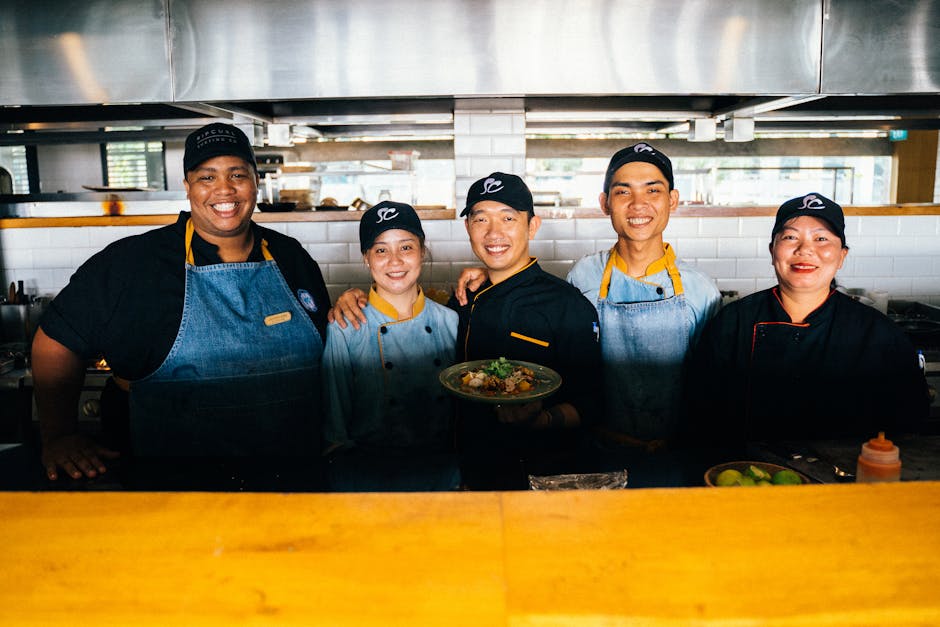
How do skilled South Asian kitchen staff contribute to hotel ratings?
They enhance guest dining experiences, leading to positive reviews, higher satisfaction scores, repeat business, and improved overall hotel reputation.
What challenges do hotels face in recruiting these professionals?
Competition for top talent, visa regulations, cultural adjustment support, and offering competitive compensation packages are common challenges.
How can hotels improve retention of skilled kitchen staff?
Offer career advancement opportunities, continuous training, competitive benefits, recognition programs, and a supportive work environment.
Are there specific training programs for South Asian kitchen staff in UAE hotels?
Many hotels provide specialized training in food safety, international cuisines, leadership skills, and new culinary technologies to enhance their capabilities.
Conclusion
In conclusion, skilled South Asian kitchen staff are boosting UAE hotels to new heights of culinary excellence. Their contributions enhance guest experiences, drive positive reviews, and support the industry’s growth. Furthermore, their adaptability and dedication make them invaluable assets. Finally, hotels that invest in recruiting, training, and retaining this talent will enjoy sustained competitive advantage. To summarize, embracing this culinary expertise is not just beneficial—it’s essential for success in the dynamic UAE hospitality market. Therefore, take action today to optimize your kitchen team. Contact experts to develop a strategic staffing plan that leverages this exceptional talent pool.