


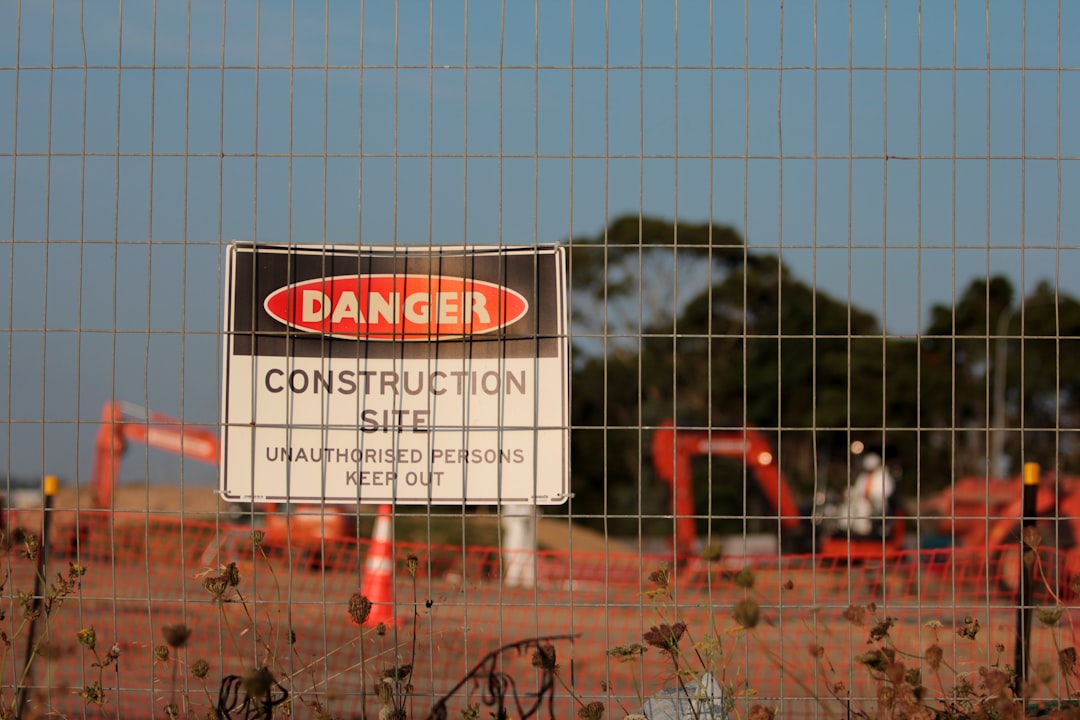
How can you secure the specialized talent needed to build world-class sports facilities in the GCC? The region’s ambitious projects, like Dubai Sports City Phase 3, demand more than standard construction crews. Consequently, sports venue construction recruitment requires targeted expertise. This process involves sourcing professionals with stadium-specific knowledge. Therefore, understanding this niche hiring landscape is crucial for project success and timely delivery.
The GCC’s sports infrastructure market is booming. Major events and national visions drive massive investments. Furthermore, venues require unique engineering, safety, and operational standards. Regional employers must navigate complex labor laws and visa processes. Additionally, they compete globally for a limited pool of specialized talent. This makes strategic recruitment a critical success factor for any developer or contractor.
At Allianze HR Consultancy, we’ve successfully placed 10,000+ professionals across UAE, Saudi Arabia, Qatar, and Kuwait. Furthermore, our 5+ years of GCC expertise supports clients from 50+ countries. Moreover, our Ministry of External Affairs (India) RA license ensures compliance. Therefore, contact our recruitment specialists for expert guidance on your next major project.
Understanding GCC Sports Infrastructure Demands
Gulf nations are investing heavily in sports and recreation. Vision 2030 agendas prioritize world-class facilities. These projects boost tourism and national pride. Consequently, demand for specialized construction talent has surged. Projects range from Olympic stadiums to community sports complexes.
Furthermore, each venue type has unique requirements. For example, football stadiums need specific pitch and seating expertise. Alternatively, aquatic centers require advanced waterproofing and filtration knowledge. Moreover, multi-purpose arenas demand flexible design and engineering solutions. This specialization dictates a precise hiring strategy.
Regional climate adds another layer of complexity. Extreme heat impacts material selection and worker safety protocols. Additionally, cultural considerations influence facility design and operations. Therefore, recruiters must find candidates with relevant regional experience. This ensures practical knowledge of local conditions and regulations.
- Stadium and arena structural engineering
- Specialized turf and playing surface installation
- High-capacity seating and spectator safety systems
- Broadcast and media infrastructure integration
- Olympic-standard athletic track and field construction
Sports Venue Construction Recruitment Strategic Overview
Effective sports venue construction recruitment begins with precise planning. You must define the project’s specific technical needs first. Then, identify the roles requiring specialized stadium expertise. This approach ensures you target the right talent pool from the start.
Furthermore, a phased recruitment strategy aligns with construction timelines. Early stages need design architects and structural engineers. Later phases require fit-out specialists and testing commissioners. Moreover, bulk hiring for general labor follows different processes than executive search. Therefore, segmenting your hiring plan prevents bottlenecks.
Partnering with a recruitment agency offers significant advantages. Agencies provide access to global networks of pre-vetted specialists. Additionally, they manage complex visa and mobilization logistics. This allows your project team to focus on core construction activities. Consequently, you accelerate time-to-hire and reduce administrative burdens.
- Conduct a detailed project role gap analysis
- Develop tiered recruitment strategies for different skill levels
- Establish competitive compensation packages for niche skills
- Create a streamlined candidate assessment process
- Plan for sequential mobilization to align with project phases
Legal Framework and Compliance Standards
GCC labor laws govern all construction recruitment. Each country has specific regulations for foreign workers. These rules cover contracts, wages, accommodations, and safety. Therefore, compliance is non-negotiable for project legitimacy and worker welfare.
Moreover, sports venue projects often involve heightened safety standards. Authorities scrutinize these high-profile sites more closely. Consequently, documentation must be impeccable. This includes attested educational certificates and professional licenses. Additionally, all visas and work permits must be current and project-specific.
International standards also apply. The International Labour Organization construction safety guidelines are essential. Furthermore, local entities like the UAE construction sector employment authorities set additional rules. Adherence prevents legal penalties and project delays. It also protects your company’s reputation.
- Secure proper project-specific work visas and permits
- Ensure all employment contracts meet Ministry standards
- Provide mandatory health insurance and worker accommodations
- Maintain strict adherence to OSHA construction industry standards
- Implement comprehensive onsite safety induction programs
Sports Venue Construction Recruitment Best Practices
Implementing sports venue construction recruitment best practices ensures quality hires. Start by building a detailed candidate persona for each critical role. This should outline required technical skills, certifications, and prior project experience. Specifically, look for candidates with a proven track record on similar stadium or arena projects.
Furthermore, utilize technical assessments tailored to sports infrastructure. Practical tests can evaluate knowledge of retractable roofs or acoustics. Moreover, behavioral interviews should assess teamwork under tight deadlines. This dual approach verifies both capability and fit. Consequently, you reduce the risk of costly mis-hires.
Additionally, develop a strong employer value proposition. Highlight the prestige of working on landmark GCC projects. Offer clear career progression paths within the region. Also, ensure transparent communication about compensation and living conditions. This strategy attracts top-tier talent in a competitive market. It also improves offer acceptance rates significantly.
- Utilize specialized job boards for engineering and construction
- Partner with technical institutes for fresh graduate pipelines
- Conduct rigorous reference checks on past project performance
- Offer site visits during the interview process for serious candidates
- Implement a structured onboarding program for site safety and protocols
Documentation and Processing Steps
Accurate documentation is the backbone of successful recruitment. The process begins with collecting candidate credentials. These include passports, educational degrees, and experience certificates. All documents typically require attestation from home and host countries. This can be a lengthy but essential procedure.
Next, prepare the employment contract and visa application. Contracts must clearly state job title, salary, benefits, and project duration. Additionally, they must comply with GCC labor law templates. Subsequently, submit documents to the relevant Ministry of Labor and immigration authority. Each GCC nation has its own online portal and processing timeline.
Finally, coordinate medical examinations and biometrics. Successful candidates must pass fitness tests for labor cards. Then, book travel and arrange airport pickup. Furthermore, plan for quarantine if required by health regulations. A smooth arrival and orientation process sets a positive tone. It also ensures workers are site-ready quickly.
- Collect and attest all educational and professional certificates
- Draft Ministry-approved employment contracts in Arabic and English
- Submit electronic visa applications through official government portals
- Schedule mandatory medical fitness tests at approved centers
- Coordinate flight bookings, airport transfers, and camp accommodations
Sports Venue Construction Recruitment Implementation Timeline
A realistic sports venue construction recruitment implementation timeline is vital. Rushing the process leads to compliance errors or poor candidate matches. Typically, the end-to-end timeline spans 6 to 12 weeks for specialized roles. This varies based on the country, role seniority, and candidate location.
First, the sourcing and screening phase takes 2-3 weeks. This involves advertising, interviewing, and technical assessments. Next, the offer and acceptance stage requires 1-2 weeks. Subsequently, document collection and attestation can take 3-4 weeks. Finally, visa processing and mobilization need another 2-3 weeks. Therefore, advance planning is non-negotiable.
Moreover, bulk hiring for general labor follows a different schedule. This process can be batched and accelerated. However, it still requires careful logistics planning. Working with an experienced partner like Allianze HR can streamline these stages. Our established systems and professional recruitment resources help compress timelines without sacrificing quality.
- Weeks 1-3: Role definition, sourcing, and candidate screening
- Weeks 4-5: Interviews, technical evaluations, and job offers
- Weeks 6-9: Document attestation and contract signing
- Weeks 10-12: Visa processing, medicals, and travel arrangements
- Week 13: Arrival, orientation, and project deployment
Common Challenges and Solutions
Recruiting for specialized sports construction faces several hurdles. The primary challenge is the limited global talent pool. Few professionals have direct experience with stadium-grade projects. This scarcity drives up salary expectations and lengthens hiring cycles. Additionally, visa restrictions in some GCC countries can delay mobilization.
Furthermore, cultural and linguistic integration presents another challenge. Teams often comprise multiple nationalities. Effective communication is critical for site safety and productivity. Moreover, ensuring worker wellbeing in remote or temporary project locations is essential. This includes proper accommodation, healthcare, and recreational facilities.
Fortunately, proven solutions exist. Proactive talent pipelining builds relationships before needs arise. Additionally, offering upskilling programs can broaden the candidate pool. Partnering with a regional expert provides local market intelligence. They navigate bureaucratic processes efficiently. Consequently, they turn potential showstoppers into manageable steps.
- Challenge: Niche skill shortage. Solution: Global search and competitive packages.
- Challenge: Visa processing delays. Solution: Expert-led documentation and tracking.
- Challenge: High candidate drop-off. Solution: Transparent communication and support.
- Challenge: Onsite productivity lag. Solution: Comprehensive cultural and safety onboarding.
- Challenge: Cost overruns. Solution: Fixed-fee recruitment models and accurate planning.
Expert Recommendations for Success
To ensure recruitment success, start engagement early. Involve your HR or recruitment partner during the project’s design phase. This allows time to map the talent landscape and identify potential gaps. Furthermore, budget realistically for specialized recruitment. The cost of a bad hire far exceeds agency fees.
Moreover, prioritize worker welfare and compliance from day one. This is not just ethical; it’s strategic. Happy, safe workers are more productive and less likely to attrite. Adhere to World Health Organization workplace standards. Also, consider World Bank infrastructure development best practices for sustainable projects.
Finally, build long-term partnerships. View your recruitment provider as a strategic extension of your team. Share your long-term project pipeline with them. This enables them to plan and source proactively. Consequently, you create a reliable talent engine for future sports city developments and beyond.
- Integrate recruitment planning into the overall project charter
- Choose partners with proven GCC experience and proper licenses
- Invest in technology for tracking candidates and documentation
- Foster a positive site culture to enhance retention and referral
- Conduct post-project reviews to refine future recruitment strategies
Frequently Asked Questions About Sports Venue Construction Recruitment
What is the timeline for sports venue construction recruitment?
Timeline typically ranges 6-12 weeks for specialized roles. Furthermore, documentation preparation affects processing speed. Therefore, consult our specialists for accurate project-specific estimates.
What documentation is required for stadium project staffing?
Required documents include attested engineering degrees, project experience certificates, employment contracts, and visa applications. Additionally, professional licenses for engineers and safety officers are mandatory.
What are typical costs for specialized construction hiring services?
Costs vary by position level, recruitment volume, and country. Furthermore, visa fees, medical screening, and attestation affect total investment. Therefore, request detailed quotations from recruitment partners for accuracy.
How does Allianze HR ensure legal compliance for major projects?
We maintain Ministry-approved RA license status under The Emigration Act, 1983. Additionally, our team monitors GCC labor law changes continuously. Moreover, we conduct thorough documentation verification at every recruitment stage.
Which GCC countries does Allianze HR serve for infrastructure projects?
We provide recruitment services across UAE, Saudi Arabia, Qatar, Kuwait, Bahrain, and Oman. Furthermore, our global talent network spans key sourcing countries for technical expertise.
What makes sports venue recruitment different from general construction?
It requires niche expertise in areas like turf technology, seating geometry, crowd management systems, and broadcast infrastructure. These specialized skills demand targeted sourcing and assessment strategies.
Partner with Allianze HR for Recruitment Success
Successful sports venue construction recruitment demands precision, expertise, and local knowledge. From Dubai Sports City Phase 3 to regional stadium projects, the right team builds legacies. This guide outlined the strategic, legal, and practical steps involved. Moreover, it highlighted the importance of specialized stadium expertise for quality and safety.
Navigating this complex process alone can divert focus from core project management. Therefore, a trusted partner provides invaluable support. Allianze HR combines GCC recruitment expertise with deep construction sector knowledge. We manage the entire talent lifecycle, from sourcing to mobilization. Consequently, you gain peace of mind and a reliable workforce.
Ready to build your championship team? Let’s discuss your project’s specific staffing needs. Explore our professional recruitment resources for more insights. Then, take the next step toward seamless project execution. Schedule consultation appointment with our specialists today. Together, we can turn your visionary sports infrastructure into reality.