



Are you struggling to find reliable staff for your retail backroom and shelving operations? Furthermore, the GCC’s booming retail sector demands precision in inventory control. Consequently, effective stock clerks inventory management becomes a critical competitive advantage. This comprehensive guide addresses the specific needs for recruiting and managing these essential retail workers. Therefore, we provide actionable strategies for GCC employers.
The retail landscape across the Gulf is expanding rapidly. Additionally, efficient logistics and shelf availability directly impact customer satisfaction and sales. Moreover, stock clerks and inventory workers form the backbone of this operational efficiency. Their role in receiving, organizing, and replenishing goods is indispensable. Understanding their recruitment needs ensures smooth retail operations and compliance.
At Allianze HR Consultancy, we’ve successfully placed 10,000+ professionals across UAE, Saudi Arabia, Qatar, and Kuwait. Furthermore, our 5+ years of GCC expertise supports clients from 50+ countries. Moreover, our Ministry of External Affairs (India) RA license ensures compliance. Therefore, contact our recruitment specialists for expert guidance on your staffing requirements.
Understanding GCC Retail Staffing Requirements
GCC retail markets present unique staffing challenges. First, high tourist volumes create seasonal demand spikes. Second, diverse product categories require specialized handling knowledge. Third, multilingual environments need staff with communication skills. Additionally, local labor laws mandate specific working conditions and benefits.
Therefore, employers must define clear job specifications. For example, distinguish between backroom stock clerks and front-facing shelving staff. Furthermore, consider the physical nature of the work. Consequently, candidate screening should assess stamina and attention to detail. Moreover, familiarity with inventory software is increasingly valuable.
Regional considerations also play a key role. For instance, mall culture dominates in the UAE and Qatar. Conversely, traditional souks and hypermarkets have different operational flows. Understanding these nuances ensures better workforce planning. Additionally, it helps in creating effective training programs for new hires.
Key requirements often include:
- Physical fitness for lifting and moving stock.
- Basic numeracy for accurate counting and record-keeping.
- Understanding of FIFO (First-In, First-Out) principles.
- Ability to operate handheld scanners and inventory systems.
- Teamwork skills for coordinating with sales floor staff.
- Adherence to safety protocols in storage areas.
Stock Clerks Inventory Management Strategic Overview
A strategic approach to stock clerks inventory management transforms retail operations. First, it begins with accurate workforce forecasting. Analyze sales data, delivery schedules, and peak seasons. Then, determine the optimal number of backroom and shelving staff. This proactive planning prevents both overstaffing and costly stockouts.
Furthermore, integrating technology is no longer optional. Modern inventory management systems (IMS) streamline processes. Consequently, clerks can track stock levels in real-time. Moreover, automated reordering triggers reduce manual errors. Therefore, recruitment should prioritize candidates adaptable to digital tools. Training programs must bridge any skill gaps effectively.
Another strategic element is creating clear career pathways. Stock clerk roles often have high turnover. However, demonstrating progression opportunities improves retention. For example, paths to supervisory or logistics coordinator roles motivate staff. Additionally, cross-training in related departments builds a flexible workforce.
Effective strategies include:
- Implementing barcode and RFID technology for accuracy.
- Developing standard operating procedures (SOPs) for all tasks.
- Establishing key performance indicators (KPIs) like stock accuracy rate.
- Creating incentive programs linked to inventory shrinkage reduction.
- Building strong communication channels between warehouse and sales teams.
Ultimately, strategic stock clerks inventory management aligns personnel with business objectives. It ensures products are available, counted, and displayed correctly.
Legal Framework and Compliance Standards
Navigating GCC labor laws is essential for retail employers. Each country has distinct regulations governing employment. For instance, the UAE’s visa and immigration services outline specific procedures. Similarly, Saudi Arabia’s Ministry of Labor regulations set wage and contract standards. Compliance prevents legal penalties and ensures worker welfare.
Furthermore, international standards provide important guidelines. The International Labour Organization standards promote fair working conditions. Additionally, OSHA warehousing industry standards offer safety protocols for stockrooms. Adhering to these protects employees from workplace hazards. Moreover, it enhances your company’s reputation as a responsible employer.
Key compliance areas for inventory staff include working hours, rest periods, and overtime pay. Also, providing safe storage facilities is mandatory. Proper ventilation, lighting, and equipment maintenance are critical. Therefore, regular safety audits are recommended. Documentation, like signed employment contracts and safety training records, must be meticulously maintained.
Common requirements involve:
- Valid work permits and residency visas for all foreign staff.
- Employment contracts in Arabic and the worker’s language.
- Medical insurance as per local health authority rules.
- Provision of appropriate personal protective equipment (PPE).
- Clear grievance redressal procedures accessible to all workers.
Non-compliance risks fines, operational disruptions, and reputational damage. Hence, partnering with experts ensures adherence.
Stock Clerks Inventory Management Best Practices
Implementing best practices elevates your inventory team’s performance. First, establish a rigorous but fair recruitment process. Use practical assessments to evaluate a candidate’s counting speed and accuracy. Furthermore, behavioral interviews can reveal reliability and teamwork aptitude. This approach ensures you hire competent individuals suited for the role’s demands.
Moreover, comprehensive onboarding is crucial. New hires should understand store layout, stock codes, and safety procedures. Additionally, pairing them with experienced mentors accelerates integration. Consequently, this reduces errors during the initial learning period. Regular refresher training on new technologies or procedures maintains high standards.
Another best practice is leveraging data for workforce management. Analyze task completion times and error rates. Then, schedule staff optimally to cover receiving shipments and shelf replenishment. Furthermore, recognize and reward accurate and efficient workers. This boosts morale and encourages a culture of excellence.
Proven best practices include:
- Cycle counting programs to maintain perpetual inventory accuracy.
- Clear labeling systems for all storage locations and shelves.
- Regular team meetings to address process bottlenecks.
- Empowering clerks to report discrepancies without fear.
- Investing in ergonomic equipment to prevent workplace injuries.
Adopting these stock clerks inventory management best practices drives operational efficiency. It also fosters a productive and engaged workforce.
Documentation and Processing Steps
Efficient documentation streamlines the entire recruitment and employment cycle. Initially, prepare a detailed job description outlining duties, requirements, and reporting lines. This document forms the basis for advertising and candidate evaluation. Furthermore, it sets clear expectations for both employer and employee from the start.
Once a candidate is selected, the visa and work permit process begins. This involves submitting applications to relevant government portals. Required documents typically include passport copies, photographs, attested educational certificates, and medical fitness reports. Additionally, the employment contract must be signed and attested by the Ministry of Labor. Consequently, meticulous document preparation avoids processing delays.
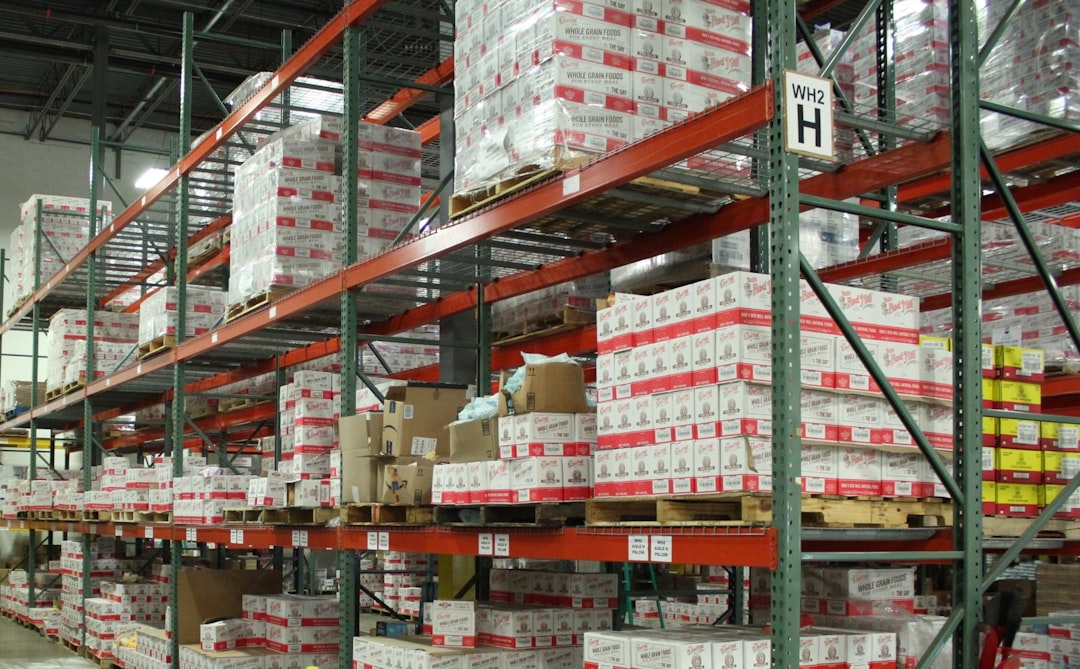
After deployment, maintain organized personnel files. These should contain the contract, visa copies, training certificates, and performance reviews. Moreover, keep records of safety inductions and equipment training. This documentation is vital for compliance audits and resolving any disputes. Therefore, implement a secure digital filing system for easy access and management.
Essential processing steps are:
- Job requisition approval and budget allocation.
- Candidate sourcing, screening, and interviewing.
- Offer letter issuance and pre-employment medical check.
- Work visa application and Emirates ID processing (for UAE).
- Air ticket booking, airport pickup, and accommodation arrangement.
- On-site orientation, bank account setup, and final deployment.
Each step requires coordination. Hence, professional HR support ensures a smooth journey.
Stock Clerks Inventory Management Implementation Timeline
A realistic timeline is key for planning new hires or team expansions. Typically, the end-to-end process for stock clerks inventory management staffing takes 6 to 10 weeks. However, this varies by GCC country and candidate nationality. Understanding this timeline helps manage operational expectations and plan for coverage gaps.
The first phase involves sourcing and selection, lasting 2-3 weeks. This includes advertising, screening resumes, and conducting interviews. Furthermore, practical assessments and reference checks add necessary depth. Subsequently, the chosen candidate accepts the offer, triggering the documentation phase.
Next, the visa processing phase begins, taking approximately 3-5 weeks. This includes medical tests, document attestation, and government approvals. Moreover, factors like public holidays can extend this period. Therefore, building buffer time into your project plan is advisable. Finally, travel arrangements and onboarding complete the cycle.
A sample timeline breakdown:
- Weeks 1-2: Job posting, candidate sourcing, initial interviews.
- Week 3: Final interviews, offer acceptance, document collection.
- Weeks 4-7: Visa application, medical screening, labor approval.
- Week 8: Visa stamping, flight booking, and travel.
- Week 9: Airport reception, accommodation, and initial orientation.
- Week 10: Store-specific training and full deployment.
Partnering with a recruitment agency can compress this timeline through existing candidate pools and expertise.
Common Challenges and Solutions
Recruiting and retaining inventory staff presents several challenges. High turnover is a primary concern, often due to the physical nature of the work. Additionally, seasonal demand fluctuations make permanent staffing tricky. Furthermore, skill gaps in using modern inventory technology can hinder efficiency. However, proactive strategies can effectively mitigate these issues.
To combat turnover, focus on improving job satisfaction. Offer competitive wages as per World Bank labor market insights. Moreover, create a positive work environment with clear communication. Recognize good performance regularly. Also, provide opportunities for skill development and internal promotion. These measures increase employee loyalty significantly.
For seasonal spikes, consider a mixed workforce model. Maintain a core team of permanent staff. Then, use temporary or part-time workers during peak periods. This approach controls labor costs while meeting demand. Additionally, cross-train sales floor staff to assist with basic stocking during rush hours. This provides operational flexibility.
Effective solutions include:
- Implementing ergonomic workstations to reduce physical strain.
- Using gamification for tasks like cycle counting to boost engagement.
- Partnering with vocational institutes for a steady talent pipeline.
- Conducting exit interviews to understand real reasons for departure.
- Leveraging recruitment partners for faster, pre-screened candidate access.
Addressing these challenges head-on ensures a stable and capable inventory team.
Expert Recommendations for Success
Success in managing retail inventory teams requires a holistic approach. First, invest in technology that simplifies the clerk’s job. User-friendly inventory scanners and management software reduce errors and frustration. Furthermore, integrate these systems with your point-of-sale for real-time updates. This empowers clerks and provides valuable business data.
Secondly, prioritize safety and wellbeing. Adhere to World Health Organization occupational health guidelines. Provide regular training on safe lifting techniques. Moreover, ensure backrooms are well-organized and free of hazards. A safe workplace minimizes accidents and demonstrates care for employees.
Finally, build a culture of continuous improvement. Encourage clerks to suggest process enhancements. Regularly review workflows to eliminate inefficiencies. Additionally, benchmark your operations against industry standards. For insights, refer to resources like the ILO’s occupational safety resources. This proactive stance keeps your operations competitive.
Key recommendations are:
- Treat inventory staff as a strategic asset, not just labor.
- Foster strong relationships between inventory, procurement, and sales teams.
- Conduct regular audits of both inventory and staff satisfaction.
- Stay updated on GCC-specific retail trends and labor law changes.
- Engage a specialized HR partner like Allianze for end-to-end recruitment.
Implementing these expert tips drives long-term success in your retail operations.
Frequently Asked Questions About Stock Clerks Inventory Management
What is the timeline for stock clerks inventory management recruitment?
The complete recruitment timeline typically ranges from 6 to 10 weeks. Furthermore, this includes sourcing, visa processing, and deployment. Variables include the candidate’s country of origin and specific GCC destination. Therefore, consult our specialists for a precise project plan.
What skills are most critical for retail inventory workers?
Key skills include attention to detail, basic numeracy, physical stamina, and teamwork. Additionally, familiarity with inventory management software is highly valuable. Moreover, reliability and a strong work ethic are essential for backroom operations.
How can we reduce high turnover among stock clerks?
Improve retention through competitive compensation, clear career paths, and a positive work environment. Furthermore, recognize good performance and invest in safety equipment. Additionally, involving staff in process improvements increases engagement and loyalty.
What are the main compliance risks in hiring inventory staff?
Risks include improper work visas, non-compliant employment contracts, and inadequate safety provisions. Additionally, failing to provide mandated benefits like medical insurance poses legal issues. Consequently, thorough knowledge of local labor laws is imperative.
Can Allianze HR assist with bulk hiring for new store openings?
Absolutely. We specialize in volume recruitment for retail rollouts and new operations. Our process manages simultaneous hiring for multiple positions, ensuring coordinated arrival and training. Explore our professional recruitment resources for more insights.
What industries does Allianze specialize in recruiting?
Our expertise covers construction, hospitality, healthcare, facilities management, manufacturing, oil and gas, and technical services. Additionally, we handle both skilled